
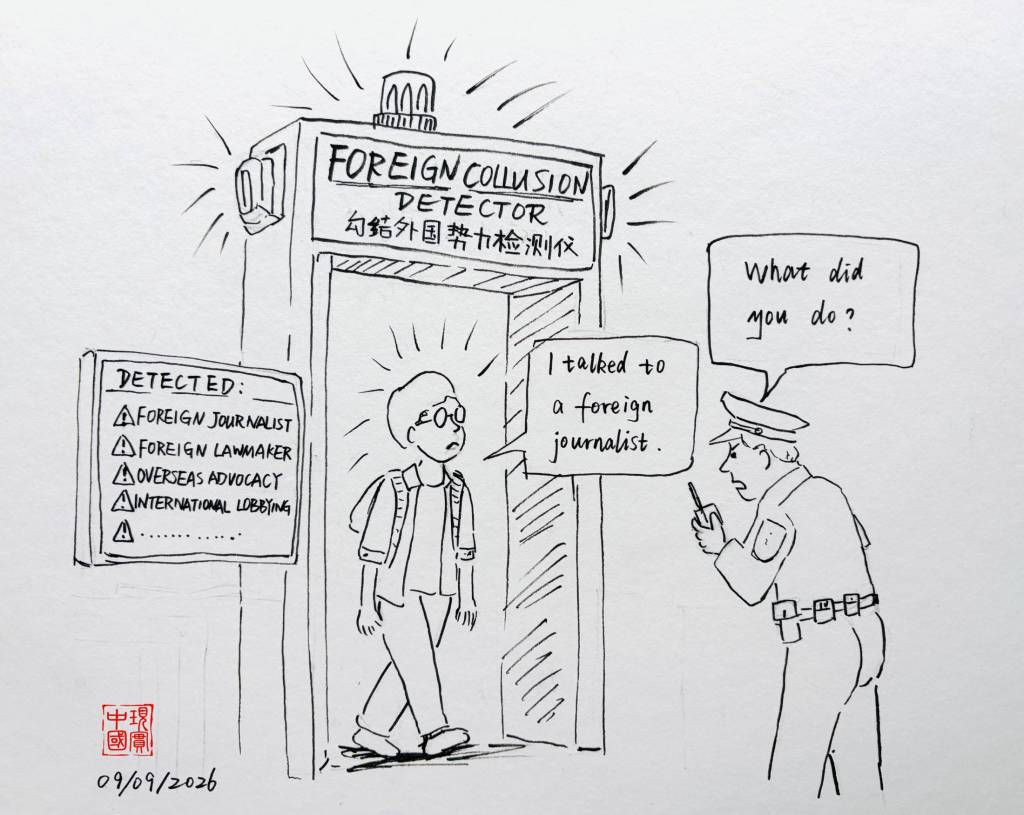
The recent guilty plea of Hong Kong activist Joshua Wong (黄之锋) on charges of “collusion with foreign forces” has once again drawn international attention to the city’s changing political landscape. According to prosecutors, the case centers on Wong’s efforts to lobby foreign lawmakers and governments to place pressure on Hong Kong and Beijing over democratic reforms.
Supporters argue that engaging with foreign politicians, journalists, and international organizations has long been a common practice among activists around the world. They see such outreach as a way to raise awareness of local issues and seek international support. Critics of the campaign, however, view foreign lobbying as interference in domestic affairs and believe it can threaten national sovereignty.
The case highlights a broader debate about the boundaries between political advocacy and national security. In recent years, Hong Kong’s political environment has changed significantly under the National Security Law. Activities that were once considered part of normal political discourse are now subject to far greater scrutiny.
Beyond the legal arguments, the case raises a larger question that extends far beyond Hong Kong: when does communication with the outside world become a security concern, and who gets to decide where that line is drawn? The answer will continue to shape discussions about freedom, sovereignty, and political participation for years to come.
Click HERE for the news report.
Discover more from The Truth Of China
Subscribe to get the latest posts sent to your email.

