Hong Kong Targets Activist’s Family in National Security Case

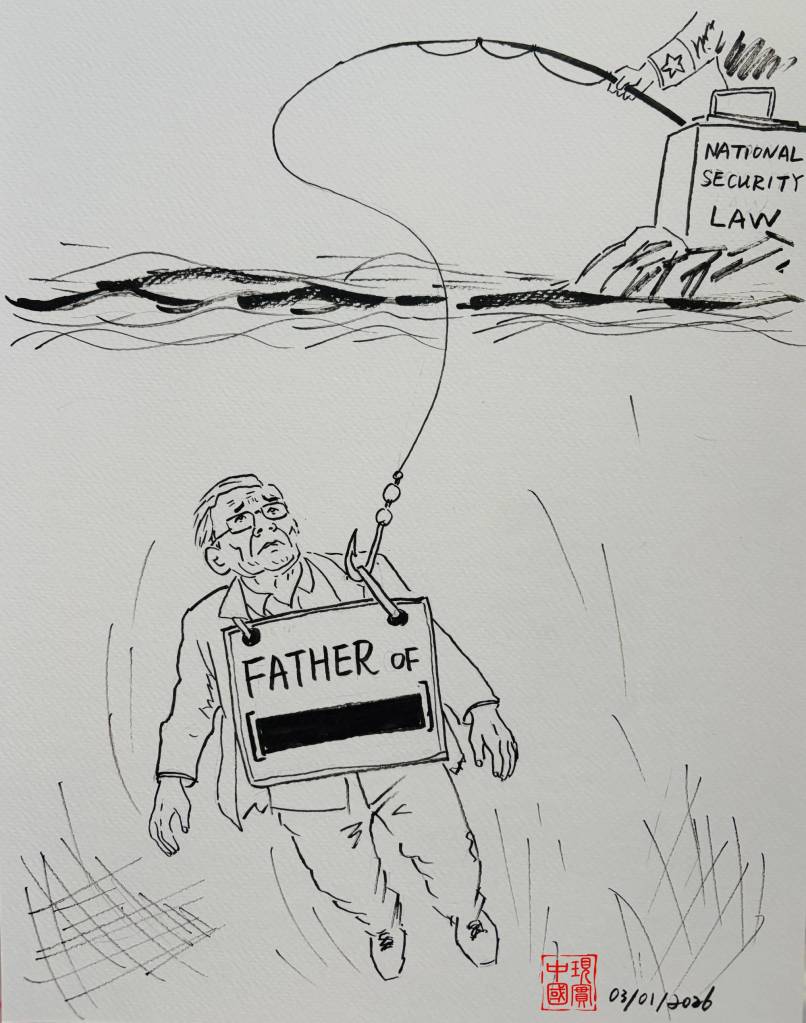
Father of Redacted

A Hong Kong court has convicted Kwok Yin-sang, the father of overseas activist Anna Kwok, in a national security case that human rights groups say reflects an expanding strategy of pressuring dissidents through their families.

Kwok Yin-sang, 68, was found guilty of handling funds linked to his daughter, whom authorities have designated an “absconder” after she fled Hong Kong in 2020. Prosecutors argued the actions were illegal under national security rules. He faces up to seven years in prison, with sentencing scheduled for February 26.

Anna Kwok became a prominent pro-democracy figure during and after the 2019 protests. She helped organize crowdfunding campaigns that financed newspaper ads critical of the Hong Kong government. After leaving Hong Kong in 2020, she took on a leadership role as director of the Hong Kong Democracy Council, a Washington-based advocacy group.

Her activism continued to draw attention from authorities. She publicly urged the U.S. government to block Hong Kong leader John Lee from attending the 2023 APEC summit in San Francisco, and she traveled to the event to protest the presence of Chinese President Xi Jinping—actions that further elevated her profile in exile.

The case against her father centers on a life insurance policy purchased for her when she was a child. Authorities say it became her property when she reached adulthood, while her lawyers dispute that interpretation. Since his release on bail in May, Kwok Yin-sang has been barred from contacting his daughter.

Anna Kwok said she has had no communication with her father since then and has relied on media images to understand his condition. She described the prosecution as an attempt to exert emotional pressure through family ties.

Human rights groups, including Human Rights Watch, condemned the ruling as a form of “collective punishment.” Analysts also note similar pressure on relatives of other overseas activists, including Frances Hui and Carmen Lau.

The case unfolds amid broader crackdowns on dissent, alongside high-profile prosecutions such as media tycoon Jimmy Lai, highlighting Hong Kong’s continued use of national security laws against pro-democracy figures.

Click HERE for news report.

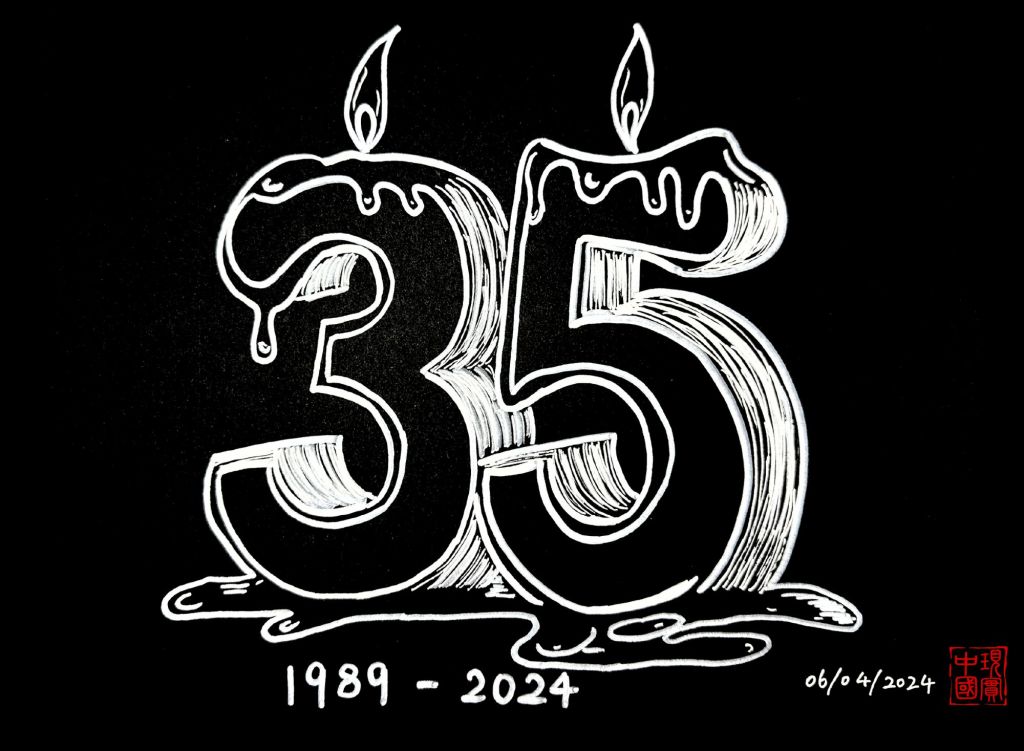
Remembering Tiananmen Massacre: 35 Years On

As we mark the 35th anniversary of the Tiananmen Square massacre, it’s a somber moment to reflect on a pivotal event in modern history. On June 4, 1989, peaceful protests in Beijing demanding democratic reforms met a tragic end as Chinese authorities cracked down with force, resulting in countless deaths and injuries.

The memory of those brave individuals standing for freedom and democracy resonates globally, reminding us of the enduring struggle for human rights. Despite efforts to suppress the truth, the spirit of Tiananmen lives on through the courage of those who continue to seek justice and accountability.

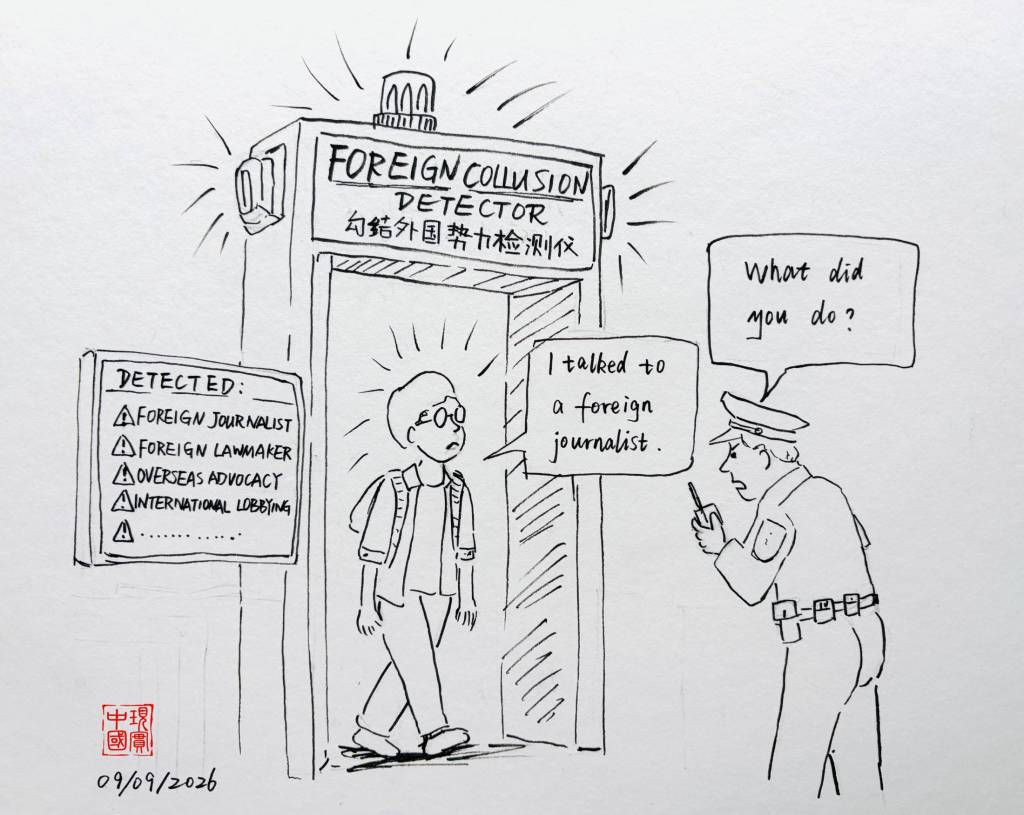
Hong Kong’s National Security Trial: A Turning Point in Democratic Dissent

In a landmark ruling on Thursday, a Hong Kong court sentenced dozens of prominent democracy activists and leaders to potential life imprisonment, marking a severe crackdown under Beijing’s imposed national security law. The charges stem from organizing primary elections to enhance their chances in city-wide elections, deemed by authorities as a conspiracy to subvert state power.

Among the convicted are figures like legal scholar Benny Tai and protest leader Joshua Wong, whose activism symbolized Hong Kong’s vibrant political landscape. The verdict underscores Beijing’s use of broad powers to suppress dissent, turning these activists into political prisoners, some of whom were lawmakers since Hong Kong’s handover to China in 1997.

Most of the defendants have spent at least the last three years in detention ahead of and during the 118-day trial. It highlight a fundamental shift in Hong Kong’s political environment, where even mild opposition activities are no longer tolerated. Critics argue that the government’s prosecution of nonviolent electoral preparations undermines the city’s once-celebrated judicial independence and freedom of elections.

As Hong Kong faces its most significant political challenge in decades, international observers view these trials as a litmus test for Hong Kong’s judicial independence and fear a chilling effect on free speech and dissent.

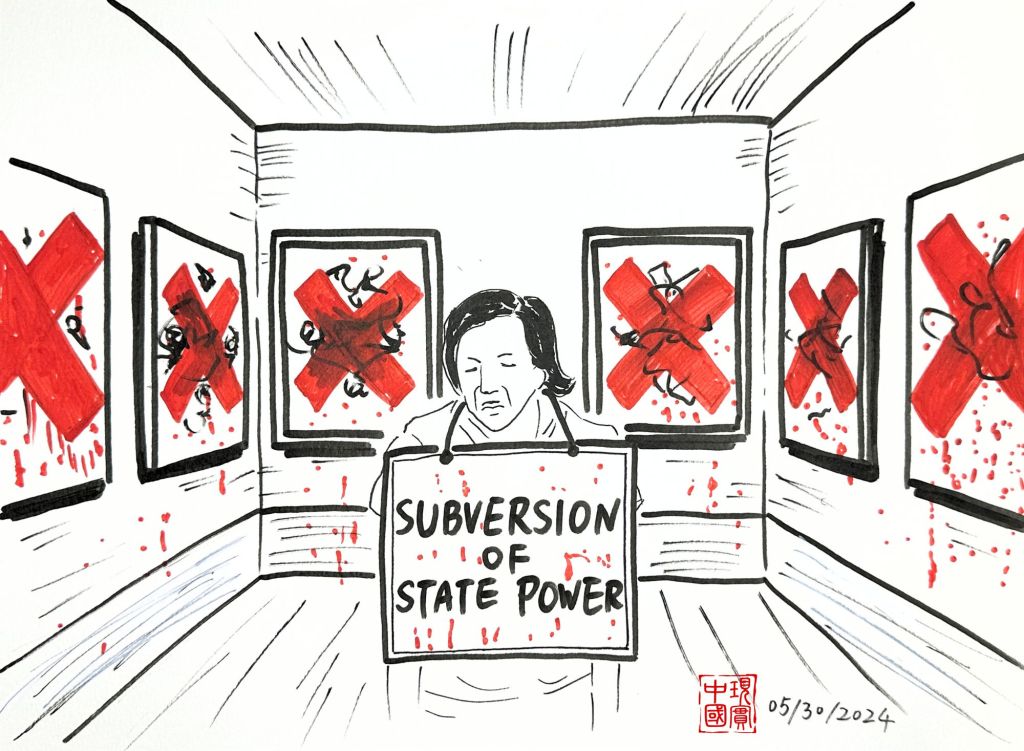
Remembering Yan Zhengxue: Art and Activism Against Suppression

Renowned mainland dissident artist Yan Zhengxue passed away early Tuesday morning in Beijing at the age of 80. Yan, a staunch advocate for vulnerable communities’ rights, faced forced labor, secret detention, and a three-year prison sentence in 2006 for “inciting subversion of state power.” His sculptures, including one of Lin Zhao, executed during the Cultural Revolution, were deemed too sensitive for public display, shrouded in curtains during exhibitions. Despite government suppression, Yan’s art persisted, urging remembrance of China’s tumultuous political history. His passing marks a solemn moment for free expression advocates, echoing the enduring resilience of artists under authoritarian regimes.

相关中文报道