
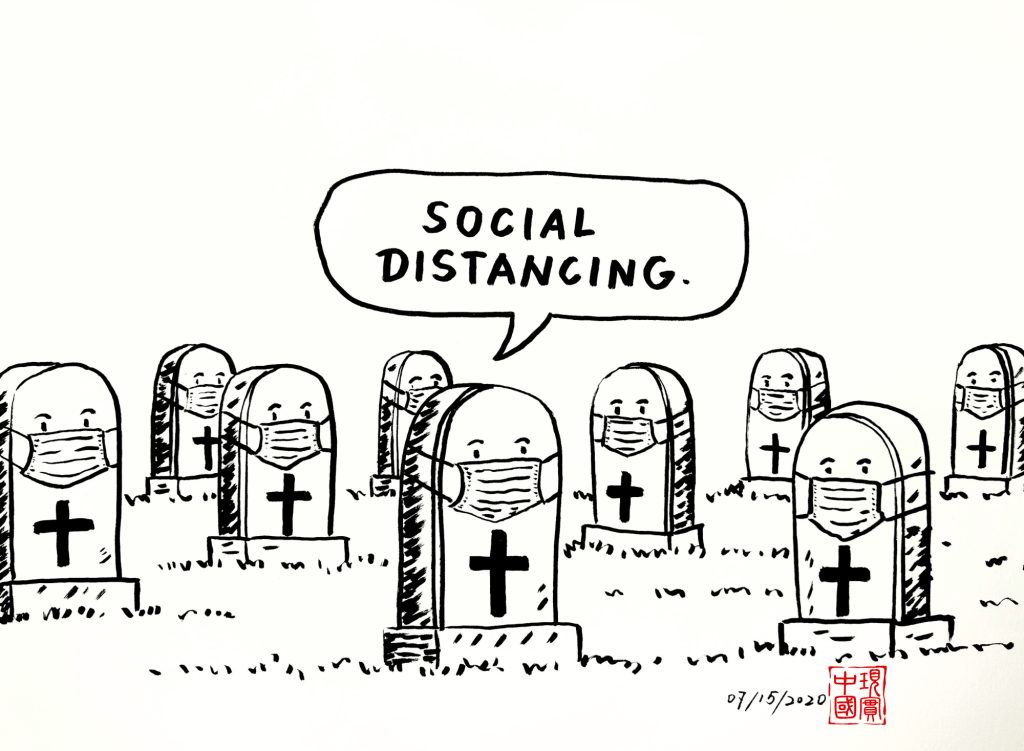
Social distancing has become a defining feature of our lives, significantly altering our daily routines and interactions. Designed to prevent the spread of the coronavirus, social distancing has turned bustling cities into quiet zones, with empty streets and closed businesses. Parks and playgrounds, once full of life, now stand silent.
Social interactions have been drastically affected. Gatherings with friends and family are rare, often replaced by virtual meetups. Hugs and handshakes are distant memories, replaced by awkward waves and elbow bumps. Celebrations like birthdays and weddings have been postponed or downsized, leading to feelings of loss and isolation.
Education has also shifted dramatically. Schools and universities have moved online, creating challenges for students and teachers. The lack of face-to-face interaction has highlighted the digital divide, leaving many students struggling to keep up.
Remote work has become the norm for many, bringing both flexibility and challenges. The lack of separation between home and work, along with endless virtual meetings, has increased burnout and fatigue.
Mental health has suffered too. The constant uncertainty and isolation have led to higher levels of anxiety and depression, emphasizing the importance of human connection. Even funerals have been affected. Restrictions have prevented loved ones from gathering to grieve together.
Discover more from The Truth Of China
Subscribe to get the latest posts sent to your email.
 The Truth Of China