China’s Ethnic Unity Law and the Push for a Single Identity

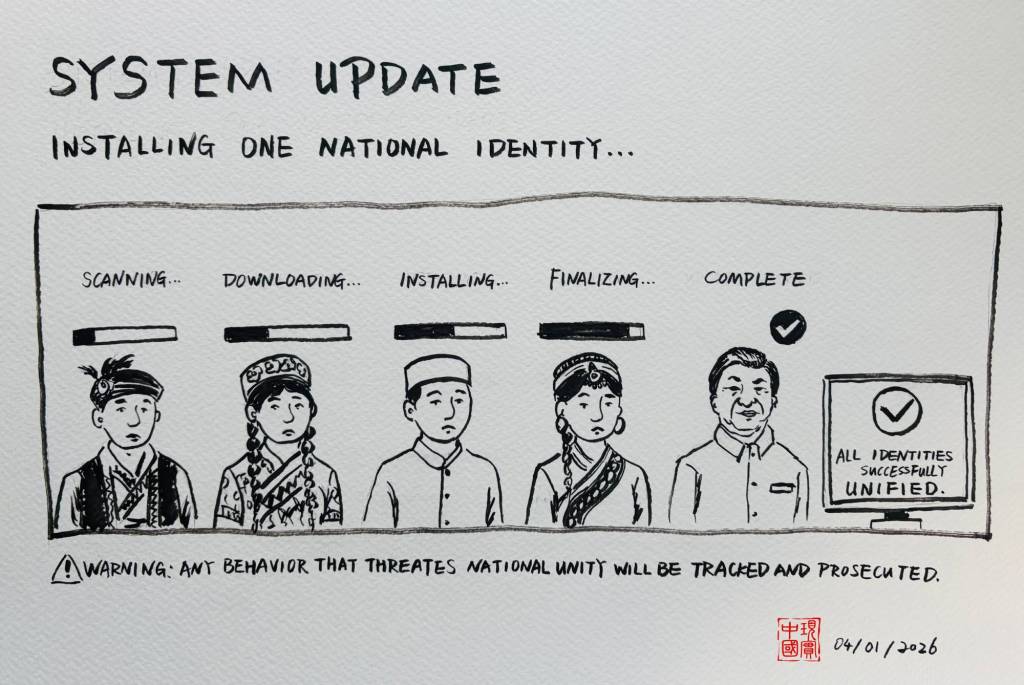
China has formally codified its long-running campaign to reshape ethnic identity into law, marking a major step in President Xi Jinping’s push for a unified national consciousness.

The new “ethnic unity” legislation was passed by China’s national legislature on March 12, 2026, and will take effect on July 1, 2026. It makes promoting national unity a responsibility of all levels of society, including government agencies, businesses, schools, and families.

The law reflects Xi’s broader goal of strengthening a single Chinese identity centered on loyalty to the Communist Party. It spans education, housing, media, and public life. It requires Mandarin Chinese to be the primary language of instruction in schools and official communication, and directs authorities to guide citizens toward “correct views” on history, culture, and religion.

Parents are also instructed to raise children to “love the Communist Party,” while ethnic and religious objections to marriage are prohibited.

Although Beijing says the law protects China’s 56 officially recognized ethnic groups, critics argue it accelerates assimilation into Han cultural norms. The policy builds on earlier restrictions in regions such as Xinjiang and Tibet, where language and cultural autonomy have already been significantly reduced.

Scholars say the legislation formalizes years of policy shifts aimed at strengthening national cohesion, but at the cost of cultural and linguistic diversity. Human rights researchers also warn it expands the state’s authority to pursue individuals abroad deemed to threaten national unity, reflecting a broader trend of transnational repression.
Click HERE for news report.

Uyghur Forced Labor Moves Beyond Xinjiang

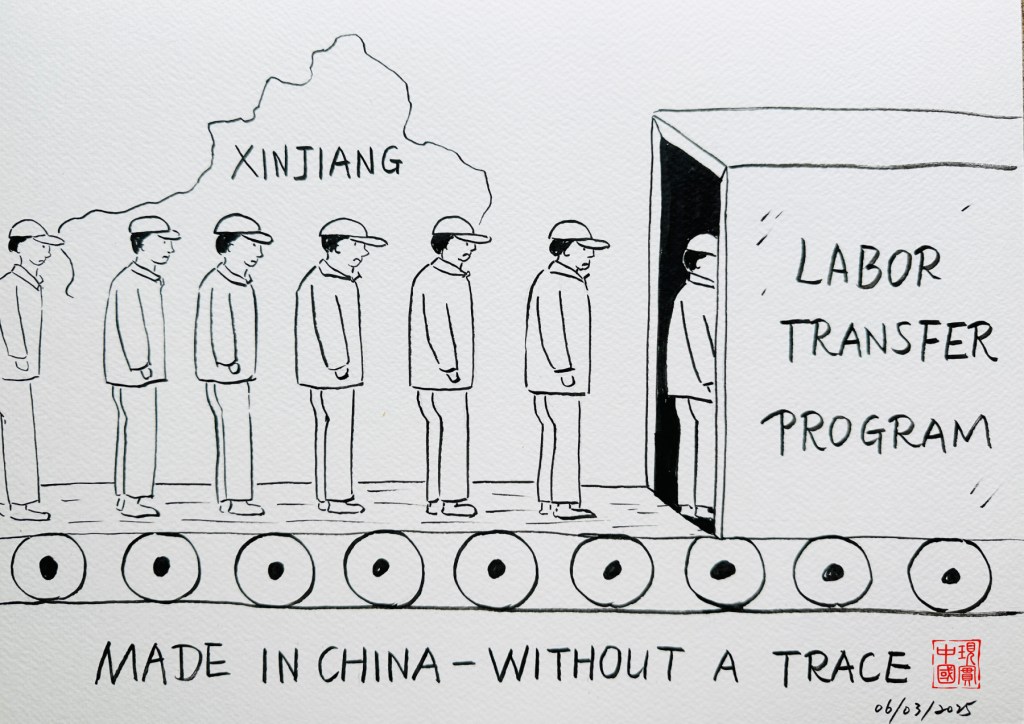
China’s government has expanded a controversial labor program moving Uyghur workers from Xinjiang to factories across the country. While officials frame these transfers as voluntary employment opportunities aimed at poverty reduction, investigations reveal a more coercive reality. Workers, often leaving home under government supervision, are assigned to factories producing goods for international brands, from appliances to automotive parts.

Reports indicate that tens of thousands of Uyghurs are affected, living in segregated dormitories and monitored closely, with restricted freedom of movement. Despite legal bans in the U.S. and EU on importing goods made with forced labor from Xinjiang, tracking products made outside the region has proven difficult. This loophole allows China to continue supplying global markets while circumventing human rights laws.

Experts warn that these labor transfers are part of a broader strategy of social control, aiming to disperse Uyghur communities and limit cultural expression. 

Click here for related report.

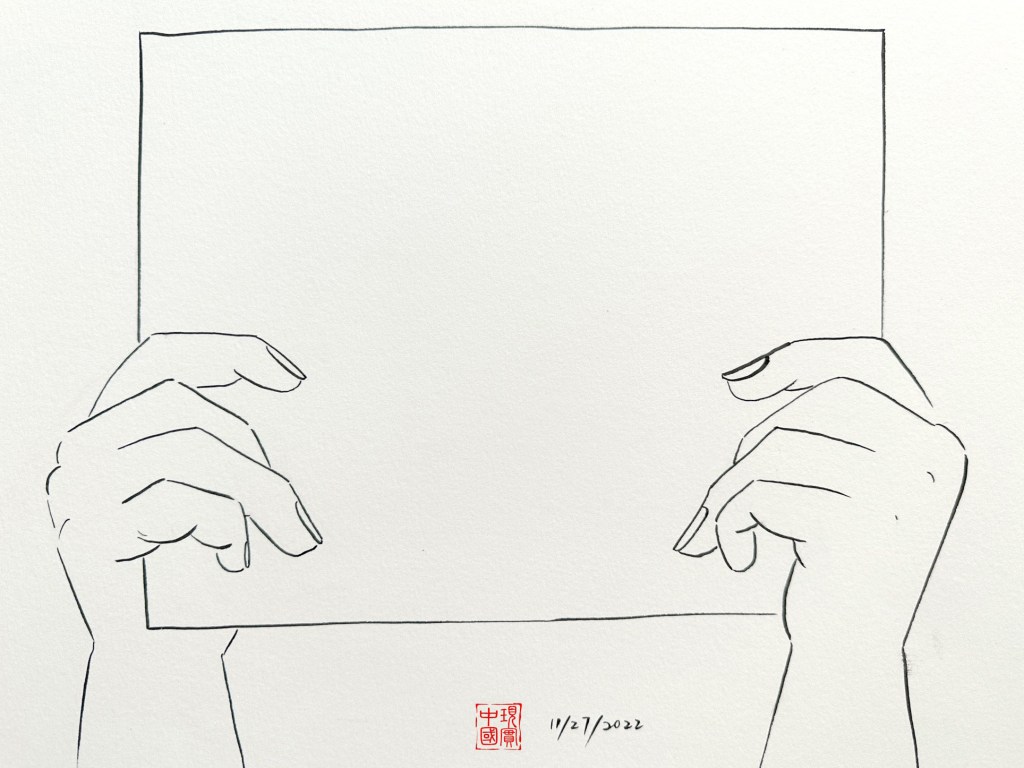
Blank paper speaks louder than a thousand words

Blank-paper Protest

On November 24th, at least 10 people died in a high-rise fire in Urumqi, the regional capital of Xinjiang. It was widely believed that Covid restrictions prevented the victims from escaping.

As China’s harsh Covid rules extend into the third year, frustration and desperation with lockdowns, quarantines and mass testings that have upended everyday life, have caused anger and defiance across china. This fire in Urumqi has pushed people’s anger even deeper. For the past a few days, demonstrators appeared in cities and on college campuses, most of them holding a blank sheet of A4 paper, a symbol of protest against Covid policies or even denouncing the Communist Party and its leader, Xi Jinping.

There is definitely nothing on the paper, but we know what’s on there. Leaving things unsaid, a sheet of blank paper expresses even more than words can do. It represents everything we want to say but cannot say.