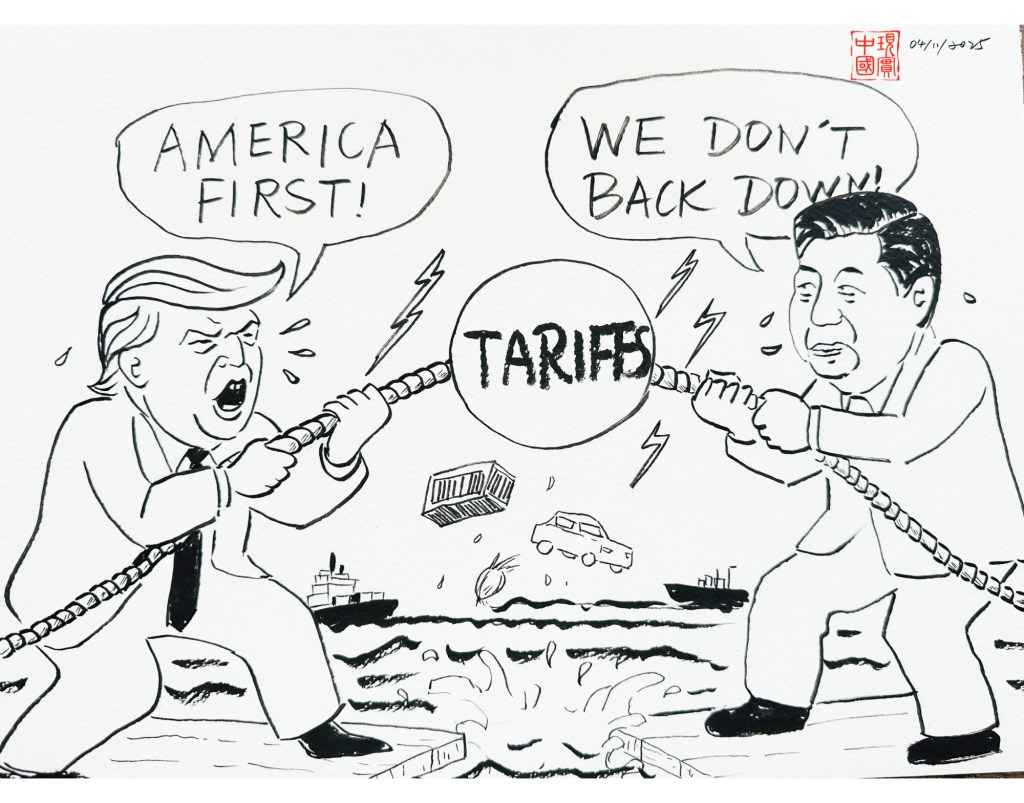
The U.S.–China trade war entered another round as Washington confirmed that nearly all Chinese exports now face a minimum tariff of 145%, with additional duties on key sectors such as automobiles, steel, and aluminum. In response, Beijing raised its tariffs on American goods from 84% to 125%, marking its third retaliatory move in just weeks.
What began as a dispute over “fair trade” has turned into a high-stakes tug-of-war, with neither side willing to let go. Trump insists on “America First,” while Xi warns that “no one wins a tariff war.” Meanwhile, businesses on both sides are cutting orders, global markets are on edge, and the rest of the world is left wondering whether this contest is about economic strategy or political theater.
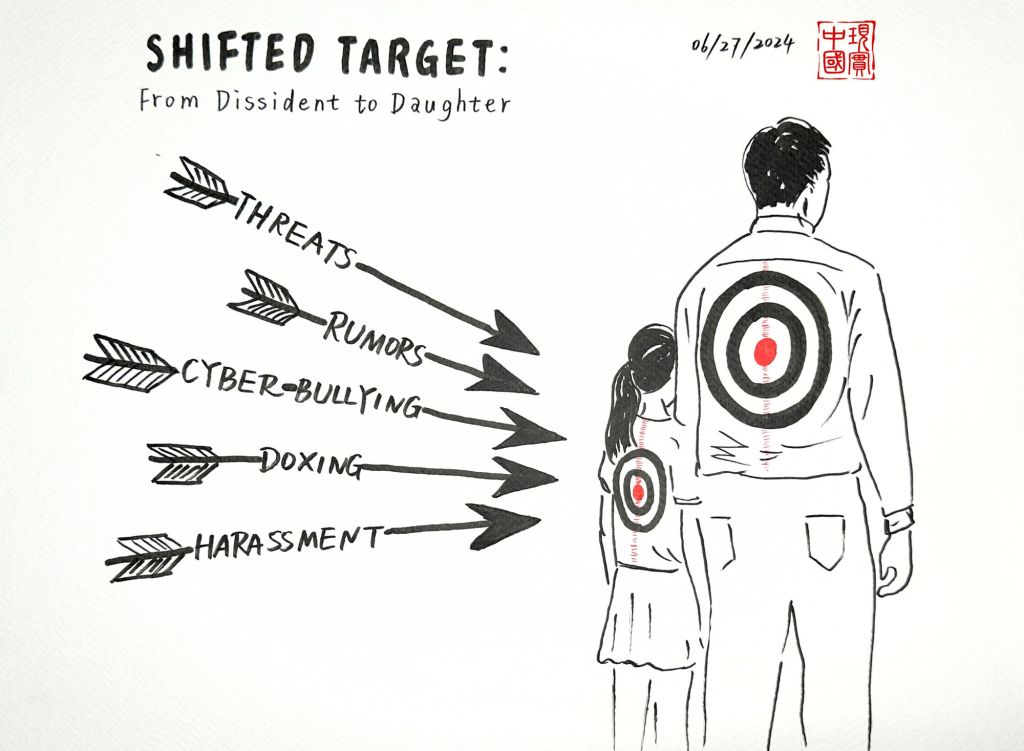
Living in the suburbs of Philadelphia, the prominent Chinese exile writer Deng Yuwen frequently criticizes China and its authoritarian leader, Xi Jinping. Recently, China’s response has been severe, launching aggressive and malicious attacks against his daughter online.
Research by Clemson University and Meta, the parent company of Facebook and Instagram, reveals that a secret propaganda network, possibly linked to China’s security apparatus, has targeted Deng Yuwen and even his teenage daughter on popular social media platforms. These attacks involve posts filled with sexual innuendos and threats, posted by fake identities. They appear in replies to Deng’s posts on platform X and comments on public school accounts in his community, falsely accusing his 16-year-old daughter of drug use, arson, and prostitution.
“Blocking isn’t effective,” Deng Yuwen remarked in an interview about the relentless online assaults. “Today you block it, tomorrow it resurfaces under a new alias.”
Researchers note that crude comments targeting Deng’s daughter have also appeared on Facebook community pages, as well as platforms like TripAdvisor, local news site Patch, and school rating site Niche. This harassment fits a pattern of cyber intimidation that has raised alarms in Washington, Canada, and beyond, highlighting China’s increasingly brazen attacks abroad.
For Deng Yuwen and his family, these attacks represent an escalation. Despite federal laws prohibiting severe online harassment or threats, China’s actions continue unchecked, reflecting a growing concern over its global influence and tactics aimed at stifling dissent, even beyond its borders.
In a Beijing police station, walls are covered with papers, each representing a building in a large residential area. These papers list residents’ names, phone numbers, and other details, with color codes indicating their risk levels. Green means safe, yellow means to be watched, and orange signifies strict monitoring. A police officer marked a third-floor apartment in yellow, noting its high turnover and labeling it as “high risk” for follow-up.
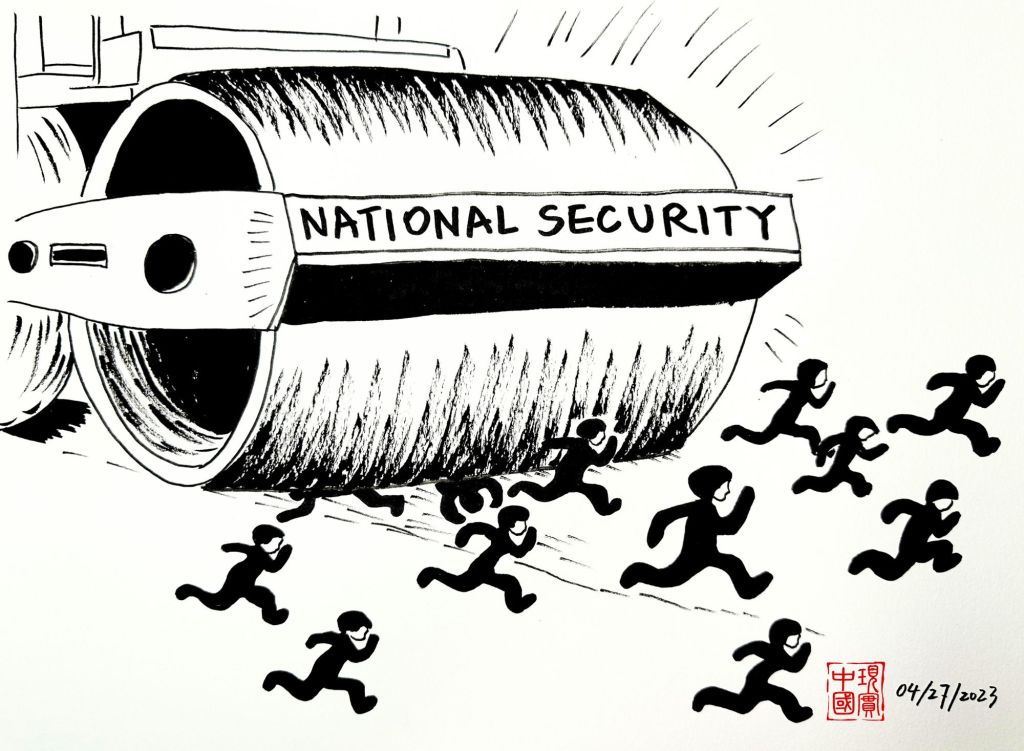
This meticulous surveillance is a cornerstone of Xi Jinping’s grassroots governance strategy: more visible, invasive, and vigilant against real or perceived threats. Police officers immerse themselves in communities, understanding neighborhood disputes and recruiting retirees as extra eyes and ears. Employers are required to appoint “security advisors” to report regularly to the police.
Historically, the Chinese Communist Party (CCP) has implemented extensive surveillance on activists and dissenters. During the COVID-19 pandemic, this surveillance expanded to track nearly every urban resident. Xi Jinping aims to make this control permanent, embedding the Party deeply into daily life to prevent any disruptions, no matter how minor or non-political.
This approach, known as the “New Era Fengqiao Experience,” revives a method from Mao’s era where citizens were mobilized to publicly shame and control class enemies. Xi frequently references Fengqiao to highlight the Party’s commitment to addressing people’s needs, despite suppressing free speech and dissent.
This strategy aims to strengthen Beijing’s ability to quash dissent amid growing economic challenges and social unrest, solidifying the Party’s control and extending its reach into every aspect of citizens’ lives.
At China’s 13th National Women’s Congress, the spotlight was on male leaders, with Xi Jinping prominently seated at the opening ceremony. The state media highlighted his presence, signaling the Communist Party’s stance on women’s issues. This year, notably, no women were included in China’s top leadership for the first time in two decades, underscoring a symbolic but significant shift.
Xi Jinping’s emphasis on traditional family values like promoting marriage and childbirth reflects a broader strategy amid China’s demographic challenges. The declining birth rate has prompted drastic measures to reverse the trend, including cash incentives and tax breaks. Yet, critics argue this focus sidelines broader gender equality issues, relegating women to traditional roles rather than acknowledging their contributions in the workplace.
While Xi Jinping acknowledges gender equality in principle, his recent speeches have predominantly focused on familial duties, signaling a regression from previous platforms advocating for women’s empowerment and self-fulfillment. This shift raises concerns among Chinese women who have long fought against societal pressures and government policies that restrict their freedoms and rights.
The congress’s discussions highlighted the government’s preference for reinforcing traditional values to address economic and demographic concerns, potentially sacrificing women’s progress in the process. As China navigates its most significant economic challenges in decades, the role of women in shaping its future remains a contentious issue.
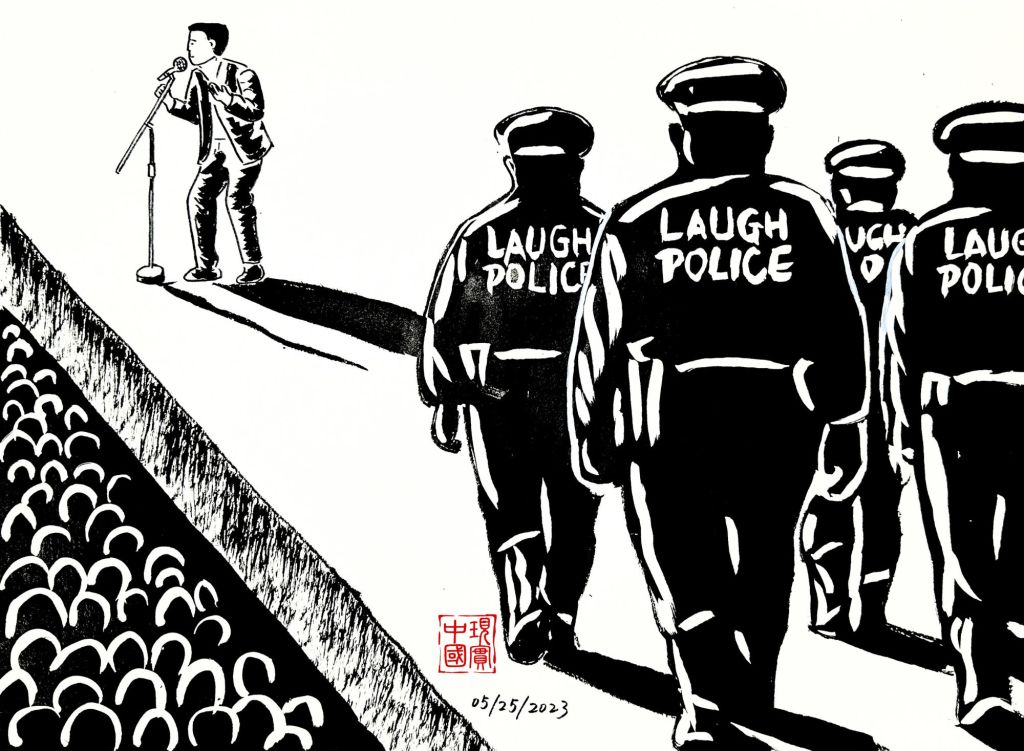
In recent days, China has witnessed a wave of performance cancellations across the country. A Japanese monk singer called off his tour, several cities halted stand-up comedy shows, and Beijing bars canceled jazz performances. Over a span of just a few days, more than a dozen shows were abruptly canceled, some mere minutes before they were scheduled to start, with little to no explanation provided.
These cancellations followed a significant fine imposed on a Chinese comedy studio in Beijing. The studio was fined 13.35 million yuan after the government accused one of its comedians of insulting soldiers in a joke. In a northern city, police also detained a woman for defending the comedian online. These actions highlight the increasing scrutiny faced by China’s creative industries.
Chinese President Xi Jinping has intensified the control over art and culture as part of an ideological campaign, urging artists to align their work with the Communist Party’s goals. Performers must submit scripts for review, and publications are closely monitored. In a letter to the National Art Museum of China on its 60th anniversary, Xi emphasized the need to “maintain the correct political direction.”
This heightened emphasis on controlling art and culture aligns with Xi’s broader focus on national security and eliminating foreign influences. Recently, authorities have raided Western consulting firms and expanded anti-espionage laws.
The crackdown also extended to live performances involving foreign artists, resulting in canceled shows for rock bands, jazz musicians, and rappers across major cities like Beijing, Shanghai, and Guangzhou. Cancellations were often attributed to “force majeure,” a term commonly used to imply government pressure.
Many observers see this as part of a larger strategy to tighten control over cultural expression amid deteriorating relations with the West. As Xi’s China becomes increasingly paranoid, cultural activities, including comedy and music, are becoming battlegrounds for ideological control.
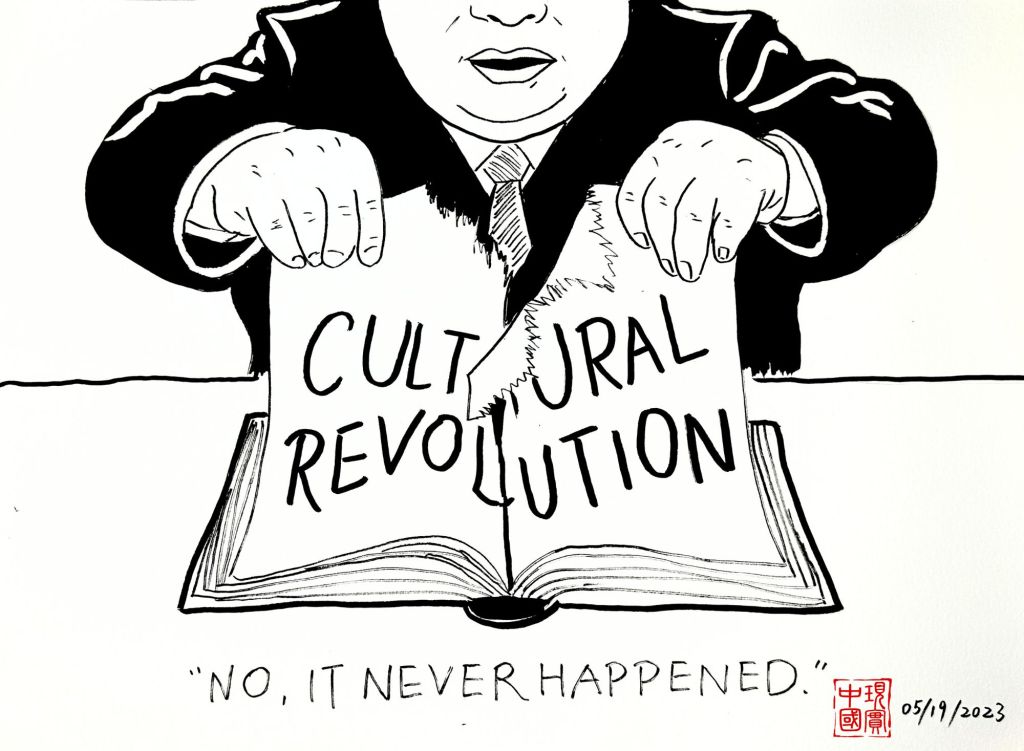
The Cultural Revolution, occurring from 1966 to 1976, caused an estimated 1.6 to 2 million deaths and left lasting trauma on generations. Under Mao Zedong, this movement aimed to eliminate non-Communist elements in Chinese society but ended up overturning revered institutions. Teachers and schools were stigmatized, books were burned, museums looted, and private art collections destroyed. Intellectuals were tortured.
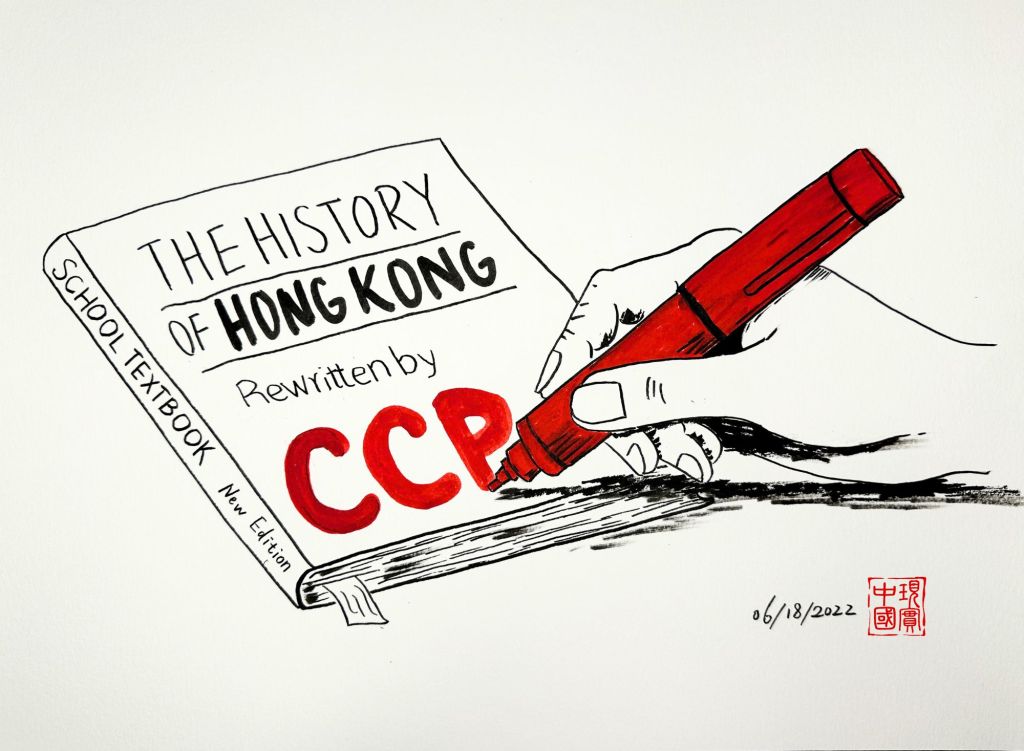
In China, where information is often controlled, history is continually rewritten. Recent government actions, like censoring COVID-19 research and altering textbooks on Hong Kong’s colonial history, threaten to erase the Cultural Revolution from collective memory. This rewriting endangers the country’s future.
The Chinese government has never been keen on preserving the memory of those dark years. Museum exhibits often skipped over those years or briefly mentioned them in a muted tone.
Chinese authorities have confirmed the detention of Taiwanese publisher Li Yanhe, known by pen-named Fu Cha, on allegations of violating national security laws. This incident has raised fears in Taiwan about Beijing’s intentions towards its vibrant publishing industry.
Li Yanhe, a Chinese citizen who has lived in Taiwan since 2009, runs Gusa Publishing, known for its critical stance against the Chinese Communist Party (CCP). He disappeared shortly after returning to China for a family visit last month, causing alarm among colleagues and friends.
This is a strong blow, creating a chilling effect. Publishers, publishing, and freedom of speech are fundamental indicators of an open society. Convicting someone for publishing books critical of China is unacceptable.
Lee’s detention could further strain the already tense relations between Taiwan and China. Beijing views Taiwan as part of its territory, while many in Taiwan reject this claim, disapproving of Chinese President Xi Jinping’s authoritarian rule, especially after the crackdown on freedoms in Hong Kong.
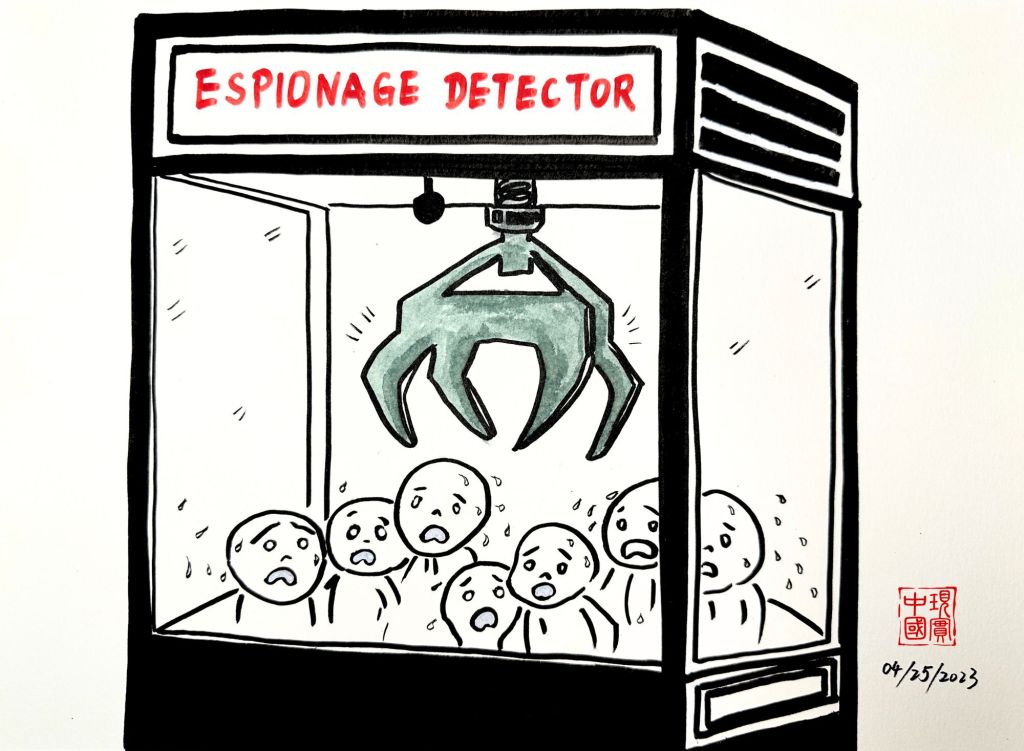
A senior editor from a Chinese Communist Party newspaper, known for his liberal views, is set to face trial in Beijing on espionage charges after being arrested while having lunch with a Japanese diplomat. Dong Yuyu, deputy director of the commentary department and columnist at Guangming Daily, has had extensive interactions with foreigners, including diplomats and journalists, for his writing. His family believes these interactions are now being used against him as evidence of spying for Japan or the US.
Chinese President Xi Jinping has encouraged suspicion of foreign nations, especially the West, and has suppressed liberal views like Dong’s. Dong has contributed to both his own paper and relatively freer Chinese publications, many of which are now banned. He has also written for the New York Times Chinese website. It’s unclear if Dong is being targeted for his liberal views or his foreign contacts, or both. His family, fearing retaliation, has requested anonymity. The only evidence presented so far is his contacts with foreign diplomats and academic scholarships abroad.
Dong was arrested in February last year during a meeting with a Japanese diplomat, who was also detained but released hours later following Japanese government protests. Dong, however, was held in secret for six months before his formal arrest and recent indictment. He faces up to ten years in prison if convicted of espionage, with the trial date unknown and proceedings held in secret.
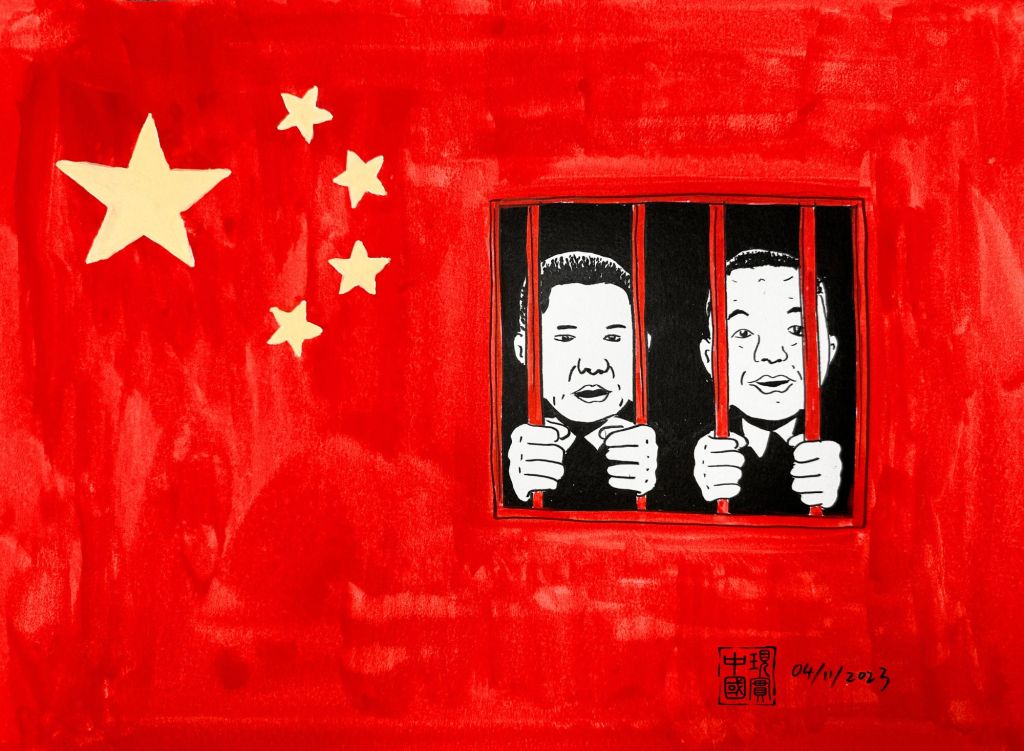
On Monday, two of China’s most prominent human rights lawyers were sentenced to 14 and 12 years in prison, respectively. These are the harshest sentences in such cases in recent years, indicating that the space for free expression has vanished under the leadership of President Xi Jinping. Lawyers Xu Zhiyong and Ding Jiaxi were convicted of subverting state power due to their advocacy for the so-called “New Citizens’ Movement,” which encourages ordinary Chinese citizens to exercise their constitutional rights to freedom of speech and other liberties, at least in theory. They were detained after organizing a gathering of about 20 lawyers and activists in the coastal city of Xiamen in 2019, where they discussed plans to achieve these goals and the future of China’s rights movement.
During his first decade as China’s top leader, Xi Jinping has effectively suppressed the remaining dissent. He has targeted not only activists but also business tycoons, intellectuals, and elite members of the party, with some receiving prison sentences of nearly 20 years. Xi has also expanded internet censorship and demanded loyalty from the media.
The trial was conducted in secret at a court in eastern Shandong province.
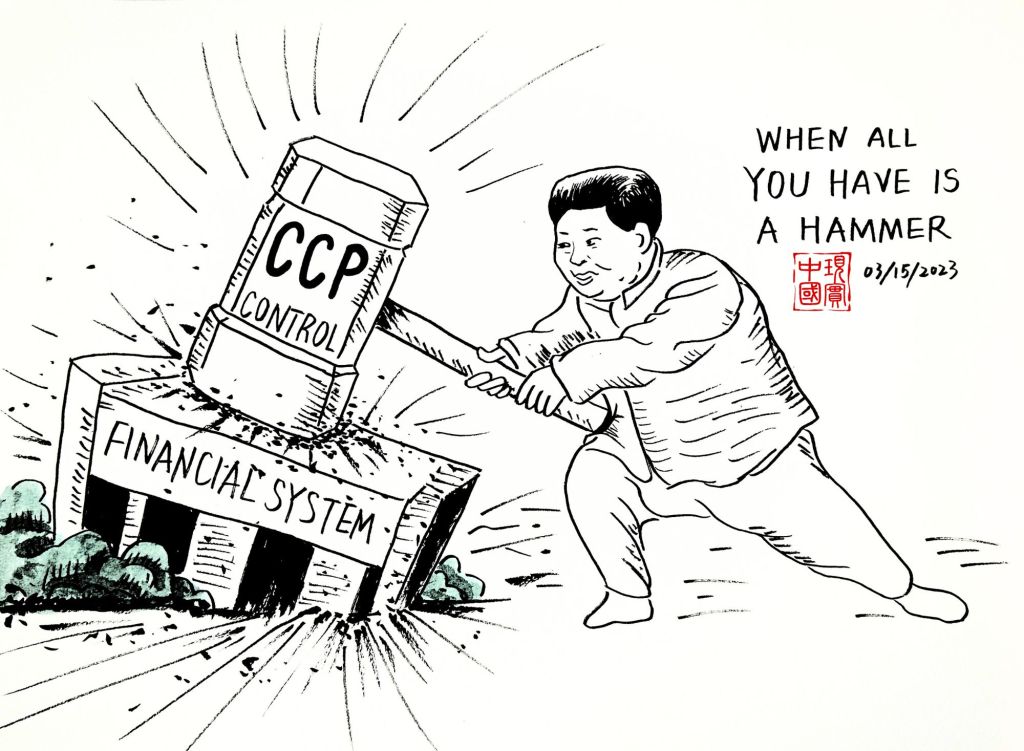
To a man with a hammer, everything looks like a nail. Now, as China faces economic slowdowns, a real estate crisis, and heavy local government debt, Xi is once again wielding his hammer.
At the recent National People’s Congress (NPC), Xi introduced sweeping reforms to China’s regulatory framework, giving the CCP more direct control over financial policy and banking regulation. In the coming days, Xi’s loyalists are expected to be appointed to key regulatory positions, further solidifying CCP’s grip on the financial system.
These reforms align with Xi’s approach over the past decade: centralizing power within the CCP. As China’s economic growth slows, ensuring the financial sector aligns with his vision is crucial. Xi needs bankers to allocate funds according to government directives, prevent capital from flowing abroad, and avoid excessive lending that could jeopardize the financial system.
Last month, China’s top anti-corruption body issued a stern warning to bankers about ignoring the CCP’s leadership in financial work. This warning hints at structural reforms in financial regulation. The establishment of the new National Financial Regulatory Administration to oversee China’s massive financial system marks a significant shift in governance.
Heads are already starting to roll. Bao Fan, a prominent investment banker and chief executive of China Renaissance Holdings, vanished last month. After initially saying that it was unable to contact Mr. Bao, China Renaissance said it had learned that the banker was cooperating with an investigation being carried out by certain Chinese authorities.
By tightening control over the financial sector, Xi is guiding China further away from the market-driven economy that fueled its rise, towards a model where the CCP has an unchallenged influence over all aspects of the economy.
On Friday, Xi Jinping began his new term as President of China, solidifying his position as the country’s most powerful leader in decades.
In 2018, Xi Jinping pushed for a constitutional amendment to remove the two-term limit for the presidency, paving the way for his third term. During that session, three National People’s Congress deputies abstained, and two others bravely opposed the amendment.
Last October, Xi was re-elected as General Secretary. The result of the presidential election, unanimously approved by the legislature controlled by the Chinese Communist Party (CCP), officially confirmed his continued dominance over Chinese politics. He will continue to hold the highest power in the party, military, and government, with no political rivals or prominent potential successors in sight.
As his personal power consolidates, the 69-year-old Xi is positioning himself as the strong leader China needs in a hostile international environment, dismissing criticisms that his authoritarian style is leading the country into more crises.
The CCP’s strict enforcement of the “Zero-COVID” policy has hampered the economy, triggered rare large-scale protests, and heightened investor concerns about China’s long-term growth prospects. Under Xi’s leadership, China’s relations with the West have grown increasingly tense, especially given Beijing’s mounting pressure on Taiwan and its close ties with Russia during the Ukraine war.
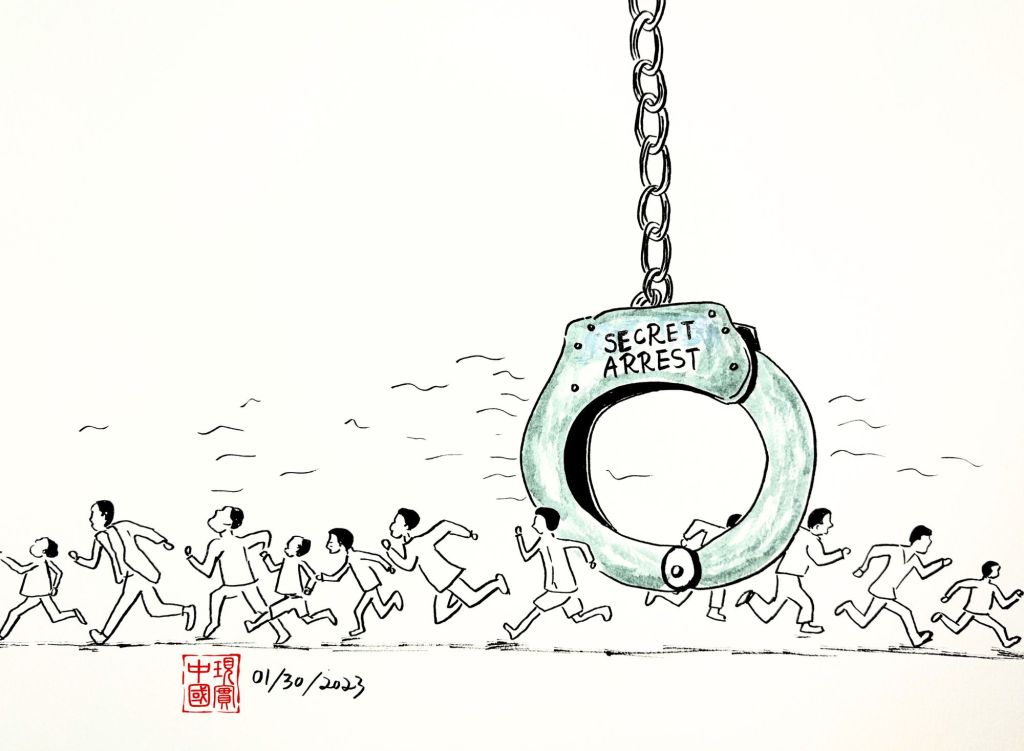
In late November 2022, Beijing saw rare protests against the strict “zero-COVID” policy. The Chinese Communist Party (CCP) quickly responded with its usual tactic of silencing dissent through secret arrests and intimidation, all while attempting to discredit protesters by alleging foreign influence.
The first to be detained were a finance firm employee, a freelance writer, a teacher with a degree in British literature, and an editor at a Beijing publishing house. These four women, friends who shared interests in social issues like feminism and LGBTQ rights, participated in the November protests and were swiftly arrested.
These arrests are part of a broader strategy by the CCP to intimidate and warn those who might be inspired by the recent surge of public discontent. The protests posed a significant challenge to the CCP’s rule and embarrassed President Xi Jinping.
Despite the government’s efforts to keep these actions under wraps, news of the arrests has spread among those involved in the protests. The CCP has avoided officially announcing these arrests to prevent further public outrage but has ensured that the message is clear: even peaceful expression of dissent will not be tolerated, and those who challenge the government face severe personal risks.
The Beijing protests began as a vigil for victims of a deadly fire in Xinjiang, which many blamed on the restrictive “zero-COVID” measures. While initial police response during the protests was relatively restrained, it soon escalated. In the following days, police summoned or visited demonstrators, questioning their participation and connections.
One of the detained women, Cao Zhixin, recorded a video before her arrest, expressing her belief in the right to express opinions even in China. Her case, along with the other three women, has highlighted the personal risks of challenging the government.
Authorities have accused these women of using foreign communication platforms and participating in feminist activities, framing their actions as influenced by foreign forces. The charge of “picking quarrels and provoking trouble,” a vague but commonly used accusation, carries a potential five-year prison sentence.
The CCP’s crackdown on these protesters serves as a stark reminder of the risks of dissent in China. The government’s actions aim to ensure that the recent wave of protests does not inspire further public outcry, using fear and repression to maintain control.
Hong Kong—For a long time, the history learned by many schoolchildren around the world was that Hong Kong was a colony of the British Empire. But students in Hong Kong will soon be learning a different lesson: Hong Kong was not a colony.
As Hong Kong prepares to commemorate the 25th anniversary of its return to China on July 1, 1997, this narrative, which denies the British view of its relationship with Hong Kong, will be explicitly taught to Hong Kong high school students through at least four new textbooks to be introduced this fall. These textbooks are part of a broader campaign by China’s top leader Xi Jinping to comprehensively reform Hong Kong’s schools, “protect the minds of young people,” and cultivate loyal, patriotic citizens.
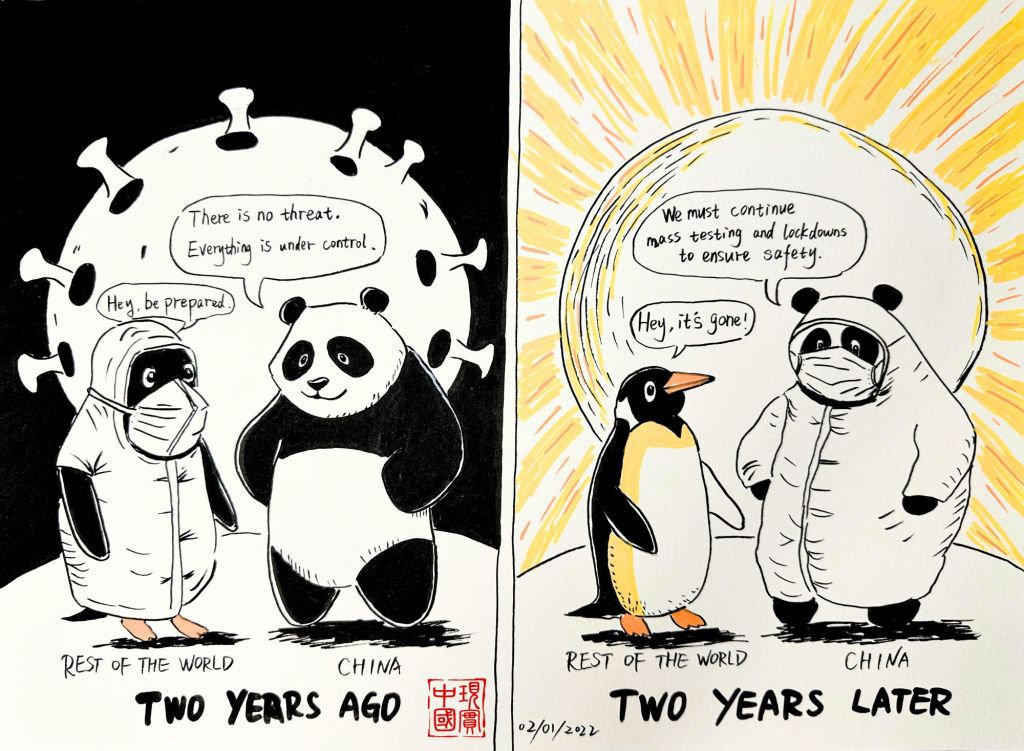
I wish I could say “Happy New Year” to my friends in China, but I know they’re not happy under the oppressive regime of mass testing and forced quarantine that keeps them from being together with their families. It’s hard to believe it’s been two years since Wuhan was first locked down on January 23, 2020, just two days before the Chinese New Year. Yet, most of China remains under stringent restrictions.
In the early days of COVID-19, when the world was grappling with the unknowns of a mysterious pneumonia, the Chinese government stood firm in its denial. The virus, according to official statements, was under control, posing no significant threat. Yet, the world watched as the truth seeped through the cracks of censorship, revealing a different, grimmer reality.
Fast forward two years. While most countries have moved past stringent lockdowns, eased social distancing, and lifted mask mandates, China remains an outlier. The once rigid zero-COVID policy has evolved into a relentless regime of mass testing and forced quarantines. The irony is palpable: the same government that initially downplayed the virus now clings to extreme measures, unwilling to acknowledge the global shift towards coexistence with COVID-19.
This persistence in denial, both at the onset and now, illustrates a troubling pattern. It’s a testament to a government’s refusal to adapt, to admit mistakes, or to change course. As the rest of the world breathes a cautious sigh of relief, China’s citizens are left suffocating under a blanket of outdated policies and endless PCR tests.
Two years ago, the virus’s arrival was denied. Two years later, its departure is met with the same resistance. The tragedy lies not only in the missteps but in the stubborn refusal to learn from them.
Chinese President Xi Jinping called on Monday for national financial regulatory authorities to strengthen control over the internet economy. Chinese tech giants, already heavily suppressed by the government for monopolistic behavior, are likely to face more trouble.
In November, Xu Lin, Deputy Minister of the Central Propaganda Department, publicly stated that China must “resolutely prevent the weakening of the Party’s leadership in the name of integrated development,” referring to media integration, and “resolutely guard against the risk of capital manipulating public opinion.”
The message is clear: only the Party can censor and manipulate public opinion.
Authorities establish cybersecurity police units directly within major internet companies. Countless users have been arrested and imprisoned for criticizing the government on Tencent’s WeChat. ByteDance, the parent company of the video-sharing app TikTok, closely cooperates with police to push official propaganda and cover up human rights abuses in Xinjiang.
Tech company CEOs in China have little room to negotiate or resist regulatory authorities because there is no rule of law and nowhere to appeal in China. No one understands the consequences of deviating from the Party line better than Jack Ma, founder of Alibaba and its affiliate Ant Financial. In November, the initial public offering of Ant Financial was abruptly halted by Chinese regulatory authorities just days before its scheduled listing because Ma had publicly criticized China’s financial regulatory system for stifling innovation in a speech.
After that speech, Ma disappeared from public view until he reappeared in an online video in late January, discussing how to support Xi Jinping’s vigorously promoted rural poverty alleviation economic strategy through philanthropic activities.
In this era of government versus tech giants, we already know which side will prevail in China. Big tech companies are simply no match.





 The Truth Of China