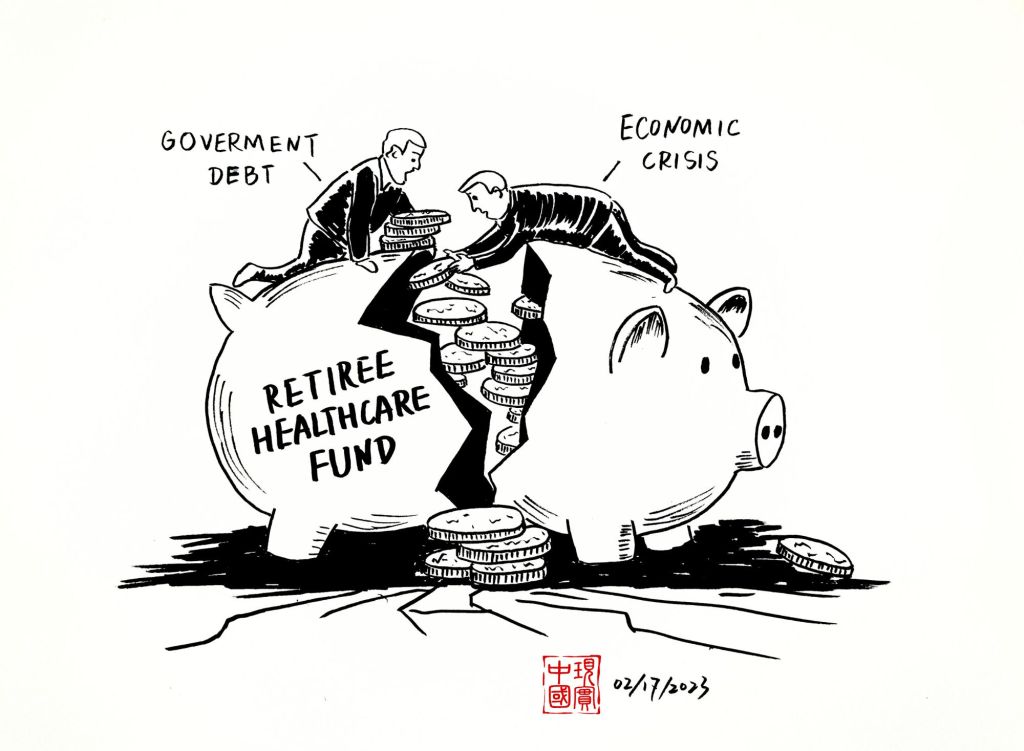
Retirees Protest in Wuhan Over Healthcare Cuts

In a surprising turn of events, thousands of retirees in Wuhan gathered outside a well-known park to voice their frustration over recent cuts to their medical insurance. These senior citizens, facing significant changes to their healthcare benefits, took to the streets to confront local officials and police, highlighting the growing financial strain on China’s local governments.

The scene was a testament to the retirees’ determination: elderly citizens chanting revolutionary anthems like “The Internationale” while police set up barricades to manage the crowds. Despite efforts to disperse them, the retirees stood their ground, refusing to be silenced. One eyewitness described police detaining protestors, showing the intensity of the situation.

Local government officials in Wuhan assured the public that these reforms would ultimately lower personal medical expenses by shifting costs to collective funds. However, this means less money in individual accounts, raising concerns about financial security in old age. These changes are part of a broader strategy, but retirees are understandably worried about their future healthcare finances.

With the real estate market in decline and local governments facing financial challenges, the retirees’ protest underscores the growing social tensions in China. Their demand for fair healthcare benefits is a poignant reminder of the struggles many face in their golden years. And if their demands aren’t met, they’ve already vowed to return next week, showcasing their unwavering spirit and determination.
点此查看相关中文报道

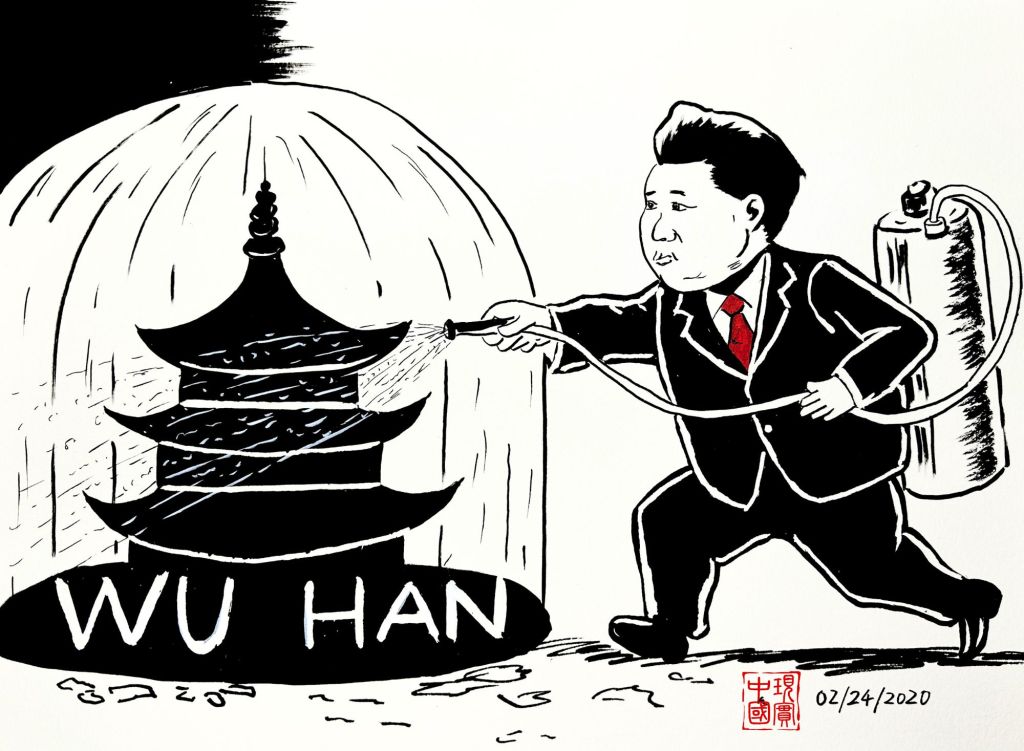
Wuhan Lockdown: An Unprepared Pause on an Entire City

Under the Dome

In late January 2020, the world watched in shock as Wuhan, a city in central China, was abruptly placed under lockdown. This drastic measure, taken in response to the outbreak of a new and rapidly spreading virus, revealed the inhumane and unprepared nature of the government’s response.

At 10 am on January 23, Wuhan announced a lockdown, halting public transportation and closing all outbound travel routes. By 2 pm, highways were also shut down, effectively sealing off a city of about 9 million residents. An additional 5 million people managed to flee before the lockdown took full effect, scattering the virus across the country and even beyond China’s borders.

The timing of this lockdown could not have been more critical. As the Lunar New Year approached, Wuhan’s hospitals were overwhelmed with patients, and social media platforms were flooded with desperate pleas from frontline healthcare workers for protective equipment. The shortage of medical supplies was dire, leaving many vulnerable to infection. In a tragic consequence, bodies of deceased patients remained in hospitals for extended periods due to the sheer number of deaths.

The situation only worsened as Wuhan announced stricter measures, implementing complete residential lockdowns. Residents were confined to their homes, unable to leave except under special circumstances. This led to a surge in distress and panic among the populace, who found themselves trapped without adequate resources or support.

Recent official figures showed a staggering rise in cases, with a peak of 13,436 new confirmed cases in a single day. The total number of infections reached 32,994, with over a thousand deaths, nearly three times the death toll in mainland China during the SARS epidemic.

The Wuhan lockdown highlighted the lack of preparedness and the harshness of the government’s approach. Without proper planning, millions of lives were thrown into chaos, facing shortages of essential supplies and inadequate medical care.