Taiwan Publisher Detained in China, Sparking Concerns

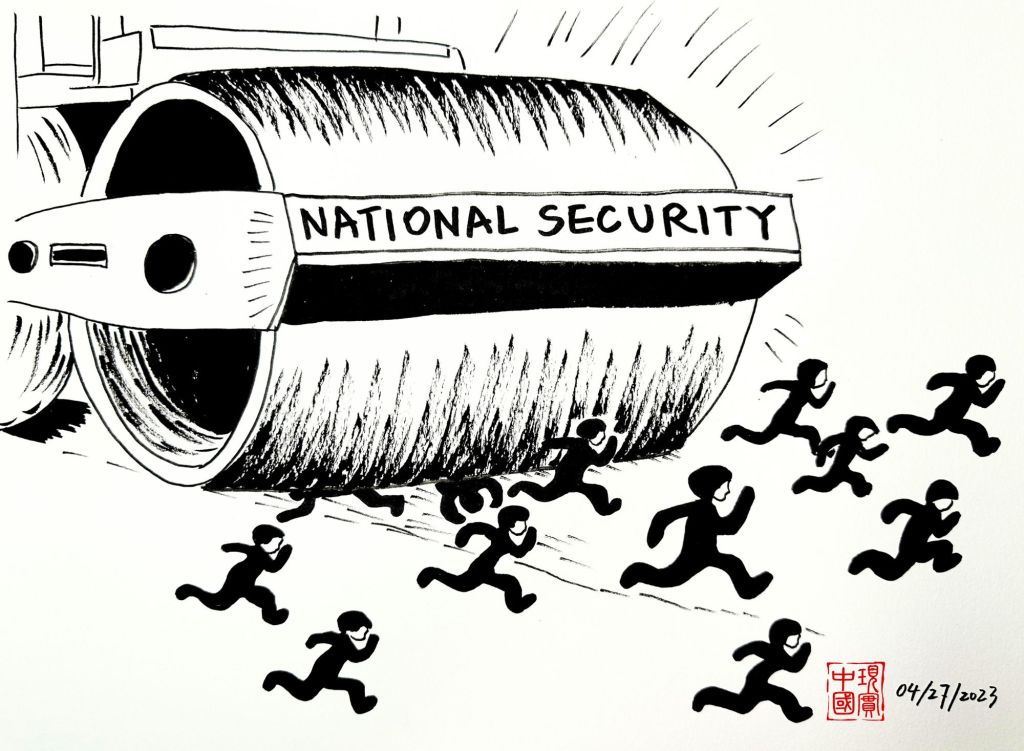
Chinese authorities have confirmed the detention of Taiwanese publisher Li Yanhe, known by pen-named Fu Cha, on allegations of violating national security laws. This incident has raised fears in Taiwan about Beijing’s intentions towards its vibrant publishing industry.

Li Yanhe, a Chinese citizen who has lived in Taiwan since 2009, runs Gusa Publishing, known for its critical stance against the Chinese Communist Party (CCP). He disappeared shortly after returning to China for a family visit last month, causing alarm among colleagues and friends.

This is a strong blow, creating a chilling effect. Publishers, publishing, and freedom of speech are fundamental indicators of an open society. Convicting someone for publishing books critical of China is unacceptable.

Lee’s detention could further strain the already tense relations between Taiwan and China. Beijing views Taiwan as part of its territory, while many in Taiwan reject this claim, disapproving of Chinese President Xi Jinping’s authoritarian rule, especially after the crackdown on freedoms in Hong Kong.

点此查看相关中文报道

Xi Jinping Begins Third Term as President, Strengthening His Dominance

On Friday, Xi Jinping began his new term as President of China, solidifying his position as the country’s most powerful leader in decades.

In 2018, Xi Jinping pushed for a constitutional amendment to remove the two-term limit for the presidency, paving the way for his third term. During that session, three National People’s Congress deputies abstained, and two others bravely opposed the amendment.

Last October, Xi was re-elected as General Secretary. The result of the presidential election, unanimously approved by the legislature controlled by the Chinese Communist Party (CCP), officially confirmed his continued dominance over Chinese politics. He will continue to hold the highest power in the party, military, and government, with no political rivals or prominent potential successors in sight.

As his personal power consolidates, the 69-year-old Xi is positioning himself as the strong leader China needs in a hostile international environment, dismissing criticisms that his authoritarian style is leading the country into more crises.

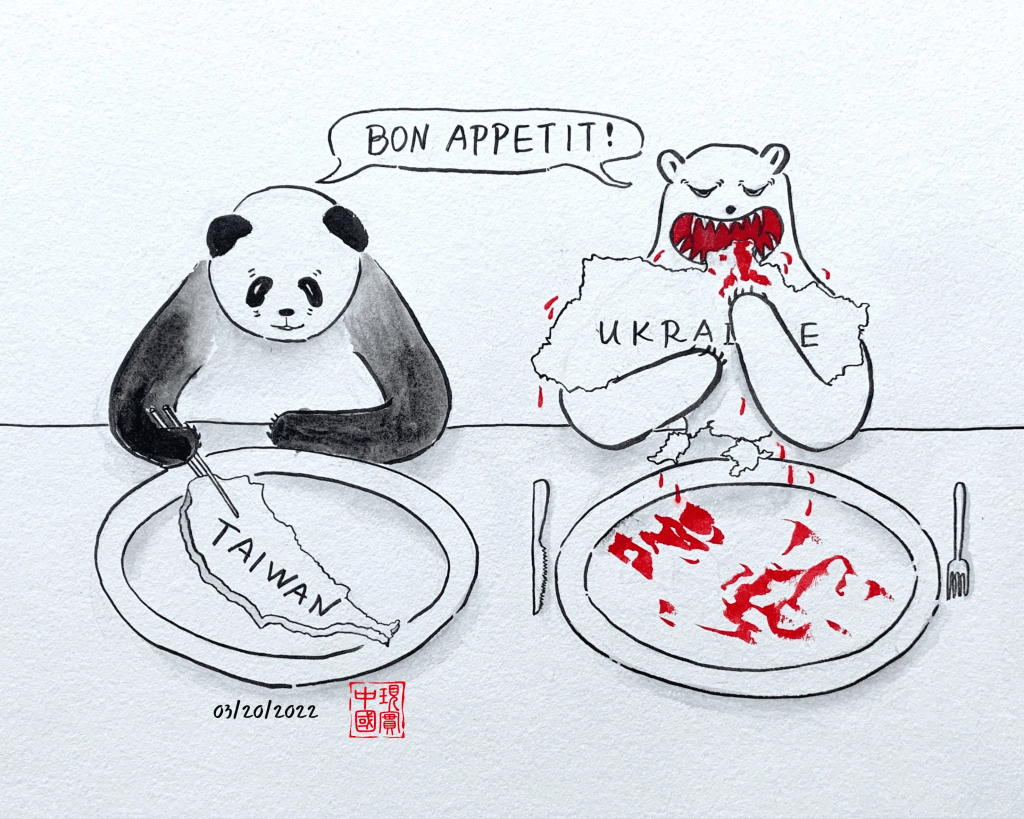
The CCP’s strict enforcement of the “Zero-COVID” policy has hampered the economy, triggered rare large-scale protests, and heightened investor concerns about China’s long-term growth prospects. Under Xi’s leadership, China’s relations with the West have grown increasingly tense, especially given Beijing’s mounting pressure on Taiwan and its close ties with Russia during the Ukraine war.