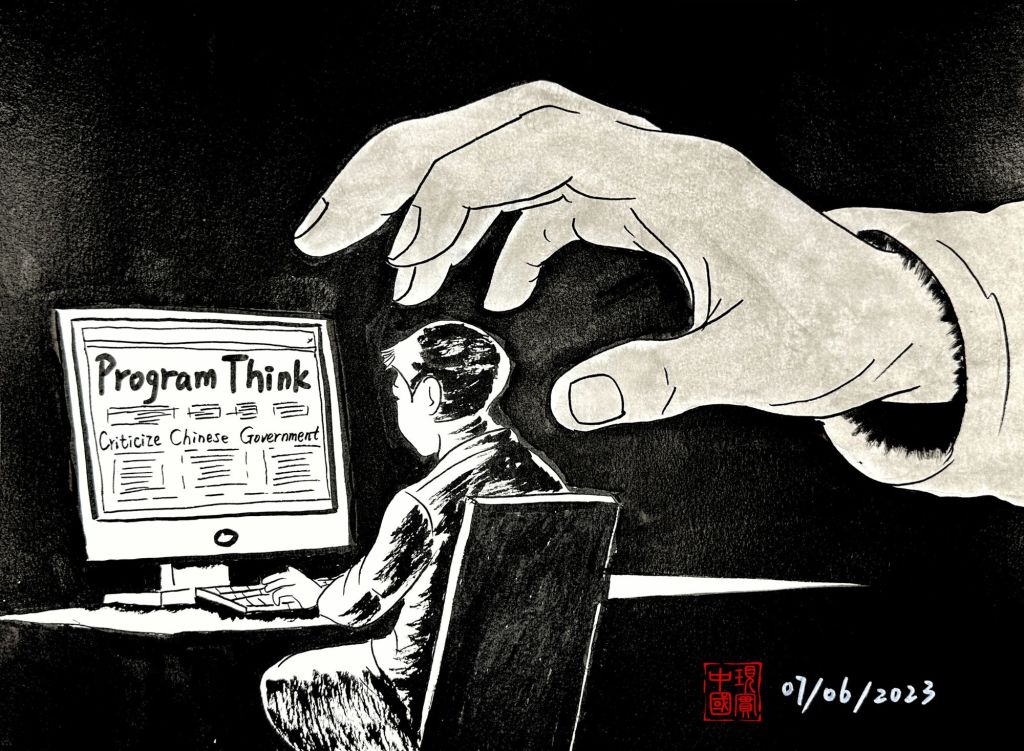
The Hidden Life: A Wife’s Journey into State Oppression and Online Dissent in China

Bei Zhenying never suspected her husband Ruan Xiaohuan of any subversive activities against the Chinese government. He was a brilliant computer programmer they met during their university days in Shanghai, and she was enamored with his curiosity and wit. His quirks, such as avoiding social media and new clothes, and his intense privacy, spending hours in his study on undisclosed work, seemed typical of a dedicated tech enthusiast.

At 45, Bei Zhenying believed these eccentricities were part of being a career geek, a world she, as a business manager, couldn’t fully comprehend. But her understanding shattered when Shanghai police stormed into their apartment and arrested him. Authorities accused Ruan Xiaohuan of writing articles that criticized China’s political system and plotting to overthrow the government. In February, he was sentenced to seven years in prison.

Over the following months, Bei Zhenying discovered more than just personal secrets. Ruan Xiaohuan was revealed as the enigmatic blogger “Program think,” known for satirizing the ruling Communist Party on China’s heavily controlled internet. His blog had attained near-mythical status among followers, sharing posts anonymously critical of government leaders’ hidden wealth and encouraging independent thinking.

Despite efforts to maintain anonymity, Ruan Xiaohuan’s fate intertwined with “Program think,” highlighting the severe measures taken against dissent under Xi Jinping’s leadership. Bei Zhenying, initially disinterested in politics, found herself thrust into a journey of awakening, navigating a landscape of state censorship and secrecy to understand her husband’s hidden life and the realities of dissent in China.
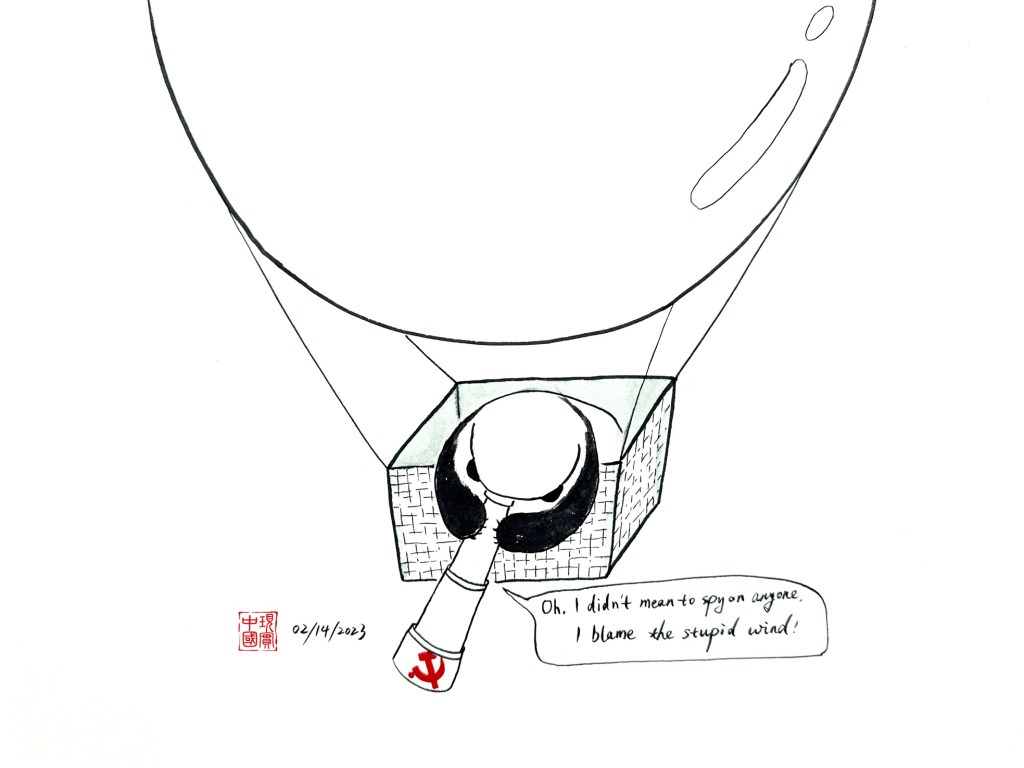
Will there be more Chinese spy balloons?

Chinese Spy Balloon over United States

From January 28 to February 4, 2023, a Chinese-operated high-altitude balloon was seen in North American airspace. On Feb 4, it was shot down by U.S. Air Force.

The U. S. government said that balloon carried antennas and other equipment clearly for intelligence surveillance, yet Chinese government insisted it was a civilian meteorological research airship that had blown off course.

Over the past weekend, four more unidentified objects were spotted U.S. and Canadian airspace and were shot down as well. Whether they’re also operated by China is unclear so far.

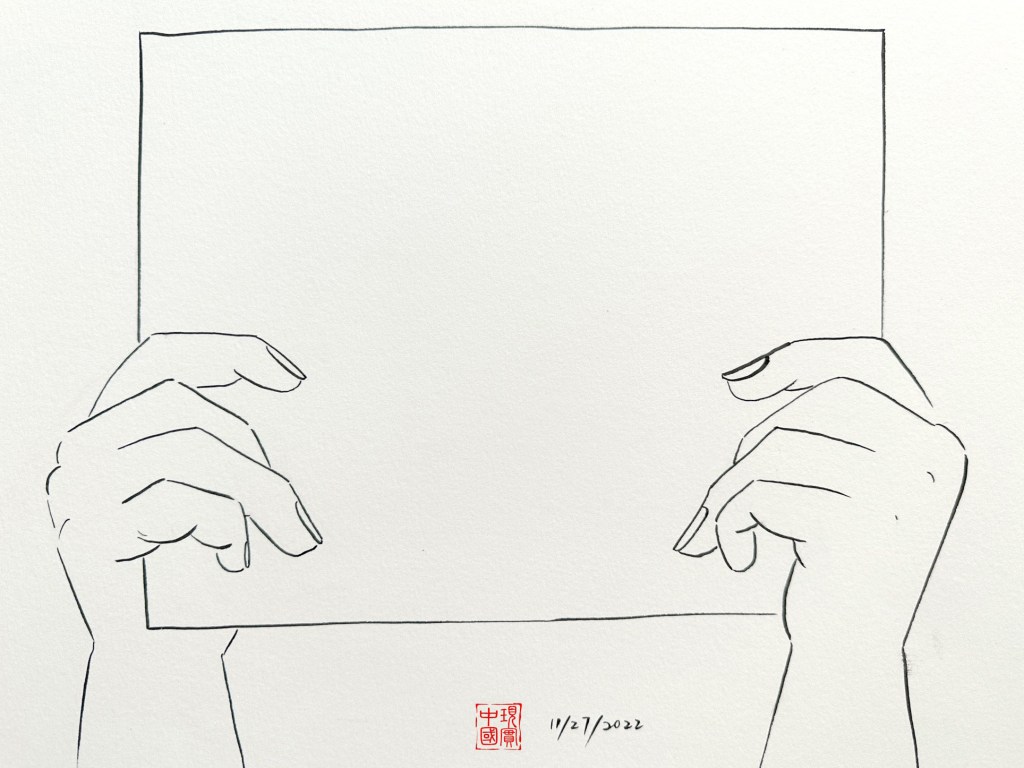
Blank paper speaks louder than a thousand words

Blank-paper Protest

On November 24th, at least 10 people died in a high-rise fire in Urumqi, the regional capital of Xinjiang. It was widely believed that Covid restrictions prevented the victims from escaping.

As China’s harsh Covid rules extend into the third year, frustration and desperation with lockdowns, quarantines and mass testings that have upended everyday life, have caused anger and defiance across china. This fire in Urumqi has pushed people’s anger even deeper. For the past a few days, demonstrators appeared in cities and on college campuses, most of them holding a blank sheet of A4 paper, a symbol of protest against Covid policies or even denouncing the Communist Party and its leader, Xi Jinping.

There is definitely nothing on the paper, but we know what’s on there. Leaving things unsaid, a sheet of blank paper expresses even more than words can do. It represents everything we want to say but cannot say.

The Bus to Hell

The Bus to Hell

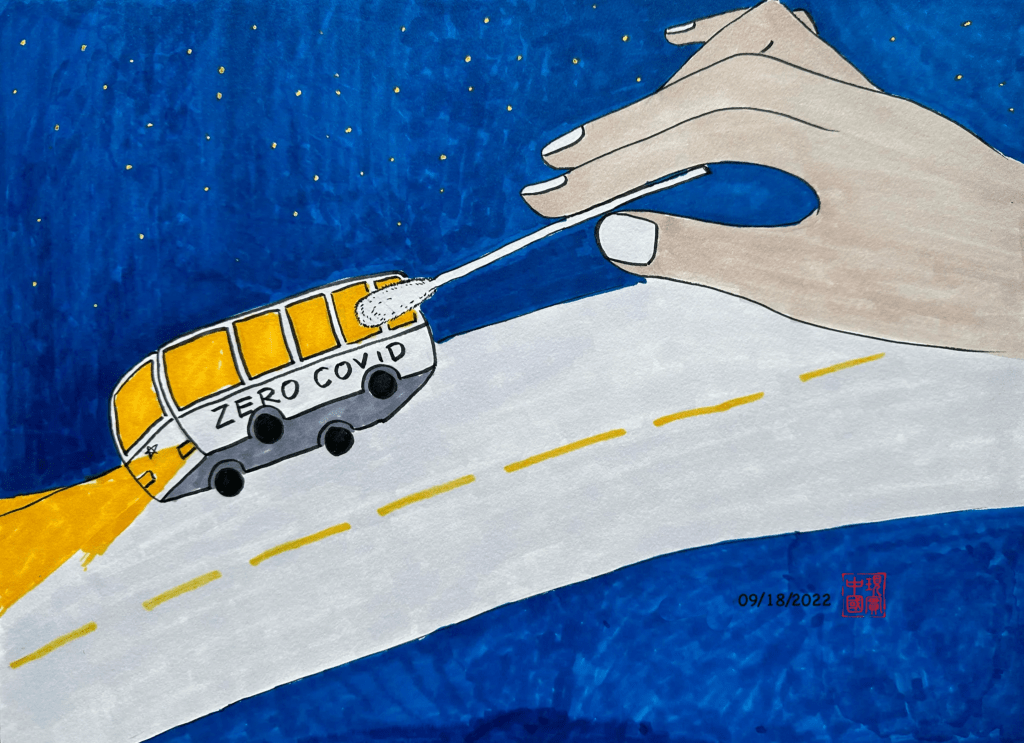
A bus transporting 47 people from the city of Guiyang to a quarantine facility rolled over around 2:40 am on September 18th, killing at least 27 of them.
While the rest of the world moves toward living with the virus, China still have mass quarantines lockdowns under its “Zero Covid” policy which ordinary Chinese people are powerless to resist.
Angry comments and large outpourings of public grief were censored.

We don’t need to breathe

We don’t need to breath

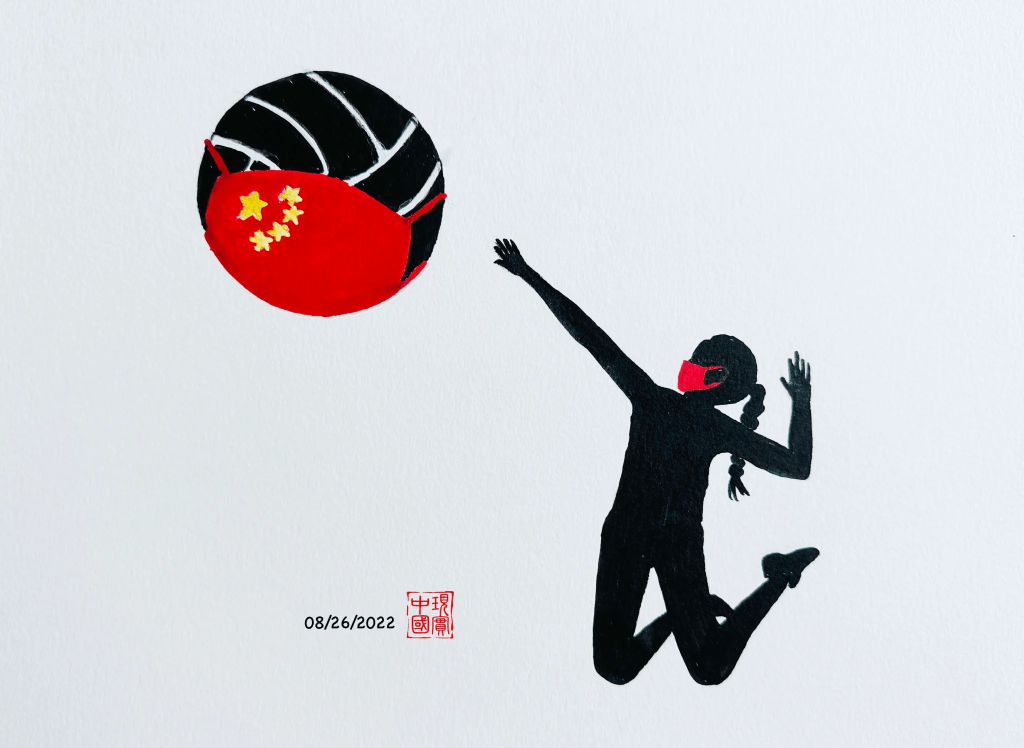
China’s national women’s volleyball team were wearing N95 masks in the opening set of their match against Iran at the Asian Volleyball Confederation Cup, being held in the Philippines. They lost the first set. After taking masks off for the second set, they went on to win.
Sacrificing the health of players for the sake of the country’s “Zero Covid” policy, this ridiculous scene has caused a stir on Chinese social media. People couldn’t help asking: Who lost his mind and made the decision? Don’t you have any common sense?

COVID-19 Survivors Battling Societal Discrimination and Job Market Challenges in China

Social Distancing: Taken Too Far

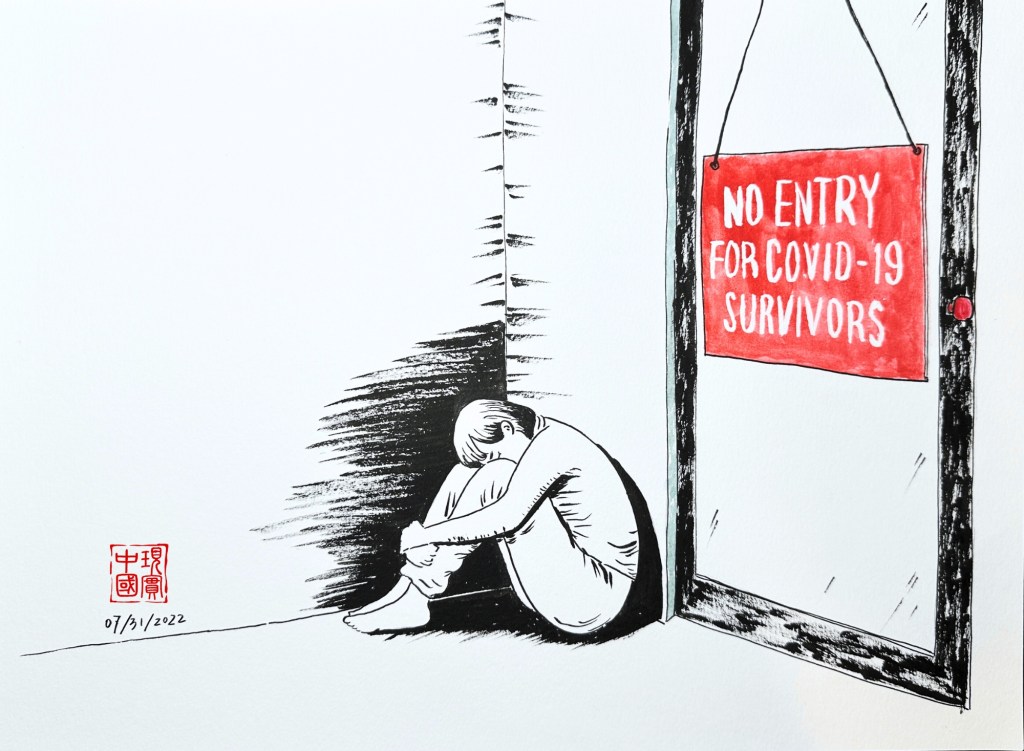
In the aftermath of the COVID-19 pandemic, various discriminatory practices have emerged worldwide, but few are as stark as the “No COVID History” policies seen in China. In a bid to control the spread of COVID-19, some institutions in China have implemented a policy requiring individuals to have no history of COVID-19 infection. This means that even those who have recovered from the virus are denied entry to certain public spaces or employment opportunities. For instance, a museum in Hangzhou explicitly stated that visitors must not have been previously diagnosed with COVID-19.

The discrimination goes beyond policy. COVID-19 survivors have been labeled with dehumanizing terms such as “Yang Ren” (阳人), “Little Sheep” (小羊人), and simply “Sheep” (羊). These labels strip individuals of their dignity and reinforce negative stereotypes. Moreover, the personal details of COVID-19 patients have been publicly disclosed, leading to online harassment and further stigmatization.

Afen’s story is a poignant example of the impact of these discriminatory policies. After recovering from COVID-19, Afen struggled to find employment due to the “No COVID History” requirement. Despite numerous attempts to secure a job, she faced repeated rejections solely based on her past infection. Her situation became so dire that she ended up living in Hongqiao Railway Station, reflecting the harsh reality faced by many in similar circumstances.

The widespread implementation of the “No COVID History” policy has resulted in mass discrimination within industries such as the service sector in Shanghai. Many recovered patients, like Afen, find themselves in a precarious position, unable to secure basic employment despite being otherwise qualified.

One of the underlying reasons for this discrimination is the fear of “re-positive” cases—instances where recovered patients test positive for COVID-19 again. However, scientific evidence suggests that these cases are typically due to the presence of non-infectious viral fragments. Despite this, the fear persists, fueled by sensational media reports and public misunderstanding.

Educational efforts are crucial in combating the stigma associated with COVID-19 recovery. Clear communication about the nature of “re-positive” cases and the actual risks involved can help alleviate public fear. Additionally, policies must be revised to align with scientific understanding and to protect the rights of those who have recovered from COVID-19.

In conclusion, the “No COVID History” policy in China is a glaring example of how fear and misinformation can lead to widespread discrimination. It is a call to action for policymakers, educators, and the public to stand against such practices and support the rights and dignity of all individuals, regardless of their health history.

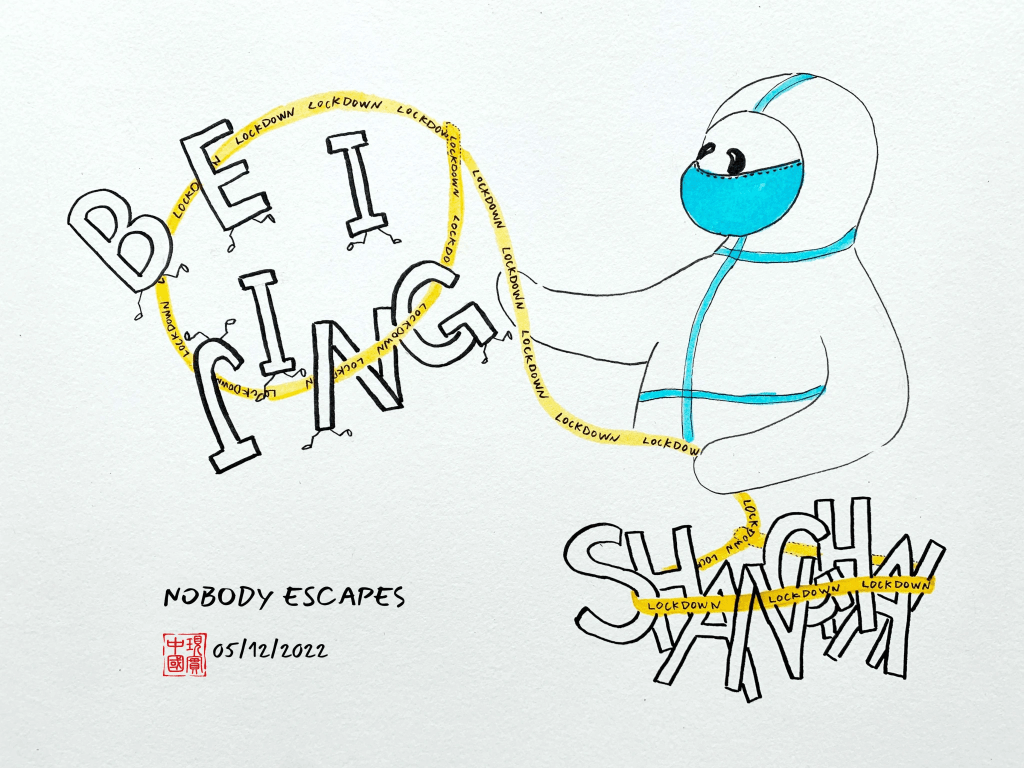
Nobody Escapes-China bans on “unnecessary” overseas travel

Nobody Escapes

China has stopped renewing passports and issuing new ones to Chinese citizens since July 30, 2021. However, that’s not enough for the government to crack down on people escaping the country. Today China just announced it will strict limit unnecessary overseas travel for Chinese citizens to prevent the virus being brought into the country.

“Don’t go out unless necessary, don’t leave the country unless necessary, don’t be born unless necessary,” one popular comment in reaction to the news on Weibo, a Chinese social media like Twitter.

While witnessing the chaos and dysfunction in the lockdown of Shanghai, fears rise over new government-enforced lockdowns — especially in the capital Beijing, where Covid cases are rising.

Today’s announcement of travel ban extinguished the hope to escape for those who still hold valid passports.

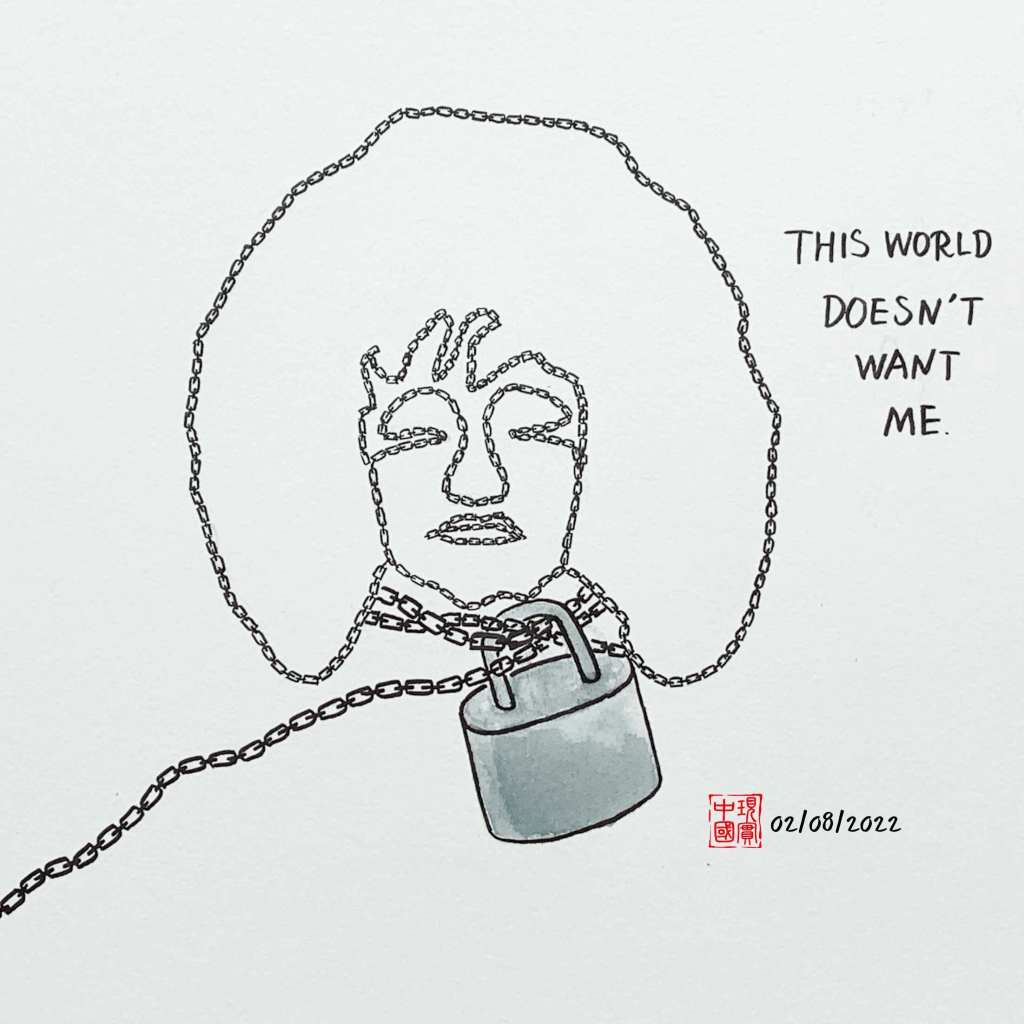
The Chained Woman in China is an Eight-Child Mother

This world doesn’t want me.

As China’s Winter Olympics presents a picture of peace and prosperity, a TikTok video revealed a woman chained around her neck, secured with a lock and affixed to the wall in a shack that opens up to the exterior. She wears a light sweater despite the January cold and looks haggard and her hair hangs lankly.

“This world doesn’t want me,” the woman can be heard saying.

Netizens has been calling for justice: Who really is she? Who and why chained her? Had she been abused or trafficked, like being sold as a bride under fraud or coercion? How had she managed to birth eight children under strict national birth policies that until 2016 had restricted families to only one child?

Chinese tennis player Peng Shuai accused ex-Chinese official of sexual assault

Get out of here

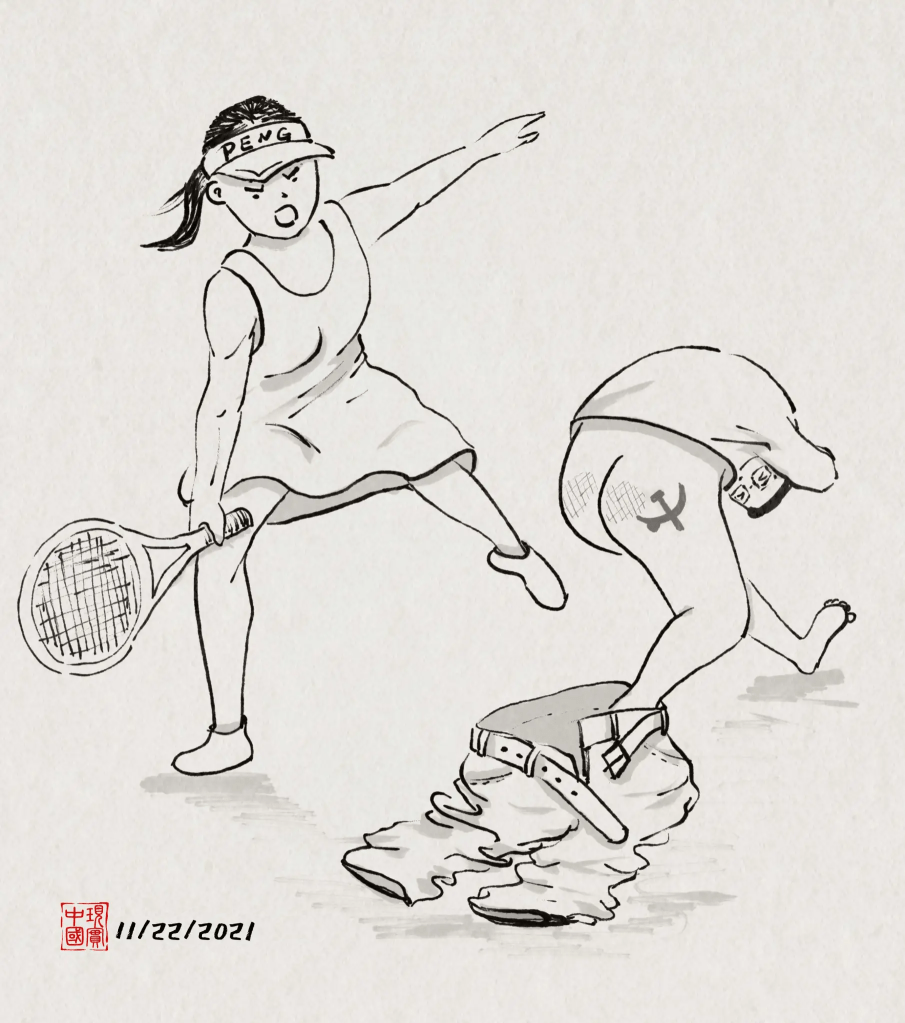
Peng Shuai, a 35-year-old Chinese tennis player and former world doubles No.1, published a long post on Weibo on Nov 2, 2021, accused Zhang Gaoli, now 75, a former high-ranking Chinese government official, of sexual assault. Zhang Gaoli is a former vice premier who served on China’s Politburo Standing Committee and was one of the country’s most powerful officials behind President Xi Jinping.

In the post, Peng Shuai wrote that Zhang had forced her to have sex despite repeated refusals, giving the timeline of her on-and-off affairs with Zhang during the past 10 years. The post was removed within 20 minutes from her verified account on Weibo, and even her name became a censored word. Since then, Peng hasn’t posted again on the site or been seen in public for 3 weeks.

Now, her safety and whereabouts have become a growing concern among her peers, the Women’s Tennis Association (WTA) and the White House. And a campaign #whereispengshuai intitiated by Chinese feminists to located the disappeared tennis star has gone global. Many of the world’s biggest tennis stars, including Serena Williams, Naomi Osaka, and Andy Murray, have posted messages on Twitter with the hashtag.

The outcry prompted Chinese state media to release a series of photographs and videos that appeared to show all was well.

Over the weekend, Peng had a video call with the head of the International Olympic Committee (IOC), after which a statement from the group said she had appeared safe and well. 

But concerns over her safety and well-being remain.

Human Rights Watch criticized the IOC over the video call, saying its “collaboration” with Chinese authorities on Ms. Peng’s reappearance “undermines its expressed commitment to human rights, including the rights and safety of athletes”.

CCP passes resolution that rewrites history and ensures Xi’s power

Third Historical Resolution

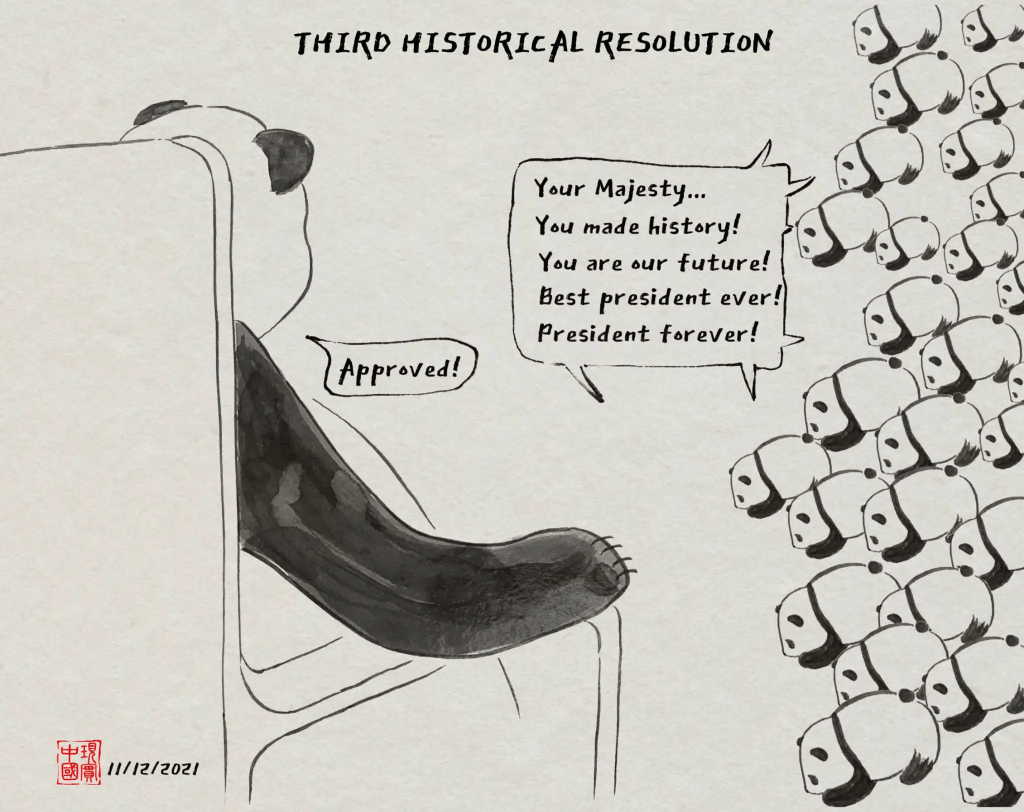
The resolution on the party’s “achievements and historical experiences” since its founding 100 years ago was passed at the end of a four-day, closed-door meeting of more than 300 top leaders on its Central Committee, state media reported.

It puts Xi on the same pedestal as Mao Zedong and Deng Xiaoping, two previous leaders who cemented their position as per-eminent leader with the only other two such resolutions passed, in 1945 and 1981 respectively.

Back in 2018, Xi made a bold power play by eliminating a term limit on the presidency, opening the way for him to lead China indefinitely. That move overturned widespread expectations that the party had been settling into a 10-year cap on leaders’ time in power.

Today’s pass of this resolution sets the stage for next year’s sweeping leadership reshuffle and paves the way for a legacy-defining third term for the president.

LinkedIn exits from China because of a ‘challenging operating environment’

Self-censorship

For China’s internet regulators, even a censored US-based social network was too much.

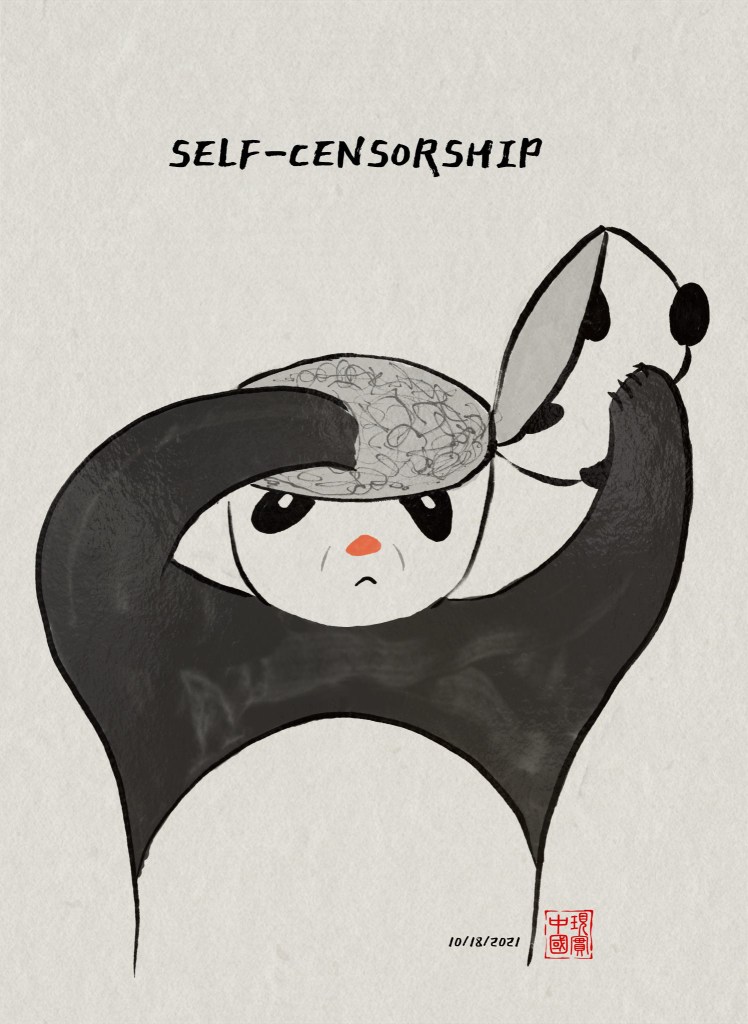
Microsoft ​said on Oct 14 that it would cease operating its work-oriented social network LinkedIn within China by the end of the year because of “significantly more challenging operating environment and greater compliance requirements in China.”

The announcement is a symbolic moment for US-China tech relations, and for China’s new hard-line approach to regulating its tech industry. Microsoft’s withdrawal is the most high-profile departure since Google left the country in 2010 in protest over censorship and alleged espionage.

Microsoft’s censorship has been well documented. Earlier this year, a number of academics and journalists saw their LinkedIn accounts censored. Bing, another Microsoft product, stoked censorship concerns with its image search results for “tank man” on this year’s 32nd anniversary of the Tiananmen crackdown. The company even censored its own farewell message. LinkedIn’s English language statement claimed the company “strongly [supports] freedom of expression,” but the phrase was conspicuously absent from the company’s Chinese language statement.

China’s New Mandatory Curriculum Focuses on ‘Xi Thought’

“I am so fed up”

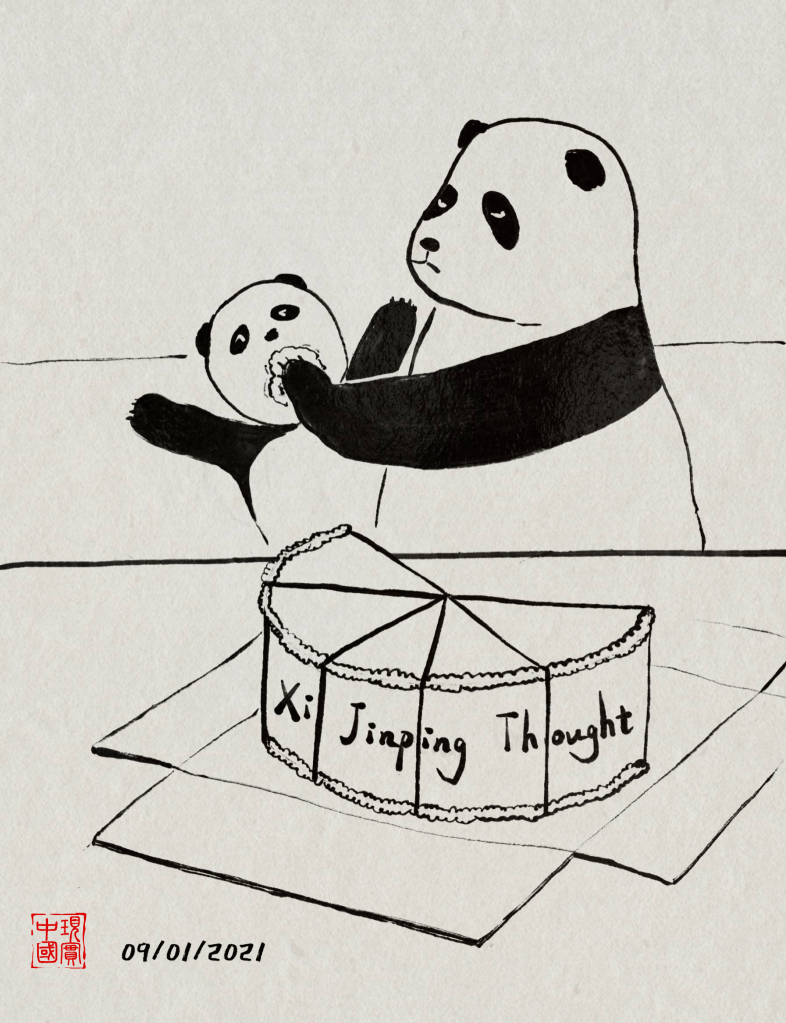
Throughout China, as the school year starts on September 1, all elementary and secondary school students face a new mandatory class — Xi Jinping’s Thought on Socialism with Chinese Characteristics for a New Era.

The new curriculum highlights how the Chinese Communist Party (CCP) and Xi are focusing on ideological control of the population as the course, referred to as “Xi Thought,” trickles down from Chinese universities, where it was introduced in 2020.

According to China’s Ministry of Education, there are four versions of the textbook, each geared to different levels of students. The new curriculum will be taught throughout the country to make sure the content will “get into the brains of students.”