The Long Arm of Censorship Reaches New York

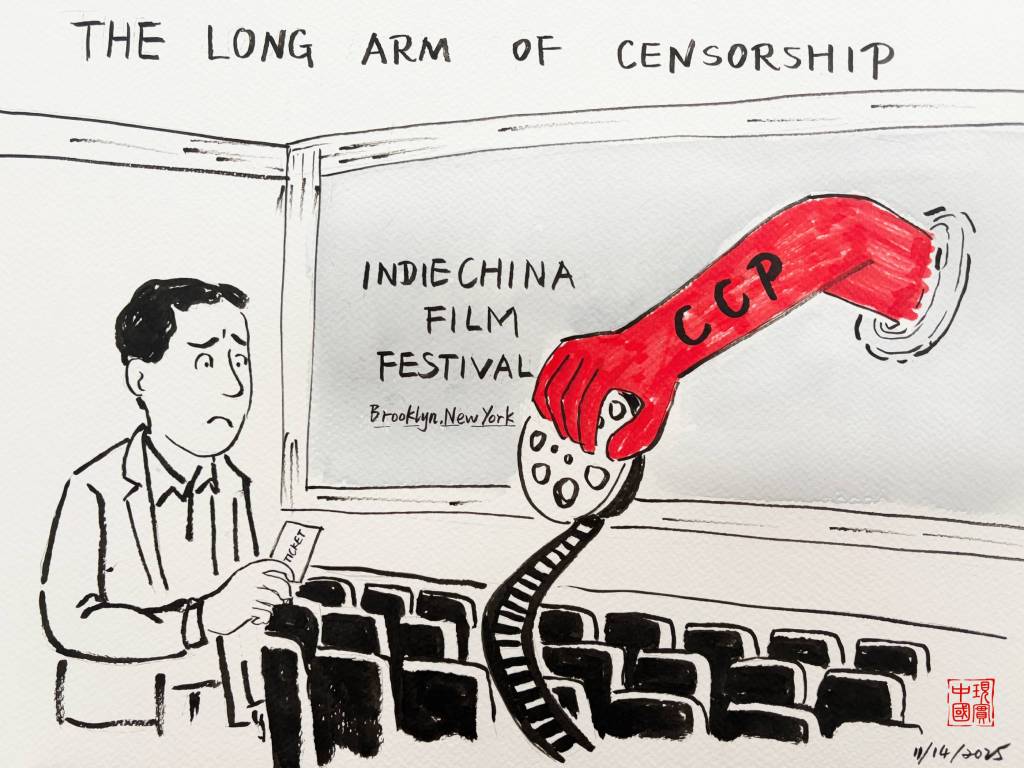
The cancellation of the IndieChina Film Festival in New York reveals an unsettling truth: censorship today is no longer confined by borders. What began as a small, independent gathering of filmmakers quickly became the target of pressure from thousands of miles away.

Organizer Zhu Rikun received a 5 a.m. call from his father in China — a call clearly influenced by authorities. Over the following days, directors, moderators, and even volunteers withdrew without explanation. Some quietly admitted they or their families had been warned by Chinese police. Others, including foreign citizens, faced pressure from employers connected to China.

The festival was modest in scale, yet the intimidation was sweeping. It shows a government willing to silence criticism wherever it appears, even in a Brooklyn theater with room for just a few dozen viewers.

Zhu ultimately canceled the event, not out of fear, but in hopes of shielding others from harassment. His empty screening room now symbolizes something far larger: the shrinking space for creative freedom, no matter where it tries to exist.

Click HERE for the detailed report.

When Art Becomes a Target

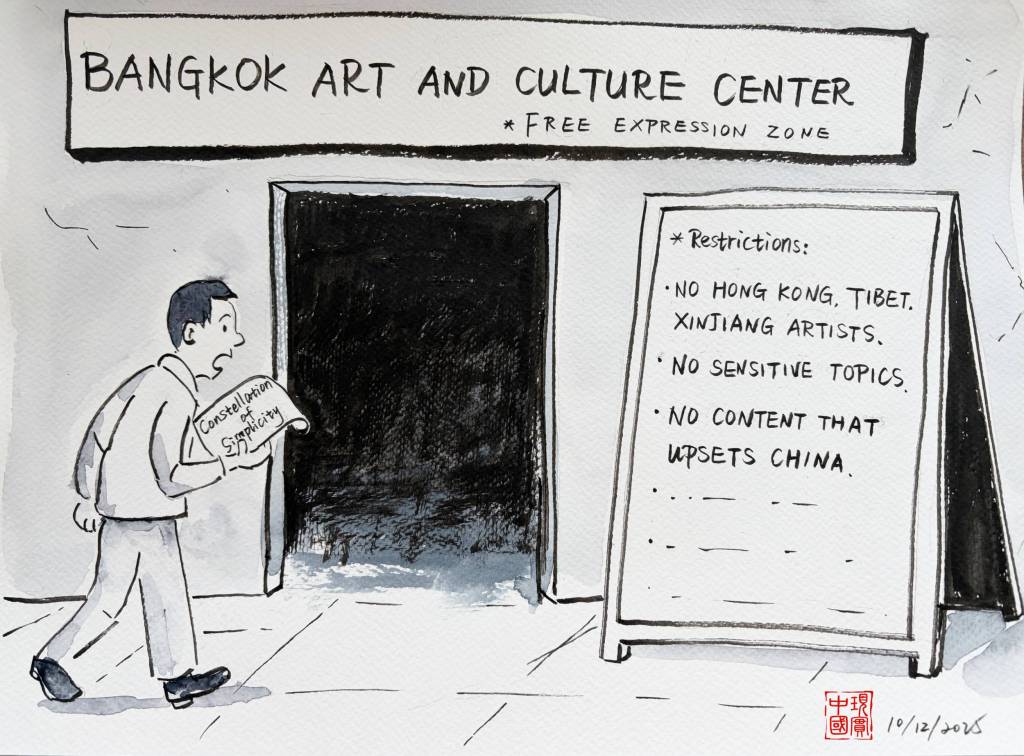
A new exhibition named “Constellation of Simplicity” in Bangkok was meant to explore how authoritarian governments cooperate across borders. Instead, it became an example of cross-border repression itself. The show’s curator, Sai — a Myanmar artist living in exile — found himself fleeing Thailand only two days after the opening. Museum directors warned him that Thai police were asking for his information, raising fears he might be deported back to Myanmar.

Pressure escalated quickly. Chinese authorities demanded that the museum erase the names and works of artists from Hong Kong, Tibet and Xinjiang. While the exhibition remained open, the institution blacked out those artists’ names and removed symbolic flags, turning a space meant for free expression into a quietly censored one.

The censorship was selective: works criticizing Myanmar’s junta, Iran or Russia stayed untouched. Only pieces tied to China’s most sensitive regions were targeted — a reminder of Beijing’s growing influence in Southeast Asia.

For Sai, now in London, the experience underscores a shrinking global space for political art. Yet he says he has no regrets and hopes to bring the exhibition to places where it can be shown freely.

Click HERE for detailed news report.

When Vanity Erupts on the Roof of the World

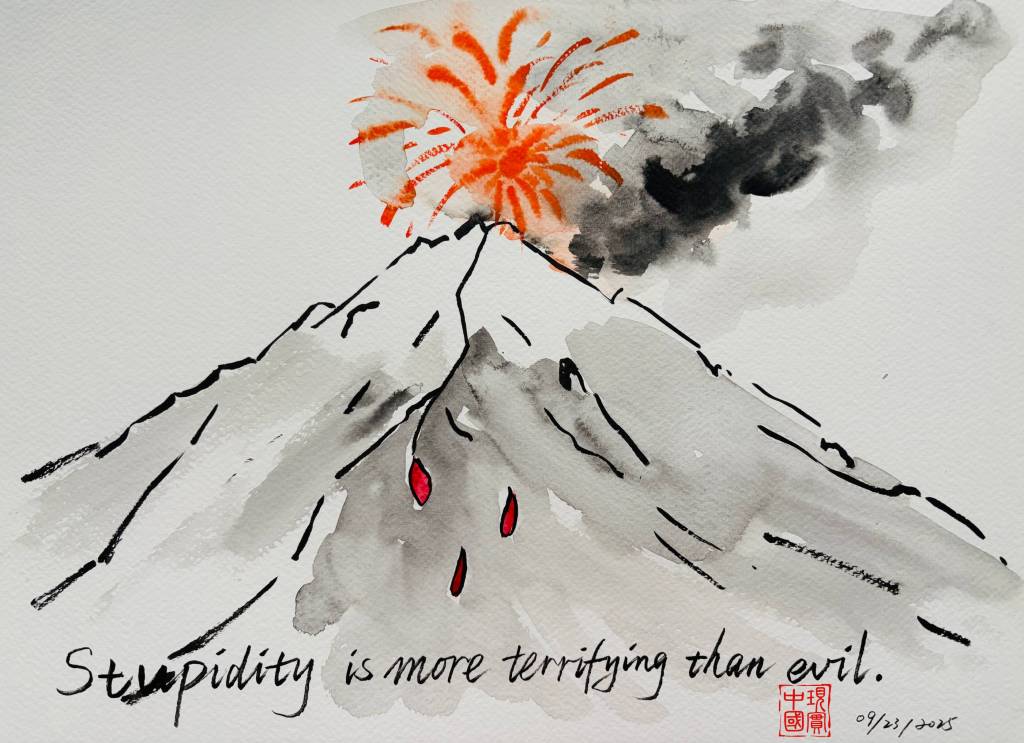
What was meant to be an “artistic celebration” became a symbol of arrogance and hypocrisy. At 5,500 meters above sea level, artist Cai Guo-Qiang and outdoor brand Arc’teryx lit up Tibet’s Himalayas with a massive “Rising Dragon” fireworks display — in one of Earth’s most fragile ecosystems.

The irony is breathtaking: a brand built on love for the outdoors helped pollute the very wilderness it claims to protect. Social media erupted with anger, and Arc’teryx was forced to issue an apology, calling the event “deeply disappointing.” Cai, too, expressed regret — but only after the backlash.

This was not art honoring nature; it was spectacle consuming it. On the world’s highest ground, humanity once again proved that ego burns brighter than respect.

Click here for the report.

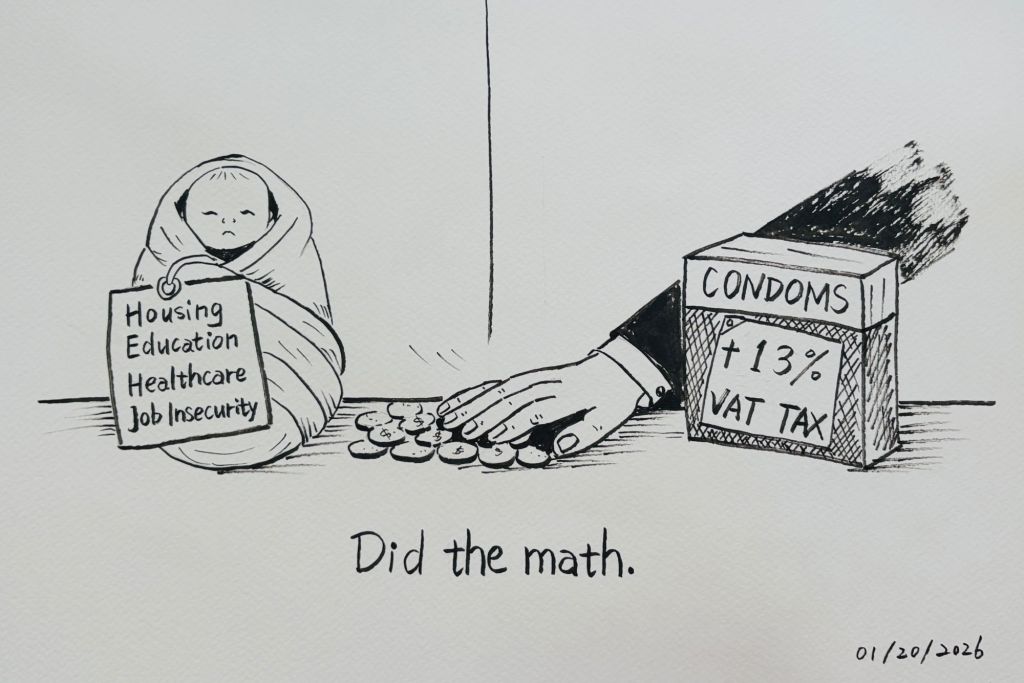
China Launches National Childcare Subsidy Amid Falling Birth Rates

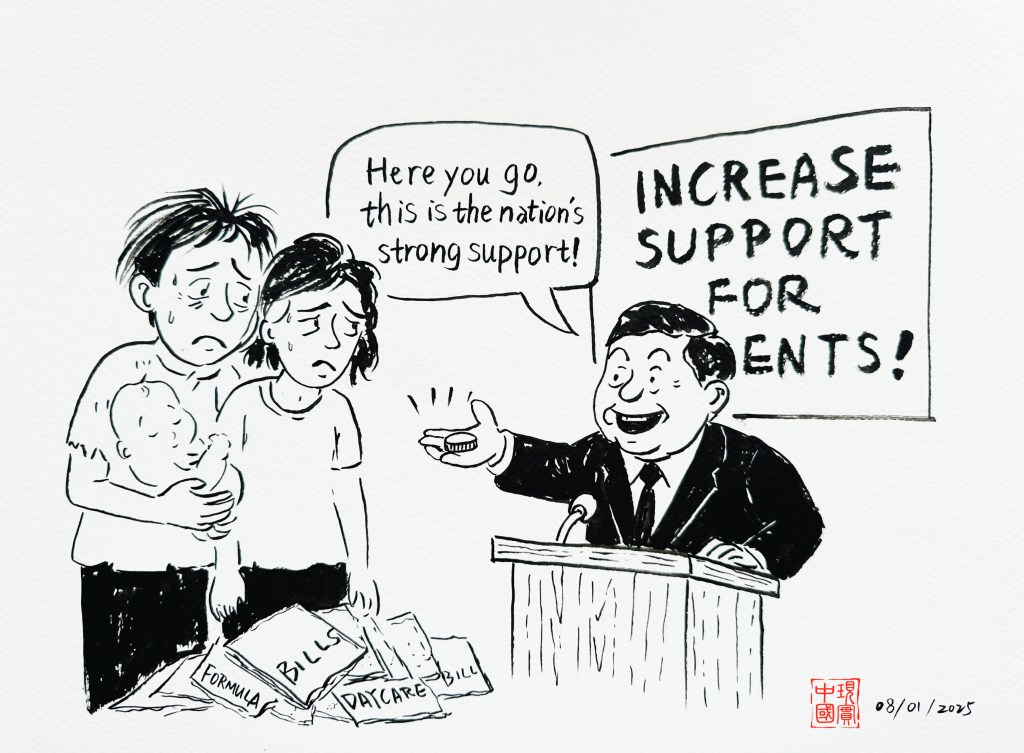
On July 28, 2025, China introduced a nationwide childcare subsidy, granting families 3,600 yuan (about $500) annually per child until the age of three. The initiative, funded by the central government, is expected to benefit more than 20 million households. Children born before 2025 will also receive partial support, signaling the state’s intention to reduce the financial strain of raising children.

Officials have described the plan as an “important national livelihood policy,” aiming to ease parenting costs and encourage higher fertility. Yet demographers and economists remain cautious. The amount, they argue, is unlikely to change the broader social and economic pressures deterring young people from having children—ranging from the high cost of education to job insecurity and a slowing economy.

Click here for related report.

Beijing Floods: Lives Lost While Warnings Went Unsent

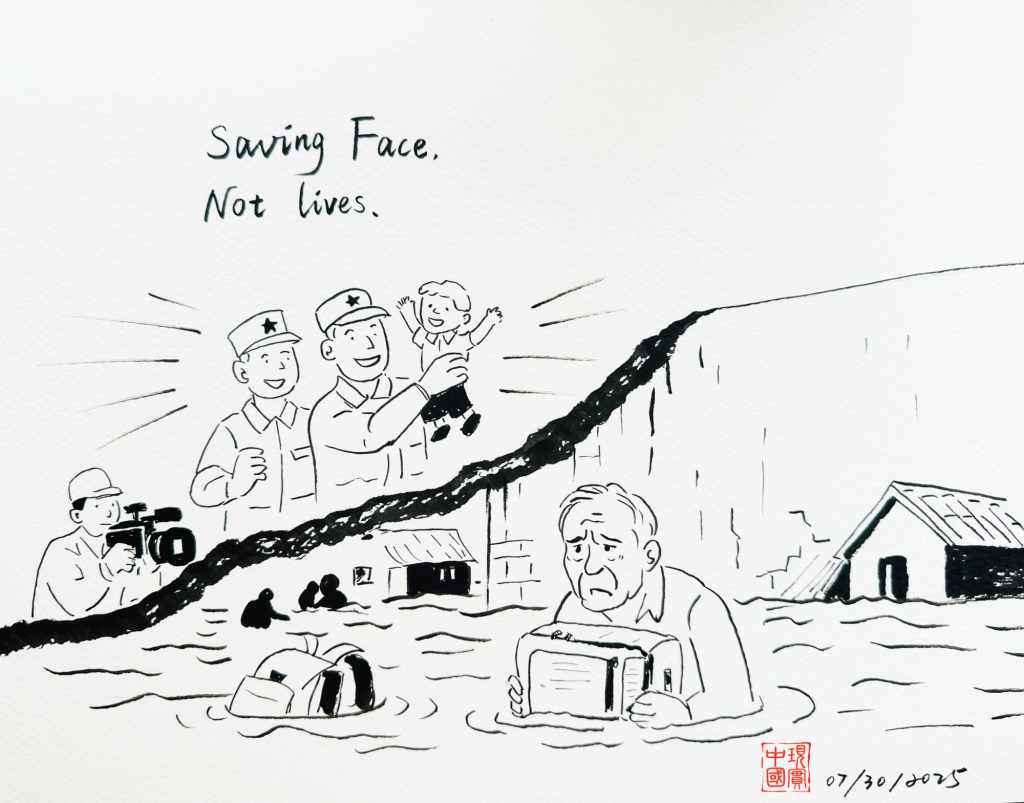
As devastating floods swept through Beijing and its surrounding regions, shocking reports reveal that many residents never received any warning. In villages like Miyun and Yanqing, residents woke to water already knee-deep, trapped by sudden torrents and landslides. Villagers recount frantic attempts to contact family members and charge phones amid power outages, relying on well water and whatever limited supplies they could access.

Despite the severity of the disaster—over 38 confirmed deaths, thousands displaced, and roads destroyed—official attention seemed more focused on controlling public perception than ensuring safety. Social media discussions about the floods were heavily censored, with authorities replacing citizen reports with state media narratives praising rescue efforts. Aid distribution was inconsistent, leaving some residents without food or bottled water while others received minimal support.

Experts link the extreme rainfall to climate change, yet warnings that could have saved lives were delayed or never issued. While government statements emphasized “full rescue efforts” and cities broadcast high-level flood alerts, these measures came too late for many. 

Click here for related report.

Uyghur Forced Labor Moves Beyond Xinjiang

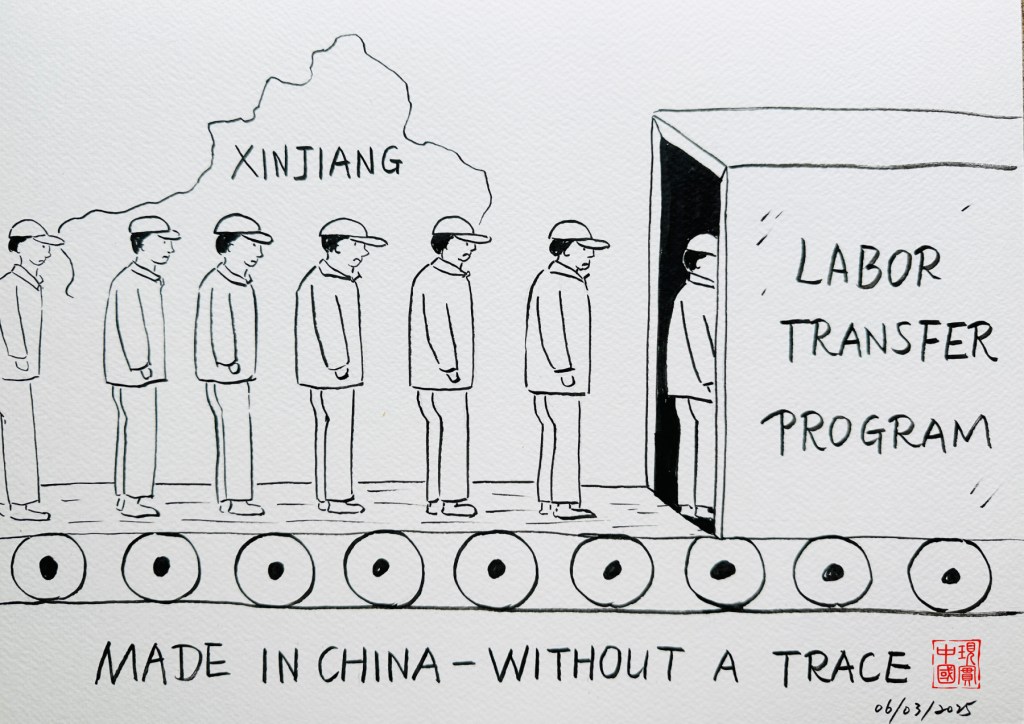
China’s government has expanded a controversial labor program moving Uyghur workers from Xinjiang to factories across the country. While officials frame these transfers as voluntary employment opportunities aimed at poverty reduction, investigations reveal a more coercive reality. Workers, often leaving home under government supervision, are assigned to factories producing goods for international brands, from appliances to automotive parts.

Reports indicate that tens of thousands of Uyghurs are affected, living in segregated dormitories and monitored closely, with restricted freedom of movement. Despite legal bans in the U.S. and EU on importing goods made with forced labor from Xinjiang, tracking products made outside the region has proven difficult. This loophole allows China to continue supplying global markets while circumventing human rights laws.

Experts warn that these labor transfers are part of a broader strategy of social control, aiming to disperse Uyghur communities and limit cultural expression. 

Click here for related report.

Tariff Tug-of-War: When Superpowers Pull in Opposite Directions

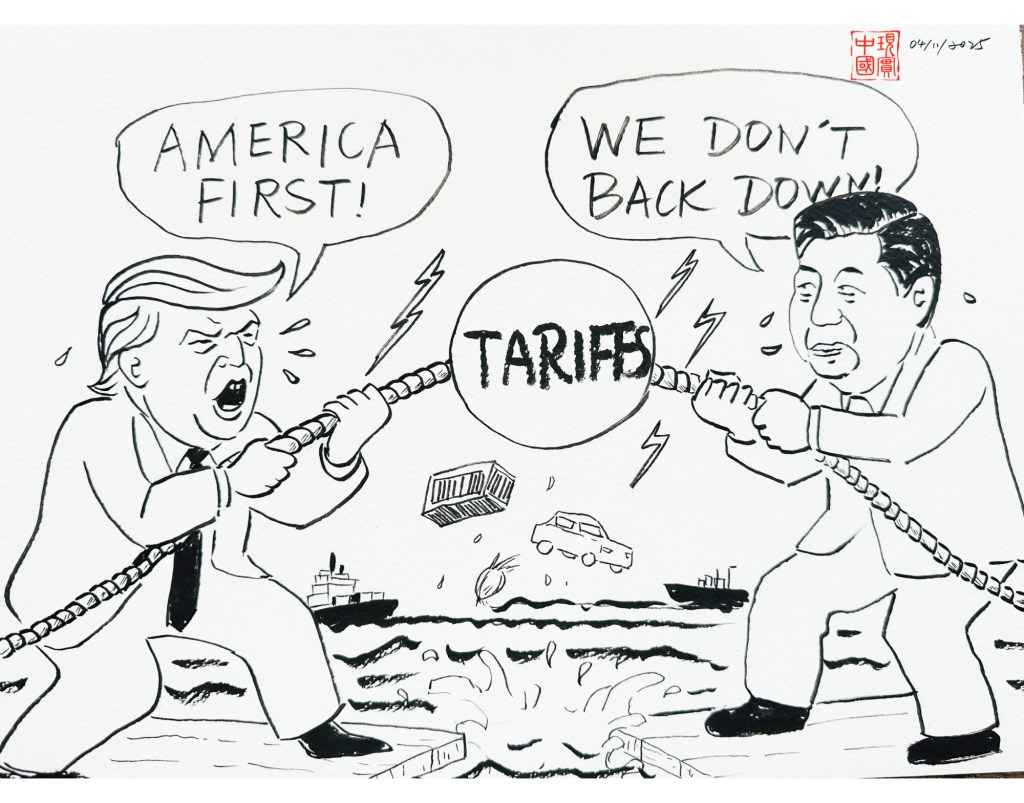
The U.S.–China trade war entered another round as Washington confirmed that nearly all Chinese exports now face a minimum tariff of 145%, with additional duties on key sectors such as automobiles, steel, and aluminum. In response, Beijing raised its tariffs on American goods from 84% to 125%, marking its third retaliatory move in just weeks.

What began as a dispute over “fair trade” has turned into a high-stakes tug-of-war, with neither side willing to let go. Trump insists on “America First,” while Xi warns that “no one wins a tariff war.” Meanwhile, businesses on both sides are cutting orders, global markets are on edge, and the rest of the world is left wondering whether this contest is about economic strategy or political theater.

Click here for related report.

China Imposes Mandatory AI Model Censorship

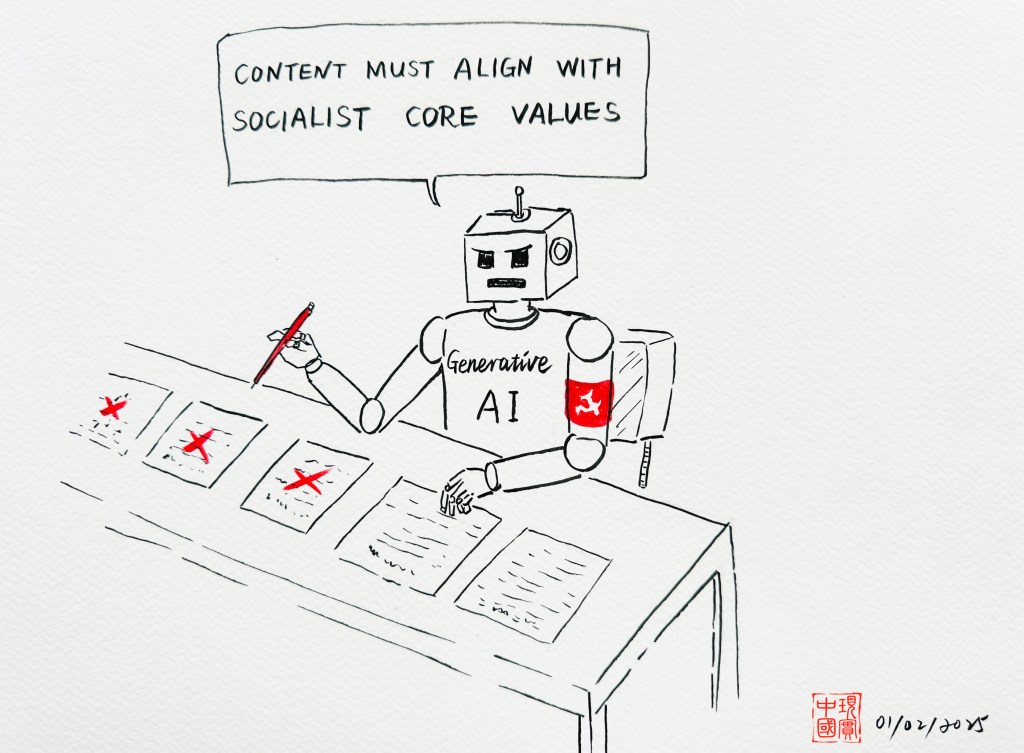
China is tightening control over artificial intelligence by requiring tech firms to undergo mandatory government censorship tests. According to insiders, companies such as ByteDance and Alibaba. AI must ensure their large language models reflect “socialist core values.”

The Cyberspace Administration of China (CAC) is said to be testing how these models respond to politically sensitive questions, including those related to President Xi Jinping. Officials reportedly review training data and security processes on-site, with some companies needing multiple attempts to pass the evaluation.

China’s approach is seen as an effort to establish the world’s most stringent AI regulatory framework. While this ensures alignment with state ideology, it also forces AI startups to adapt quickly, often by building keyword filters and sanitizing datasets. For many developers, compliance has become as critical as innovation itself.

Click here for related report.

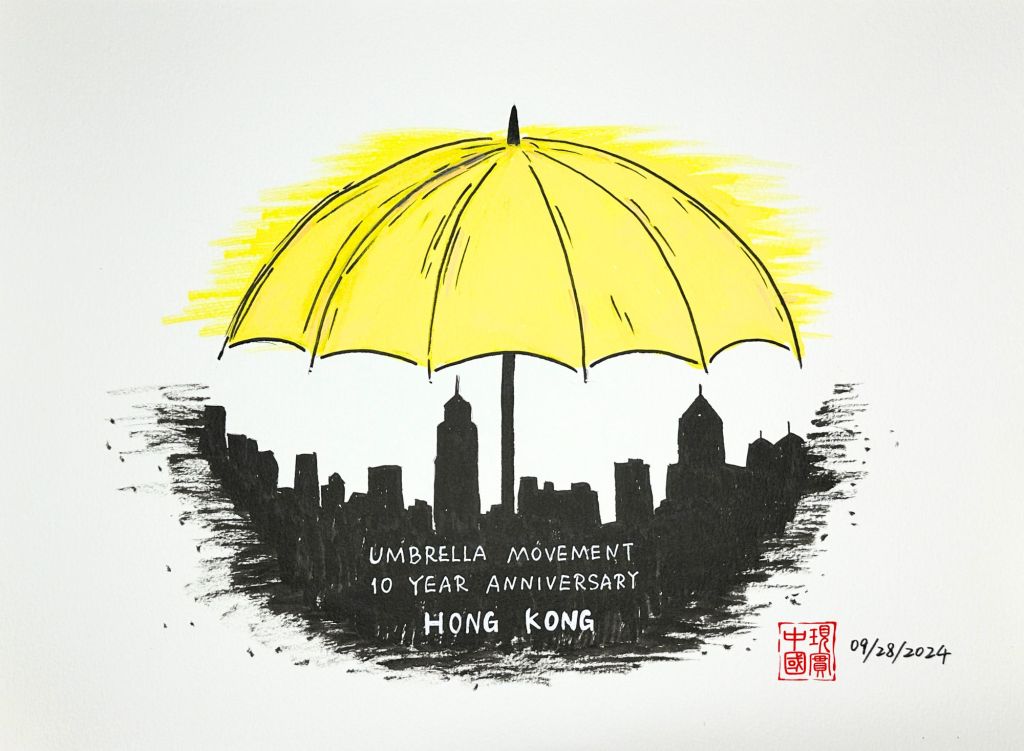
Reflecting on 10 Years: The Umbrella Movement’s Legacy

Ten years ago, Hong Kong witnessed a remarkable chapter in its history—the Umbrella Movement. What began as a call for democratic reforms and universal suffrage swiftly grew into a powerful symbol of peaceful resistance. Thousands of citizens, armed only with umbrellas to shield against tear gas, united in a non-violent stand for their rights.

The spirit of the movement has left an indelible mark on the city. Though the physical barricades have long been dismantled, the ideals of democracy, freedom, and autonomy continue to inspire. The Movement’s legacy lives on through the resilience of Hong Kongers who strive for justice, despite facing increasing challenges and suppression.

As we commemorate this anniversary, we honor the courage and determination of those who stood on the front lines and reflect on the ongoing struggle for democracy. The Umbrella Movement reminds us that the fight for freedom is enduring, and the hope for a brighter, more democratic future remains alive in the hearts of many.

Here’s to remembering the past, acknowledging the present, and hoping for a future where the spirit of the Umbrella Movement thrives.

China Announces Gradual Increase in Retirement Age

China has approved a plan to raise its statutory retirement age for the first time since the 1950s, addressing the challenges of its aging population. Starting on January 1, 2025, the retirement age will increase gradually. Men, who could previously retire at 60, will see their age rise incrementally to 63 by 2040. For women in white-collar jobs, the retirement age will increase from 55 to 58. Women in blue-collar jobs, previously able to retire at 50, will now work until 55. Although necessary, the changes have been met with resistance from the public.

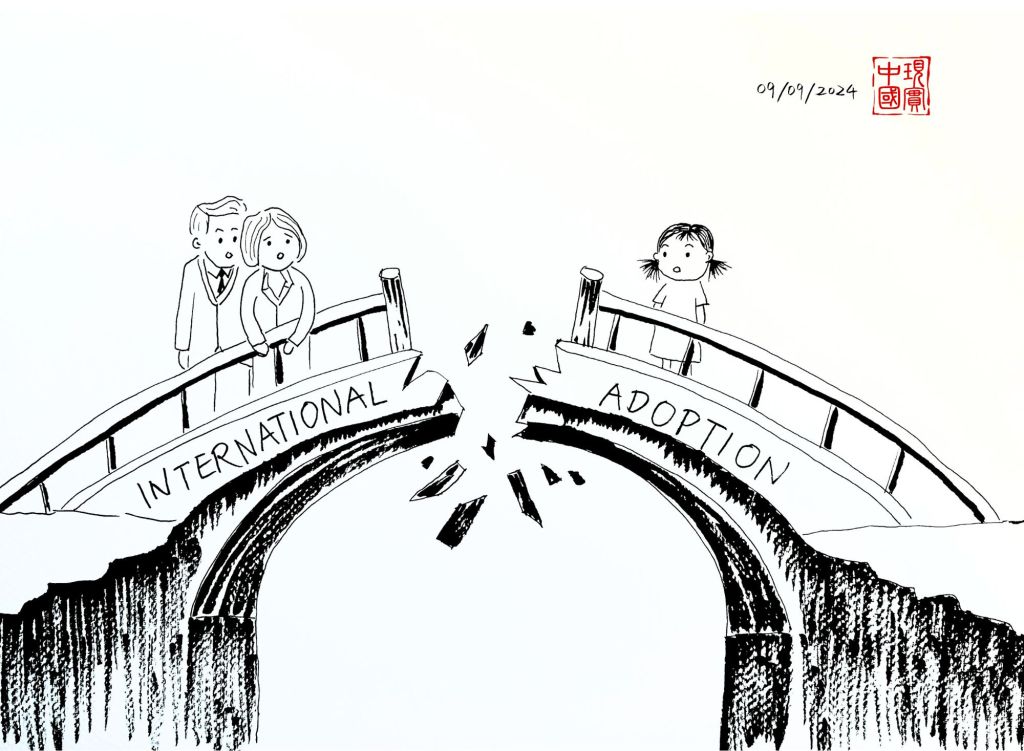
China Halts Foreign Adoptions After Decades of International Placements

China has officially ended most foreign adoptions, closing a significant chapter that spanned over three decades. During this time, tens of thousands of children were sent overseas for adoption, largely due to the country’s one-child policy, which led many families to abandon their babies. The Chinese government stated that this decision aligns with global trends, signaling a shift in the country’s approach to international adoption.

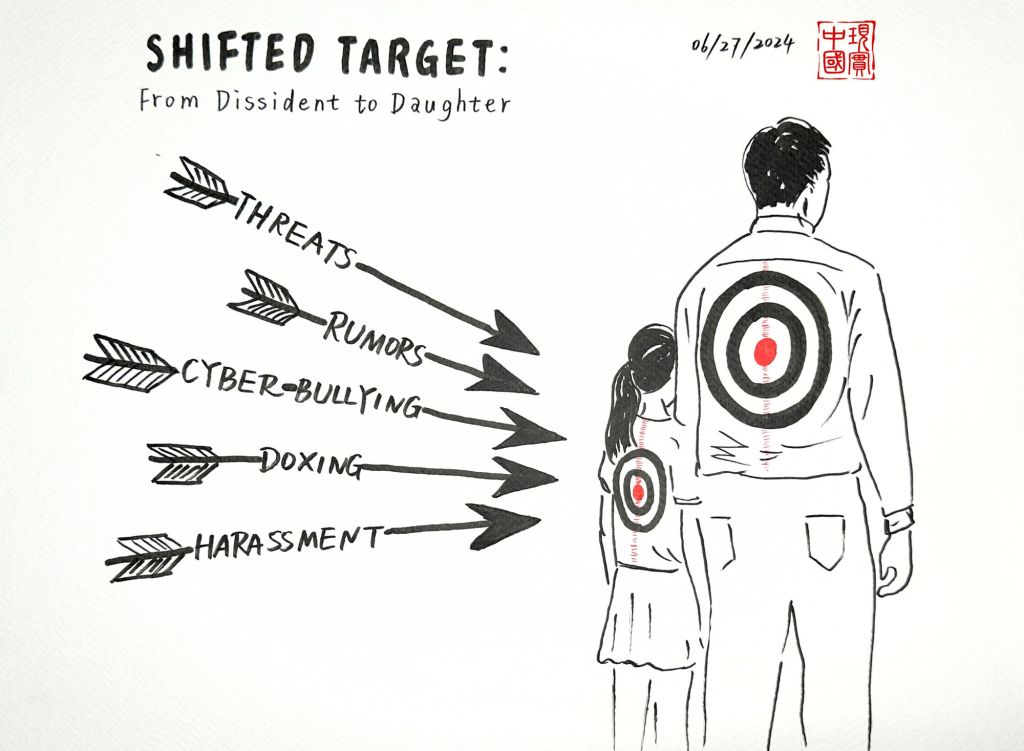
Chinese Exile Writer’s Daughter Targeted Online by Chinese Government

Living in the suburbs of Philadelphia, the prominent Chinese exile writer Deng Yuwen frequently criticizes China and its authoritarian leader, Xi Jinping. Recently, China’s response has been severe, launching aggressive and malicious attacks against his daughter online.

Research by Clemson University and Meta, the parent company of Facebook and Instagram, reveals that a secret propaganda network, possibly linked to China’s security apparatus, has targeted Deng Yuwen and even his teenage daughter on popular social media platforms. These attacks involve posts filled with sexual innuendos and threats, posted by fake identities. They appear in replies to Deng’s posts on platform X and comments on public school accounts in his community, falsely accusing his 16-year-old daughter of drug use, arson, and prostitution.

“Blocking isn’t effective,” Deng Yuwen remarked in an interview about the relentless online assaults. “Today you block it, tomorrow it resurfaces under a new alias.”

Researchers note that crude comments targeting Deng’s daughter have also appeared on Facebook community pages, as well as platforms like TripAdvisor, local news site Patch, and school rating site Niche. This harassment fits a pattern of cyber intimidation that has raised alarms in Washington, Canada, and beyond, highlighting China’s increasingly brazen attacks abroad.

For Deng Yuwen and his family, these attacks represent an escalation. Despite federal laws prohibiting severe online harassment or threats, China’s actions continue unchecked, reflecting a growing concern over its global influence and tactics aimed at stifling dissent, even beyond its borders.

Verdict Against Chinese Activists Empowering #MeToo Voices

On Friday, a court in southern China sentenced prominent feminist journalist Huang Xueqin to five years in prison for inciting subversion of state power, marking Beijing’s latest crackdown on civil society. Labor activist Wang Jianbing received a three-year, six-month sentence on the same charge. Their activities leading to arrest and conviction included organizing discussions, supporting other activists, and receiving overseas training. Experts note the severity of these legal actions, even by Chinese standards, signaling a shrinking space for independent social discourse. Huang, once a vocal figure in China’s #MeToo movement and later a writer on Hong Kong protests, and Wang, an advocate for worker and disability rights, faced prolonged detention before a brief trial last September. Critics argue these cases reflect broader suppression of topics like women’s and workers’ rights under increasingly expansive interpretations of “threats to public order.”

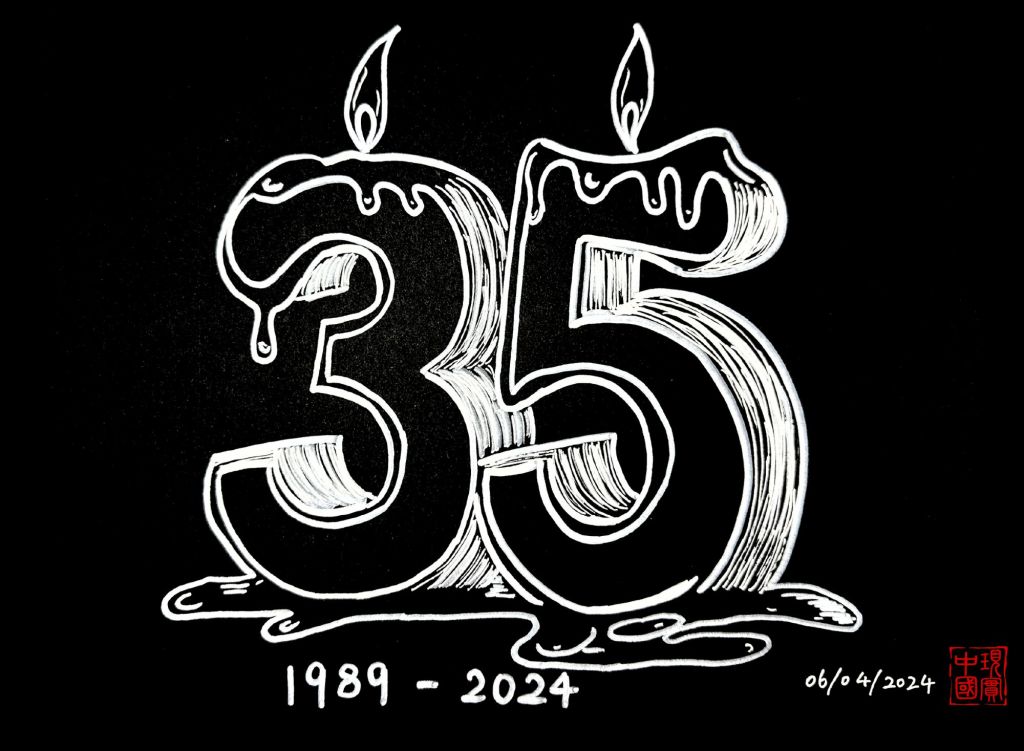
Remembering Tiananmen Massacre: 35 Years On

As we mark the 35th anniversary of the Tiananmen Square massacre, it’s a somber moment to reflect on a pivotal event in modern history. On June 4, 1989, peaceful protests in Beijing demanding democratic reforms met a tragic end as Chinese authorities cracked down with force, resulting in countless deaths and injuries.

The memory of those brave individuals standing for freedom and democracy resonates globally, reminding us of the enduring struggle for human rights. Despite efforts to suppress the truth, the spirit of Tiananmen lives on through the courage of those who continue to seek justice and accountability.

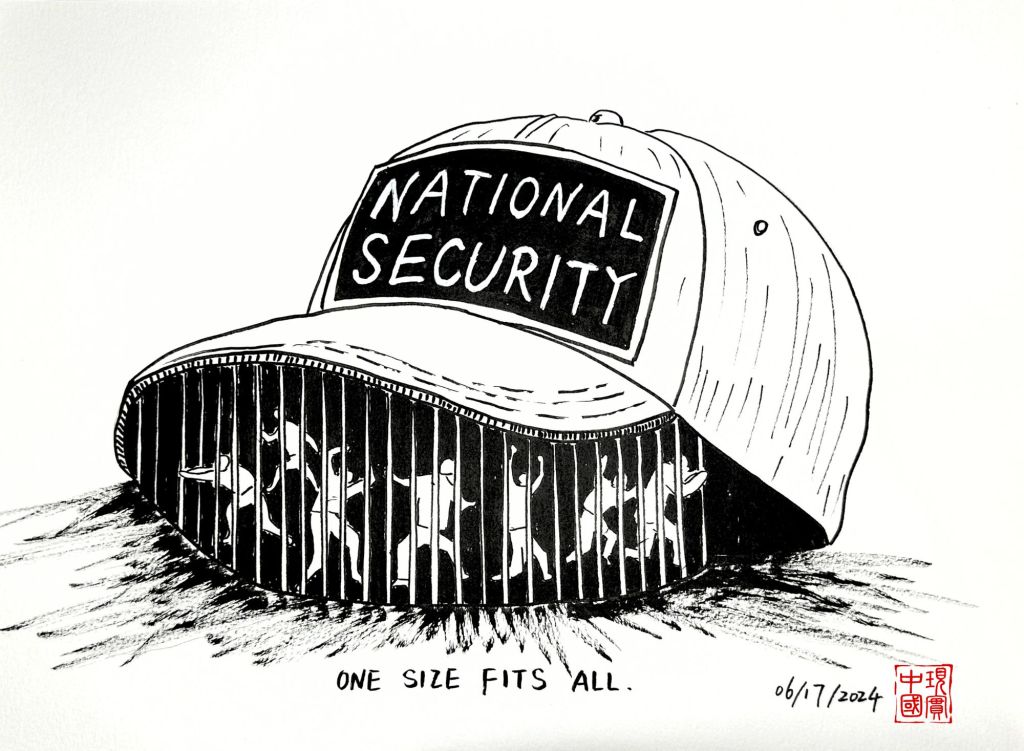
Hong Kong’s National Security Trial: A Turning Point in Democratic Dissent

In a landmark ruling on Thursday, a Hong Kong court sentenced dozens of prominent democracy activists and leaders to potential life imprisonment, marking a severe crackdown under Beijing’s imposed national security law. The charges stem from organizing primary elections to enhance their chances in city-wide elections, deemed by authorities as a conspiracy to subvert state power.

Among the convicted are figures like legal scholar Benny Tai and protest leader Joshua Wong, whose activism symbolized Hong Kong’s vibrant political landscape. The verdict underscores Beijing’s use of broad powers to suppress dissent, turning these activists into political prisoners, some of whom were lawmakers since Hong Kong’s handover to China in 1997.

Most of the defendants have spent at least the last three years in detention ahead of and during the 118-day trial. It highlight a fundamental shift in Hong Kong’s political environment, where even mild opposition activities are no longer tolerated. Critics argue that the government’s prosecution of nonviolent electoral preparations undermines the city’s once-celebrated judicial independence and freedom of elections.

As Hong Kong faces its most significant political challenge in decades, international observers view these trials as a litmus test for Hong Kong’s judicial independence and fear a chilling effect on free speech and dissent.