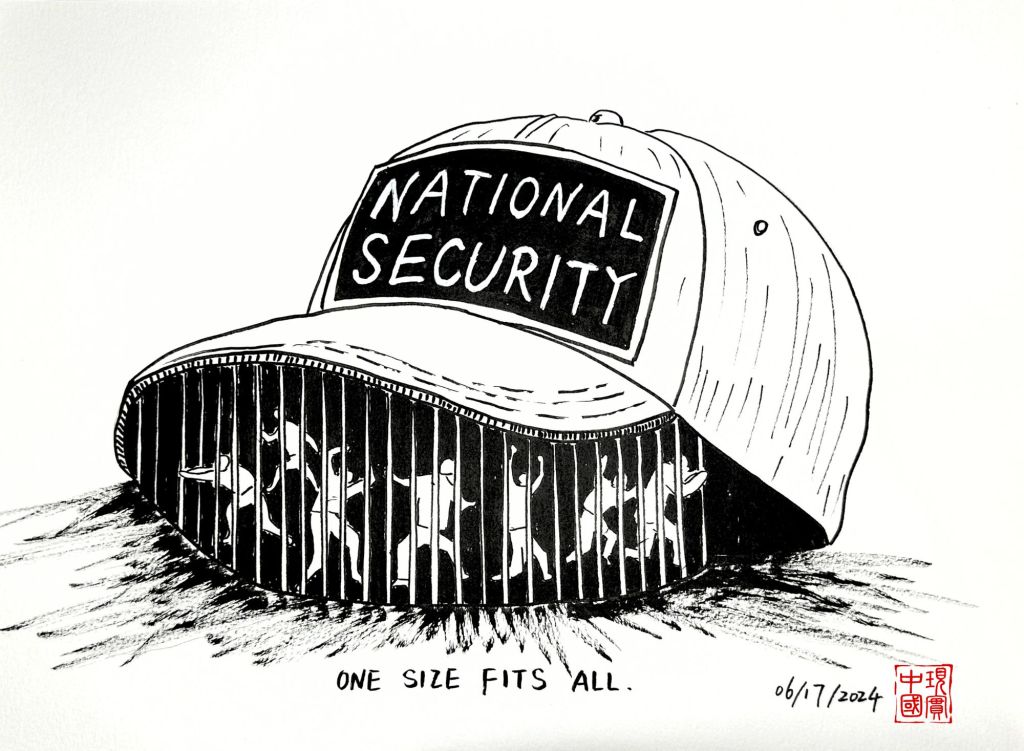
Verdict Against Chinese Activists Empowering #MeToo Voices

On Friday, a court in southern China sentenced prominent feminist journalist Huang Xueqin to five years in prison for inciting subversion of state power, marking Beijing’s latest crackdown on civil society. Labor activist Wang Jianbing received a three-year, six-month sentence on the same charge. Their activities leading to arrest and conviction included organizing discussions, supporting other activists, and receiving overseas training. Experts note the severity of these legal actions, even by Chinese standards, signaling a shrinking space for independent social discourse. Huang, once a vocal figure in China’s #MeToo movement and later a writer on Hong Kong protests, and Wang, an advocate for worker and disability rights, faced prolonged detention before a brief trial last September. Critics argue these cases reflect broader suppression of topics like women’s and workers’ rights under increasingly expansive interpretations of “threats to public order.”
The Chained Woman in China is an Eight-Child Mother

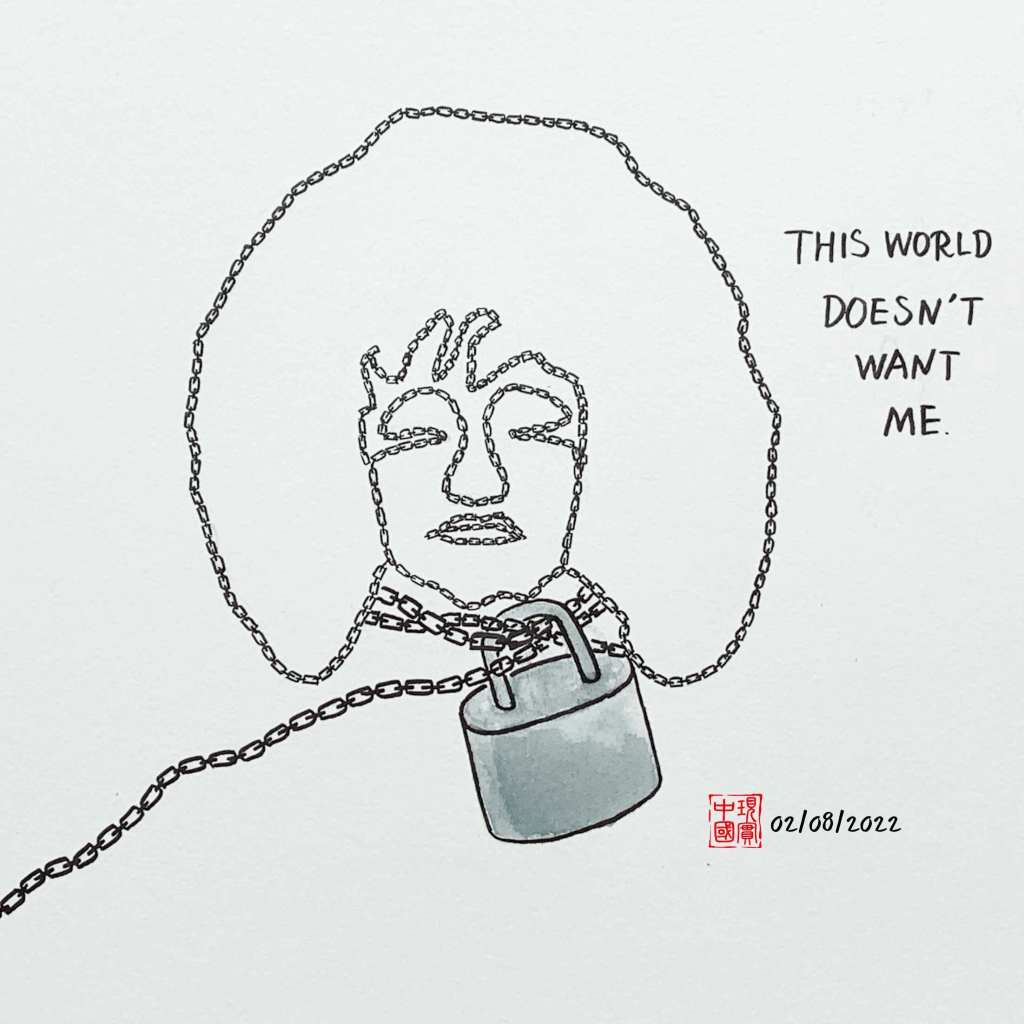
This world doesn’t want me.

As China’s Winter Olympics presents a picture of peace and prosperity, a TikTok video revealed a woman chained around her neck, secured with a lock and affixed to the wall in a shack that opens up to the exterior. She wears a light sweater despite the January cold and looks haggard and her hair hangs lankly.

“This world doesn’t want me,” the woman can be heard saying.

Netizens has been calling for justice: Who really is she? Who and why chained her? Had she been abused or trafficked, like being sold as a bride under fraud or coercion? How had she managed to birth eight children under strict national birth policies that until 2016 had restricted families to only one child?

Chinese tennis player Peng Shuai accused ex-Chinese official of sexual assault

Get out of here

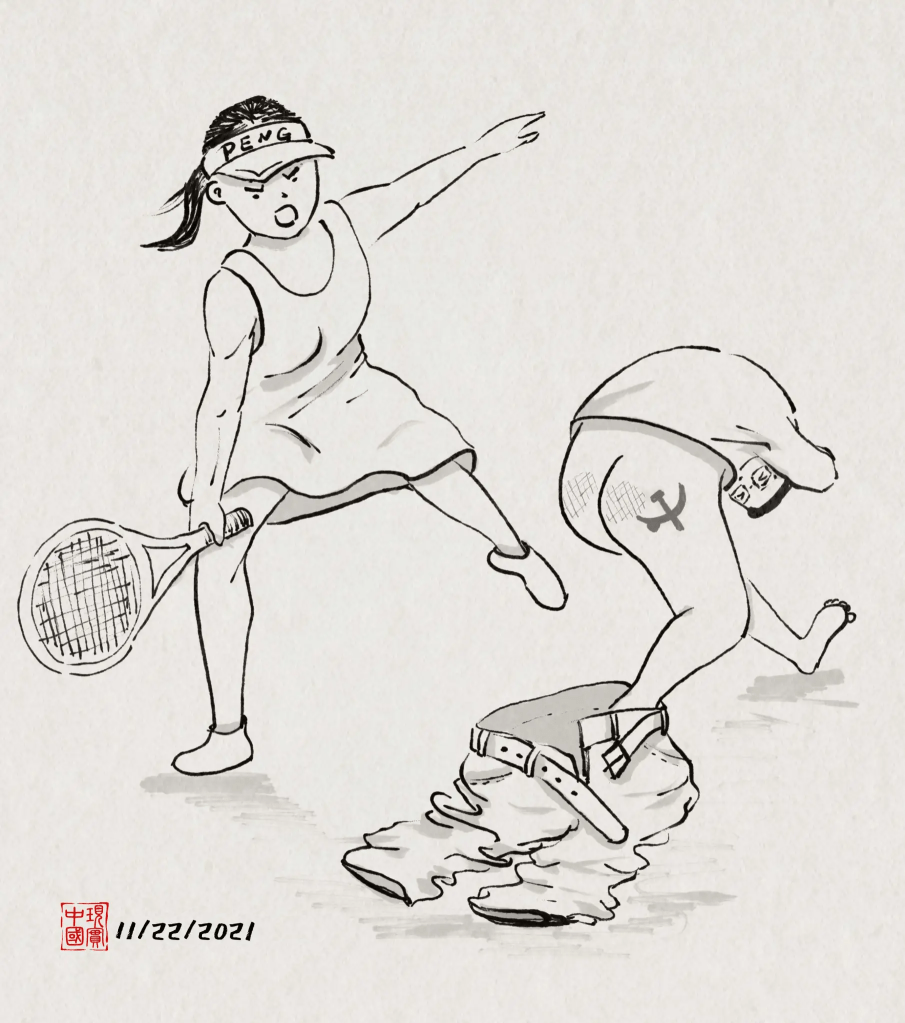
Peng Shuai, a 35-year-old Chinese tennis player and former world doubles No.1, published a long post on Weibo on Nov 2, 2021, accused Zhang Gaoli, now 75, a former high-ranking Chinese government official, of sexual assault. Zhang Gaoli is a former vice premier who served on China’s Politburo Standing Committee and was one of the country’s most powerful officials behind President Xi Jinping.

In the post, Peng Shuai wrote that Zhang had forced her to have sex despite repeated refusals, giving the timeline of her on-and-off affairs with Zhang during the past 10 years. The post was removed within 20 minutes from her verified account on Weibo, and even her name became a censored word. Since then, Peng hasn’t posted again on the site or been seen in public for 3 weeks.

Now, her safety and whereabouts have become a growing concern among her peers, the Women’s Tennis Association (WTA) and the White House. And a campaign #whereispengshuai intitiated by Chinese feminists to located the disappeared tennis star has gone global. Many of the world’s biggest tennis stars, including Serena Williams, Naomi Osaka, and Andy Murray, have posted messages on Twitter with the hashtag.

The outcry prompted Chinese state media to release a series of photographs and videos that appeared to show all was well.

Over the weekend, Peng had a video call with the head of the International Olympic Committee (IOC), after which a statement from the group said she had appeared safe and well. 

But concerns over her safety and well-being remain.

Human Rights Watch criticized the IOC over the video call, saying its “collaboration” with Chinese authorities on Ms. Peng’s reappearance “undermines its expressed commitment to human rights, including the rights and safety of athletes”.