Hong Kong’s National Security Trial: A Turning Point in Democratic Dissent

In a landmark ruling on Thursday, a Hong Kong court sentenced dozens of prominent democracy activists and leaders to potential life imprisonment, marking a severe crackdown under Beijing’s imposed national security law. The charges stem from organizing primary elections to enhance their chances in city-wide elections, deemed by authorities as a conspiracy to subvert state power.

Among the convicted are figures like legal scholar Benny Tai and protest leader Joshua Wong, whose activism symbolized Hong Kong’s vibrant political landscape. The verdict underscores Beijing’s use of broad powers to suppress dissent, turning these activists into political prisoners, some of whom were lawmakers since Hong Kong’s handover to China in 1997.

Most of the defendants have spent at least the last three years in detention ahead of and during the 118-day trial. It highlight a fundamental shift in Hong Kong’s political environment, where even mild opposition activities are no longer tolerated. Critics argue that the government’s prosecution of nonviolent electoral preparations undermines the city’s once-celebrated judicial independence and freedom of elections.

As Hong Kong faces its most significant political challenge in decades, international observers view these trials as a litmus test for Hong Kong’s judicial independence and fear a chilling effect on free speech and dissent.
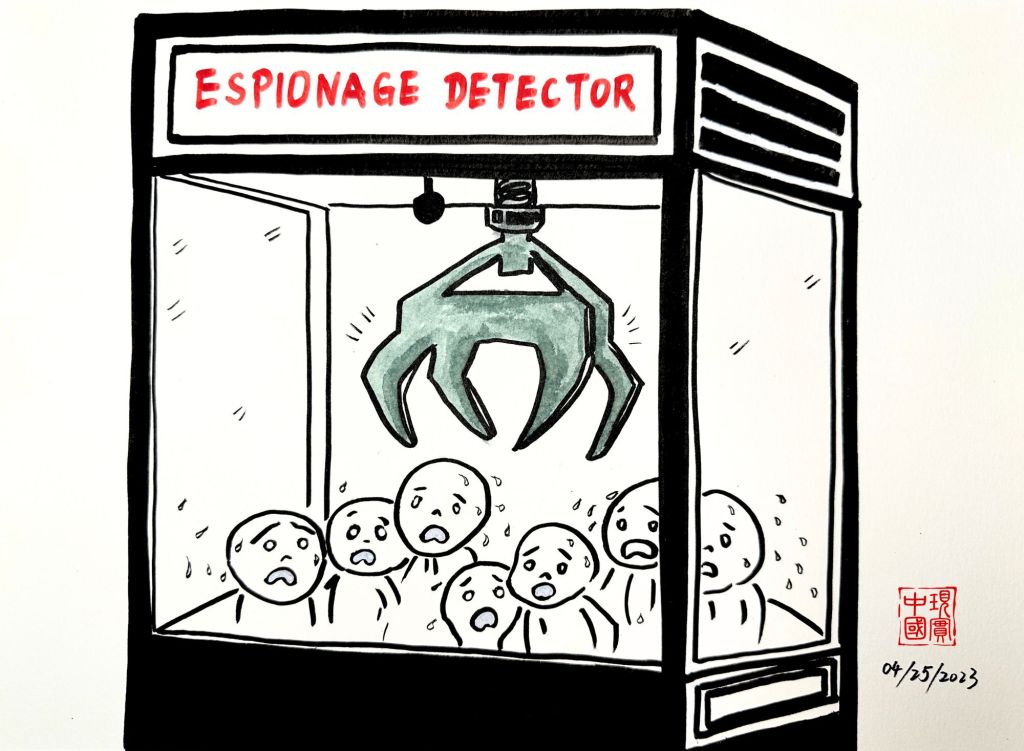
Chinese Editor Faces Espionage Trial After Arrest During Diplomat Lunch

A senior editor from a Chinese Communist Party newspaper, known for his liberal views, is set to face trial in Beijing on espionage charges after being arrested while having lunch with a Japanese diplomat. Dong Yuyu, deputy director of the commentary department and columnist at Guangming Daily, has had extensive interactions with foreigners, including diplomats and journalists, for his writing. His family believes these interactions are now being used against him as evidence of spying for Japan or the US.

Chinese President Xi Jinping has encouraged suspicion of foreign nations, especially the West, and has suppressed liberal views like Dong’s. Dong has contributed to both his own paper and relatively freer Chinese publications, many of which are now banned. He has also written for the New York Times Chinese website. It’s unclear if Dong is being targeted for his liberal views or his foreign contacts, or both. His family, fearing retaliation, has requested anonymity. The only evidence presented so far is his contacts with foreign diplomats and academic scholarships abroad.

Dong was arrested in February last year during a meeting with a Japanese diplomat, who was also detained but released hours later following Japanese government protests. Dong, however, was held in secret for six months before his formal arrest and recent indictment. He faces up to ten years in prison if convicted of espionage, with the trial date unknown and proceedings held in secret.

点此查看相关中文报道