
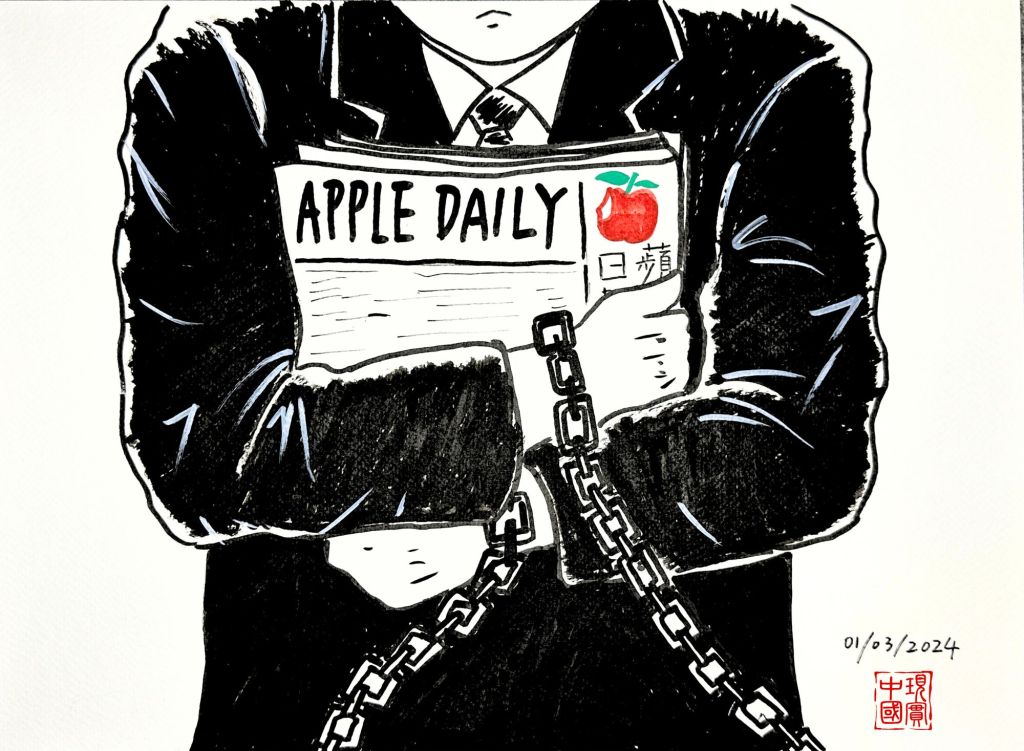
In a dramatic trial unfolding in Hong Kong, media tycoon Jimmy Lai, once a symbol of defiance against Beijing, faces severe charges under China’s National Security Law. Lai, known for his outspoken criticism of Beijing through his newspaper, APPLE DAILY, became a prominent figure in Hong Kong’s pro-democracy protests. Arrested in 2020, Lai now confronts allegations of colluding with foreign forces, which could lead to a life sentence. Despite international outcry over what many view as politically motivated charges, Lai appeared in court, greeted by supporters and family members, clad in a blue shirt and khaki jacket, his trademark defiance undiminished.
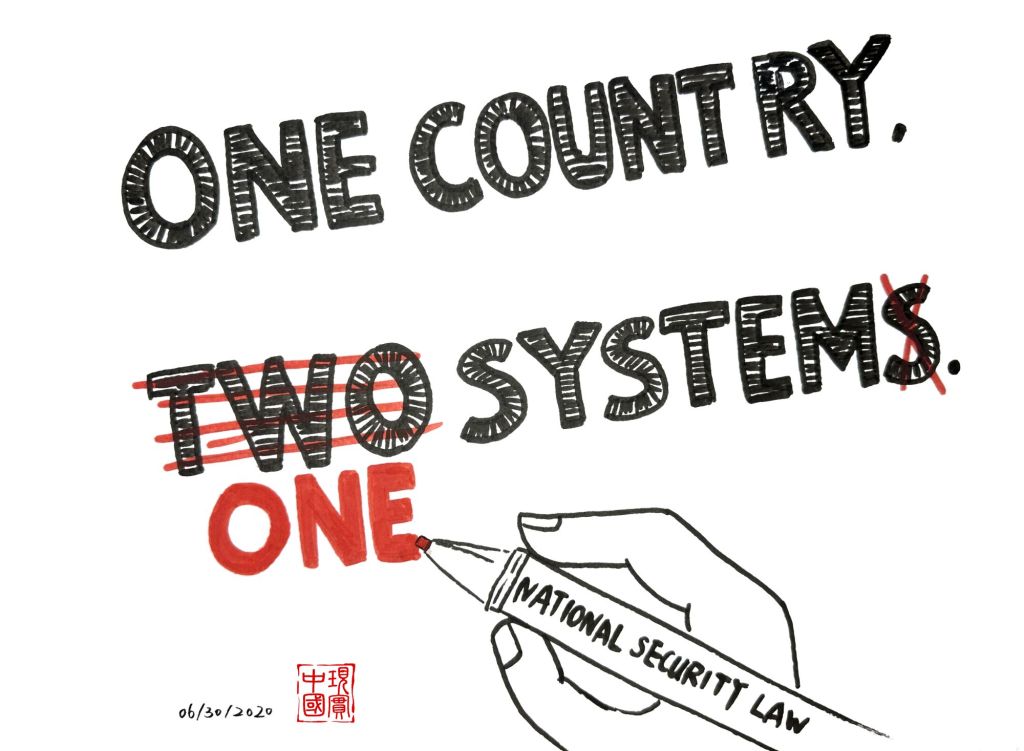
The trial marks a pivotal test for Hong Kong’s judicial independence under the controversial security law, widely criticized for eroding freedoms once enjoyed in the region. Amid heightened security at the courthouse, including police dogs and armored vehicles, supporters like elderly activist Grandma Wong continue to rally, waving British flags in protest against what they perceive as Beijing’s encroachment on Hong Kong’s autonomy.
As the trial proceeds, international observers and human rights advocates closely monitor proceedings, emphasizing concerns over fair trial standards and political interference. Lai’s case underscores broader tensions surrounding Hong Kong’s autonomy and the implications of Beijing’s tightening grip on dissent.
 The Truth Of China