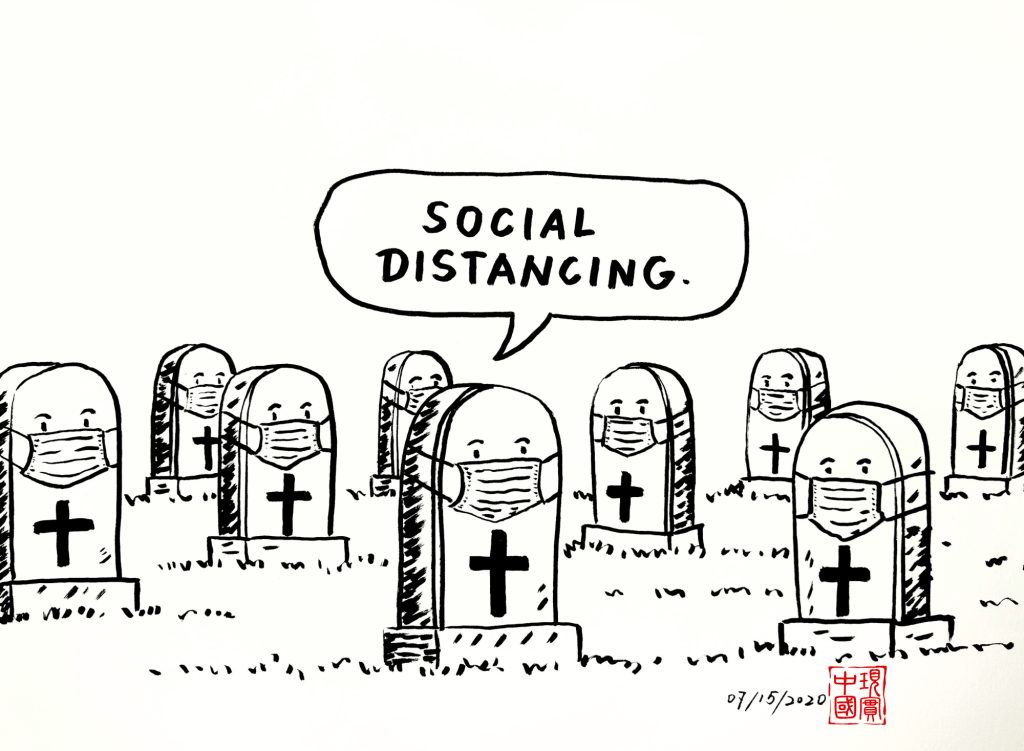
The Social Distancing Era: How It Has Changed Our Lives

Social Distancing

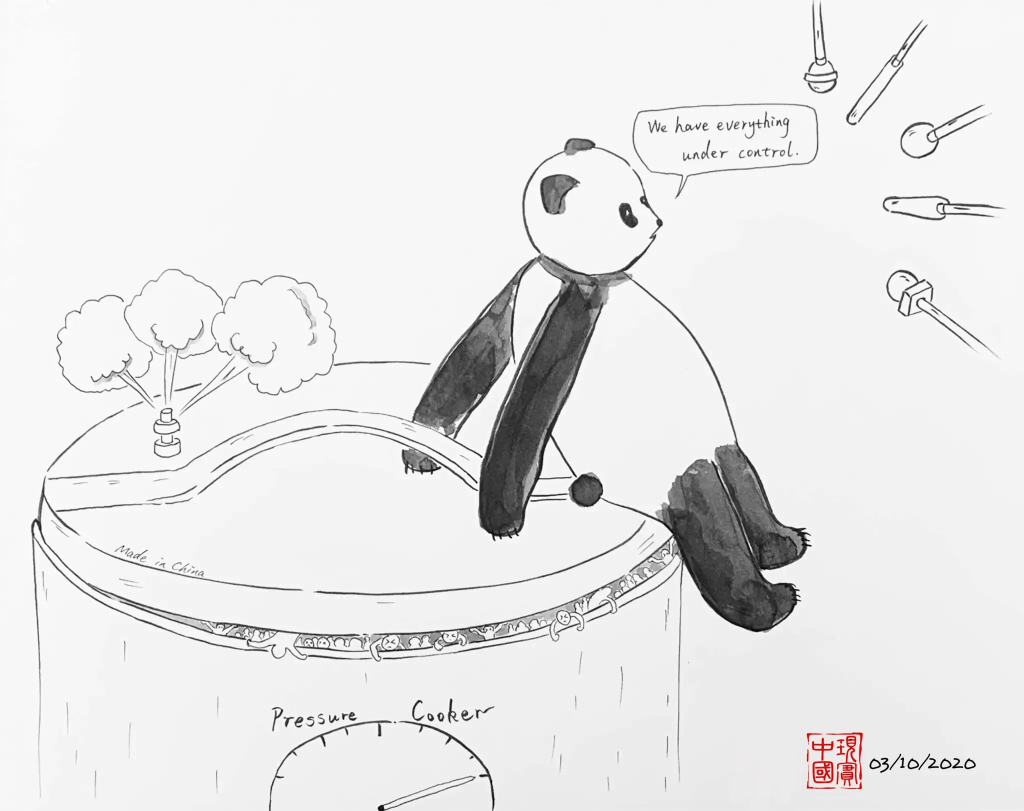
Social distancing has become a defining feature of our lives, significantly altering our daily routines and interactions. Designed to prevent the spread of the coronavirus, social distancing has turned bustling cities into quiet zones, with empty streets and closed businesses. Parks and playgrounds, once full of life, now stand silent.

Social interactions have been drastically affected. Gatherings with friends and family are rare, often replaced by virtual meetups. Hugs and handshakes are distant memories, replaced by awkward waves and elbow bumps. Celebrations like birthdays and weddings have been postponed or downsized, leading to feelings of loss and isolation.

Education has also shifted dramatically. Schools and universities have moved online, creating challenges for students and teachers. The lack of face-to-face interaction has highlighted the digital divide, leaving many students struggling to keep up.

Remote work has become the norm for many, bringing both flexibility and challenges. The lack of separation between home and work, along with endless virtual meetings, has increased burnout and fatigue.

Mental health has suffered too. The constant uncertainty and isolation have led to higher levels of anxiety and depression, emphasizing the importance of human connection. Even funerals have been affected. Restrictions have prevented loved ones from gathering to grieve together.

Wuhan Lockdown: An Unprepared Pause on an Entire City

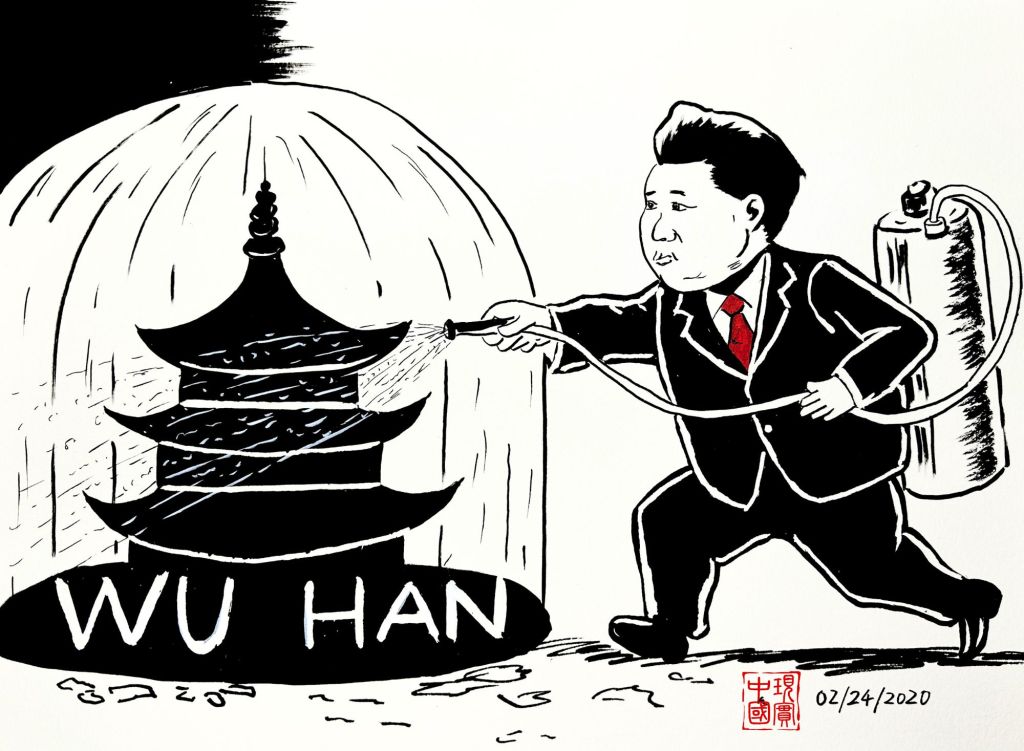
Under the Dome

In late January 2020, the world watched in shock as Wuhan, a city in central China, was abruptly placed under lockdown. This drastic measure, taken in response to the outbreak of a new and rapidly spreading virus, revealed the inhumane and unprepared nature of the government’s response.

At 10 am on January 23, Wuhan announced a lockdown, halting public transportation and closing all outbound travel routes. By 2 pm, highways were also shut down, effectively sealing off a city of about 9 million residents. An additional 5 million people managed to flee before the lockdown took full effect, scattering the virus across the country and even beyond China’s borders.

The timing of this lockdown could not have been more critical. As the Lunar New Year approached, Wuhan’s hospitals were overwhelmed with patients, and social media platforms were flooded with desperate pleas from frontline healthcare workers for protective equipment. The shortage of medical supplies was dire, leaving many vulnerable to infection. In a tragic consequence, bodies of deceased patients remained in hospitals for extended periods due to the sheer number of deaths.

The situation only worsened as Wuhan announced stricter measures, implementing complete residential lockdowns. Residents were confined to their homes, unable to leave except under special circumstances. This led to a surge in distress and panic among the populace, who found themselves trapped without adequate resources or support.

Recent official figures showed a staggering rise in cases, with a peak of 13,436 new confirmed cases in a single day. The total number of infections reached 32,994, with over a thousand deaths, nearly three times the death toll in mainland China during the SARS epidemic.

The Wuhan lockdown highlighted the lack of preparedness and the harshness of the government’s approach. Without proper planning, millions of lives were thrown into chaos, facing shortages of essential supplies and inadequate medical care.

China jails “gene-edited babies” scientist for three years

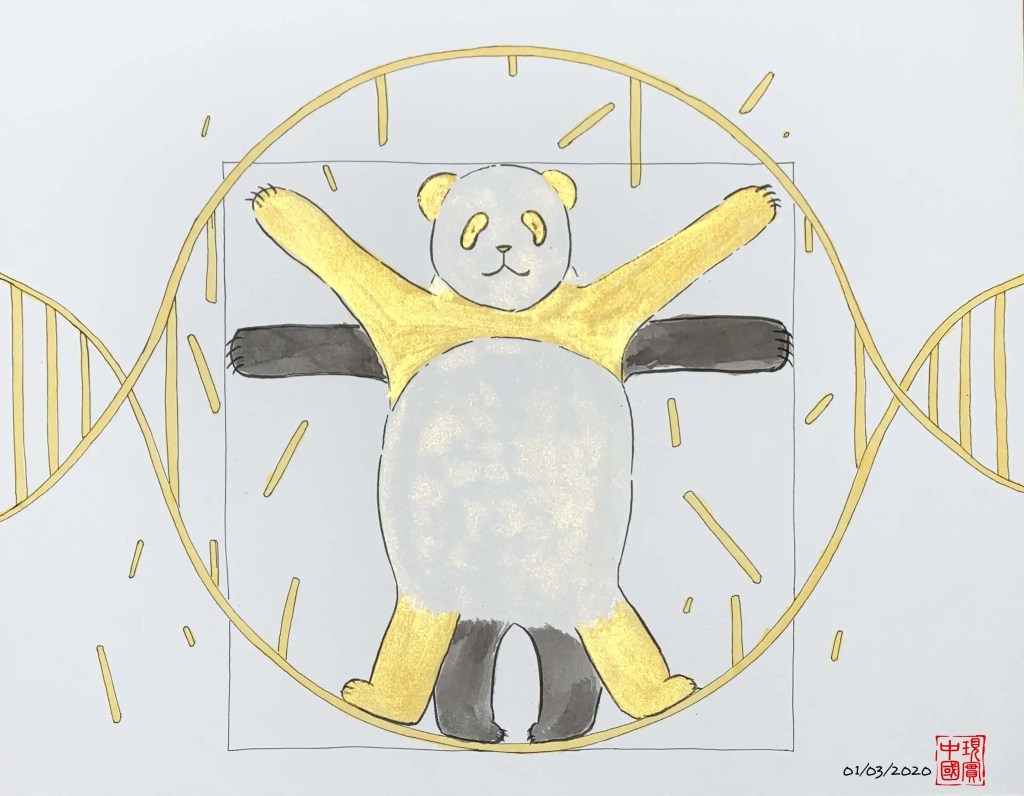
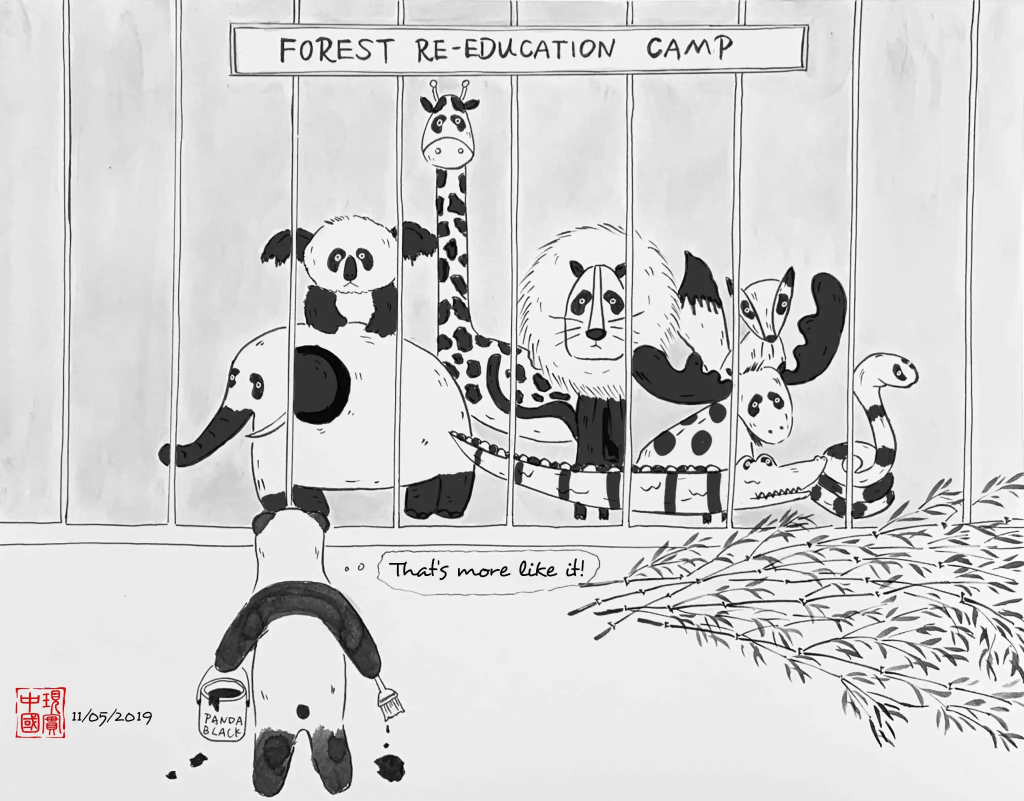
Cartoon: Gene-edited gold panda

He Jiankui, a scientist in China who said he had created the world’s first gene-edited babies, has been jailed for three years.

He was convicted of violating a government ban by carrying out his own experiments on human embryos, to try to give them protection against HIV.

He was globally condemned when he announced his experiments, and the birth of twin babies, last November.

China’s Cyber Sovereignty: 6th World Internet Conference

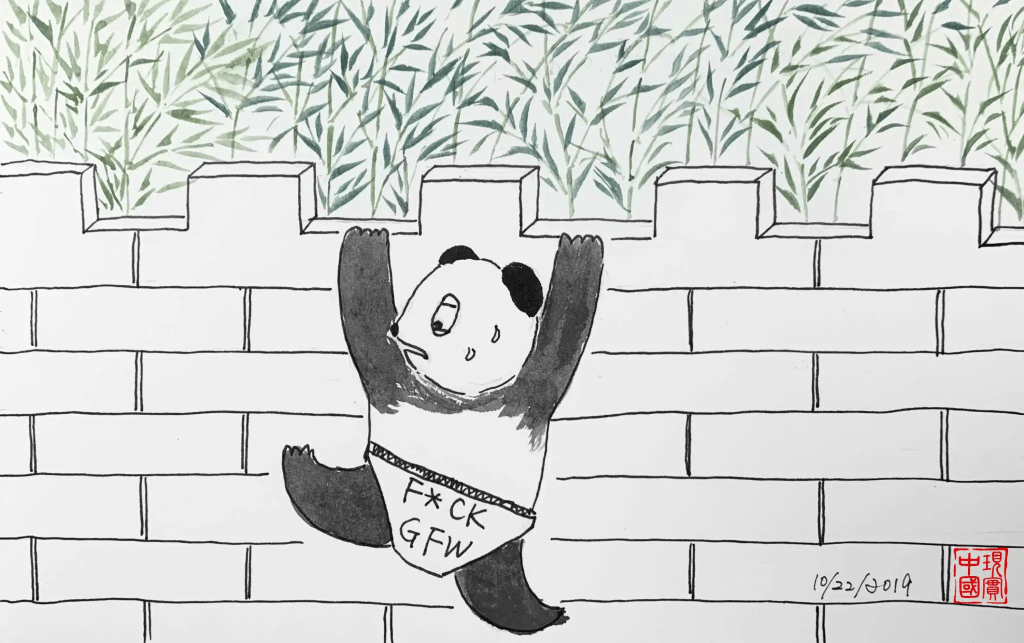
F*ck Great Fire Wall

“Cyber sovereignty” is a new paradigm for foreign companies to employ “Chinese-style censorship of public opinion”, where the state assumes control of what is shown on a country’s internet and keeps citizens partially cut off from a global internet. This has led to a starkly different world for younger generations of Chinese internet users, where Facebook, Twitter and Google are banned.

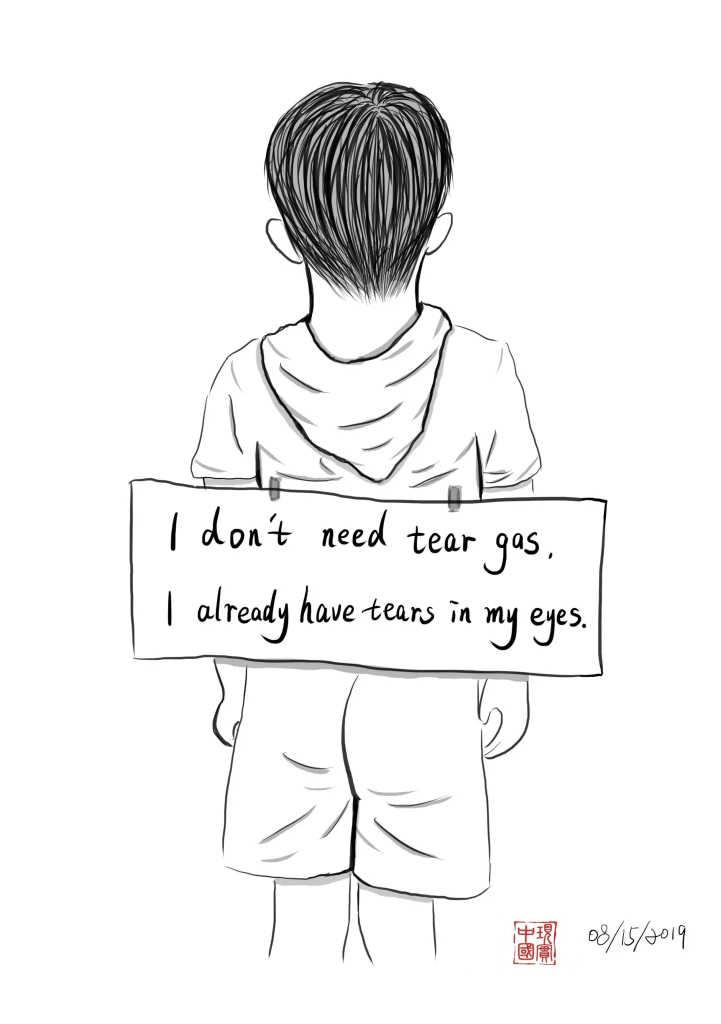
I don’t need tear gas, I already have tears in my eyes

I don’t need tear gas, I already have tears in my eyes.

On June 9, about one million Hong Kong people marched to the government headquarters to protest the Anti-Extradition Bill, which allows extraditions to mainland China. Since then, the protests has last months, and conflicts between protesters and police escalated.

On August 11th, policed stormed enclosed railway stations, firing tear gas at protesters, leading yet again to dramatic scenes of confrontation.

The next day, protesters gathered at the airport, leading to hundreds of flights being cancelled. A scene went viral, which was a little kid standing in the lobby with this sign. We can’t help thinking, what would be the future of the young kids of Hong Kong if this “One Country, Two Systems” finally become “One County, One System”?

China: World’s Worst Abuser of Internet Freedom again

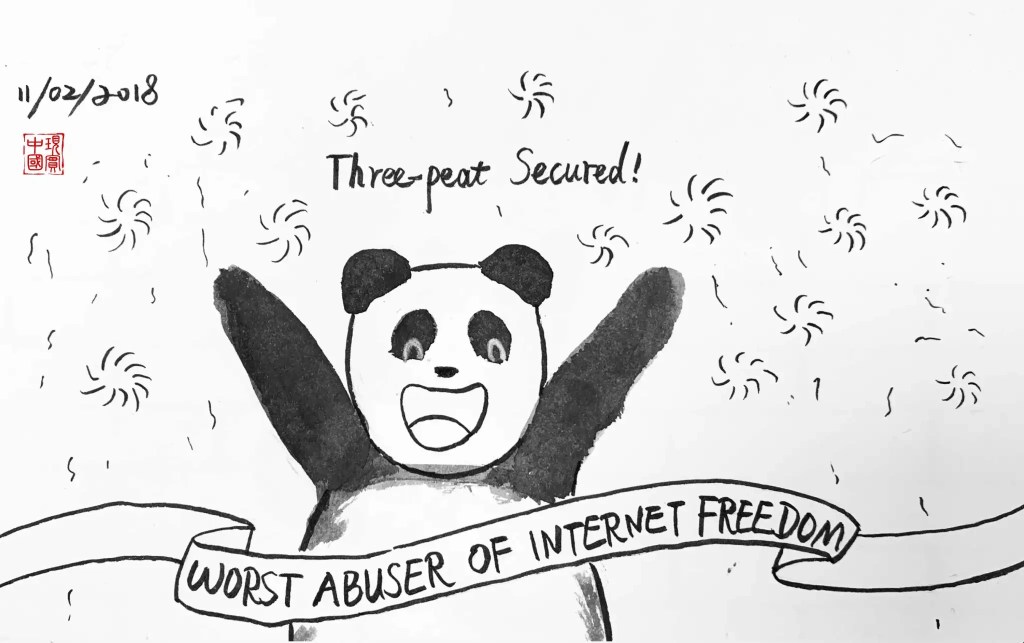
Three-peat Secured!

China is ranked as the World’s Worst Abuser of Internet Freedom for the third consecutive year, says the “Freedom on the Net 2018: The Rise of Digital Authoritarianism” report that was issued by Freedom House, a Washington-based think tank conducting research on advocacy and democracy.

According to the report, Internet controls within China reached new extremes in 2018 with the implementation of the sweeping Cybersecurity Law and upgrades to surveillance technology. The law centralizes all internet policy within the Cyberspace Administration of China (CAC), strengthens obligations for network operators and social media companies to register users under their real names, requires that local and foreign companies work to “immediately stop transmission” of banned content, and compels them to ensure that all data about Chinese users is hosted within the country. The Cybersecurity Law has been followed by hundreds of new directives—an average of nearly one every two days—to fine-tune what netizens can and cannot do online. Among other steps, authorities have cracked down on the use of VPNs to circumvent the Great Firewall, leading Apple to delete hundreds of the services from its local app store.