
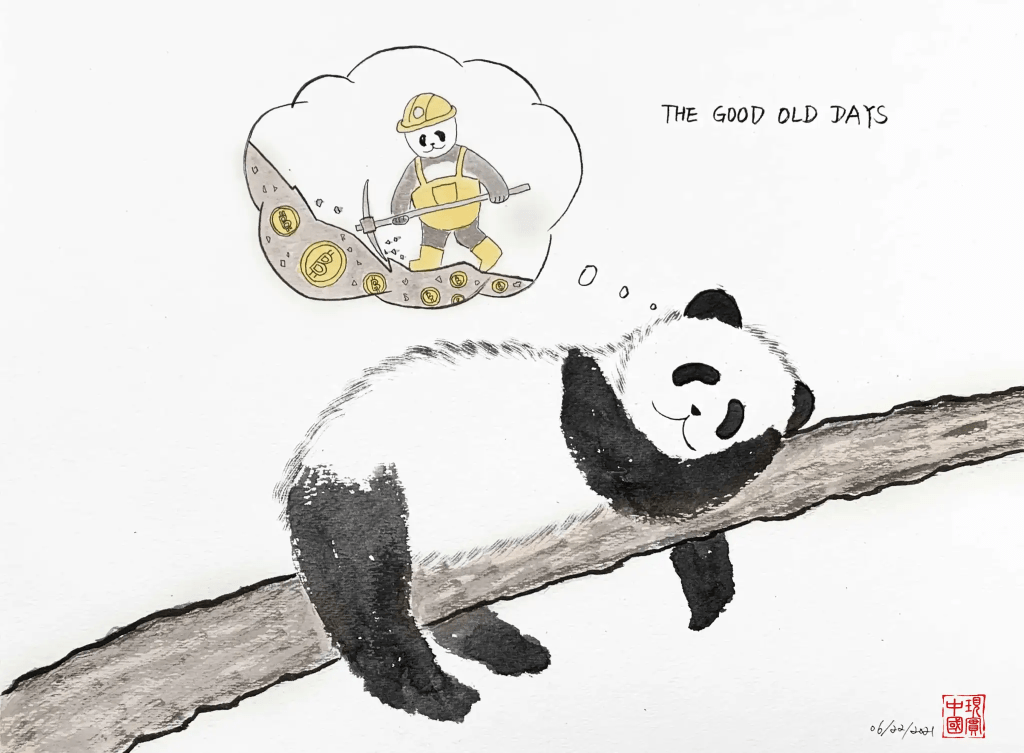
China’s sweeping ban on cryptocurrency mining has paralyzed an industry that accounts for over half of global bitcoin production, as miners dump machines in despair.
China’s sweeping ban on cryptocurrency mining has paralyzed an industry that accounts for over half of global bitcoin production, as miners dump machines in despair.
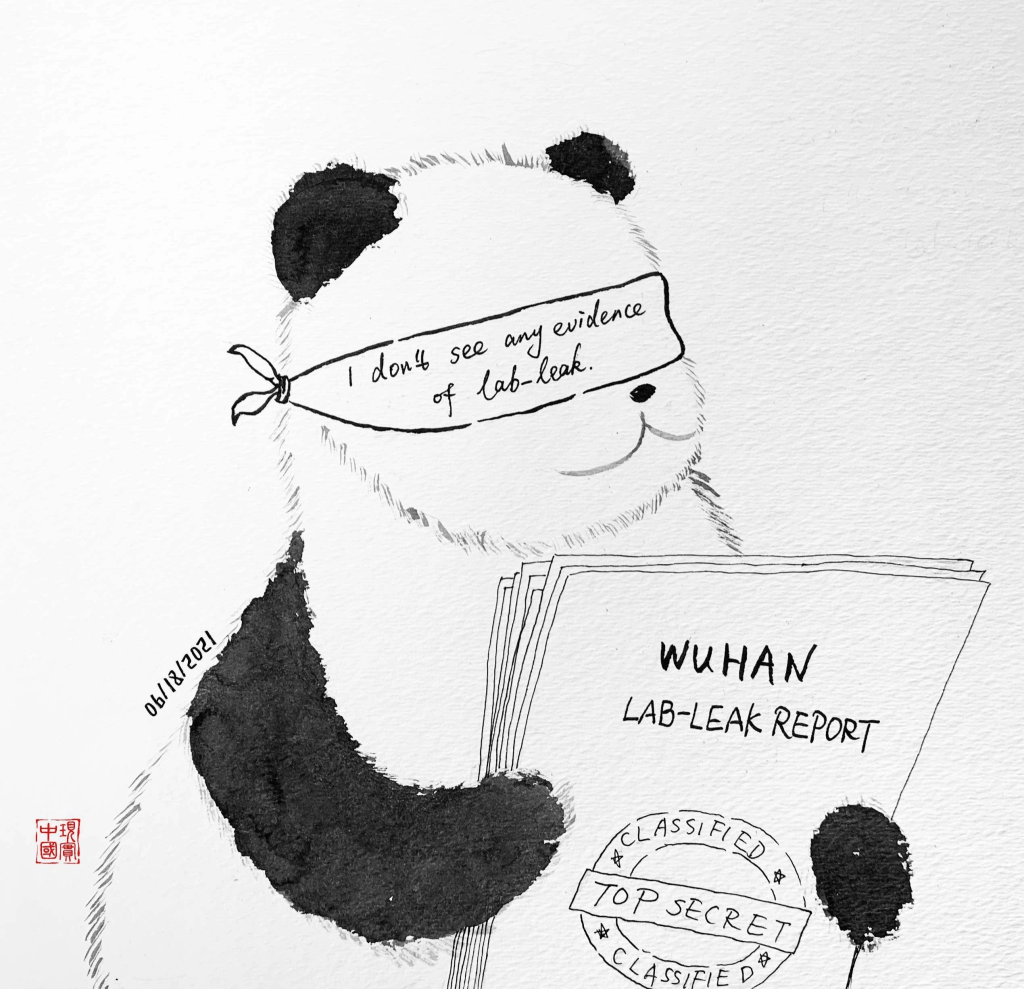
The debate over the origin of COVID-19 is now burning hot, with increasing demand for an international investigation into the possibility of a lab leak. However, a top scientist at the Wuhan Institute of Virology denied and told the New York Times there is no evidence, “I don’t know how the world has come to this, constantly pouring filth on an innocent scientist”.
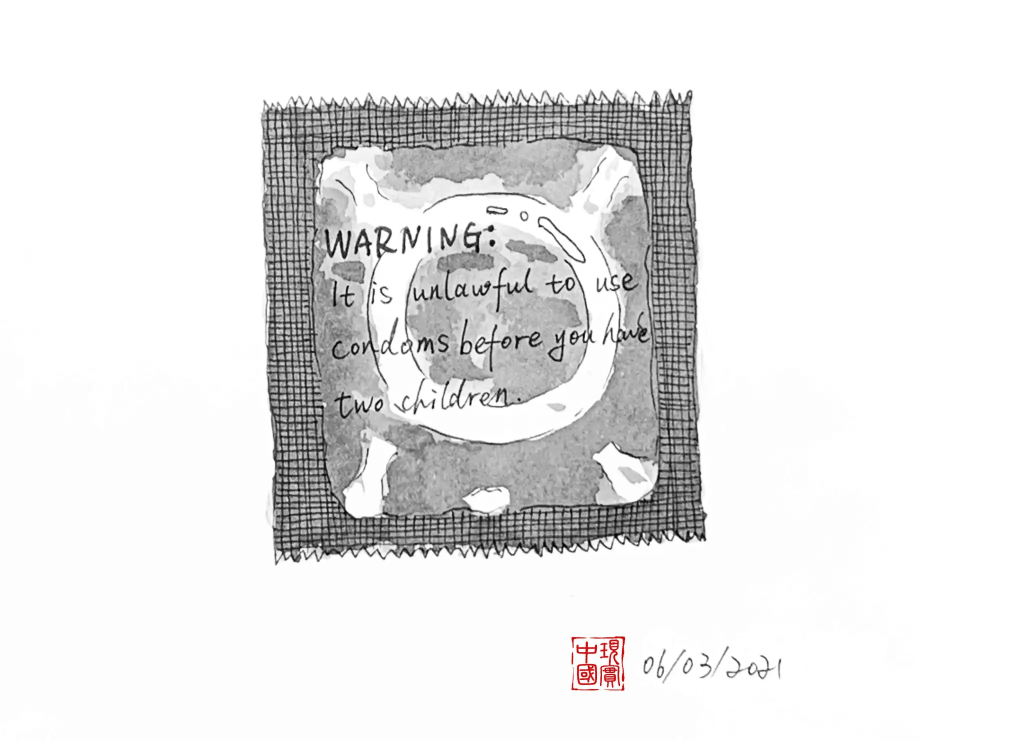
Shih Wing-ching, Chairman of Centaline Property Agency, recently wrote an article “How to solve the declining birth rate”. He said “I don’t support birth control. To take the basic birth responsibility as a human, I think people should be forbidden to use condoms unless they already have two children .”
Does that mean you may need to show your children’s birth certificates to buy condoms in China?
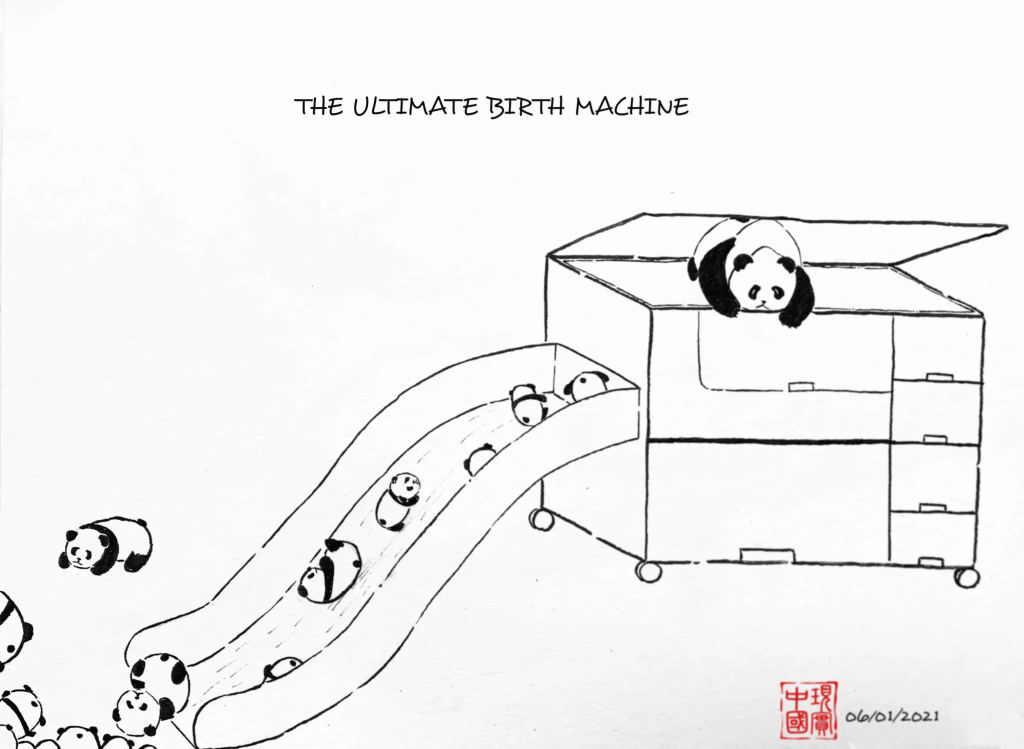
Shortly after releasing of the population census, China pivots to a 3-child policy to bring a baby boom. However, this won’t make a dent in its declining birth rate because the country’s young couples don’t want kids.
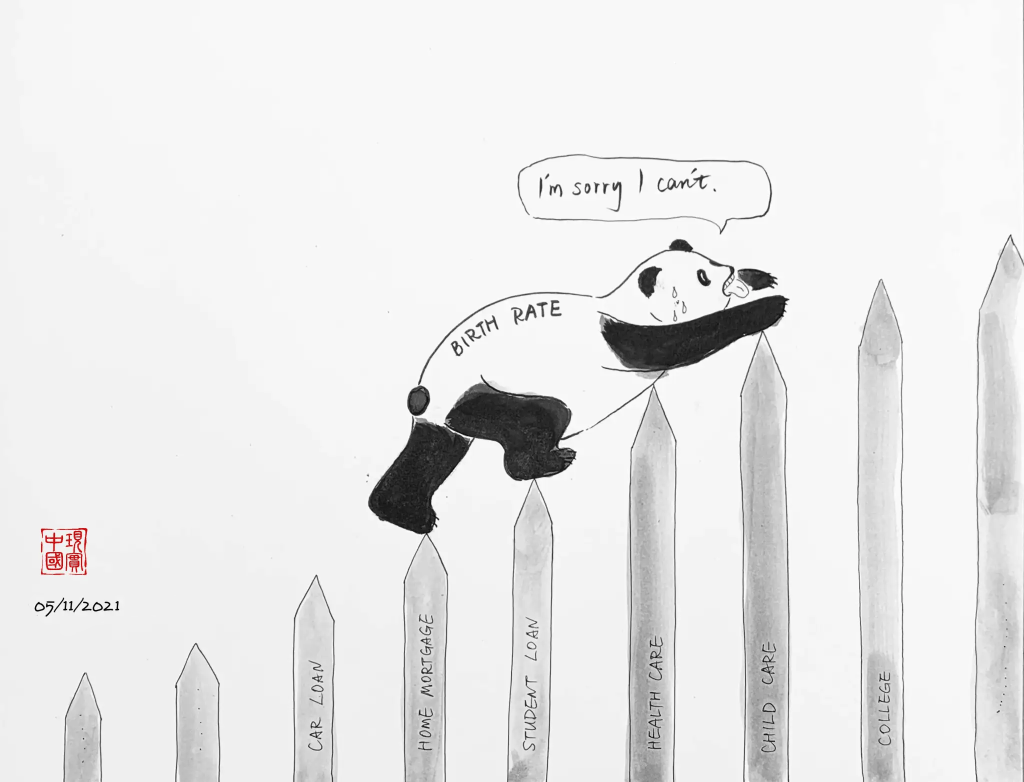
China’s birth rate was 1.3 children per woman, well below the replacement level-2.1— the rate needed to maintain a stable population. The data also showed a sharp rise in the percentage of Chinese aged 60 and above, to 18.7% of the population from 13.3% in 2010.
Experts say the slowdown birth rate is rooted in several trends, including the rise of women in the work force who are educated and don’t see marriage as necessary to achieving financial security, at least for themselves. For Chinese couples, many cannot afford to have children as living costs increase and their jobs demand more time and energy. Basically, it’s a society where nobody wants to get married and people can’t afford to have children.
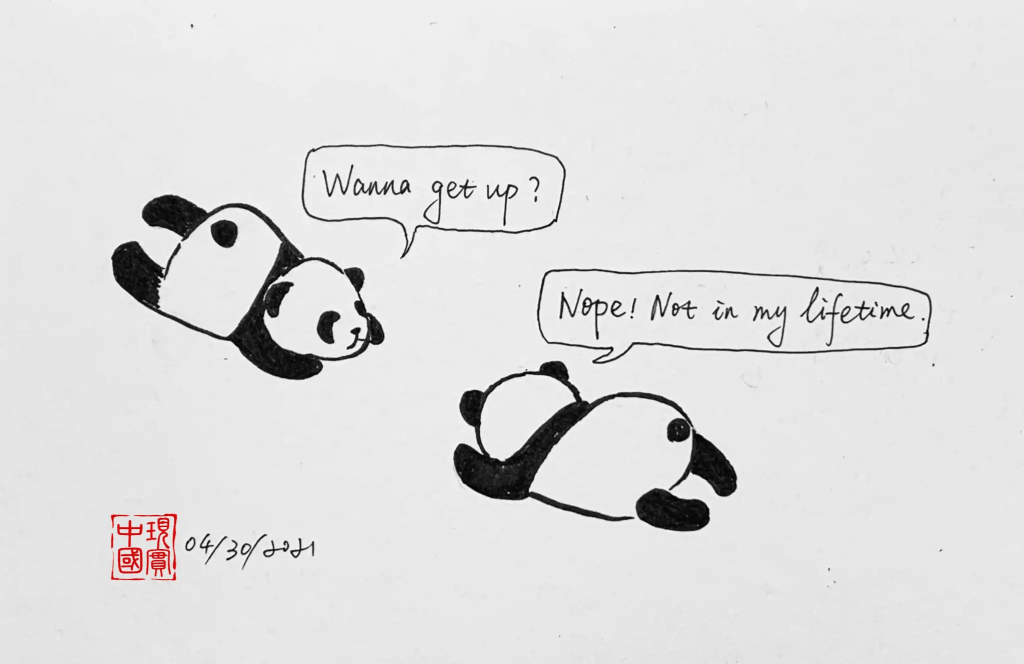
Young Chinese are rebelling against society through a simple act of resistance: lying flat. It’s a way of life include not getting married, not having children, not buying a house or a car and refusing to work extra hours or to hold a job at all.

Chinese President Xi Jinping called on Monday for national financial regulatory authorities to strengthen control over the internet economy. Chinese tech giants, already heavily suppressed by the government for monopolistic behavior, are likely to face more trouble.
In November, Xu Lin, Deputy Minister of the Central Propaganda Department, publicly stated that China must “resolutely prevent the weakening of the Party’s leadership in the name of integrated development,” referring to media integration, and “resolutely guard against the risk of capital manipulating public opinion.”
The message is clear: only the Party can censor and manipulate public opinion.
Authorities establish cybersecurity police units directly within major internet companies. Countless users have been arrested and imprisoned for criticizing the government on Tencent’s WeChat. ByteDance, the parent company of the video-sharing app TikTok, closely cooperates with police to push official propaganda and cover up human rights abuses in Xinjiang.
Tech company CEOs in China have little room to negotiate or resist regulatory authorities because there is no rule of law and nowhere to appeal in China. No one understands the consequences of deviating from the Party line better than Jack Ma, founder of Alibaba and its affiliate Ant Financial. In November, the initial public offering of Ant Financial was abruptly halted by Chinese regulatory authorities just days before its scheduled listing because Ma had publicly criticized China’s financial regulatory system for stifling innovation in a speech.
After that speech, Ma disappeared from public view until he reappeared in an online video in late January, discussing how to support Xi Jinping’s vigorously promoted rural poverty alleviation economic strategy through philanthropic activities.
In this era of government versus tech giants, we already know which side will prevail in China. Big tech companies are simply no match.
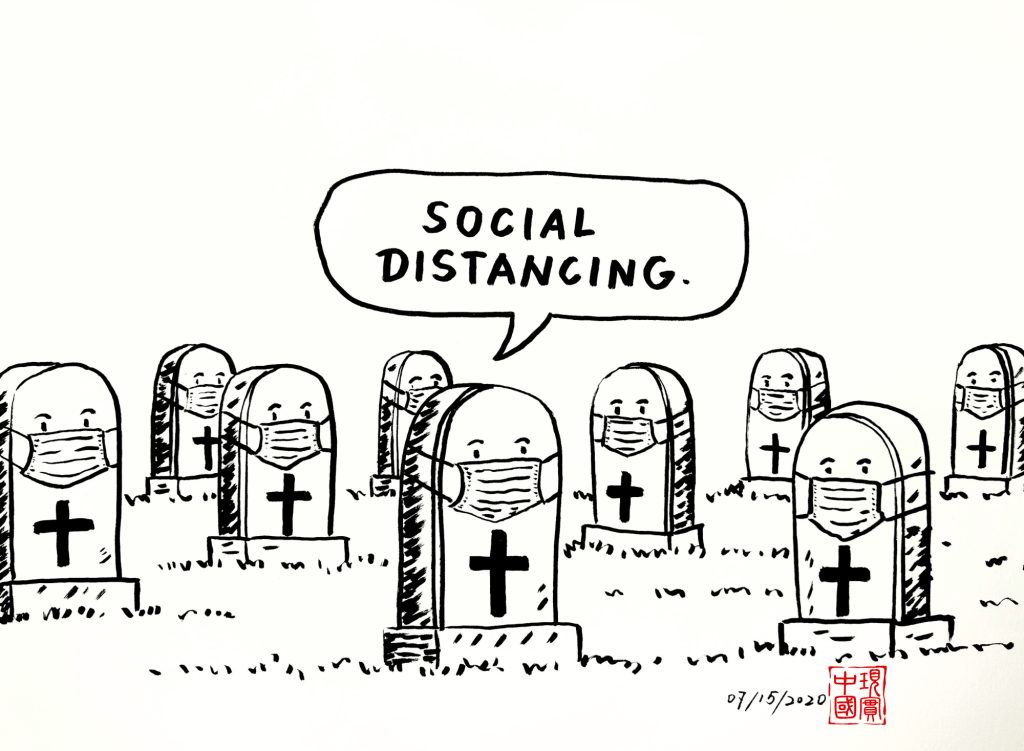
Social distancing has become a defining feature of our lives, significantly altering our daily routines and interactions. Designed to prevent the spread of the coronavirus, social distancing has turned bustling cities into quiet zones, with empty streets and closed businesses. Parks and playgrounds, once full of life, now stand silent.
Social interactions have been drastically affected. Gatherings with friends and family are rare, often replaced by virtual meetups. Hugs and handshakes are distant memories, replaced by awkward waves and elbow bumps. Celebrations like birthdays and weddings have been postponed or downsized, leading to feelings of loss and isolation.
Education has also shifted dramatically. Schools and universities have moved online, creating challenges for students and teachers. The lack of face-to-face interaction has highlighted the digital divide, leaving many students struggling to keep up.
Remote work has become the norm for many, bringing both flexibility and challenges. The lack of separation between home and work, along with endless virtual meetings, has increased burnout and fatigue.
Mental health has suffered too. The constant uncertainty and isolation have led to higher levels of anxiety and depression, emphasizing the importance of human connection. Even funerals have been affected. Restrictions have prevented loved ones from gathering to grieve together.
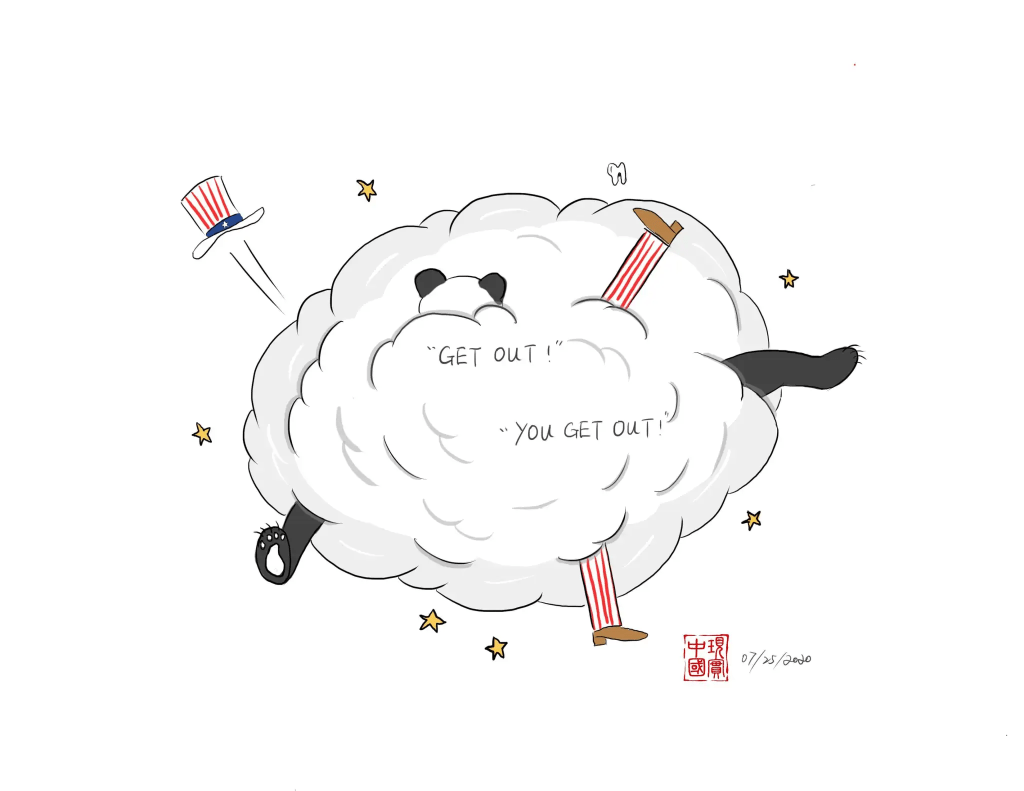
On July 21, The US ordered China to close its consulate in Houston, Texas. Three days later, China ordered US to close Chengdu Consulate as payback. This tit-for-tat consulate closures were followed on both sides by calls to return to more normal relations.
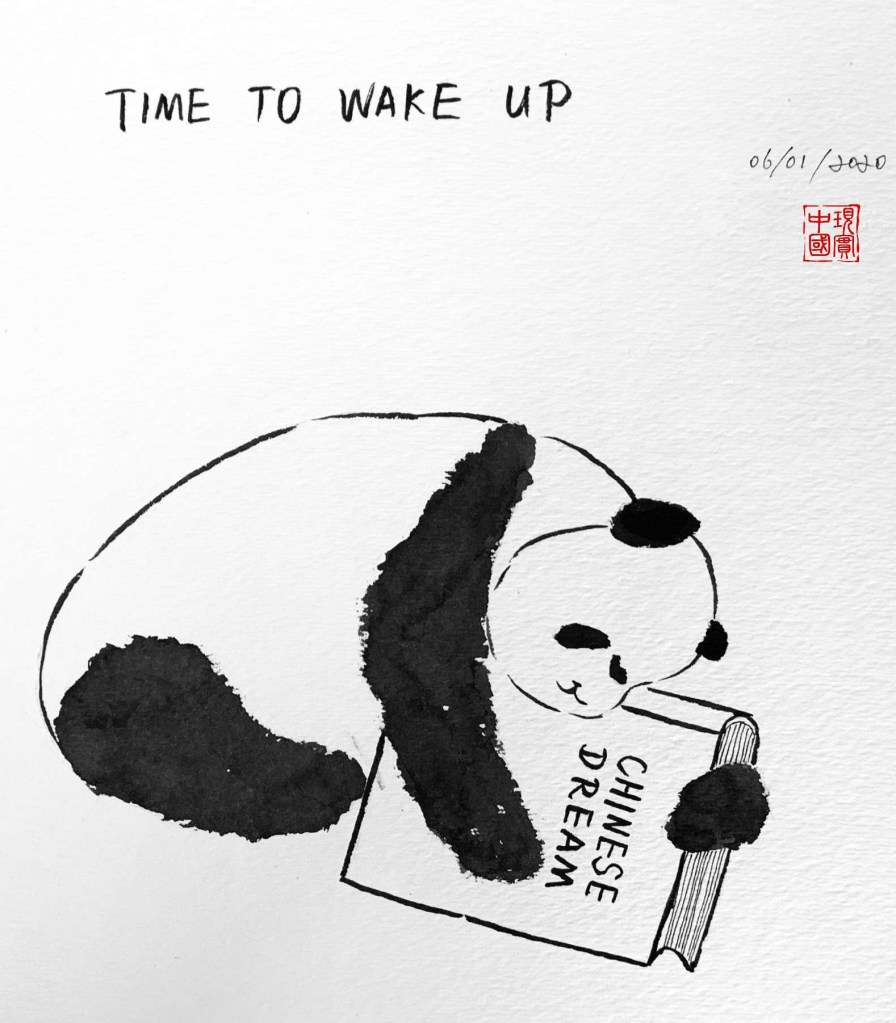
Over 600 million people, more than 40% of China’s population earned only about 1000 yuan (USD 141) per month last year, said Chinese Premier Li Keqiang at the end of the National People’s Congress in May. Li said that China now faces a daunting task in slashing absolute poverty.

This pandemic has changed our life completely, and face mask has become a part of our daily life.
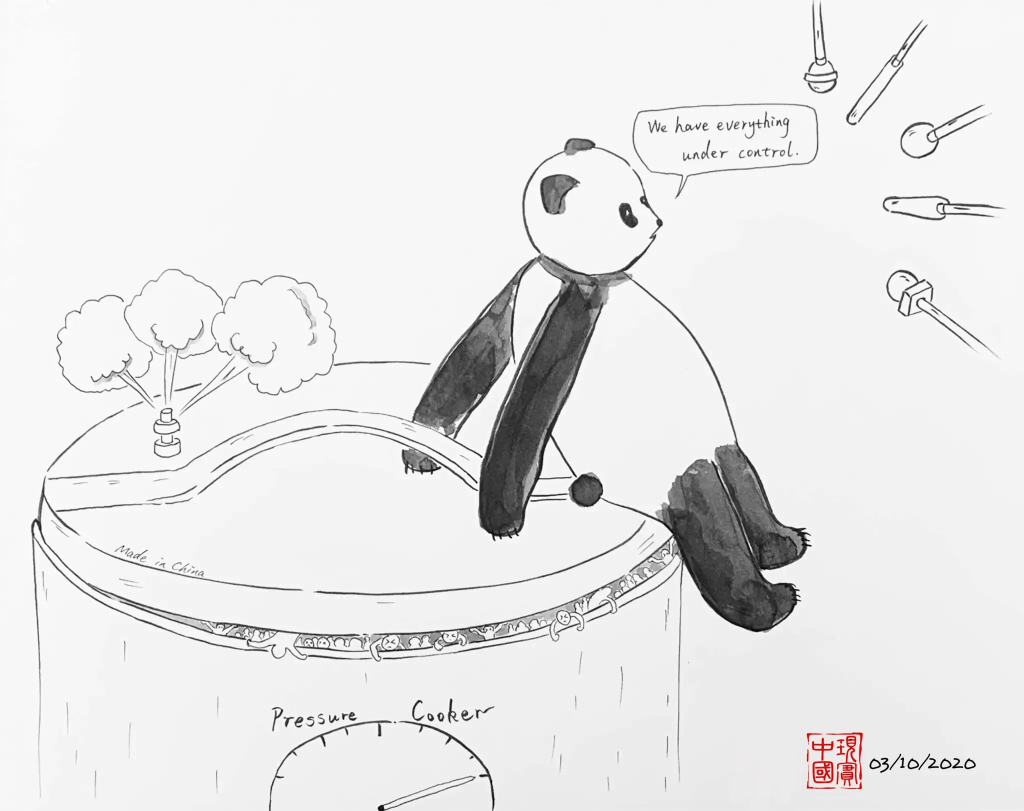
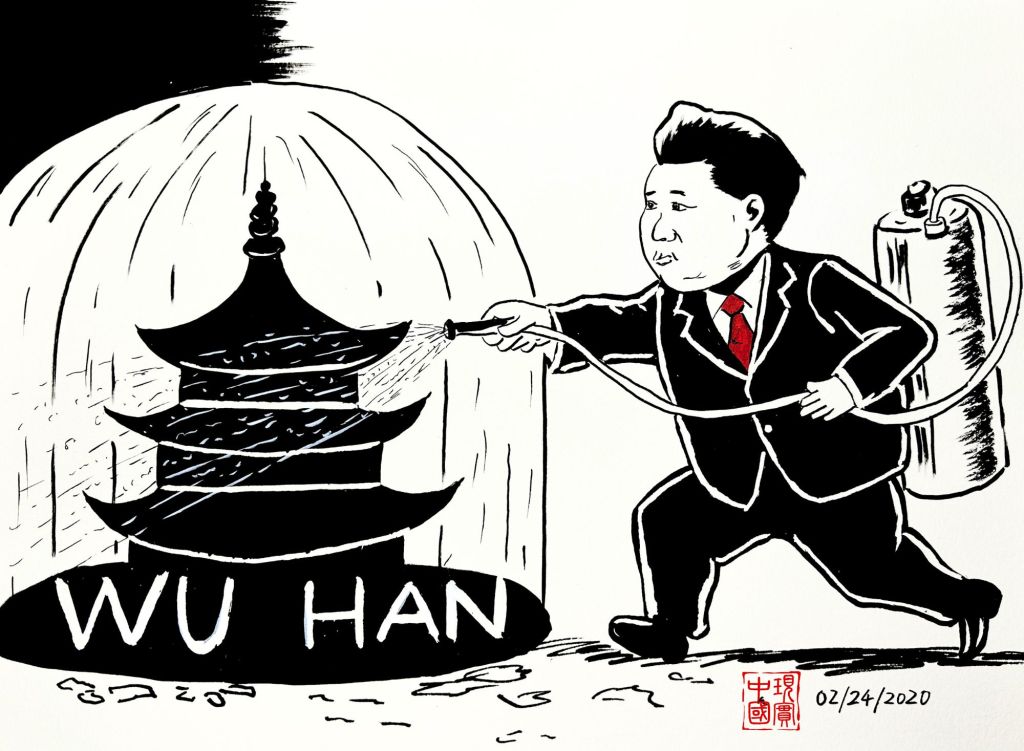
In late January 2020, the world watched in shock as Wuhan, a city in central China, was abruptly placed under lockdown. This drastic measure, taken in response to the outbreak of a new and rapidly spreading virus, revealed the inhumane and unprepared nature of the government’s response.
At 10 am on January 23, Wuhan announced a lockdown, halting public transportation and closing all outbound travel routes. By 2 pm, highways were also shut down, effectively sealing off a city of about 9 million residents. An additional 5 million people managed to flee before the lockdown took full effect, scattering the virus across the country and even beyond China’s borders.
The timing of this lockdown could not have been more critical. As the Lunar New Year approached, Wuhan’s hospitals were overwhelmed with patients, and social media platforms were flooded with desperate pleas from frontline healthcare workers for protective equipment. The shortage of medical supplies was dire, leaving many vulnerable to infection. In a tragic consequence, bodies of deceased patients remained in hospitals for extended periods due to the sheer number of deaths.
The situation only worsened as Wuhan announced stricter measures, implementing complete residential lockdowns. Residents were confined to their homes, unable to leave except under special circumstances. This led to a surge in distress and panic among the populace, who found themselves trapped without adequate resources or support.
Recent official figures showed a staggering rise in cases, with a peak of 13,436 new confirmed cases in a single day. The total number of infections reached 32,994, with over a thousand deaths, nearly three times the death toll in mainland China during the SARS epidemic.
The Wuhan lockdown highlighted the lack of preparedness and the harshness of the government’s approach. Without proper planning, millions of lives were thrown into chaos, facing shortages of essential supplies and inadequate medical care.
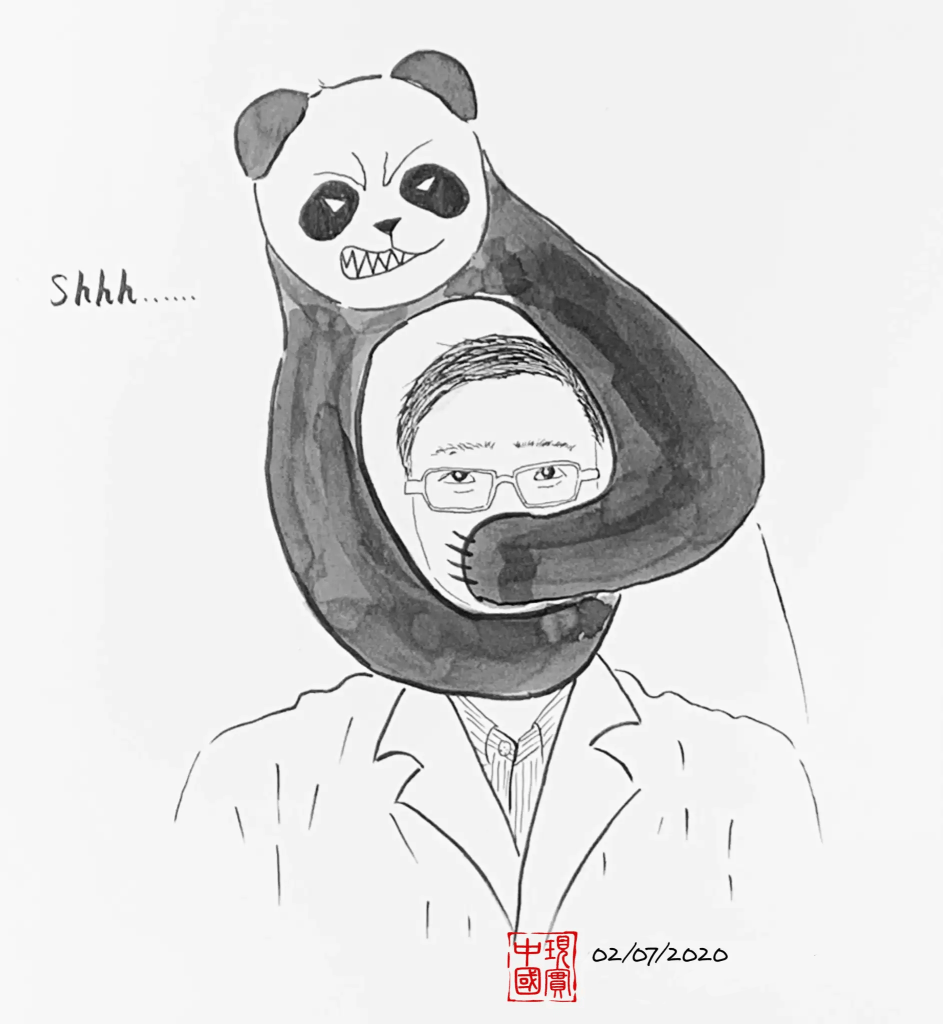
Li Wenliang, the Chinese doctor who tried to warn about the coronavirus outbreak on December 30, 2019, but police told him to stop “making false comments”.
He contracted the virus while working at Wuhan Central Hospital, and died today at age 34.
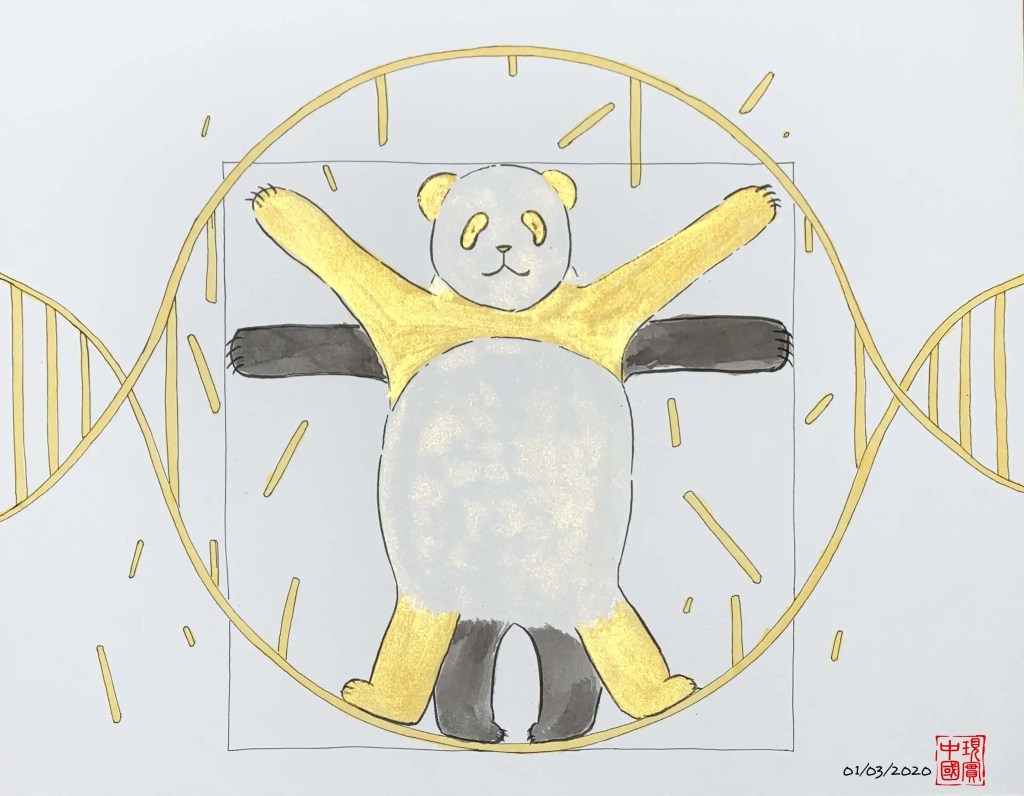
He Jiankui, a scientist in China who said he had created the world’s first gene-edited babies, has been jailed for three years.
He was convicted of violating a government ban by carrying out his own experiments on human embryos, to try to give them protection against HIV.
He was globally condemned when he announced his experiments, and the birth of twin babies, last November.
 The Truth Of China