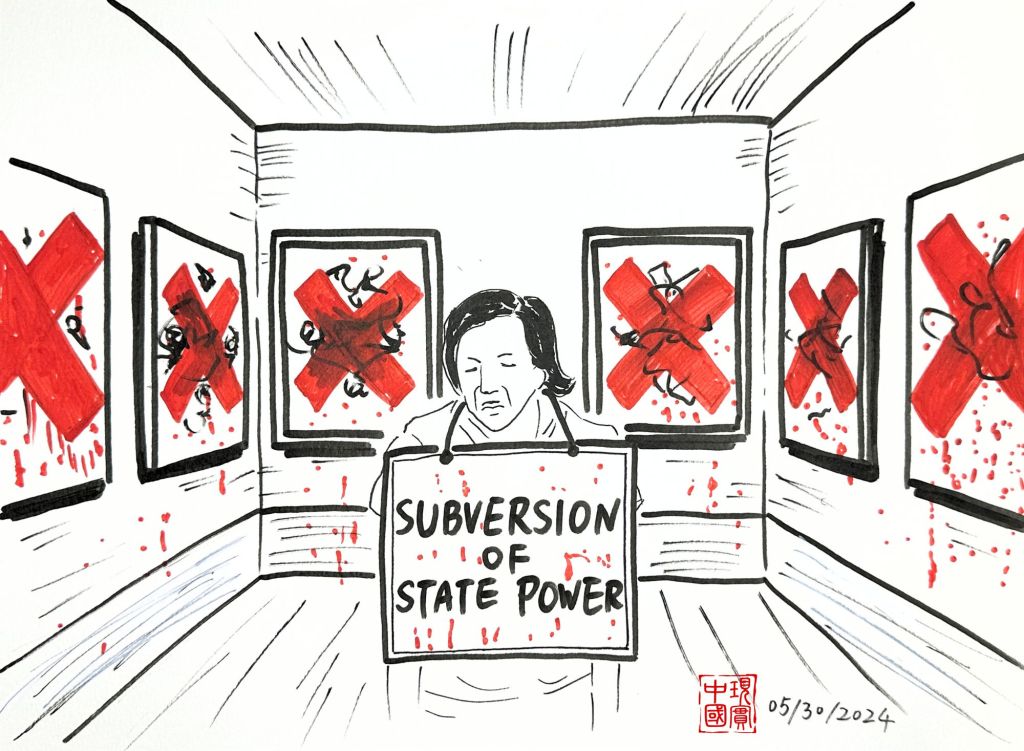
On Friday, a court in southern China sentenced prominent feminist journalist Huang Xueqin to five years in prison for inciting subversion of state power, marking Beijing’s latest crackdown on civil society. Labor activist Wang Jianbing received a three-year, six-month sentence on the same charge. Their activities leading to arrest and conviction included organizing discussions, supporting other activists, and receiving overseas training. Experts note the severity of these legal actions, even by Chinese standards, signaling a shrinking space for independent social discourse. Huang, once a vocal figure in China’s #MeToo movement and later a writer on Hong Kong protests, and Wang, an advocate for worker and disability rights, faced prolonged detention before a brief trial last September. Critics argue these cases reflect broader suppression of topics like women’s and workers’ rights under increasingly expansive interpretations of “threats to public order.”
Human Rights Watch stated today that since June 12, 2019, when Hong Kong citizens took to the streets in a months-long democratic protest, the Chinese government has continued to stifle basic freedoms in the city. Government data shows that over 10,000 protesters have been arrested, with 2,910 facing charges and 1,475 convicted.
Governments worldwide should hold accountable Hong Kong and Chinese officials responsible for human rights abuses, including imposing sanctions such as asset freezes and travel bans.
“In five years of Hong Kong’s struggle, the government has not apologized or held the police accountable for abuses; instead, officials involved in the crackdown have been promoted to leadership positions,” said Wang Songlian, Acting China Director at Human Rights Watch. “Criticism of the police or seeking justice can now lead to imprisonment in Hong Kong.”
The proposed extradition bill in February 2019 sparked massive peaceful protests, with over a million people demonstrating on June 9 against its passage. By June 12, tens of thousands had gathered around the Legislative Council, occupying nearby streets. Police responded with tear gas, beanbag rounds, and rubber bullets, injuring dozens. Former Chief Executive Carrie Lam condemned the protests as “riots.”
Over the next six months, Hong Kong saw daily protests demanding the withdrawal of the extradition bill, an end to the riot classification, dropping charges against protesters, an independent inquiry into police misconduct, and genuine universal suffrage.
While the extradition bill was withdrawn, none of the other demands, including investigation into police violence, were met. Protests spread across Hong Kong, involving people from all walks of life. The largest protest on June 16, 2019, drew an estimated two million people in a city of seven million.
Hong Kong police increasingly used excessive and indiscriminate force against largely peaceful protesters, violating international human rights standards. They fired pepper balls, tear gas canisters, and rubber bullets, including shooting at close range, causing injuries like blindness.
Police actions included firing tear gas in subway stations and malls, assaulting protesters’ heads, chasing crowds in ways that risked stampedes, driving vehicles into crowds, and unnecessarily tackling protesters including pregnant women, children, and the elderly.
As of June 2024, China and Hong Kong have employed various tactics to suppress civil liberties, including enacting stringent national security laws, arresting and prosecuting elected legislators, dismantling civil society organizations and independent unions, and shutting down pro-democracy media.
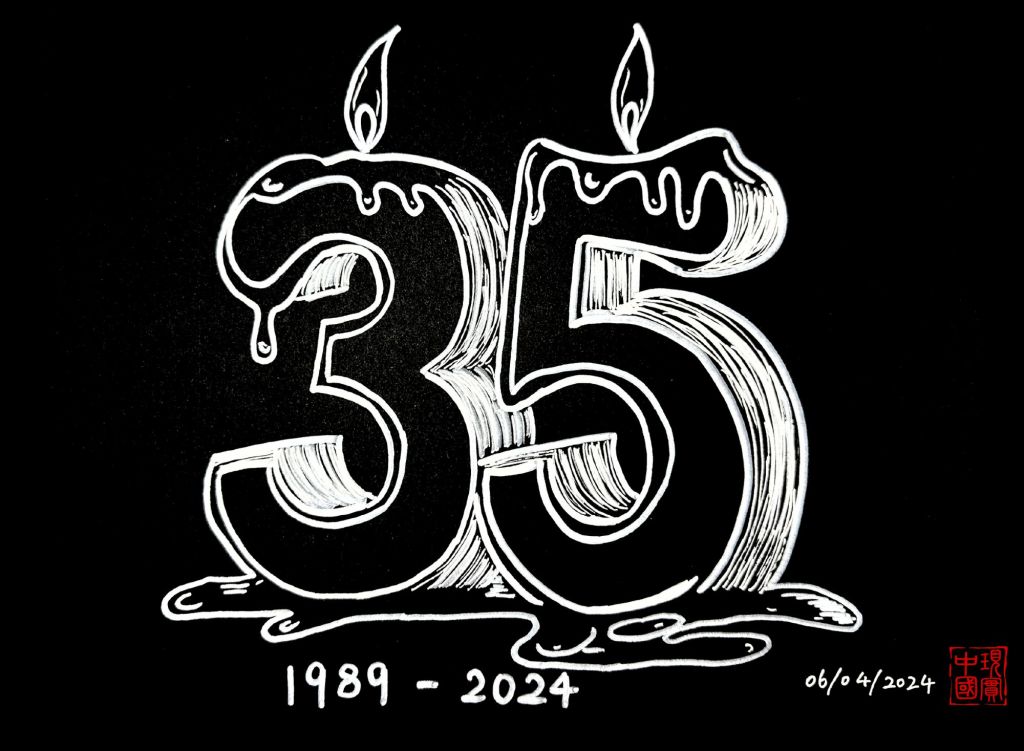
As we mark the 35th anniversary of the Tiananmen Square massacre, it’s a somber moment to reflect on a pivotal event in modern history. On June 4, 1989, peaceful protests in Beijing demanding democratic reforms met a tragic end as Chinese authorities cracked down with force, resulting in countless deaths and injuries.
The memory of those brave individuals standing for freedom and democracy resonates globally, reminding us of the enduring struggle for human rights. Despite efforts to suppress the truth, the spirit of Tiananmen lives on through the courage of those who continue to seek justice and accountability.
In a landmark ruling on Thursday, a Hong Kong court sentenced dozens of prominent democracy activists and leaders to potential life imprisonment, marking a severe crackdown under Beijing’s imposed national security law. The charges stem from organizing primary elections to enhance their chances in city-wide elections, deemed by authorities as a conspiracy to subvert state power.
Among the convicted are figures like legal scholar Benny Tai and protest leader Joshua Wong, whose activism symbolized Hong Kong’s vibrant political landscape. The verdict underscores Beijing’s use of broad powers to suppress dissent, turning these activists into political prisoners, some of whom were lawmakers since Hong Kong’s handover to China in 1997.
Most of the defendants have spent at least the last three years in detention ahead of and during the 118-day trial. It highlight a fundamental shift in Hong Kong’s political environment, where even mild opposition activities are no longer tolerated. Critics argue that the government’s prosecution of nonviolent electoral preparations undermines the city’s once-celebrated judicial independence and freedom of elections.
As Hong Kong faces its most significant political challenge in decades, international observers view these trials as a litmus test for Hong Kong’s judicial independence and fear a chilling effect on free speech and dissent.
Renowned mainland dissident artist Yan Zhengxue passed away early Tuesday morning in Beijing at the age of 80. Yan, a staunch advocate for vulnerable communities’ rights, faced forced labor, secret detention, and a three-year prison sentence in 2006 for “inciting subversion of state power.” His sculptures, including one of Lin Zhao, executed during the Cultural Revolution, were deemed too sensitive for public display, shrouded in curtains during exhibitions. Despite government suppression, Yan’s art persisted, urging remembrance of China’s tumultuous political history. His passing marks a solemn moment for free expression advocates, echoing the enduring resilience of artists under authoritarian regimes.
In a Beijing police station, walls are covered with papers, each representing a building in a large residential area. These papers list residents’ names, phone numbers, and other details, with color codes indicating their risk levels. Green means safe, yellow means to be watched, and orange signifies strict monitoring. A police officer marked a third-floor apartment in yellow, noting its high turnover and labeling it as “high risk” for follow-up.
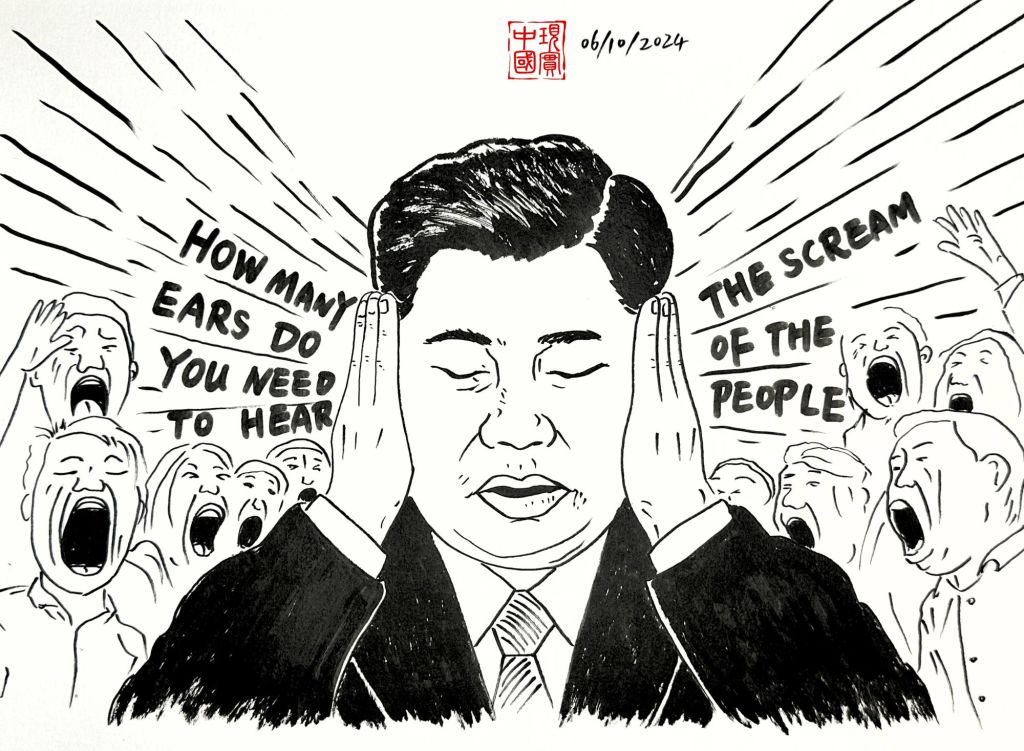
This meticulous surveillance is a cornerstone of Xi Jinping’s grassroots governance strategy: more visible, invasive, and vigilant against real or perceived threats. Police officers immerse themselves in communities, understanding neighborhood disputes and recruiting retirees as extra eyes and ears. Employers are required to appoint “security advisors” to report regularly to the police.
Historically, the Chinese Communist Party (CCP) has implemented extensive surveillance on activists and dissenters. During the COVID-19 pandemic, this surveillance expanded to track nearly every urban resident. Xi Jinping aims to make this control permanent, embedding the Party deeply into daily life to prevent any disruptions, no matter how minor or non-political.
This approach, known as the “New Era Fengqiao Experience,” revives a method from Mao’s era where citizens were mobilized to publicly shame and control class enemies. Xi frequently references Fengqiao to highlight the Party’s commitment to addressing people’s needs, despite suppressing free speech and dissent.
This strategy aims to strengthen Beijing’s ability to quash dissent amid growing economic challenges and social unrest, solidifying the Party’s control and extending its reach into every aspect of citizens’ lives.
Last Tuesday, the UK Foreign Office summoned the Chinese ambassador for a formal rebuke following the arrest of three men accused of aiding Hong Kong intelligence and raiding a residence.
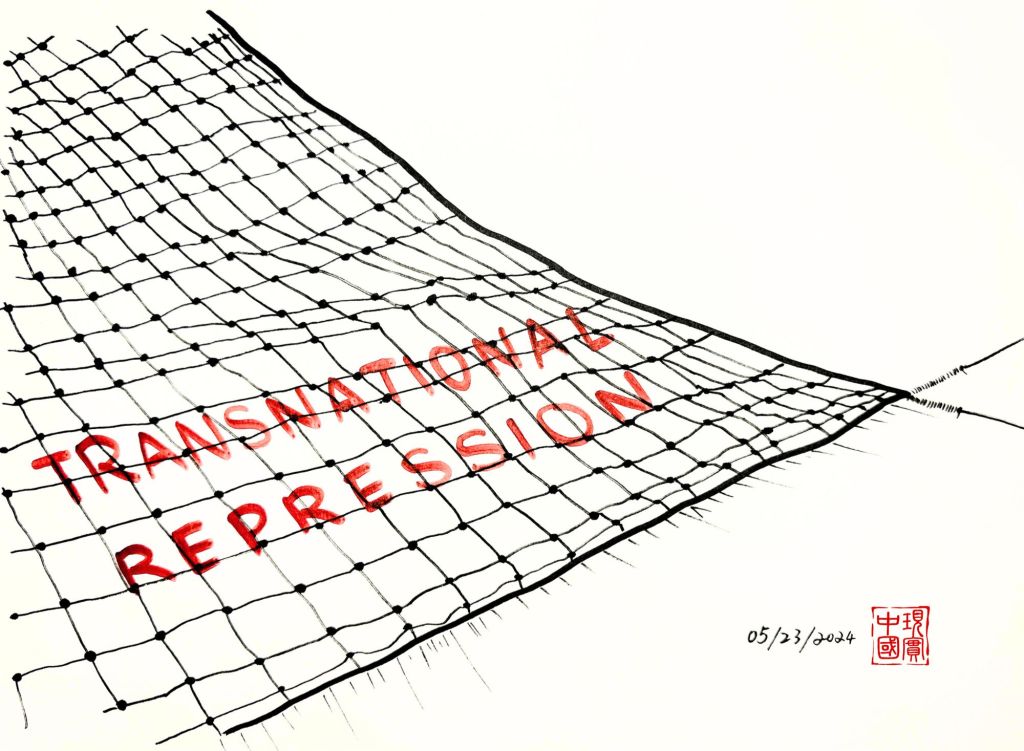
The Foreign Office condemned China’s recent actions, including offering rewards for information on dissidents settled in the UK and elsewhere. While the trial is ongoing, these arrests have spotlighted “transnational repression,” where authoritarian regimes monitor, harass, or attack their citizens abroad.
Transnational repression isn’t new but is increasingly prevalent. Globalization and the internet facilitate activism among exiles while enabling authoritarian regimes to suppress diaspora political activities more effectively.
Today, it remains a favored tool. Chinese students abroad report a climate of fear due to government intimidation. Governments now see overseas dissidents as potent threats due to their ability to influence from afar. This has led authoritarian regimes to share suppression tactics and increase cooperation, putting more lives at risk.
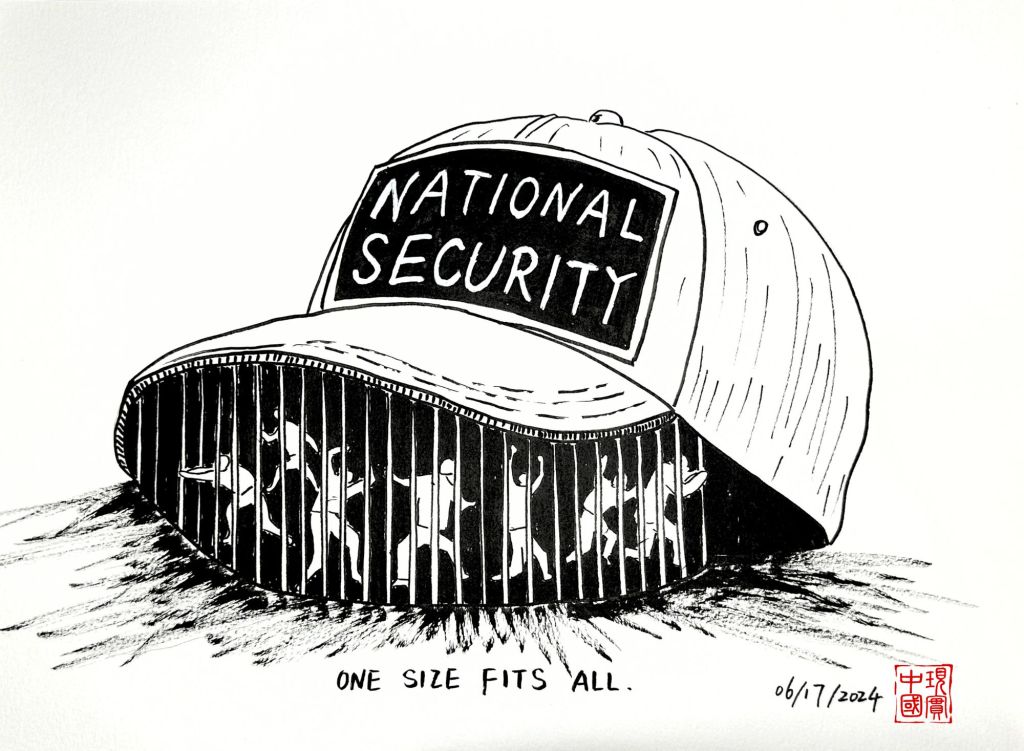
The Beijing-controlled Legislative Council in Hong Kong passed a new security law on March 19, 2024, that eliminates the last vestiges of fundamental freedoms in the city. The Safeguarding National Security Ordinance punishes peaceful speech and civil society activism with heavy prison sentences, expands police powers, and weakens due process rights. Because provisions apply to Hong Kong residents and businesses anywhere in the world, the law can silence dissent both in the city and globally.
Human Rights Watch condemned the rushed legislative process, where legislators spent a mere 39 hours reviewing a 212-page draft without proposing any amendments. The law takes effect on March 23, 2024, marking a new era of comprehensive oppression in Hong Kong.
“This law will subject Hong Kong to unprecedented levels of repression,” said Elaine Pearson, Asia director at Human Rights Watch. Even possession of books critical of China could now lead to lengthy imprisonment. The law criminalizes acts like subversion, secession, espionage, and foreign interference, violating international human rights standards enshrined in Hong Kong’s Basic Law.
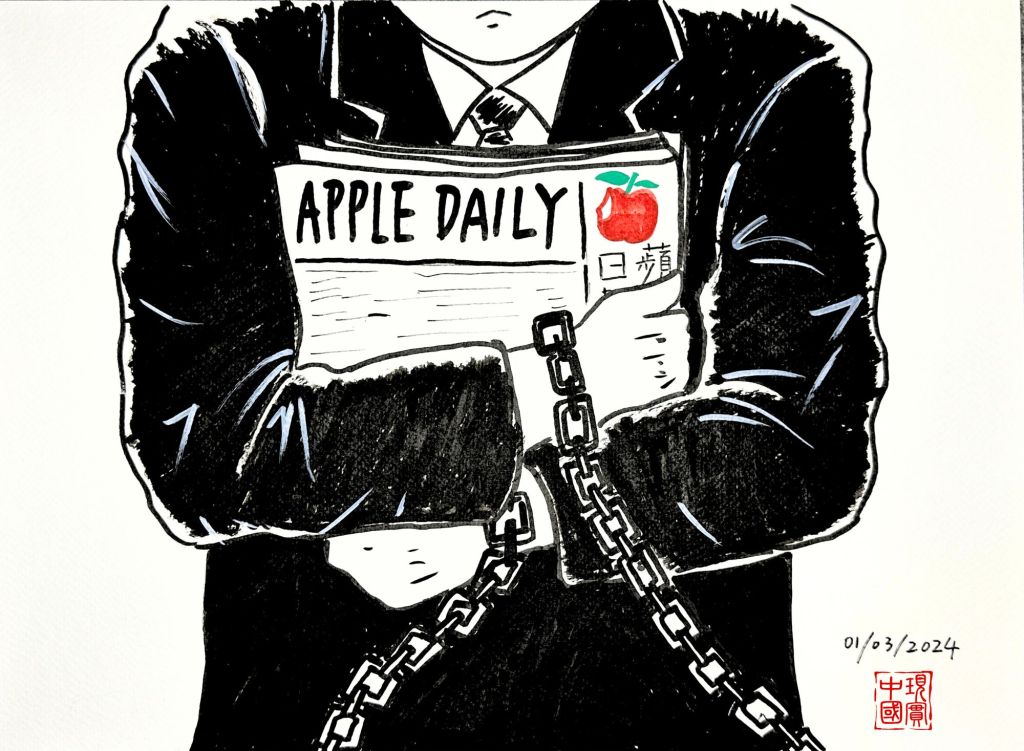
In a dramatic trial unfolding in Hong Kong, media tycoon Jimmy Lai, once a symbol of defiance against Beijing, faces severe charges under China’s National Security Law. Lai, known for his outspoken criticism of Beijing through his newspaper, APPLE DAILY, became a prominent figure in Hong Kong’s pro-democracy protests. Arrested in 2020, Lai now confronts allegations of colluding with foreign forces, which could lead to a life sentence. Despite international outcry over what many view as politically motivated charges, Lai appeared in court, greeted by supporters and family members, clad in a blue shirt and khaki jacket, his trademark defiance undiminished.
The trial marks a pivotal test for Hong Kong’s judicial independence under the controversial security law, widely criticized for eroding freedoms once enjoyed in the region. Amid heightened security at the courthouse, including police dogs and armored vehicles, supporters like elderly activist Grandma Wong continue to rally, waving British flags in protest against what they perceive as Beijing’s encroachment on Hong Kong’s autonomy.
As the trial proceeds, international observers and human rights advocates closely monitor proceedings, emphasizing concerns over fair trial standards and political interference. Lai’s case underscores broader tensions surrounding Hong Kong’s autonomy and the implications of Beijing’s tightening grip on dissent.
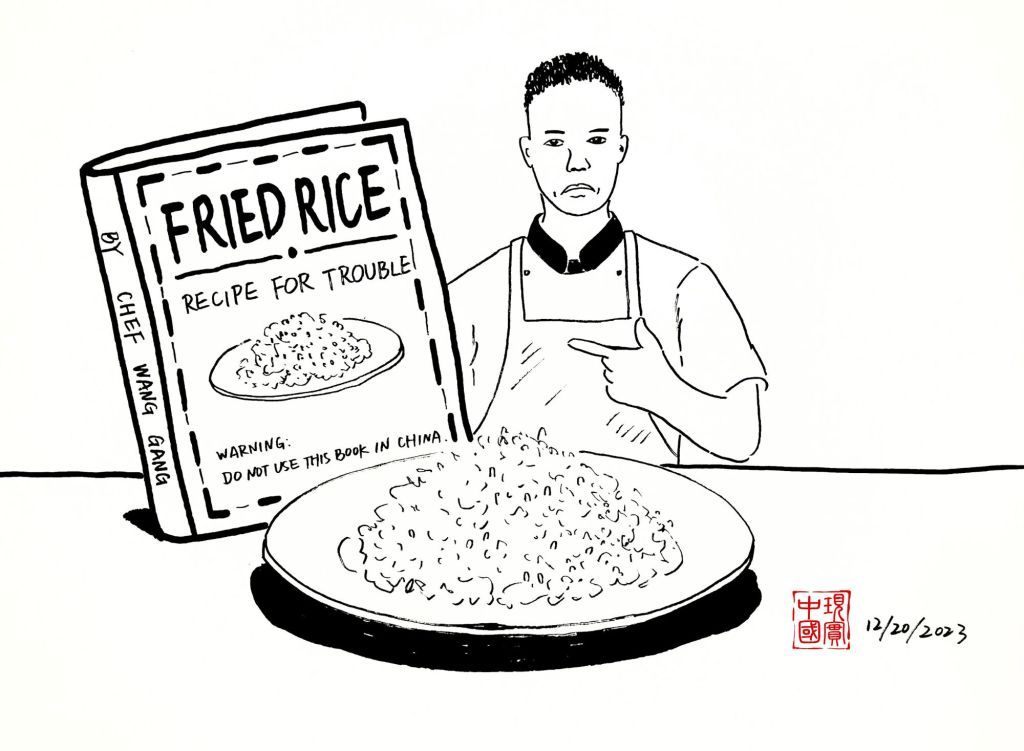
In the midst of heated debates about anti-Semitism and free speech on American college campuses, China has witnessed a viral controversy over a video teaching how to cook fried rice. Fried rice, a staple in Chinese households and often the first dish many learn to cook, holds a cultural significance akin to macaroni and cheese in the United States. This culinary icon has thrust Wang Gang, one of China’s most popular food bloggers, into the spotlight with his “perfect” fried rice recipe sparking both acclaim and critique.
However, a particular video stirred outrage among Chinese state media and the internet. On November 27th, just two days after the anniversary of Mao Zedong’s son Mao Anying’s death, Wang posted a fried rice video. Speculation arose that Mao Anying was preparing fried rice when he died in the Korean War.
China’s landscape has become increasingly politicized, turning everyday topics like cooking into potential minefields. Wang, who started working in restaurants at 15, has always focused solely on cuisine in his shows. Despite this, he found himself embroiled in political currents.
In China’s highly controlled online environment, coded language and cautious expressions have become common as citizens navigate what can and cannot be openly discussed. Wang’s experience highlights the constraints on free speech in China, where even seemingly innocuous topics can lead to controversy and censorship.
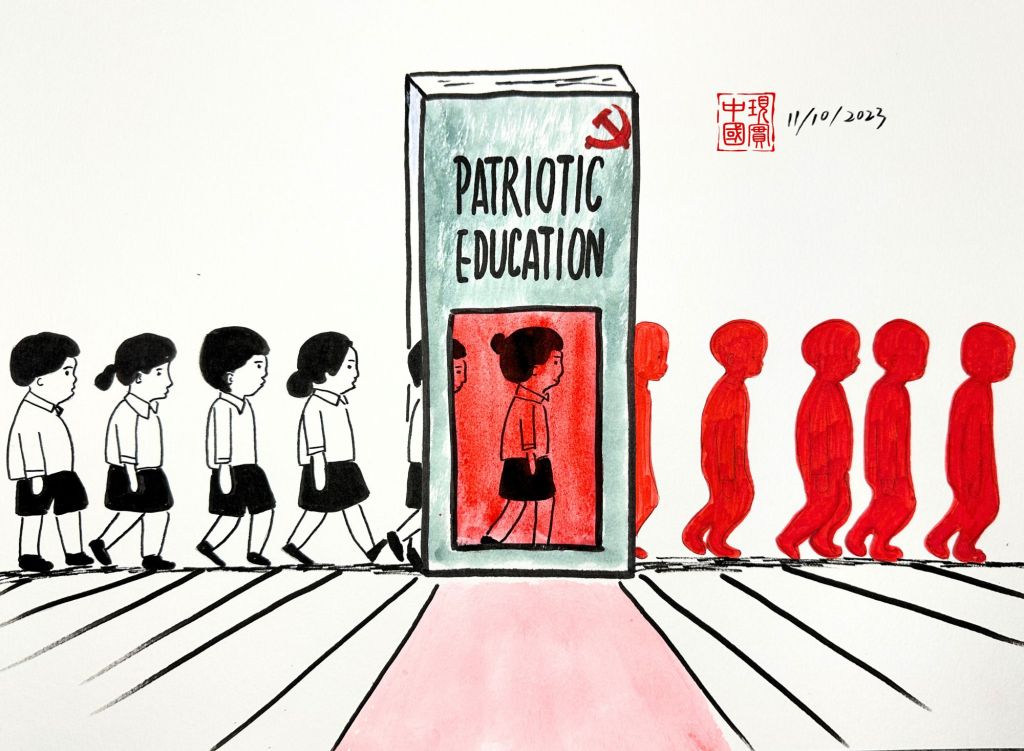
Hong Kong Chief Executive John Lee unveiled his second Policy Address in late October, introducing “patriotic education” for the first time in Hong Kong’s national education system. The Chief Secretary for Administration will oversee a task force to coordinate efforts across government and non-government sectors to promote this initiative.
Scholars noted the timing of Lee’s announcement, coinciding with China’s National People’s Congress Standing Committee passing the “Patriotic Education Law.” Led by the Chief Secretary for Administration, akin to the Cultural Revolution’s Central Cultural Group, the task force aims for comprehensive ideological education.
China’s National People’s Congress Standing Committee passed the “Patriotic Education Law of the People’s Republic of China” on October 24, effective January 1 next year. The following day, Lee integrated patriotic education into Hong Kong’s national education system, forming the “Patriotic Education Working Group” under Chief Secretary Chan Kwok-ki. This move aligns with mainland China’s law, emphasizing Chinese history, culture, and national identity education.
At China’s 13th National Women’s Congress, the spotlight was on male leaders, with Xi Jinping prominently seated at the opening ceremony. The state media highlighted his presence, signaling the Communist Party’s stance on women’s issues. This year, notably, no women were included in China’s top leadership for the first time in two decades, underscoring a symbolic but significant shift.
Xi Jinping’s emphasis on traditional family values like promoting marriage and childbirth reflects a broader strategy amid China’s demographic challenges. The declining birth rate has prompted drastic measures to reverse the trend, including cash incentives and tax breaks. Yet, critics argue this focus sidelines broader gender equality issues, relegating women to traditional roles rather than acknowledging their contributions in the workplace.
While Xi Jinping acknowledges gender equality in principle, his recent speeches have predominantly focused on familial duties, signaling a regression from previous platforms advocating for women’s empowerment and self-fulfillment. This shift raises concerns among Chinese women who have long fought against societal pressures and government policies that restrict their freedoms and rights.
The congress’s discussions highlighted the government’s preference for reinforcing traditional values to address economic and demographic concerns, potentially sacrificing women’s progress in the process. As China navigates its most significant economic challenges in decades, the role of women in shaping its future remains a contentious issue.
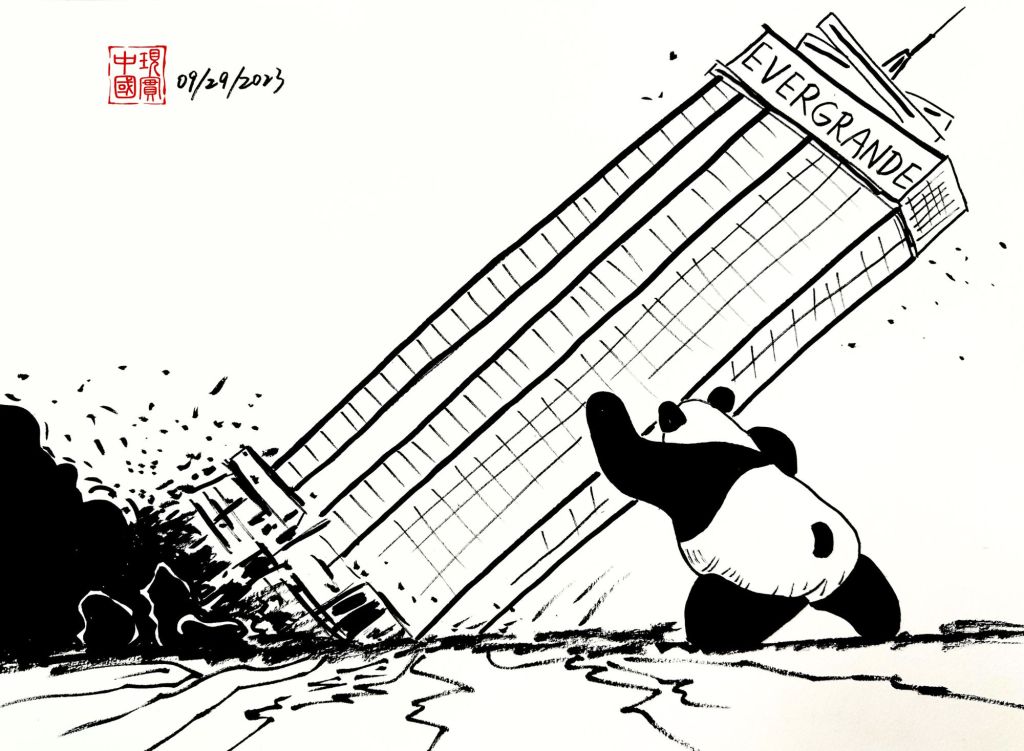
The two-year-long saga of Evergrande Group’s financial meltdown has reached a dramatic peak. On the evening of September 28, China Evergrande Group, listed in Hong Kong, announced that its Chairman, Xu Jiayin, is under investigation for suspected illegal activities and has been subjected to mandatory measures. Several other senior executives of Evergrande are also being investigated.
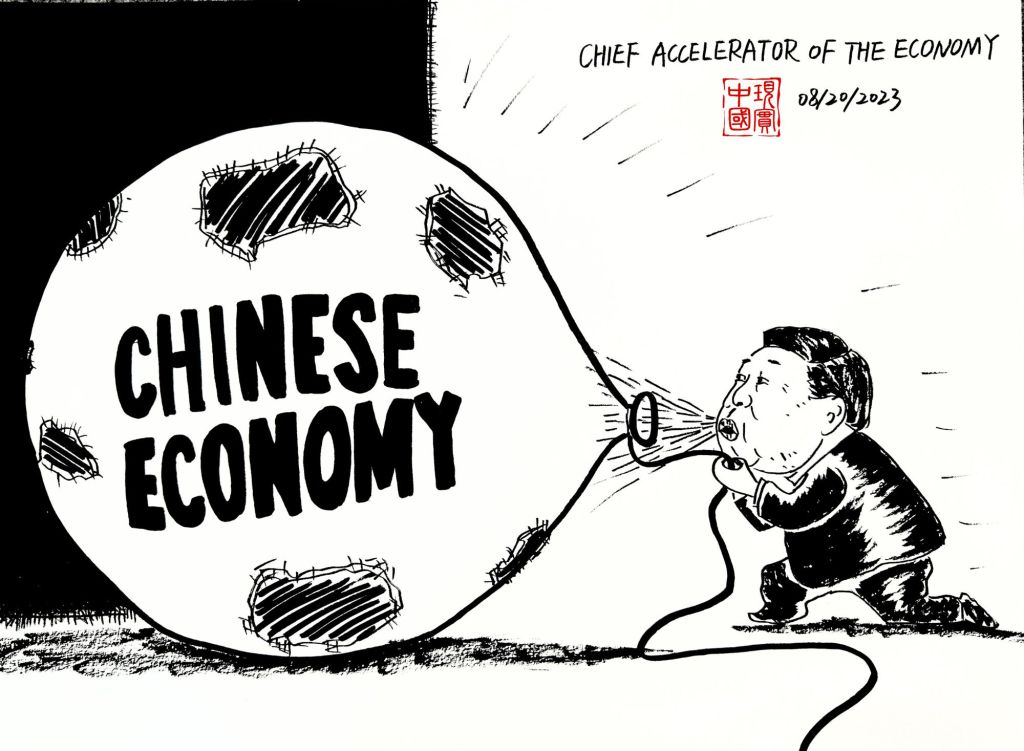
On August 10, U.S. President Biden called China’s economy a “ticking time bomb” during a political fundraising event, drawing criticism from Chinese state media. Shortly after, China’s National Bureau of Statistics announced it would no longer release youth unemployment data, sparking heated discussions online.
In June 2023, China’s youth unemployment rate was as high as 21.3%, but on August 15, the authorities announced they would stop publishing the data.
Real estate companies like Evergrande and Country Garden continue to face debt defaults, and China’s largest asset management group Zhongzhi Enterprise Group is also in trouble, with financial trust products’ defaults spreading. Foreign direct investment in China has dropped to its lowest level since 1998, and the pace of foreign capital withdrawal is accelerating. In the next ten years, China’s economy might decouple from the West, regressing to the pre-reform era.
Bei Zhenying never suspected her husband Ruan Xiaohuan of any subversive activities against the Chinese government. He was a brilliant computer programmer they met during their university days in Shanghai, and she was enamored with his curiosity and wit. His quirks, such as avoiding social media and new clothes, and his intense privacy, spending hours in his study on undisclosed work, seemed typical of a dedicated tech enthusiast.
At 45, Bei Zhenying believed these eccentricities were part of being a career geek, a world she, as a business manager, couldn’t fully comprehend. But her understanding shattered when Shanghai police stormed into their apartment and arrested him. Authorities accused Ruan Xiaohuan of writing articles that criticized China’s political system and plotting to overthrow the government. In February, he was sentenced to seven years in prison.
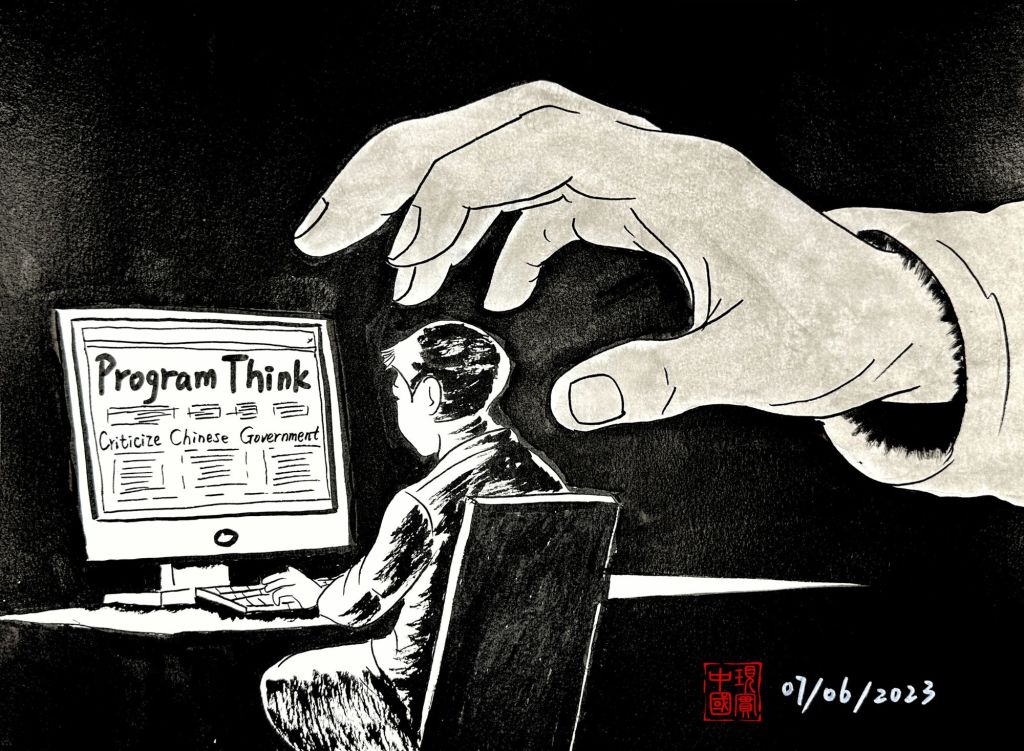
Over the following months, Bei Zhenying discovered more than just personal secrets. Ruan Xiaohuan was revealed as the enigmatic blogger “Program think,” known for satirizing the ruling Communist Party on China’s heavily controlled internet. His blog had attained near-mythical status among followers, sharing posts anonymously critical of government leaders’ hidden wealth and encouraging independent thinking.
Despite efforts to maintain anonymity, Ruan Xiaohuan’s fate intertwined with “Program think,” highlighting the severe measures taken against dissent under Xi Jinping’s leadership. Bei Zhenying, initially disinterested in politics, found herself thrust into a journey of awakening, navigating a landscape of state censorship and secrecy to understand her husband’s hidden life and the realities of dissent in China.





 The Truth Of China