The Long Arm of Censorship Reaches New York

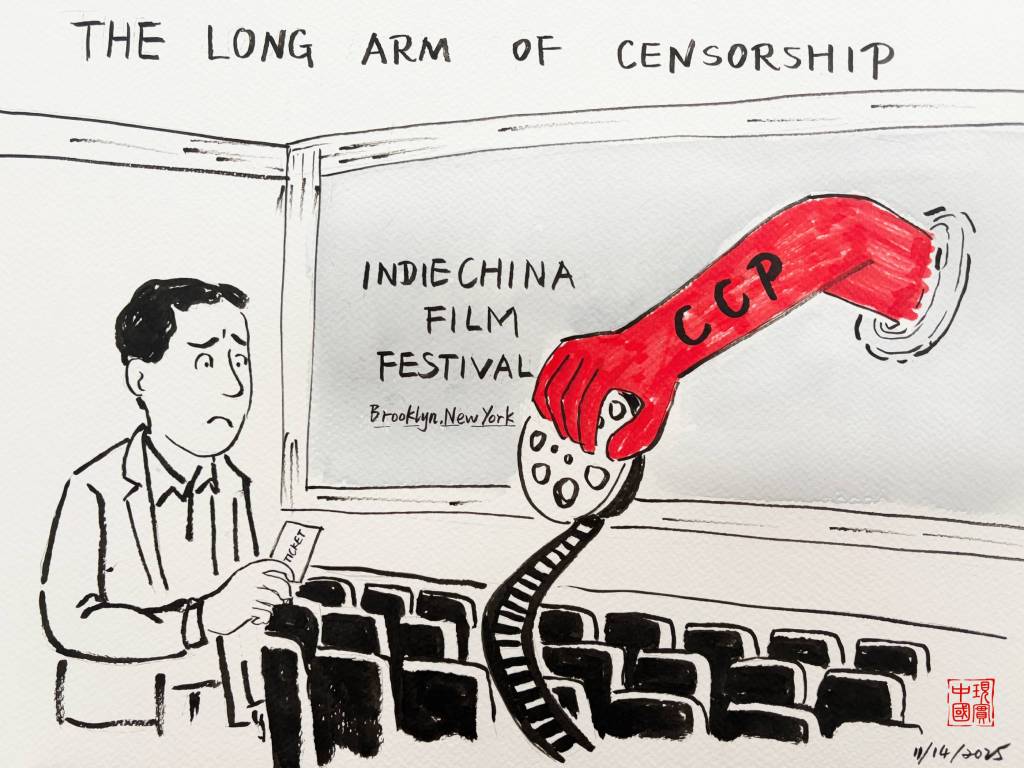
The cancellation of the IndieChina Film Festival in New York reveals an unsettling truth: censorship today is no longer confined by borders. What began as a small, independent gathering of filmmakers quickly became the target of pressure from thousands of miles away.

Organizer Zhu Rikun received a 5 a.m. call from his father in China — a call clearly influenced by authorities. Over the following days, directors, moderators, and even volunteers withdrew without explanation. Some quietly admitted they or their families had been warned by Chinese police. Others, including foreign citizens, faced pressure from employers connected to China.

The festival was modest in scale, yet the intimidation was sweeping. It shows a government willing to silence criticism wherever it appears, even in a Brooklyn theater with room for just a few dozen viewers.

Zhu ultimately canceled the event, not out of fear, but in hopes of shielding others from harassment. His empty screening room now symbolizes something far larger: the shrinking space for creative freedom, no matter where it tries to exist.

Click HERE for the detailed report.

When Art Becomes a Target

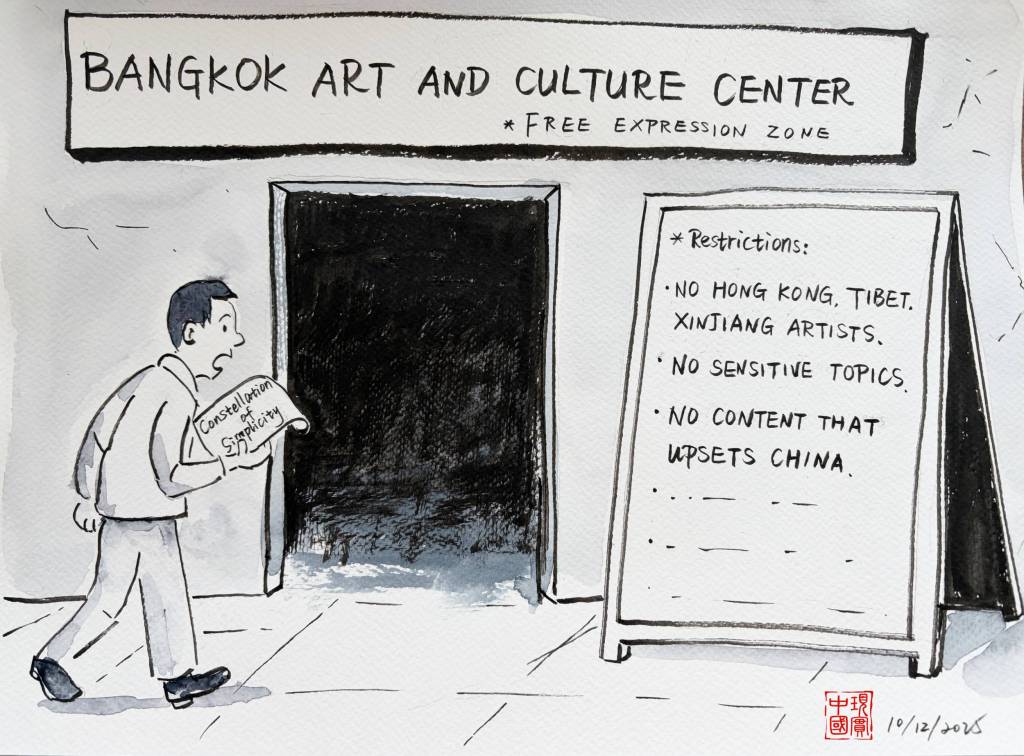
A new exhibition named “Constellation of Simplicity” in Bangkok was meant to explore how authoritarian governments cooperate across borders. Instead, it became an example of cross-border repression itself. The show’s curator, Sai — a Myanmar artist living in exile — found himself fleeing Thailand only two days after the opening. Museum directors warned him that Thai police were asking for his information, raising fears he might be deported back to Myanmar.

Pressure escalated quickly. Chinese authorities demanded that the museum erase the names and works of artists from Hong Kong, Tibet and Xinjiang. While the exhibition remained open, the institution blacked out those artists’ names and removed symbolic flags, turning a space meant for free expression into a quietly censored one.

The censorship was selective: works criticizing Myanmar’s junta, Iran or Russia stayed untouched. Only pieces tied to China’s most sensitive regions were targeted — a reminder of Beijing’s growing influence in Southeast Asia.

For Sai, now in London, the experience underscores a shrinking global space for political art. Yet he says he has no regrets and hopes to bring the exhibition to places where it can be shown freely.

Click HERE for detailed news report.

Public Outcry Over School Bullying Sparks Clashes in China

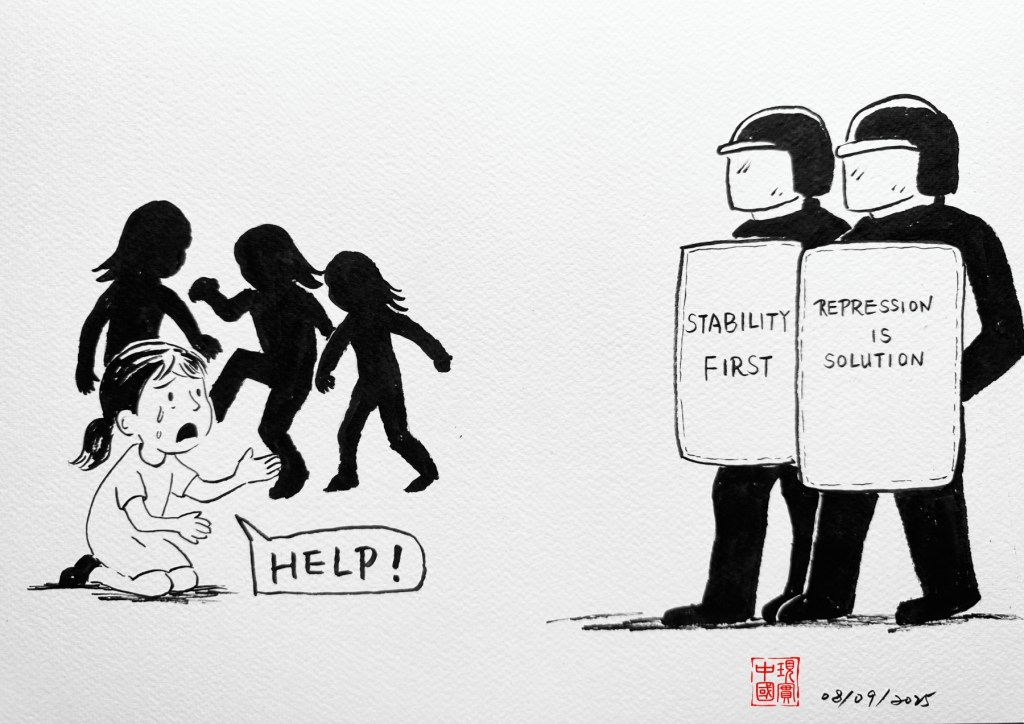
A video showing a 14-year-old girl being slapped, kicked, and tormented by several underage girls went viral, sparking public outrage in Jiangyou city of southwest China. Two of the offenders were sent to a specialized school for “corrective education,” while others received warnings or short-term detention less than 15 days. The girl’s parents, including a deaf mother, publicly expressed their frustration outside government offices, drawing the support of citizens demanding justice. Hundreds of residents initially protested, condemning the authorities for punishing the perpetrators too lightly.

As the protests grew, the government moved quickly to repress them. Security forces dispersed demonstrators, online discussion was heavily censored, and posts about the incident were removed from social media. State media coverage remained minimal and carefully framed to avoid fueling public anger, reflecting the authorities’ focus on maintaining social stability rather than addressing justice concerns.

Click here for related report.

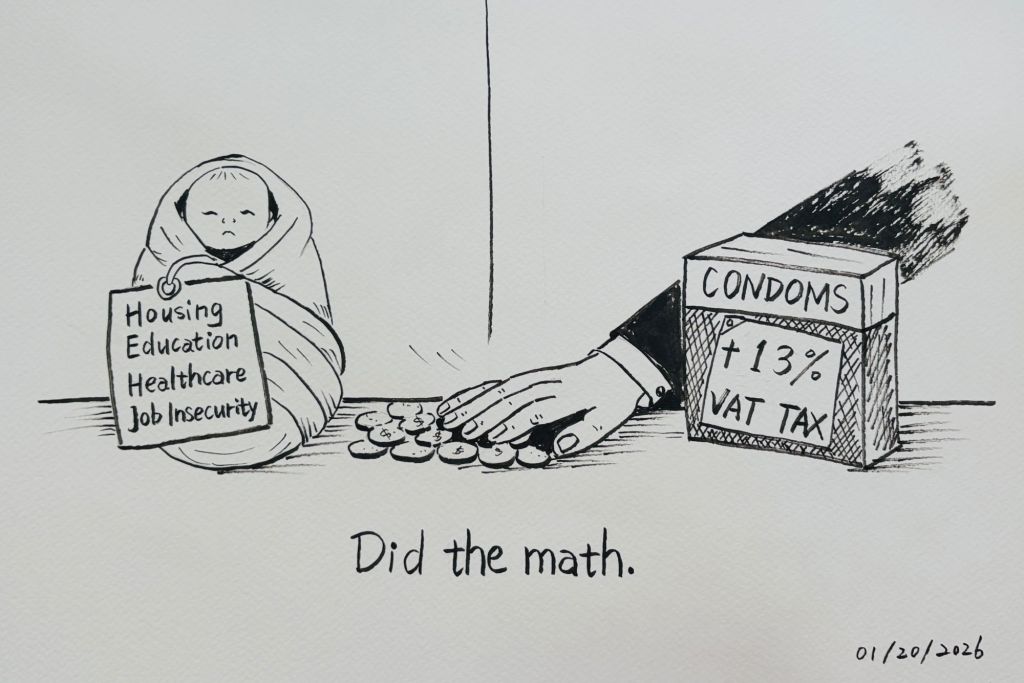
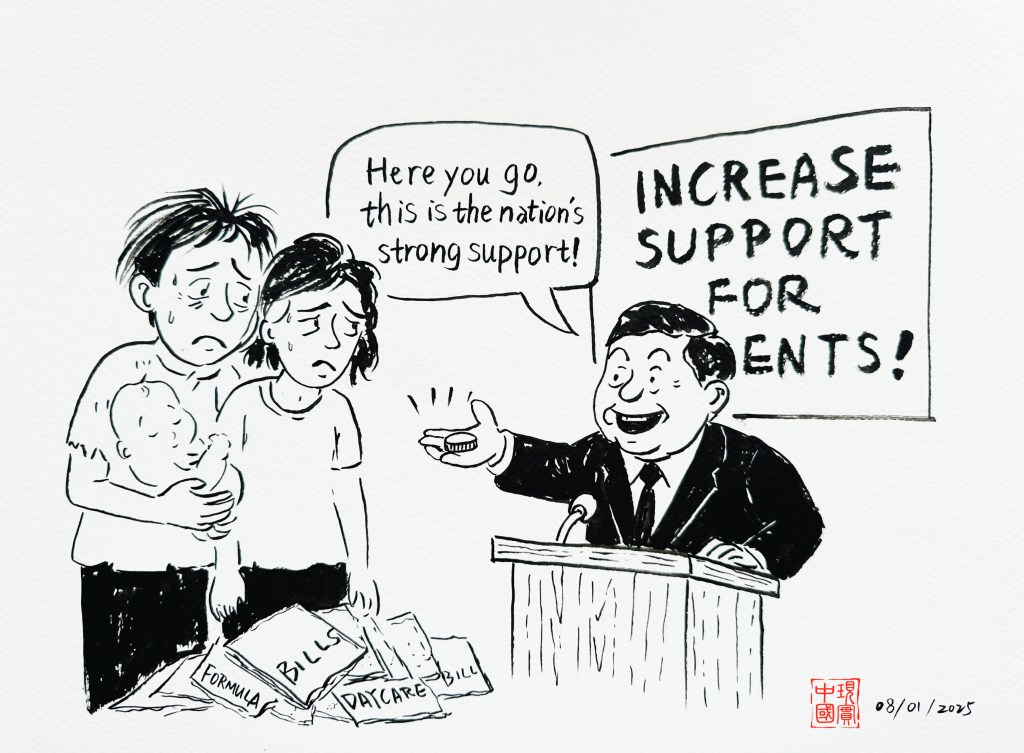
China Launches National Childcare Subsidy Amid Falling Birth Rates

On July 28, 2025, China introduced a nationwide childcare subsidy, granting families 3,600 yuan (about $500) annually per child until the age of three. The initiative, funded by the central government, is expected to benefit more than 20 million households. Children born before 2025 will also receive partial support, signaling the state’s intention to reduce the financial strain of raising children.

Officials have described the plan as an “important national livelihood policy,” aiming to ease parenting costs and encourage higher fertility. Yet demographers and economists remain cautious. The amount, they argue, is unlikely to change the broader social and economic pressures deterring young people from having children—ranging from the high cost of education to job insecurity and a slowing economy.

Click here for related report.

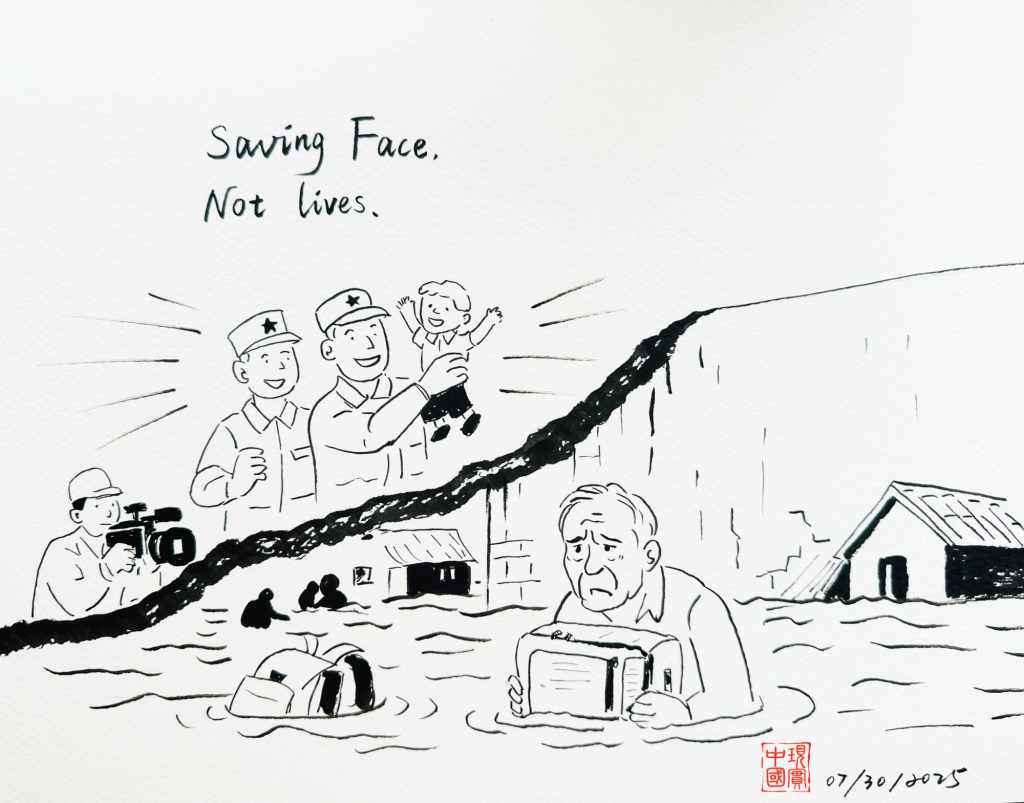
Beijing Floods: Lives Lost While Warnings Went Unsent

As devastating floods swept through Beijing and its surrounding regions, shocking reports reveal that many residents never received any warning. In villages like Miyun and Yanqing, residents woke to water already knee-deep, trapped by sudden torrents and landslides. Villagers recount frantic attempts to contact family members and charge phones amid power outages, relying on well water and whatever limited supplies they could access.

Despite the severity of the disaster—over 38 confirmed deaths, thousands displaced, and roads destroyed—official attention seemed more focused on controlling public perception than ensuring safety. Social media discussions about the floods were heavily censored, with authorities replacing citizen reports with state media narratives praising rescue efforts. Aid distribution was inconsistent, leaving some residents without food or bottled water while others received minimal support.

Experts link the extreme rainfall to climate change, yet warnings that could have saved lives were delayed or never issued. While government statements emphasized “full rescue efforts” and cities broadcast high-level flood alerts, these measures came too late for many. 

Click here for related report.

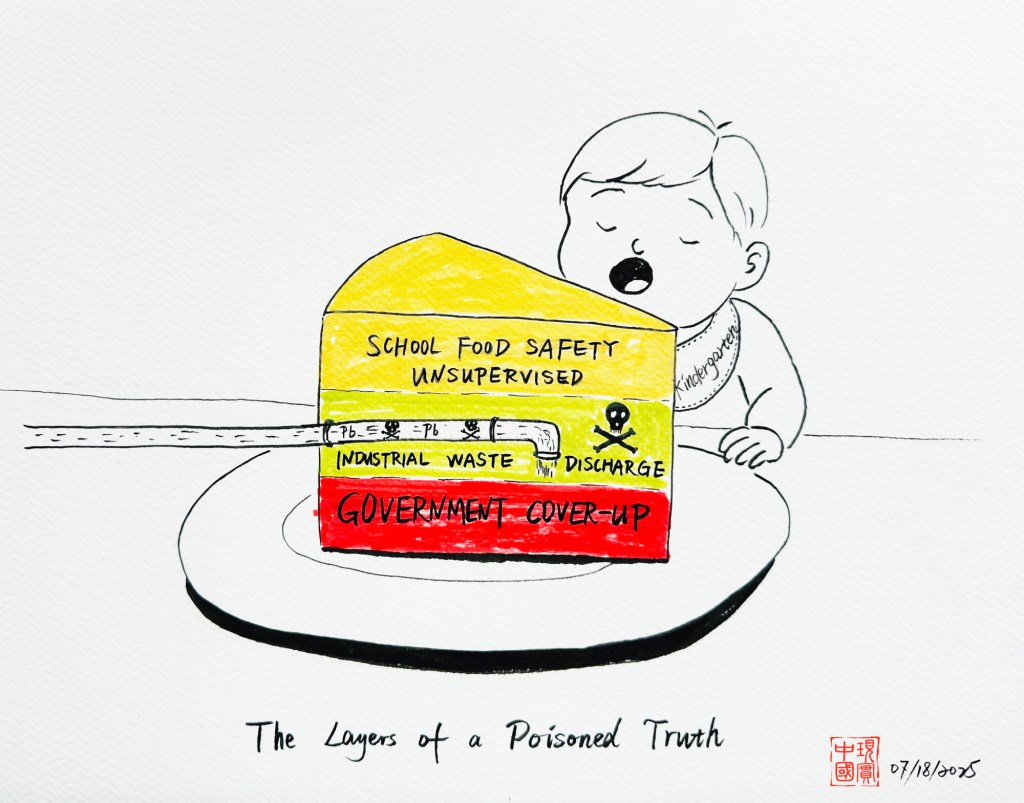
The Layers of a Poisoned Truth: Gansu Lead Poisoning Scandal

In Tianshui, Gansu province, more than 200 kindergarten children were poisoned by lead-tainted food — a shocking case that revealed multiple layers of failure. Investigations found that the kindergarten had added industrial lead-based paint to meals to make them look more appealing. The scandal triggered protests from parents and led to the detention of school staff, investors, and local officials.

While official narratives emphasized swift investigations and arrests, far less attention was given to the deeper context. Parents alleged that authorities delayed disclosure, suppressed early complaints, and manipulated blood test results to avoid public outrage. Online discussions claimed the contamination originated from industrial waste-laced ingredients supplied to the school, pointing to a chain of negligence reaching well beyond the kindergarten. Some reports also suggested that health checks were intentionally downplayed to shield local officials and businesses. These accounts, however, were quickly removed from public view through censorship.

Click here for related news report.

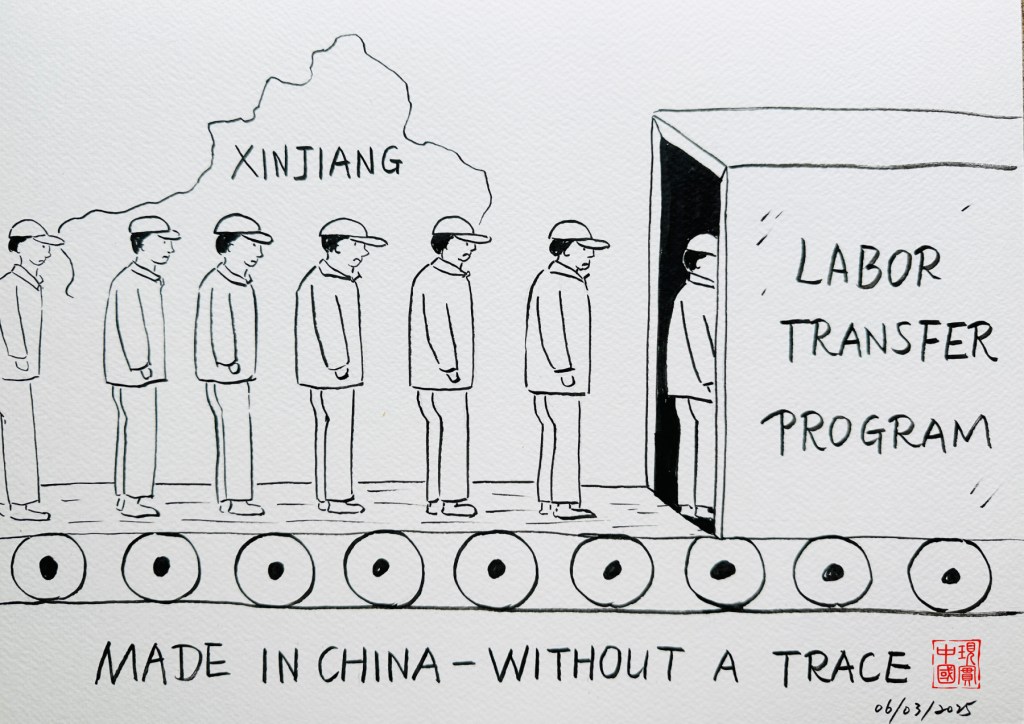
Uyghur Forced Labor Moves Beyond Xinjiang

China’s government has expanded a controversial labor program moving Uyghur workers from Xinjiang to factories across the country. While officials frame these transfers as voluntary employment opportunities aimed at poverty reduction, investigations reveal a more coercive reality. Workers, often leaving home under government supervision, are assigned to factories producing goods for international brands, from appliances to automotive parts.

Reports indicate that tens of thousands of Uyghurs are affected, living in segregated dormitories and monitored closely, with restricted freedom of movement. Despite legal bans in the U.S. and EU on importing goods made with forced labor from Xinjiang, tracking products made outside the region has proven difficult. This loophole allows China to continue supplying global markets while circumventing human rights laws.

Experts warn that these labor transfers are part of a broader strategy of social control, aiming to disperse Uyghur communities and limit cultural expression. 

Click here for related report.

When Your Job Demands a Wedding Ring

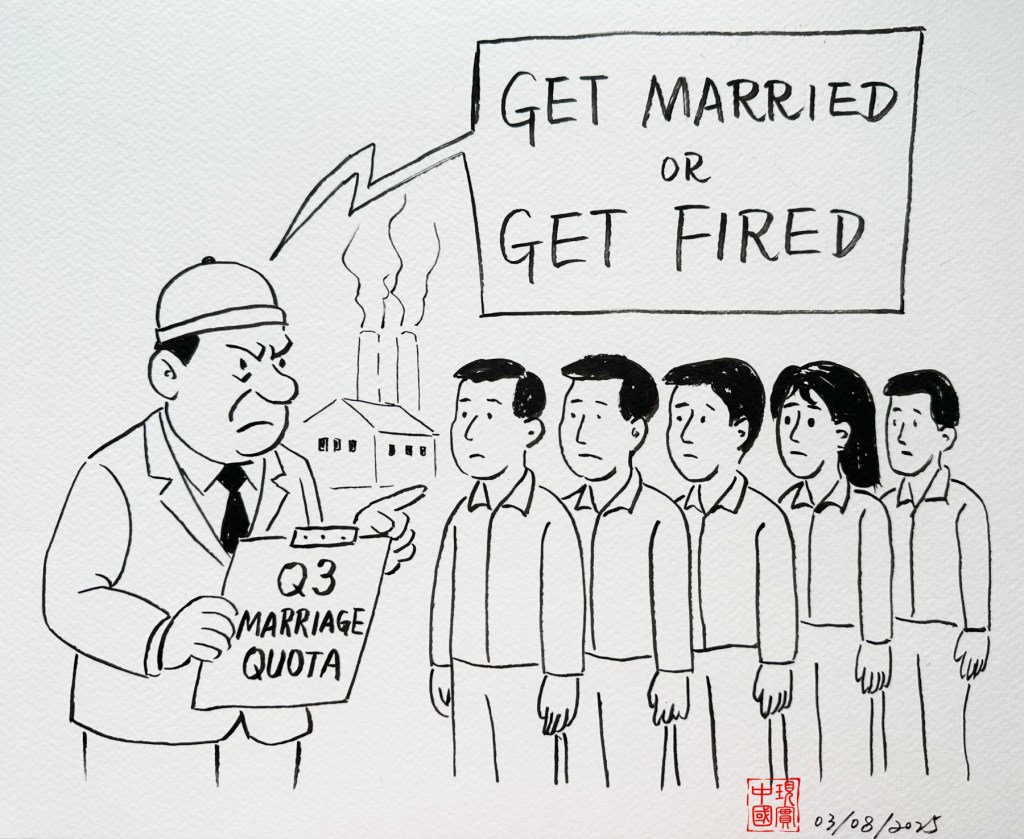
A recent controversy in China has exposed the troubling lengths some companies will go to in order to enforce the state’s demographic agenda. Shandong Shuntian Chemical Group issued a memo ordering unmarried employees between the ages of 28 and 58 to get married and start families by September 30—or face dismissal. The notice, which went viral online, declared that refusing to wed and reproduce was “disloyal” to the nation.

This is not an isolated case. A popular supermarket chain has also banned its employees from paying or demanding expensive dowries, framing it as a way to promote affordable marriages. While officials and state media defend such measures as creating a “pro-family environment,” many young people see them as intrusive, costly, and ultimately counterproductive.

As China’s birthrate continues to fall, the question remains: how far will institutions go to fill the nation’s cradles?

Click here for the report.

China Imposes Mandatory AI Model Censorship

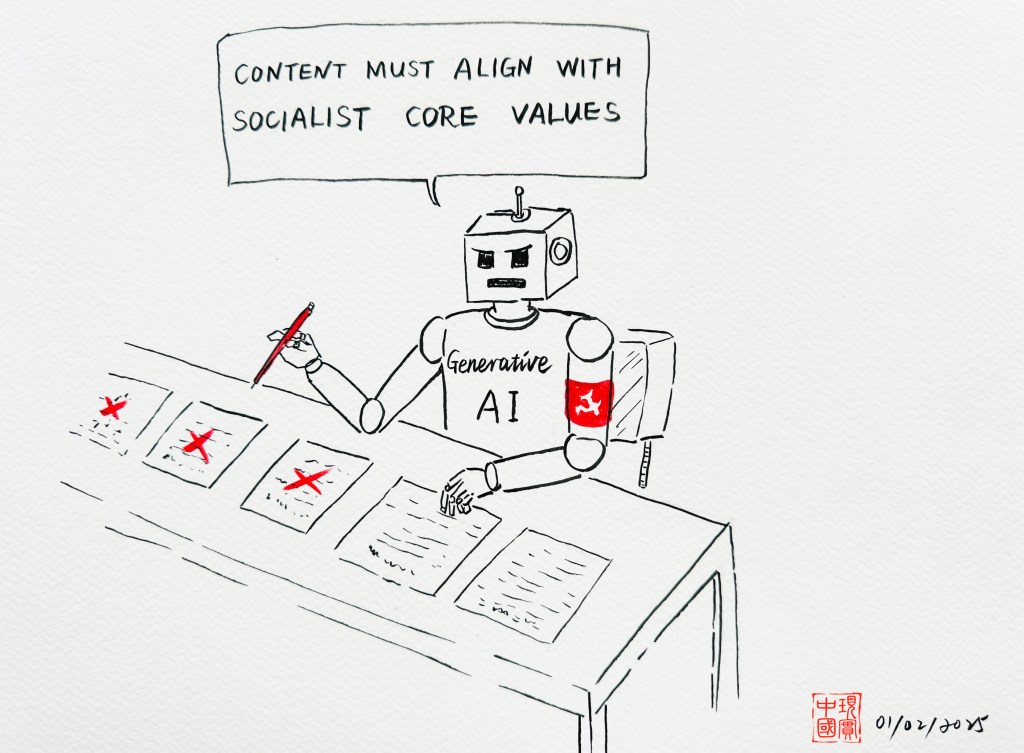
China is tightening control over artificial intelligence by requiring tech firms to undergo mandatory government censorship tests. According to insiders, companies such as ByteDance and Alibaba. AI must ensure their large language models reflect “socialist core values.”

The Cyberspace Administration of China (CAC) is said to be testing how these models respond to politically sensitive questions, including those related to President Xi Jinping. Officials reportedly review training data and security processes on-site, with some companies needing multiple attempts to pass the evaluation.

China’s approach is seen as an effort to establish the world’s most stringent AI regulatory framework. While this ensures alignment with state ideology, it also forces AI startups to adapt quickly, often by building keyword filters and sanitizing datasets. For many developers, compliance has become as critical as innovation itself.

Click here for related report.

Reflecting on 10 Years: The Umbrella Movement’s Legacy

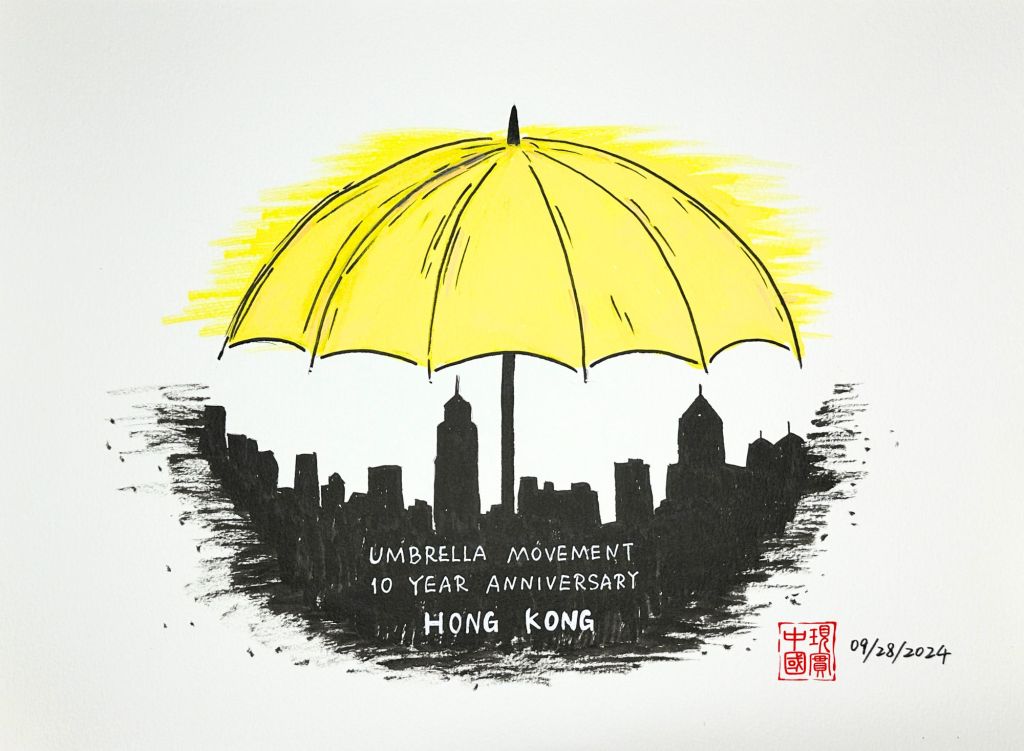
Ten years ago, Hong Kong witnessed a remarkable chapter in its history—the Umbrella Movement. What began as a call for democratic reforms and universal suffrage swiftly grew into a powerful symbol of peaceful resistance. Thousands of citizens, armed only with umbrellas to shield against tear gas, united in a non-violent stand for their rights.

The spirit of the movement has left an indelible mark on the city. Though the physical barricades have long been dismantled, the ideals of democracy, freedom, and autonomy continue to inspire. The Movement’s legacy lives on through the resilience of Hong Kongers who strive for justice, despite facing increasing challenges and suppression.

As we commemorate this anniversary, we honor the courage and determination of those who stood on the front lines and reflect on the ongoing struggle for democracy. The Umbrella Movement reminds us that the fight for freedom is enduring, and the hope for a brighter, more democratic future remains alive in the hearts of many.

Here’s to remembering the past, acknowledging the present, and hoping for a future where the spirit of the Umbrella Movement thrives.

China Announces Gradual Increase in Retirement Age

China has approved a plan to raise its statutory retirement age for the first time since the 1950s, addressing the challenges of its aging population. Starting on January 1, 2025, the retirement age will increase gradually. Men, who could previously retire at 60, will see their age rise incrementally to 63 by 2040. For women in white-collar jobs, the retirement age will increase from 55 to 58. Women in blue-collar jobs, previously able to retire at 50, will now work until 55. Although necessary, the changes have been met with resistance from the public.

China Halts Foreign Adoptions After Decades of International Placements

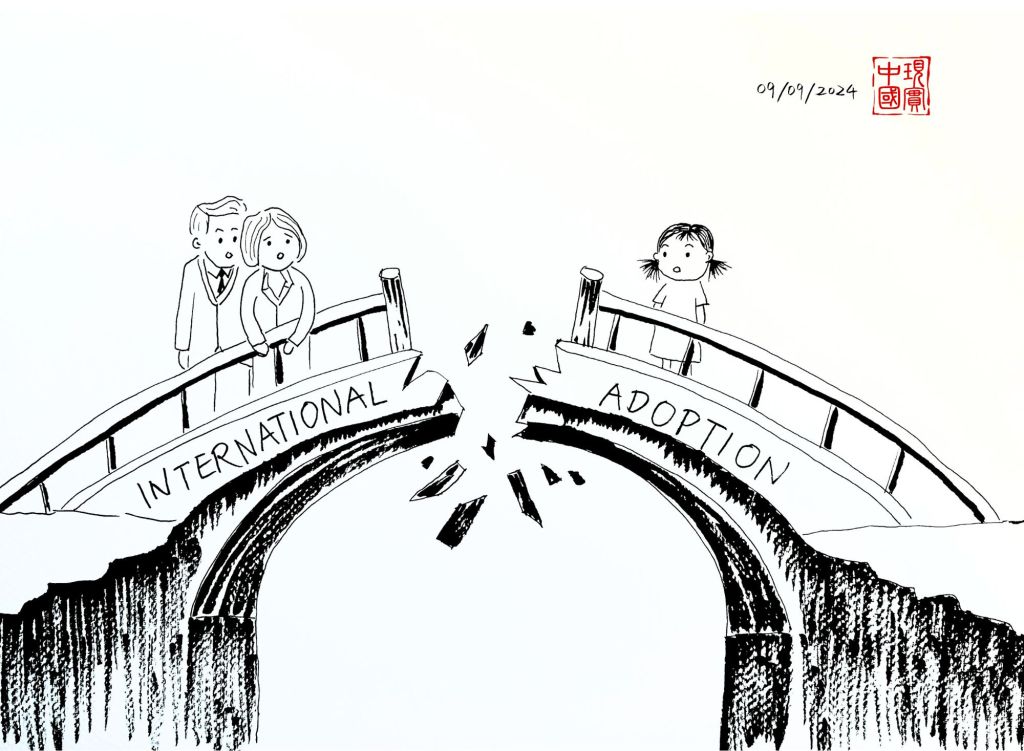
China has officially ended most foreign adoptions, closing a significant chapter that spanned over three decades. During this time, tens of thousands of children were sent overseas for adoption, largely due to the country’s one-child policy, which led many families to abandon their babies. The Chinese government stated that this decision aligns with global trends, signaling a shift in the country’s approach to international adoption.

Chinese Exile Writer’s Daughter Targeted Online by Chinese Government

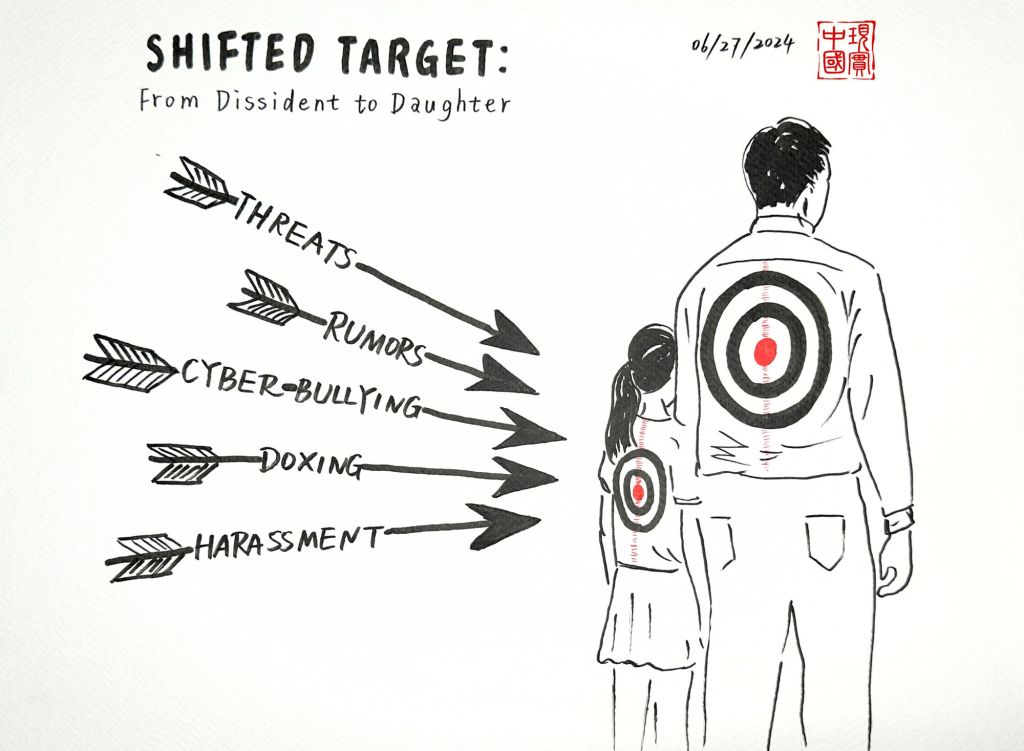
Living in the suburbs of Philadelphia, the prominent Chinese exile writer Deng Yuwen frequently criticizes China and its authoritarian leader, Xi Jinping. Recently, China’s response has been severe, launching aggressive and malicious attacks against his daughter online.

Research by Clemson University and Meta, the parent company of Facebook and Instagram, reveals that a secret propaganda network, possibly linked to China’s security apparatus, has targeted Deng Yuwen and even his teenage daughter on popular social media platforms. These attacks involve posts filled with sexual innuendos and threats, posted by fake identities. They appear in replies to Deng’s posts on platform X and comments on public school accounts in his community, falsely accusing his 16-year-old daughter of drug use, arson, and prostitution.

“Blocking isn’t effective,” Deng Yuwen remarked in an interview about the relentless online assaults. “Today you block it, tomorrow it resurfaces under a new alias.”

Researchers note that crude comments targeting Deng’s daughter have also appeared on Facebook community pages, as well as platforms like TripAdvisor, local news site Patch, and school rating site Niche. This harassment fits a pattern of cyber intimidation that has raised alarms in Washington, Canada, and beyond, highlighting China’s increasingly brazen attacks abroad.

For Deng Yuwen and his family, these attacks represent an escalation. Despite federal laws prohibiting severe online harassment or threats, China’s actions continue unchecked, reflecting a growing concern over its global influence and tactics aimed at stifling dissent, even beyond its borders.

Verdict Against Chinese Activists Empowering #MeToo Voices

On Friday, a court in southern China sentenced prominent feminist journalist Huang Xueqin to five years in prison for inciting subversion of state power, marking Beijing’s latest crackdown on civil society. Labor activist Wang Jianbing received a three-year, six-month sentence on the same charge. Their activities leading to arrest and conviction included organizing discussions, supporting other activists, and receiving overseas training. Experts note the severity of these legal actions, even by Chinese standards, signaling a shrinking space for independent social discourse. Huang, once a vocal figure in China’s #MeToo movement and later a writer on Hong Kong protests, and Wang, an advocate for worker and disability rights, faced prolonged detention before a brief trial last September. Critics argue these cases reflect broader suppression of topics like women’s and workers’ rights under increasingly expansive interpretations of “threats to public order.”

Hong Kong: Five Years of Struggle for Freedom

Human Rights Watch stated today that since June 12, 2019, when Hong Kong citizens took to the streets in a months-long democratic protest, the Chinese government has continued to stifle basic freedoms in the city. Government data shows that over 10,000 protesters have been arrested, with 2,910 facing charges and 1,475 convicted.

Governments worldwide should hold accountable Hong Kong and Chinese officials responsible for human rights abuses, including imposing sanctions such as asset freezes and travel bans.

“In five years of Hong Kong’s struggle, the government has not apologized or held the police accountable for abuses; instead, officials involved in the crackdown have been promoted to leadership positions,” said Wang Songlian, Acting China Director at Human Rights Watch. “Criticism of the police or seeking justice can now lead to imprisonment in Hong Kong.”

The proposed extradition bill in February 2019 sparked massive peaceful protests, with over a million people demonstrating on June 9 against its passage. By June 12, tens of thousands had gathered around the Legislative Council, occupying nearby streets. Police responded with tear gas, beanbag rounds, and rubber bullets, injuring dozens. Former Chief Executive Carrie Lam condemned the protests as “riots.”

Over the next six months, Hong Kong saw daily protests demanding the withdrawal of the extradition bill, an end to the riot classification, dropping charges against protesters, an independent inquiry into police misconduct, and genuine universal suffrage.

While the extradition bill was withdrawn, none of the other demands, including investigation into police violence, were met. Protests spread across Hong Kong, involving people from all walks of life. The largest protest on June 16, 2019, drew an estimated two million people in a city of seven million.

Hong Kong police increasingly used excessive and indiscriminate force against largely peaceful protesters, violating international human rights standards. They fired pepper balls, tear gas canisters, and rubber bullets, including shooting at close range, causing injuries like blindness.

Police actions included firing tear gas in subway stations and malls, assaulting protesters’ heads, chasing crowds in ways that risked stampedes, driving vehicles into crowds, and unnecessarily tackling protesters including pregnant women, children, and the elderly.

As of June 2024, China and Hong Kong have employed various tactics to suppress civil liberties, including enacting stringent national security laws, arresting and prosecuting elected legislators, dismantling civil society organizations and independent unions, and shutting down pro-democracy media.

相关中文报道