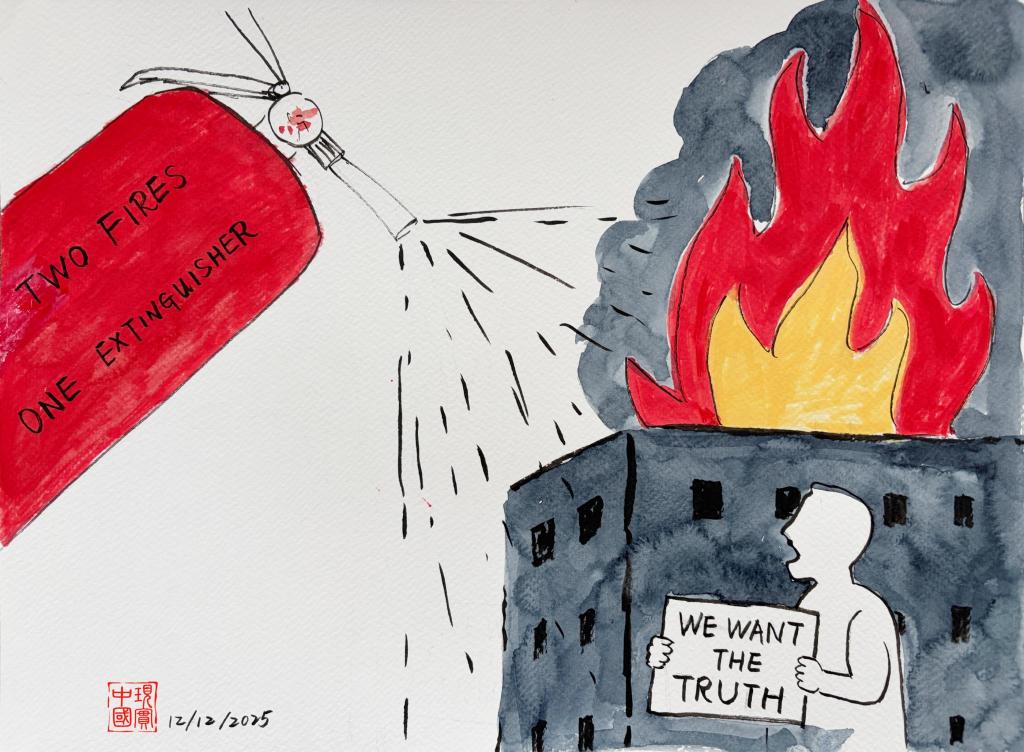
Two Fires, One Extinguisher

On November 26, 2025, a five-alarm fire tore through Hong Kong’s Tai Po estate, MacPherson Court (Hung Fuk Estate), engulfing seven residential blocks. At least 160 people died, dozens were injured, and the city was left in shock. The physical fire burned for more than 43 hours. Another fire — political and institutional — was extinguished far more quickly.

As residents mourned and volunteers mobilized aid, some asked uncomfortable but reasonable questions: Why were flammable materials used? Why did the fire spread so fast? Could this tragedy have been prevented? The official response focused less on answers than on control. Calls for independent investigation, leaflets, and online criticism were treated as security risks.

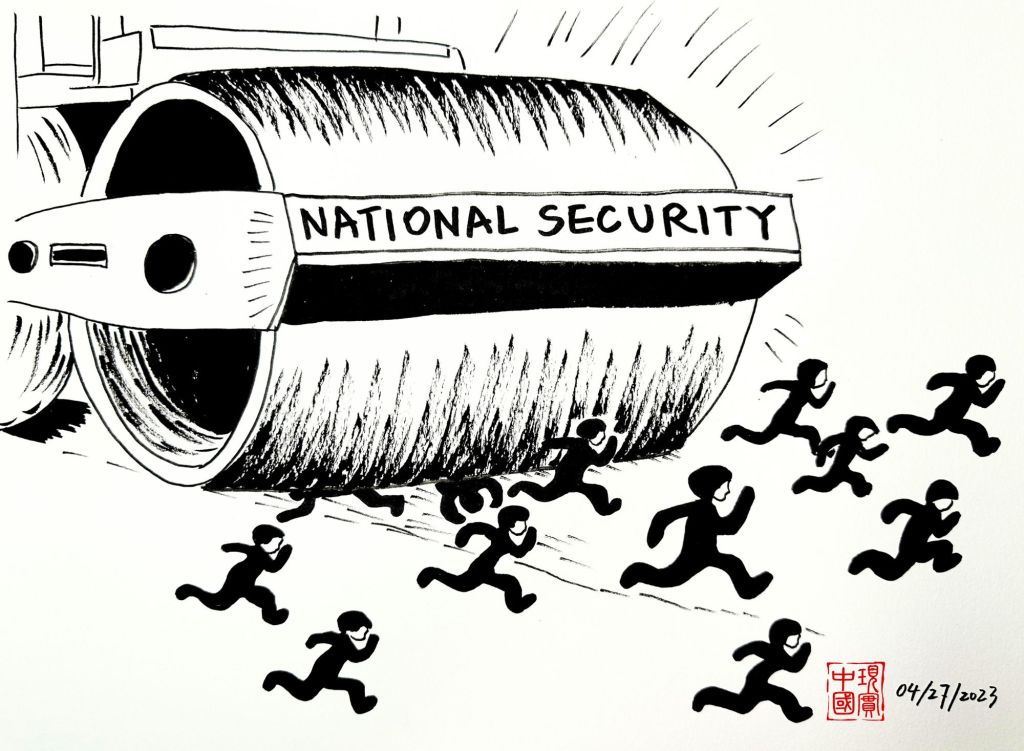
This is where the second fire appeared. Shared grief, if allowed to gather, can become shared accountability. For the authorities, that possibility was more dangerous than the blaze itself. One extinguisher was deployed for both fires: a national security mindset designed to smother not only unrest, but also collective mourning.
Click Here for detailed reports.

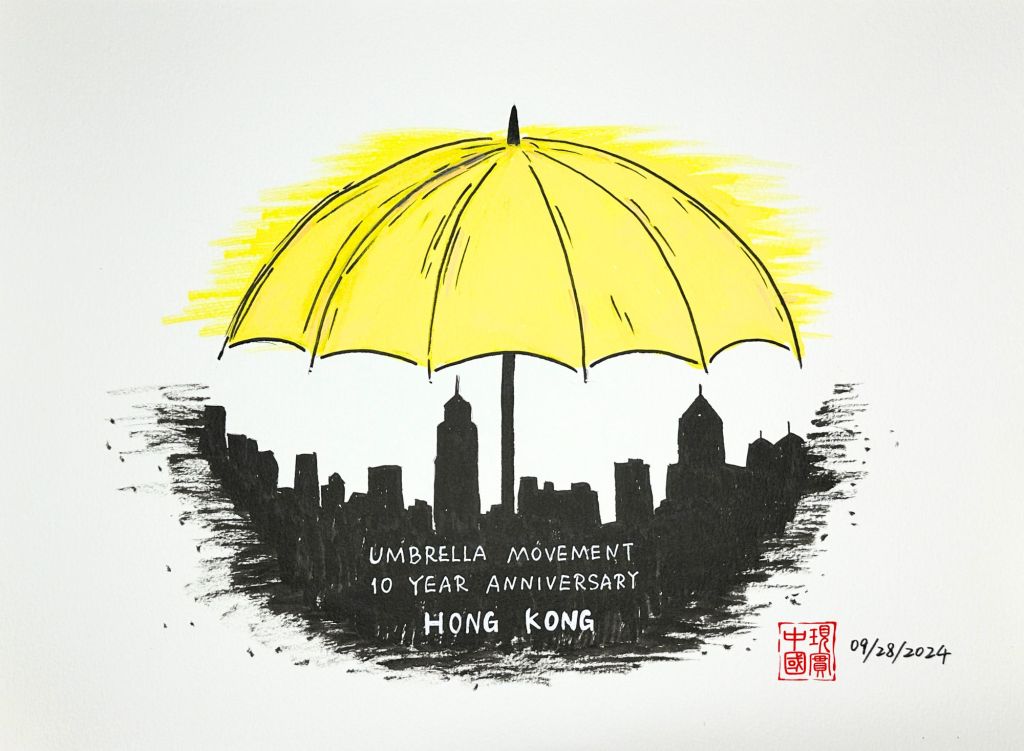
Reflecting on 10 Years: The Umbrella Movement’s Legacy

Ten years ago, Hong Kong witnessed a remarkable chapter in its history—the Umbrella Movement. What began as a call for democratic reforms and universal suffrage swiftly grew into a powerful symbol of peaceful resistance. Thousands of citizens, armed only with umbrellas to shield against tear gas, united in a non-violent stand for their rights.

The spirit of the movement has left an indelible mark on the city. Though the physical barricades have long been dismantled, the ideals of democracy, freedom, and autonomy continue to inspire. The Movement’s legacy lives on through the resilience of Hong Kongers who strive for justice, despite facing increasing challenges and suppression.

As we commemorate this anniversary, we honor the courage and determination of those who stood on the front lines and reflect on the ongoing struggle for democracy. The Umbrella Movement reminds us that the fight for freedom is enduring, and the hope for a brighter, more democratic future remains alive in the hearts of many.

Here’s to remembering the past, acknowledging the present, and hoping for a future where the spirit of the Umbrella Movement thrives.

Hong Kong’s National Security Trial: A Turning Point in Democratic Dissent

In a landmark ruling on Thursday, a Hong Kong court sentenced dozens of prominent democracy activists and leaders to potential life imprisonment, marking a severe crackdown under Beijing’s imposed national security law. The charges stem from organizing primary elections to enhance their chances in city-wide elections, deemed by authorities as a conspiracy to subvert state power.

Among the convicted are figures like legal scholar Benny Tai and protest leader Joshua Wong, whose activism symbolized Hong Kong’s vibrant political landscape. The verdict underscores Beijing’s use of broad powers to suppress dissent, turning these activists into political prisoners, some of whom were lawmakers since Hong Kong’s handover to China in 1997.

Most of the defendants have spent at least the last three years in detention ahead of and during the 118-day trial. It highlight a fundamental shift in Hong Kong’s political environment, where even mild opposition activities are no longer tolerated. Critics argue that the government’s prosecution of nonviolent electoral preparations undermines the city’s once-celebrated judicial independence and freedom of elections.

As Hong Kong faces its most significant political challenge in decades, international observers view these trials as a litmus test for Hong Kong’s judicial independence and fear a chilling effect on free speech and dissent.

Beijing Doubles Down on Suppressing Basic Freedoms: New National Security Law in Hong Kong

The Beijing-controlled Legislative Council in Hong Kong passed a new security law on March 19, 2024, that eliminates the last vestiges of fundamental freedoms in the city. The Safeguarding National Security Ordinance punishes peaceful speech and civil society activism with heavy prison sentences, expands police powers, and weakens due process rights. Because provisions apply to Hong Kong residents and businesses anywhere in the world, the law can silence dissent both in the city and globally.

Human Rights Watch condemned the rushed legislative process, where legislators spent a mere 39 hours reviewing a 212-page draft without proposing any amendments. The law takes effect on March 23, 2024, marking a new era of comprehensive oppression in Hong Kong.

“This law will subject Hong Kong to unprecedented levels of repression,” said Elaine Pearson, Asia director at Human Rights Watch. Even possession of books critical of China could now lead to lengthy imprisonment. The law criminalizes acts like subversion, secession, espionage, and foreign interference, violating international human rights standards enshrined in Hong Kong’s Basic Law.

相关中文报道

Defiance on Trial: Jimmy Lai and the Fight for Hong Kong’s Autonomy

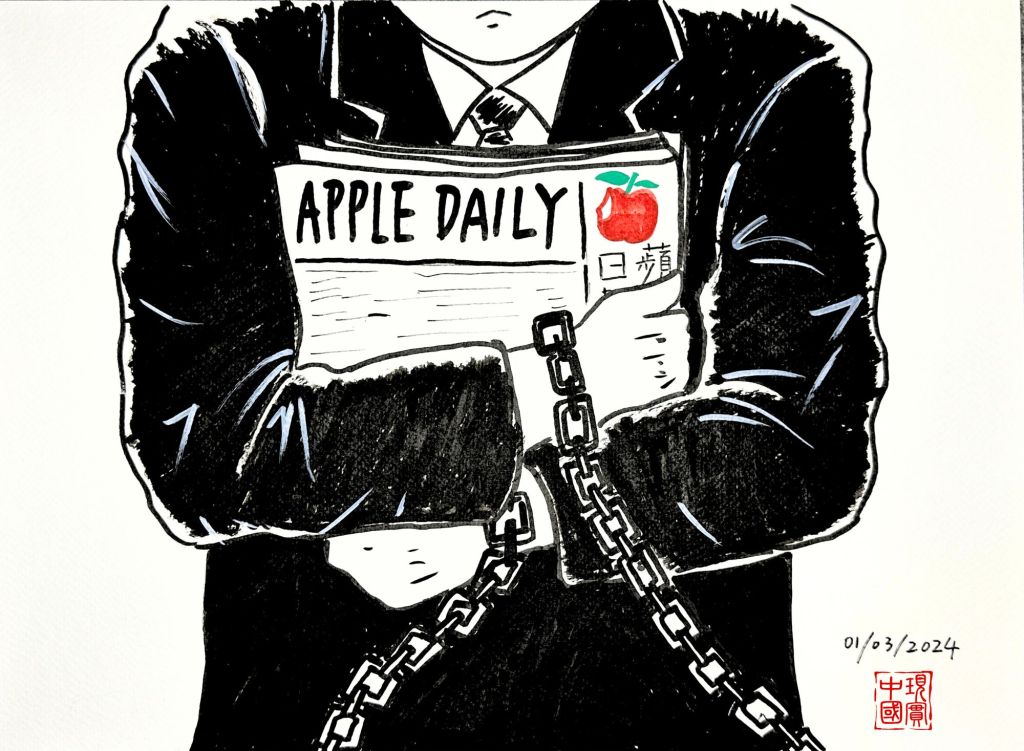
In a dramatic trial unfolding in Hong Kong, media tycoon Jimmy Lai, once a symbol of defiance against Beijing, faces severe charges under China’s National Security Law. Lai, known for his outspoken criticism of Beijing through his newspaper, APPLE DAILY, became a prominent figure in Hong Kong’s pro-democracy protests. Arrested in 2020, Lai now confronts allegations of colluding with foreign forces, which could lead to a life sentence. Despite international outcry over what many view as politically motivated charges, Lai appeared in court, greeted by supporters and family members, clad in a blue shirt and khaki jacket, his trademark defiance undiminished.

The trial marks a pivotal test for Hong Kong’s judicial independence under the controversial security law, widely criticized for eroding freedoms once enjoyed in the region. Amid heightened security at the courthouse, including police dogs and armored vehicles, supporters like elderly activist Grandma Wong continue to rally, waving British flags in protest against what they perceive as Beijing’s encroachment on Hong Kong’s autonomy.

As the trial proceeds, international observers and human rights advocates closely monitor proceedings, emphasizing concerns over fair trial standards and political interference. Lai’s case underscores broader tensions surrounding Hong Kong’s autonomy and the implications of Beijing’s tightening grip on dissent.

Hong Kong’s New Patriotism Education Initiative Raises Alarm

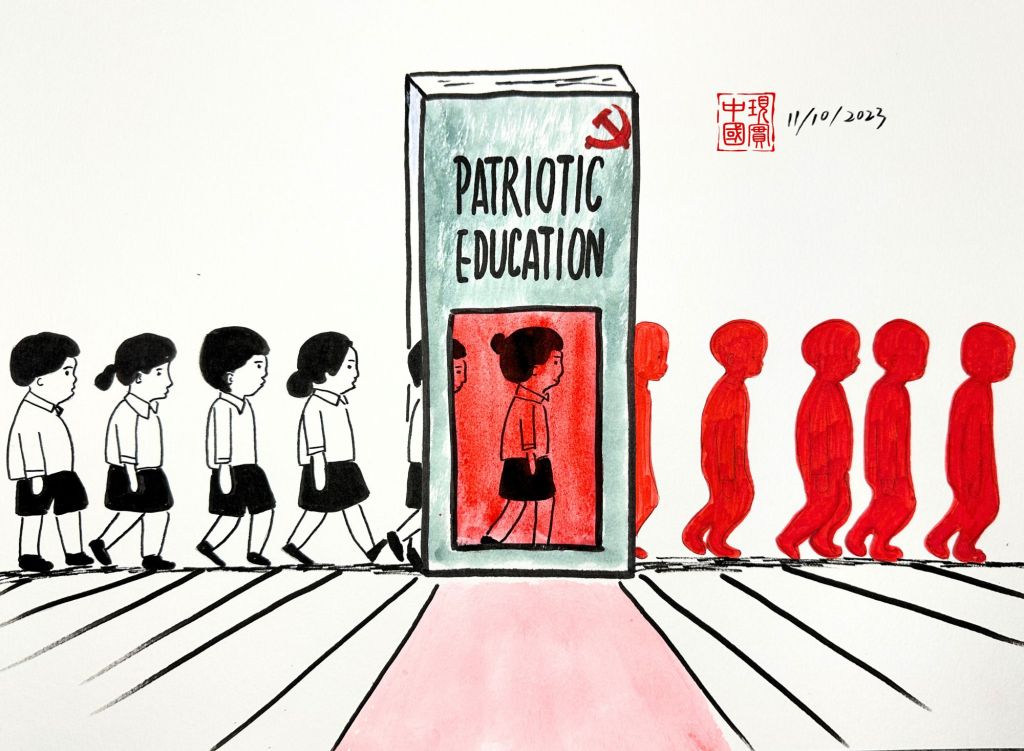
Hong Kong Chief Executive John Lee unveiled his second Policy Address in late October, introducing “patriotic education” for the first time in Hong Kong’s national education system. The Chief Secretary for Administration will oversee a task force to coordinate efforts across government and non-government sectors to promote this initiative.

Scholars noted the timing of Lee’s announcement, coinciding with China’s National People’s Congress Standing Committee passing the “Patriotic Education Law.” Led by the Chief Secretary for Administration, akin to the Cultural Revolution’s Central Cultural Group, the task force aims for comprehensive ideological education.

China’s National People’s Congress Standing Committee passed the “Patriotic Education Law of the People’s Republic of China” on October 24, effective January 1 next year. The following day, Lee integrated patriotic education into Hong Kong’s national education system, forming the “Patriotic Education Working Group” under Chief Secretary Chan Kwok-ki. This move aligns with mainland China’s law, emphasizing Chinese history, culture, and national identity education.

Evergrande Xu Jiayin Under Investigation for Crimes – Now What?

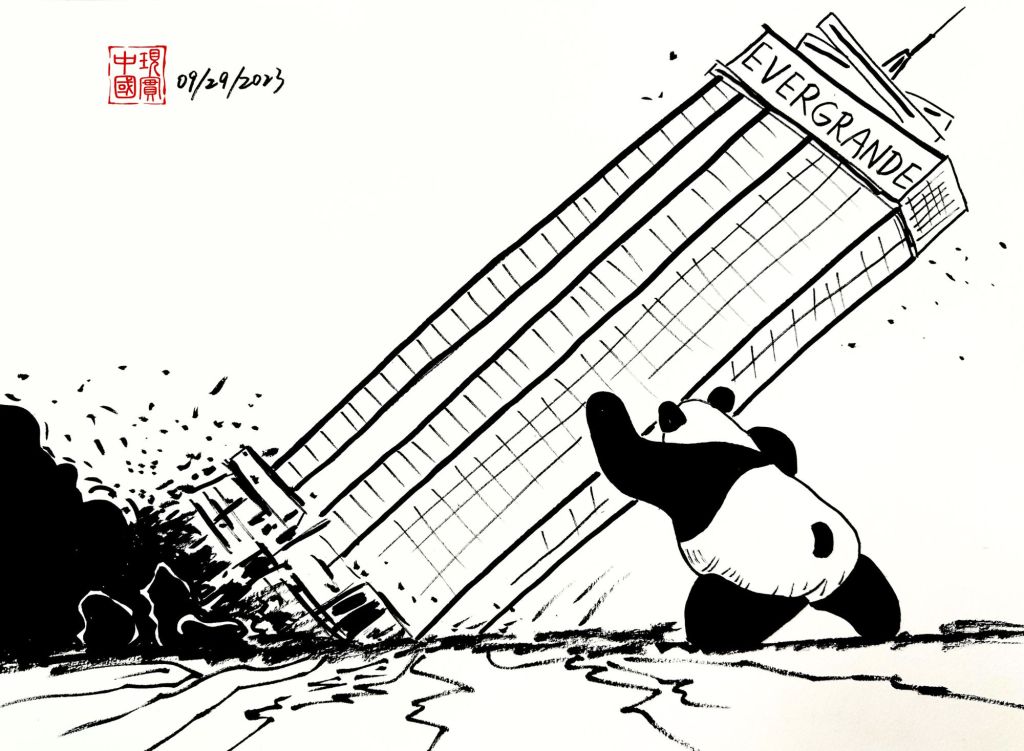
The two-year-long saga of Evergrande Group’s financial meltdown has reached a dramatic peak. On the evening of September 28, China Evergrande Group, listed in Hong Kong, announced that its Chairman, Xu Jiayin, is under investigation for suspected illegal activities and has been subjected to mandatory measures. Several other senior executives of Evergrande are also being investigated.

相关中文报道

Hong Kong Asks Court to Ban Protest Anthem

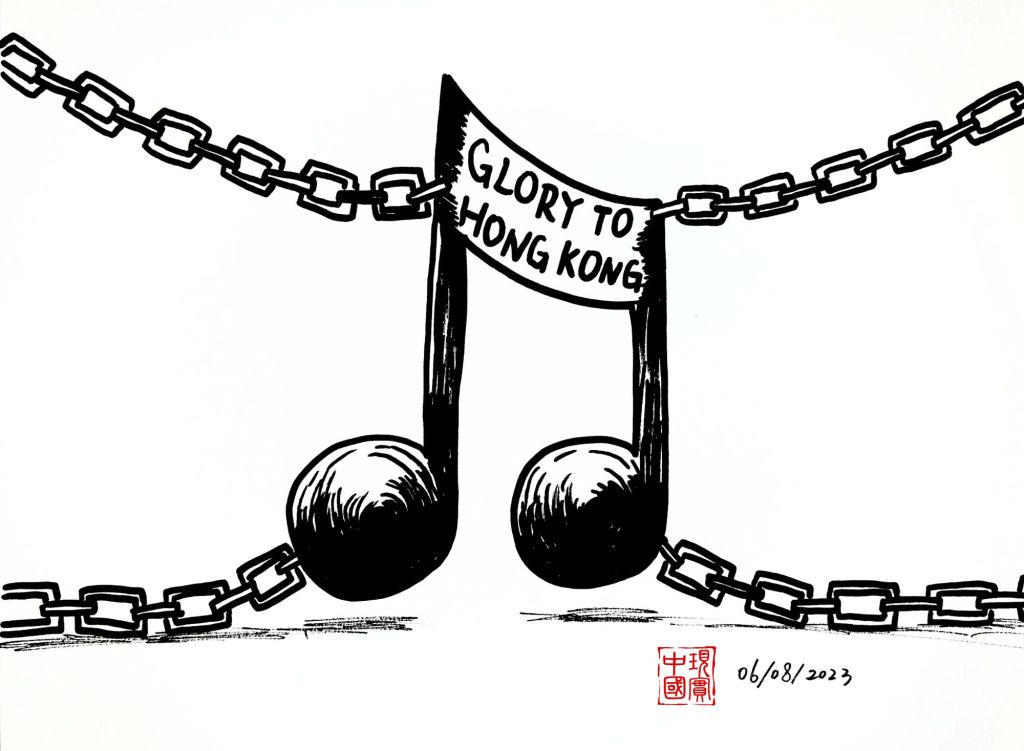
Hong Kong’s government has renewed efforts to ban “Glory to Hong Kong,” which has emerged as the unofficial anthem of pro-democracy demonstrators in 2019. After mistakenly played during an Asian rugby match in Korea last year, the song has been listed as prohibited in schools, and authorities are now seeking a court injunction to ban its public performance and online dissemination.

This move could place American tech companies like Google in a difficult position, as it marks the first legal test of Hong Kong’s control over online content. The government claims the song insults China’s national anthem and damages both the nation and the Special Administrative Region.

Hong Kong’s Security Bureau Chief criticized Google last December for not prioritizing the Chinese national anthem in search results. The new injunction request, citing the 2020 National Security Law, is part of broader efforts to eliminate political dissent in the city.

If granted, this injunction could complicate and increase the costs of content moderation for U.S. tech firms operating in Hong Kong. Critics argue that the National Security Law, which gives China broad powers to address perceived political crimes, extends its reach globally, potentially affecting anyone outside of Hong Kong.

Despite these suppression efforts, interest in “Glory to Hong Kong” has surged, with multiple versions topping Hong Kong’s iTunes charts. As Hong Kong tightens its grip on freedom of speech, it risks tarnishing its image as a business-friendly hub, with some multinational companies already relocating to other regions like Singapore.

Erasing Memory: Hong Kong’s Crackdown on Tiananmen Commemorations

For decades, Hong Kong was the only place in China where people could openly commemorate the 1989 Tiananmen Square crackdown through candlelight vigils. This year, however, Hong Kong has taken notable steps to make people forget the massacre.

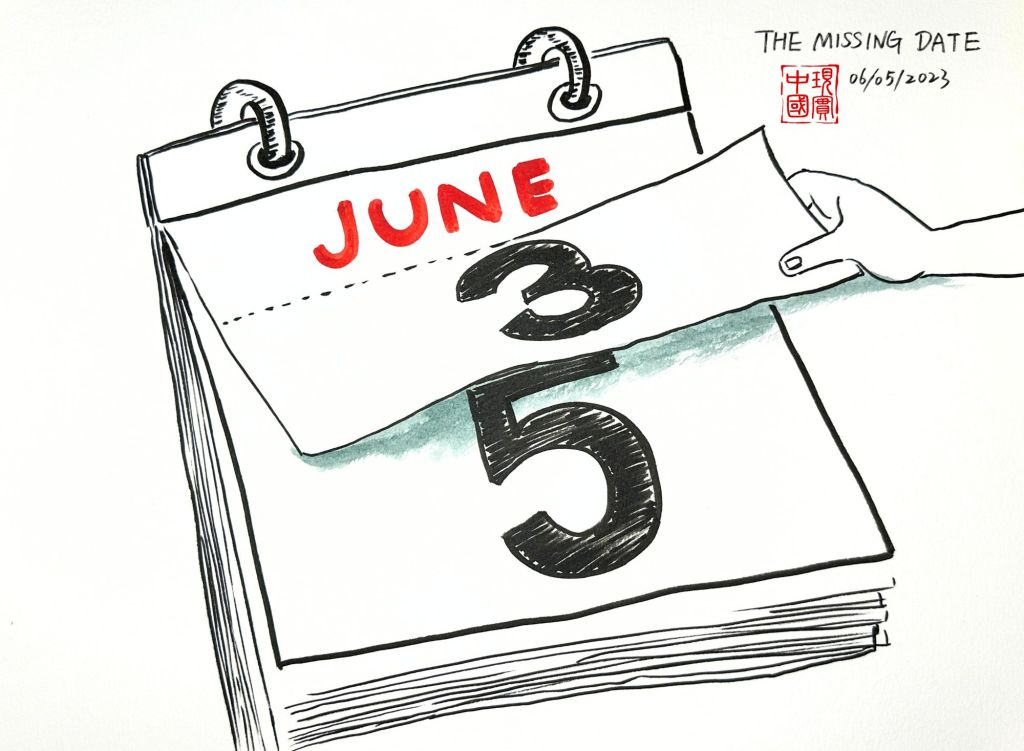
Ahead of this year’s June 4th anniversary, small shops displaying items hinting at the crackdown were closely monitored. On the weekend, thousands of police officers patrolled the streets of Causeway Bay, where vigils used to be held. They set up temporary tents and searched individuals suspected of attempting to mourn. Four people were arrested for “acts with seditious intent,” and another four were detained.

Zhou Fengsuo, a student leader of the Tiananmen Square protests, stated that Hong Kong is now under the same tyranny as mainland China. He expressed that the mission to democratize China, which began in 1989, remains incomplete as Hong Kong faces similar repression.

The 1989 democratic movement had significant support in Hong Kong, then a British colony. After the Chinese army violently suppressed the protests, some student leaders escaped to Hong Kong. In 2019, thousands gathered in Victoria Park for a candlelight vigil, marking the last large-scale commemoration of the massacre in Hong Kong.

Since the implementation of the National Security Law in 2020, nearly all forms of dissent in Hong Kong have become criminalized. Authorities have been particularly focused on erasing the memory of the Tiananmen Massacre, raiding museums and libraries and imprisoning vigil organizers.

Despite the lifting of pandemic restrictions this year, Victoria Park was occupied by a pro-Beijing group’s fair, celebrating Hong Kong’s return to China in 1997. The arrests over the weekend and heavy police presence have made it clear that public mourning of the Tiananmen victims is no longer tolerated.

Taiwan Publisher Detained in China, Sparking Concerns

Chinese authorities have confirmed the detention of Taiwanese publisher Li Yanhe, known by pen-named Fu Cha, on allegations of violating national security laws. This incident has raised fears in Taiwan about Beijing’s intentions towards its vibrant publishing industry.

Li Yanhe, a Chinese citizen who has lived in Taiwan since 2009, runs Gusa Publishing, known for its critical stance against the Chinese Communist Party (CCP). He disappeared shortly after returning to China for a family visit last month, causing alarm among colleagues and friends.

This is a strong blow, creating a chilling effect. Publishers, publishing, and freedom of speech are fundamental indicators of an open society. Convicting someone for publishing books critical of China is unacceptable.

Lee’s detention could further strain the already tense relations between Taiwan and China. Beijing views Taiwan as part of its territory, while many in Taiwan reject this claim, disapproving of Chinese President Xi Jinping’s authoritarian rule, especially after the crackdown on freedoms in Hong Kong.

点此查看相关中文报道

Hong Kong Students to Learn New Historical Narrative: “Hong Kong Was Not a Colony”

HONG KONG HISTORY

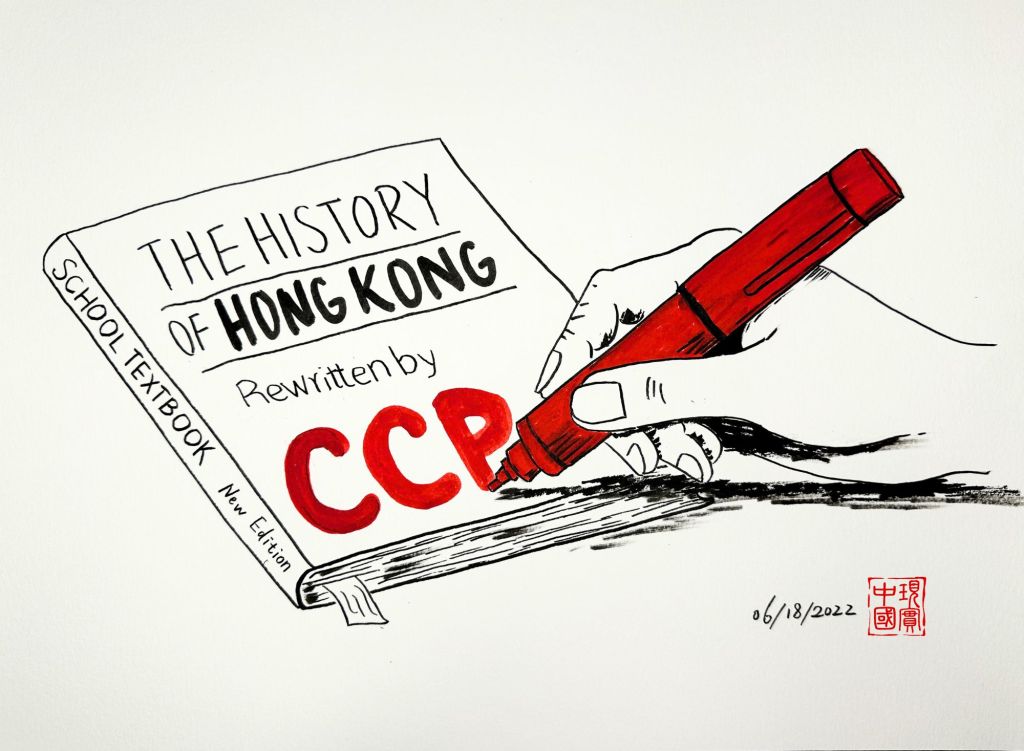
Hong Kong—For a long time, the history learned by many schoolchildren around the world was that Hong Kong was a colony of the British Empire. But students in Hong Kong will soon be learning a different lesson: Hong Kong was not a colony.

As Hong Kong prepares to commemorate the 25th anniversary of its return to China on July 1, 1997, this narrative, which denies the British view of its relationship with Hong Kong, will be explicitly taught to Hong Kong high school students through at least four new textbooks to be introduced this fall. These textbooks are part of a broader campaign by China’s top leader Xi Jinping to comprehensively reform Hong Kong’s schools, “protect the minds of young people,” and cultivate loyal, patriotic citizens.

点此查看相关中文报道

Nobody Escapes-China bans on “unnecessary” overseas travel

Nobody Escapes

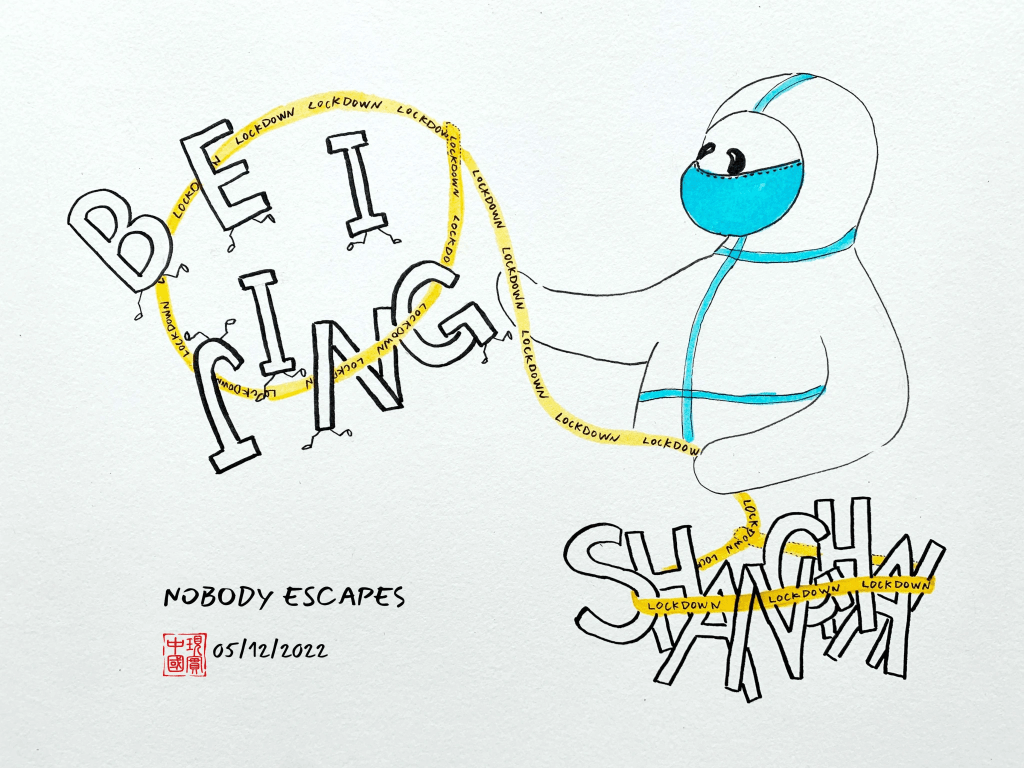
China has stopped renewing passports and issuing new ones to Chinese citizens since July 30, 2021. However, that’s not enough for the government to crack down on people escaping the country. Today China just announced it will strict limit unnecessary overseas travel for Chinese citizens to prevent the virus being brought into the country.

“Don’t go out unless necessary, don’t leave the country unless necessary, don’t be born unless necessary,” one popular comment in reaction to the news on Weibo, a Chinese social media like Twitter.

While witnessing the chaos and dysfunction in the lockdown of Shanghai, fears rise over new government-enforced lockdowns — especially in the capital Beijing, where Covid cases are rising.

Today’s announcement of travel ban extinguished the hope to escape for those who still hold valid passports.

Hong Kong’s last pro-democracy paper Apple Daily closes

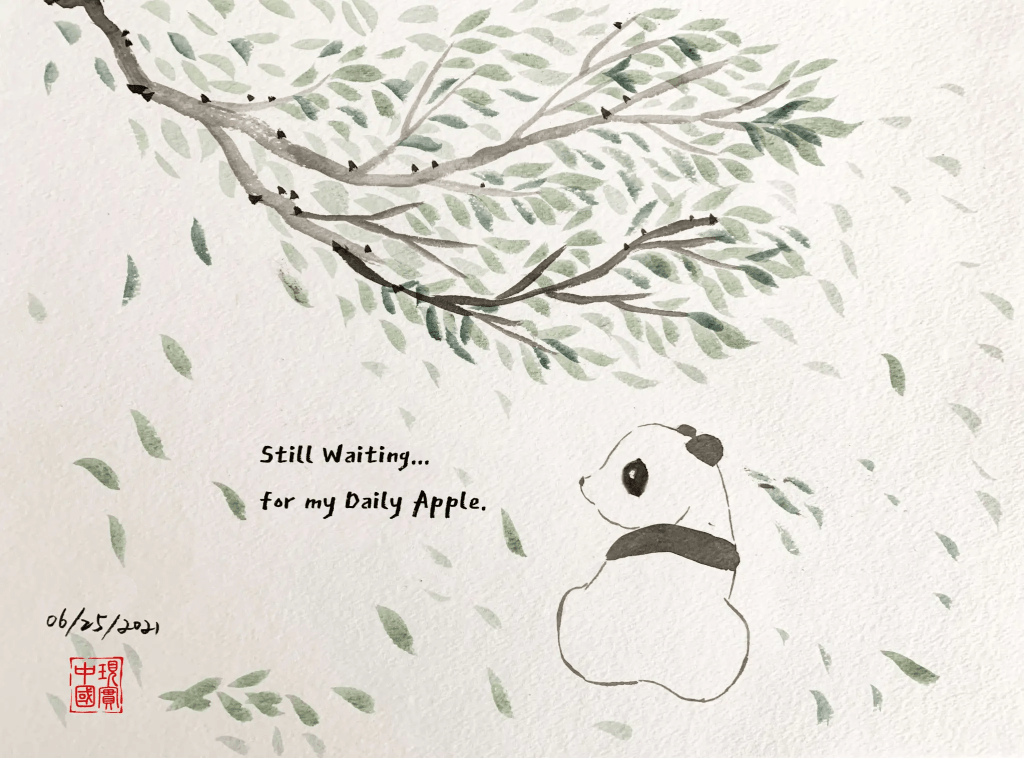
Still waiting for my Daily Apple

Apple Daily, 26-year-old, Hong Kong’s largest pro-democracy paper has announced its closure, in a blow to media freedom in the city.

The Chief Editor and five other executives were detained by police, and company-linked assets were frozen.
As a beacon of media freedom in the Chinese-speaking world, it is a widely read and supported by political dissents in Hong Kong.

Ironically, Chinese officials have repeatedly said media freedoms in Hong Kong are respected.

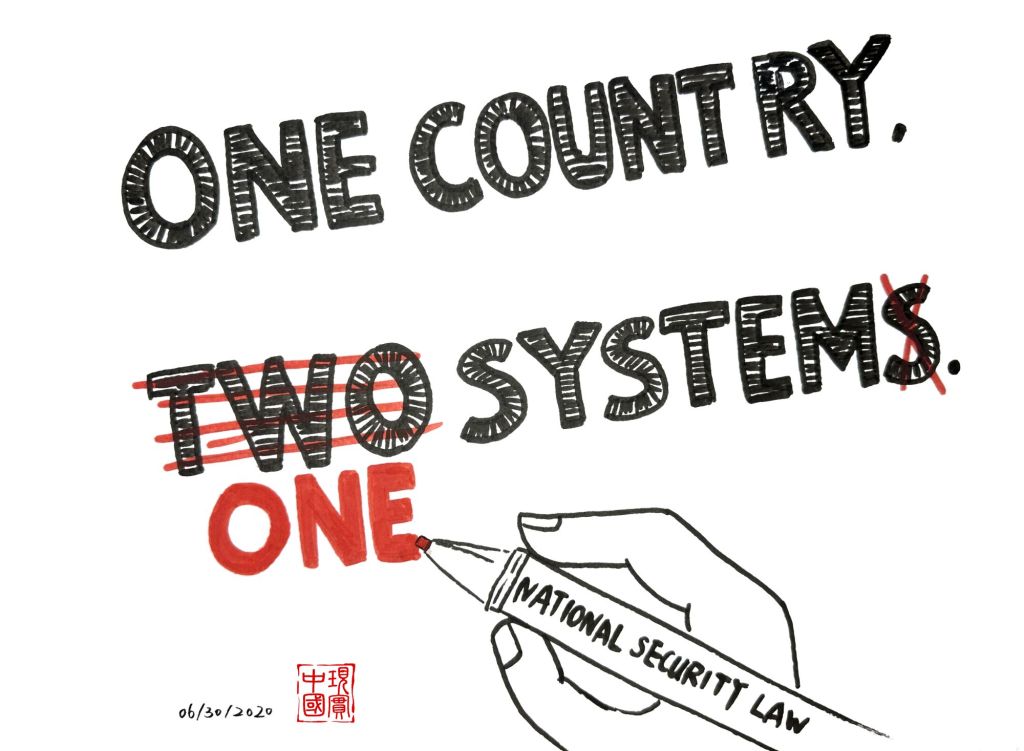
One Country, One System

On June 30, 2020, the Standing Committee of the National People’s Congress of China passed and implemented the “Law of the People’s Republic of China on Safeguarding National Security in the Hong Kong Special Administrative Region,” commonly referred to as the Hong Kong National Security Law (NSL). The introduction of this law in Hong Kong has sparked intense controversy, as it is widely seen as a severe breach of the “one country, two systems” principle that was meant to guarantee Hong Kong’s high degree of autonomy and its own legal system for 50 years following the 1997 handover.

The implementation of the Hong Kong National Security Law marks a significant turning point in the city’s history, raising profound concerns about the future of its freedoms, autonomy, and the rule of law.

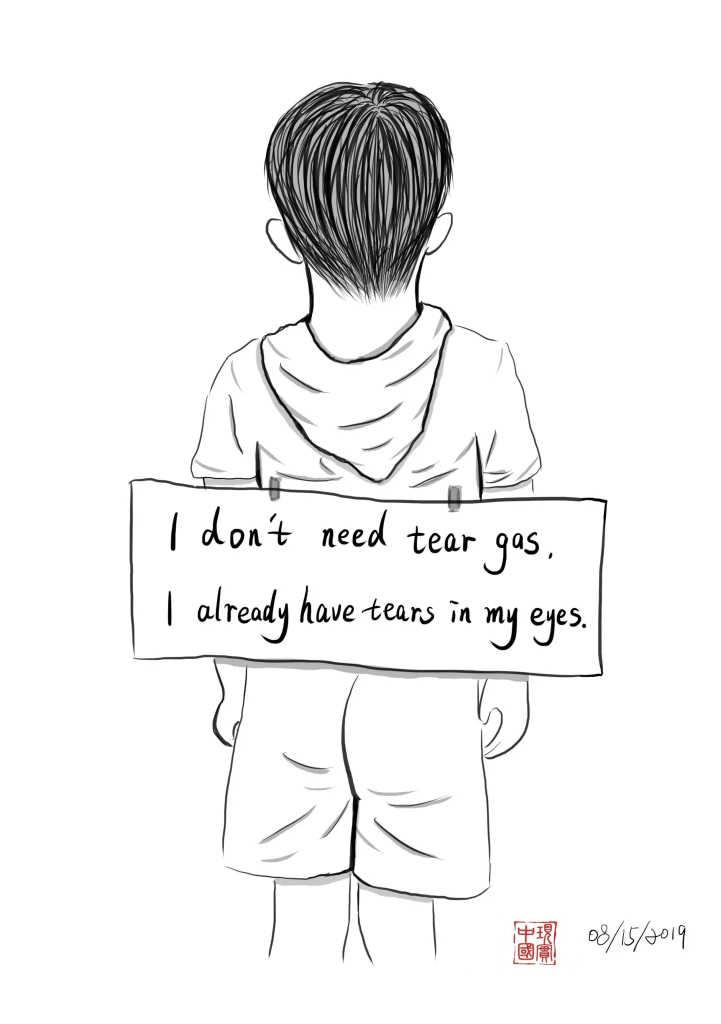
I don’t need tear gas, I already have tears in my eyes

I don’t need tear gas, I already have tears in my eyes.

On June 9, about one million Hong Kong people marched to the government headquarters to protest the Anti-Extradition Bill, which allows extraditions to mainland China. Since then, the protests has last months, and conflicts between protesters and police escalated.

On August 11th, policed stormed enclosed railway stations, firing tear gas at protesters, leading yet again to dramatic scenes of confrontation.

The next day, protesters gathered at the airport, leading to hundreds of flights being cancelled. A scene went viral, which was a little kid standing in the lobby with this sign. We can’t help thinking, what would be the future of the young kids of Hong Kong if this “One Country, Two Systems” finally become “One County, One System”?