On Friday, a court in southern China sentenced prominent feminist journalist Huang Xueqin to five years in prison for inciting subversion of state power, marking Beijing’s latest crackdown on civil society. Labor activist Wang Jianbing received a three-year, six-month sentence on the same charge. Their activities leading to arrest and conviction included organizing discussions, supporting other activists, and receiving overseas training. Experts note the severity of these legal actions, even by Chinese standards, signaling a shrinking space for independent social discourse. Huang, once a vocal figure in China’s #MeToo movement and later a writer on Hong Kong protests, and Wang, an advocate for worker and disability rights, faced prolonged detention before a brief trial last September. Critics argue these cases reflect broader suppression of topics like women’s and workers’ rights under increasingly expansive interpretations of “threats to public order.”
Human Rights Watch stated today that since June 12, 2019, when Hong Kong citizens took to the streets in a months-long democratic protest, the Chinese government has continued to stifle basic freedoms in the city. Government data shows that over 10,000 protesters have been arrested, with 2,910 facing charges and 1,475 convicted.
Governments worldwide should hold accountable Hong Kong and Chinese officials responsible for human rights abuses, including imposing sanctions such as asset freezes and travel bans.
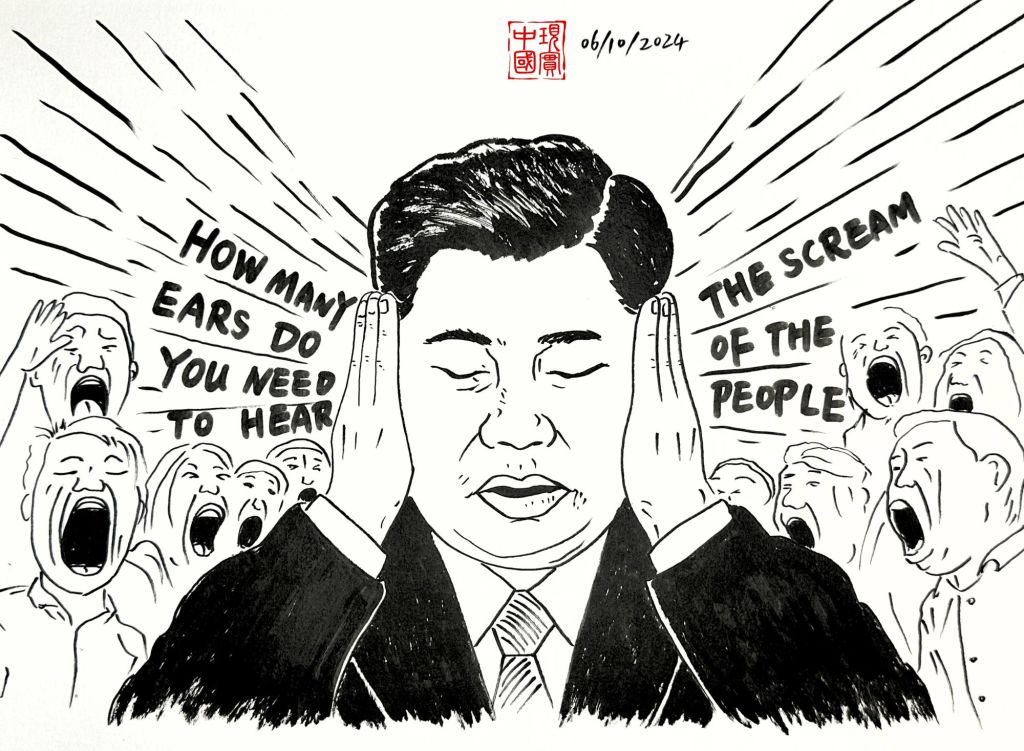
“In five years of Hong Kong’s struggle, the government has not apologized or held the police accountable for abuses; instead, officials involved in the crackdown have been promoted to leadership positions,” said Wang Songlian, Acting China Director at Human Rights Watch. “Criticism of the police or seeking justice can now lead to imprisonment in Hong Kong.”
The proposed extradition bill in February 2019 sparked massive peaceful protests, with over a million people demonstrating on June 9 against its passage. By June 12, tens of thousands had gathered around the Legislative Council, occupying nearby streets. Police responded with tear gas, beanbag rounds, and rubber bullets, injuring dozens. Former Chief Executive Carrie Lam condemned the protests as “riots.”
Over the next six months, Hong Kong saw daily protests demanding the withdrawal of the extradition bill, an end to the riot classification, dropping charges against protesters, an independent inquiry into police misconduct, and genuine universal suffrage.
While the extradition bill was withdrawn, none of the other demands, including investigation into police violence, were met. Protests spread across Hong Kong, involving people from all walks of life. The largest protest on June 16, 2019, drew an estimated two million people in a city of seven million.
Hong Kong police increasingly used excessive and indiscriminate force against largely peaceful protesters, violating international human rights standards. They fired pepper balls, tear gas canisters, and rubber bullets, including shooting at close range, causing injuries like blindness.
Police actions included firing tear gas in subway stations and malls, assaulting protesters’ heads, chasing crowds in ways that risked stampedes, driving vehicles into crowds, and unnecessarily tackling protesters including pregnant women, children, and the elderly.
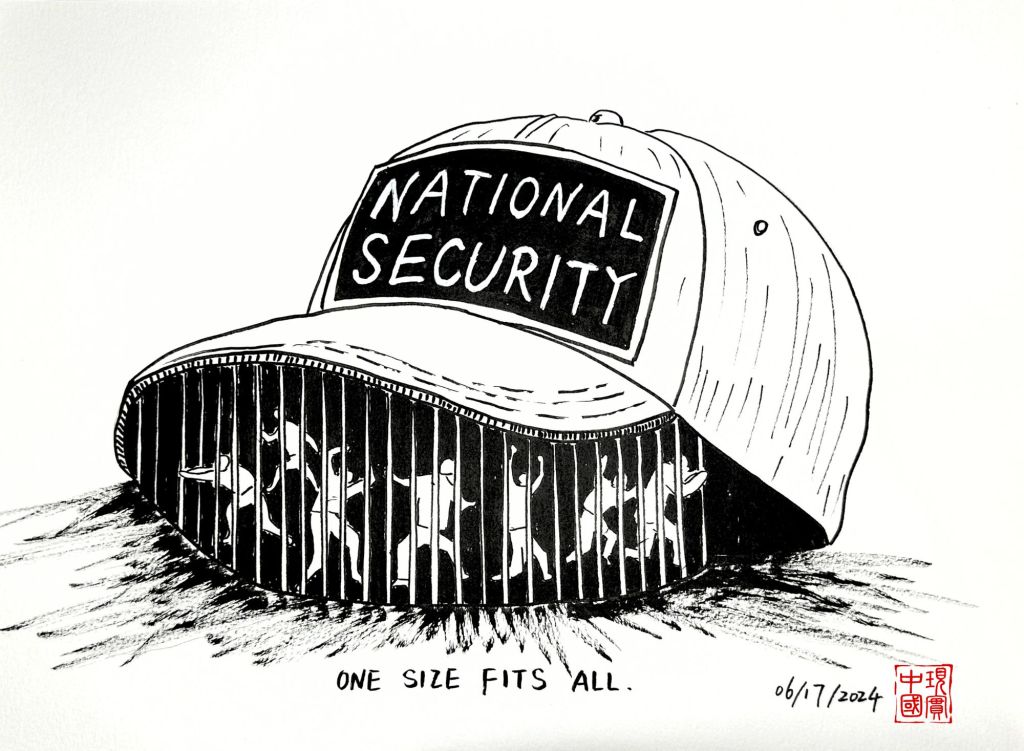
As of June 2024, China and Hong Kong have employed various tactics to suppress civil liberties, including enacting stringent national security laws, arresting and prosecuting elected legislators, dismantling civil society organizations and independent unions, and shutting down pro-democracy media.
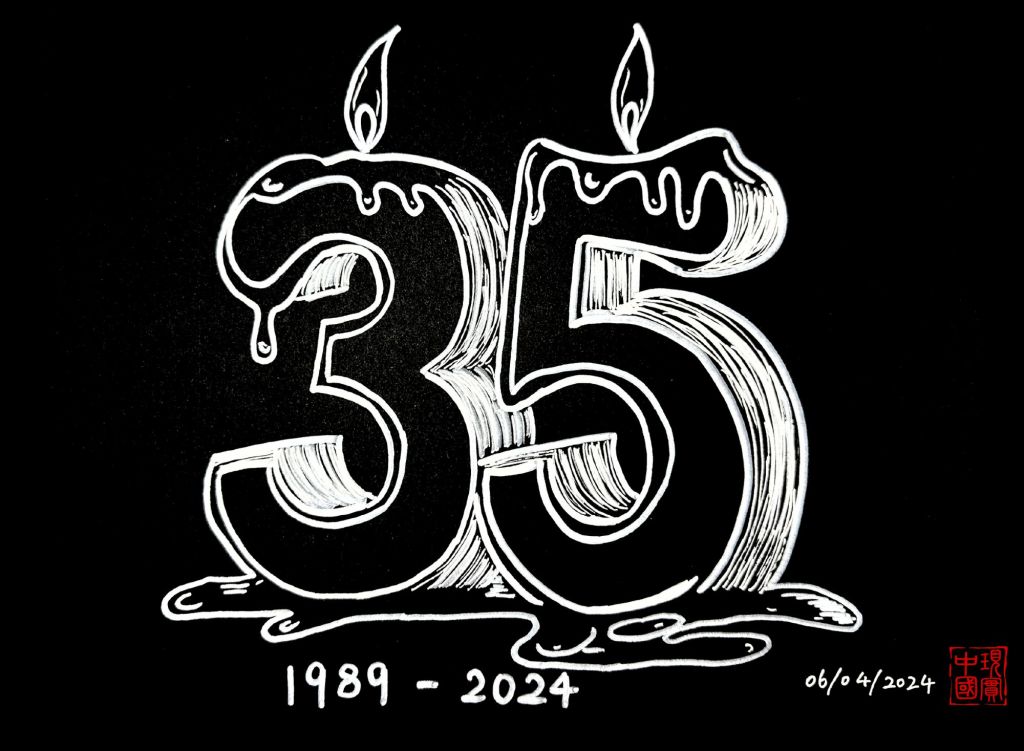
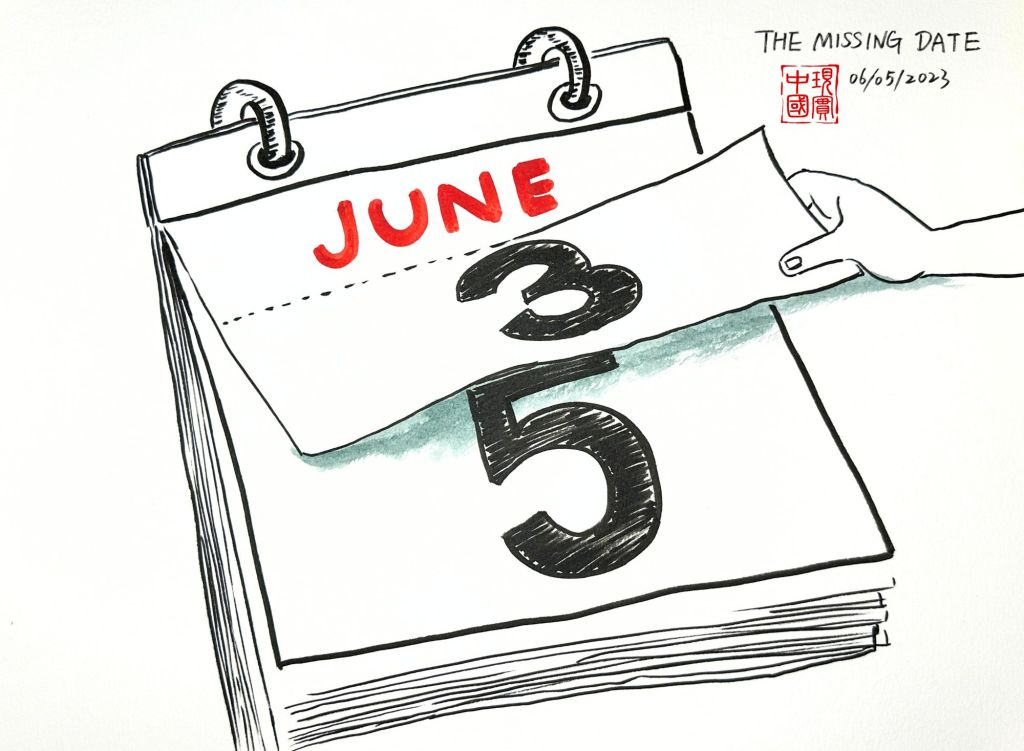
As we mark the 35th anniversary of the Tiananmen Square massacre, it’s a somber moment to reflect on a pivotal event in modern history. On June 4, 1989, peaceful protests in Beijing demanding democratic reforms met a tragic end as Chinese authorities cracked down with force, resulting in countless deaths and injuries.
The memory of those brave individuals standing for freedom and democracy resonates globally, reminding us of the enduring struggle for human rights. Despite efforts to suppress the truth, the spirit of Tiananmen lives on through the courage of those who continue to seek justice and accountability.
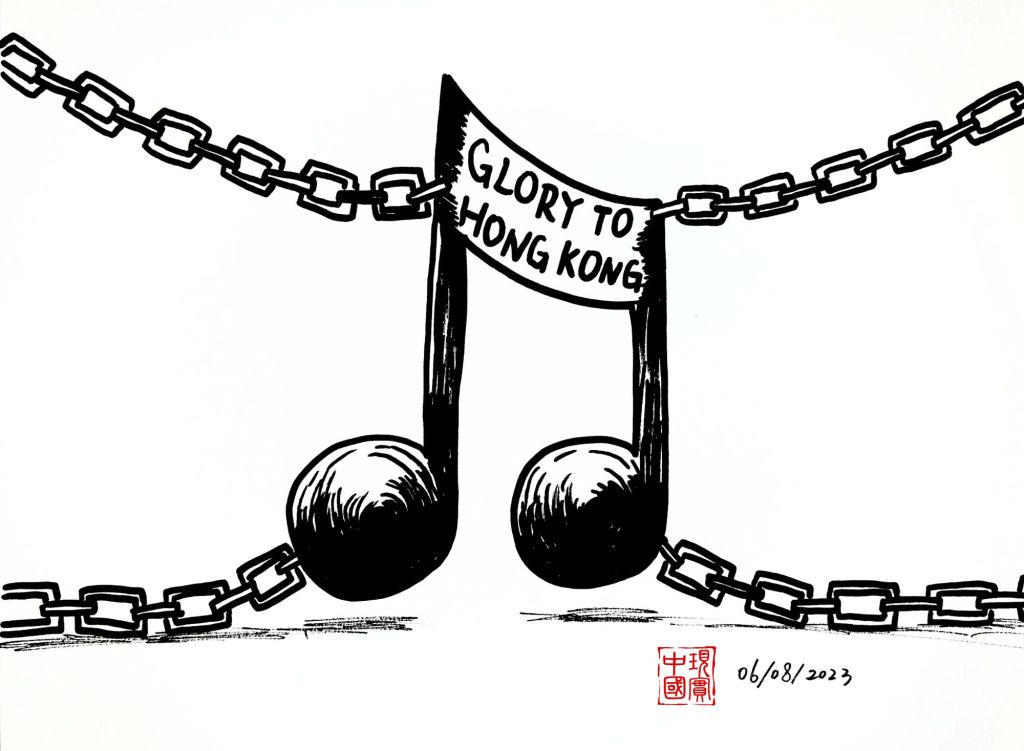
Hong Kong’s government has renewed efforts to ban “Glory to Hong Kong,” which has emerged as the unofficial anthem of pro-democracy demonstrators in 2019. After mistakenly played during an Asian rugby match in Korea last year, the song has been listed as prohibited in schools, and authorities are now seeking a court injunction to ban its public performance and online dissemination.
This move could place American tech companies like Google in a difficult position, as it marks the first legal test of Hong Kong’s control over online content. The government claims the song insults China’s national anthem and damages both the nation and the Special Administrative Region.
Hong Kong’s Security Bureau Chief criticized Google last December for not prioritizing the Chinese national anthem in search results. The new injunction request, citing the 2020 National Security Law, is part of broader efforts to eliminate political dissent in the city.
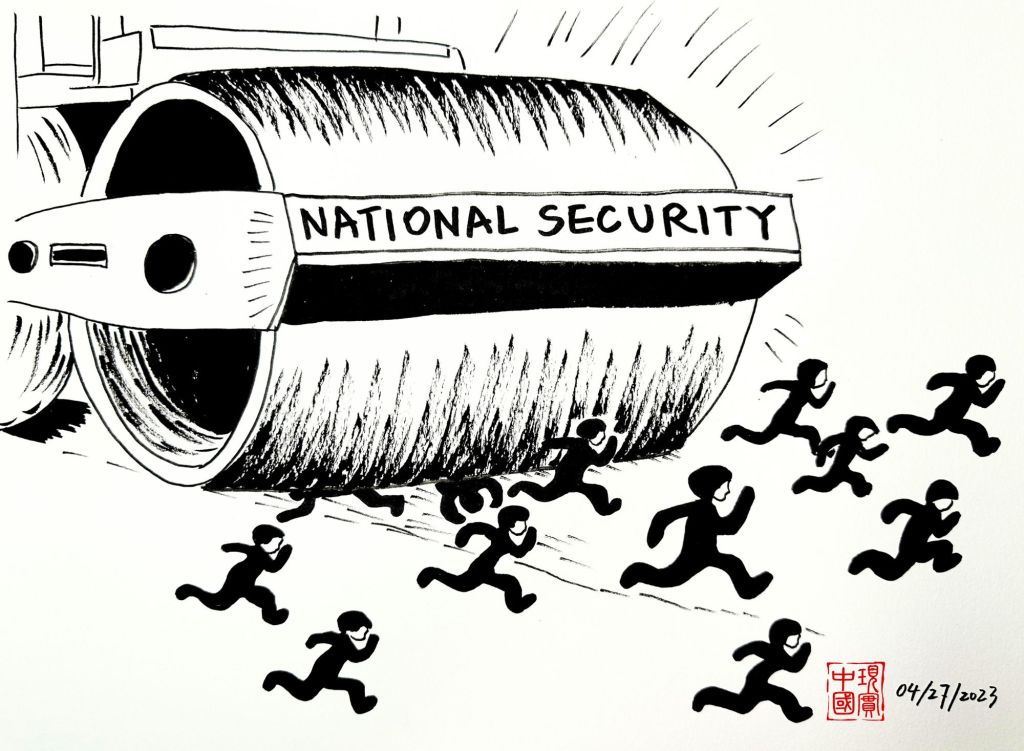
If granted, this injunction could complicate and increase the costs of content moderation for U.S. tech firms operating in Hong Kong. Critics argue that the National Security Law, which gives China broad powers to address perceived political crimes, extends its reach globally, potentially affecting anyone outside of Hong Kong.
Despite these suppression efforts, interest in “Glory to Hong Kong” has surged, with multiple versions topping Hong Kong’s iTunes charts. As Hong Kong tightens its grip on freedom of speech, it risks tarnishing its image as a business-friendly hub, with some multinational companies already relocating to other regions like Singapore.
For decades, Hong Kong was the only place in China where people could openly commemorate the 1989 Tiananmen Square crackdown through candlelight vigils. This year, however, Hong Kong has taken notable steps to make people forget the massacre.
Ahead of this year’s June 4th anniversary, small shops displaying items hinting at the crackdown were closely monitored. On the weekend, thousands of police officers patrolled the streets of Causeway Bay, where vigils used to be held. They set up temporary tents and searched individuals suspected of attempting to mourn. Four people were arrested for “acts with seditious intent,” and another four were detained.
Zhou Fengsuo, a student leader of the Tiananmen Square protests, stated that Hong Kong is now under the same tyranny as mainland China. He expressed that the mission to democratize China, which began in 1989, remains incomplete as Hong Kong faces similar repression.
The 1989 democratic movement had significant support in Hong Kong, then a British colony. After the Chinese army violently suppressed the protests, some student leaders escaped to Hong Kong. In 2019, thousands gathered in Victoria Park for a candlelight vigil, marking the last large-scale commemoration of the massacre in Hong Kong.
Since the implementation of the National Security Law in 2020, nearly all forms of dissent in Hong Kong have become criminalized. Authorities have been particularly focused on erasing the memory of the Tiananmen Massacre, raiding museums and libraries and imprisoning vigil organizers.
Despite the lifting of pandemic restrictions this year, Victoria Park was occupied by a pro-Beijing group’s fair, celebrating Hong Kong’s return to China in 1997. The arrests over the weekend and heavy police presence have made it clear that public mourning of the Tiananmen victims is no longer tolerated.
Chinese authorities have confirmed the detention of Taiwanese publisher Li Yanhe, known by pen-named Fu Cha, on allegations of violating national security laws. This incident has raised fears in Taiwan about Beijing’s intentions towards its vibrant publishing industry.
Li Yanhe, a Chinese citizen who has lived in Taiwan since 2009, runs Gusa Publishing, known for its critical stance against the Chinese Communist Party (CCP). He disappeared shortly after returning to China for a family visit last month, causing alarm among colleagues and friends.
This is a strong blow, creating a chilling effect. Publishers, publishing, and freedom of speech are fundamental indicators of an open society. Convicting someone for publishing books critical of China is unacceptable.
Lee’s detention could further strain the already tense relations between Taiwan and China. Beijing views Taiwan as part of its territory, while many in Taiwan reject this claim, disapproving of Chinese President Xi Jinping’s authoritarian rule, especially after the crackdown on freedoms in Hong Kong.

 The Truth Of China