How Chinese Censorship is Rewriting the Covid-19 Narrative

In early 2020, on the same day Covid-19 was officially named, U.S. and Chinese scientists released vital data on the virus’s spread and fatalities. The study, initially seen as a model of international collaboration, was cited globally but quickly retracted, with a message advising against citing it.

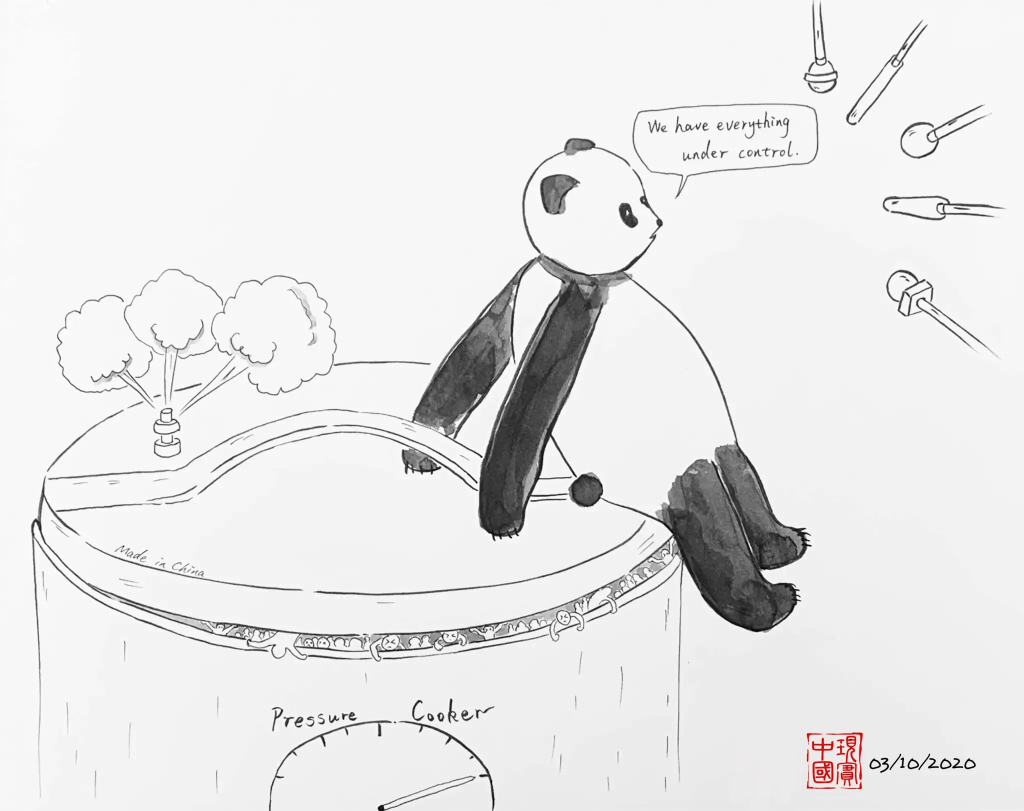
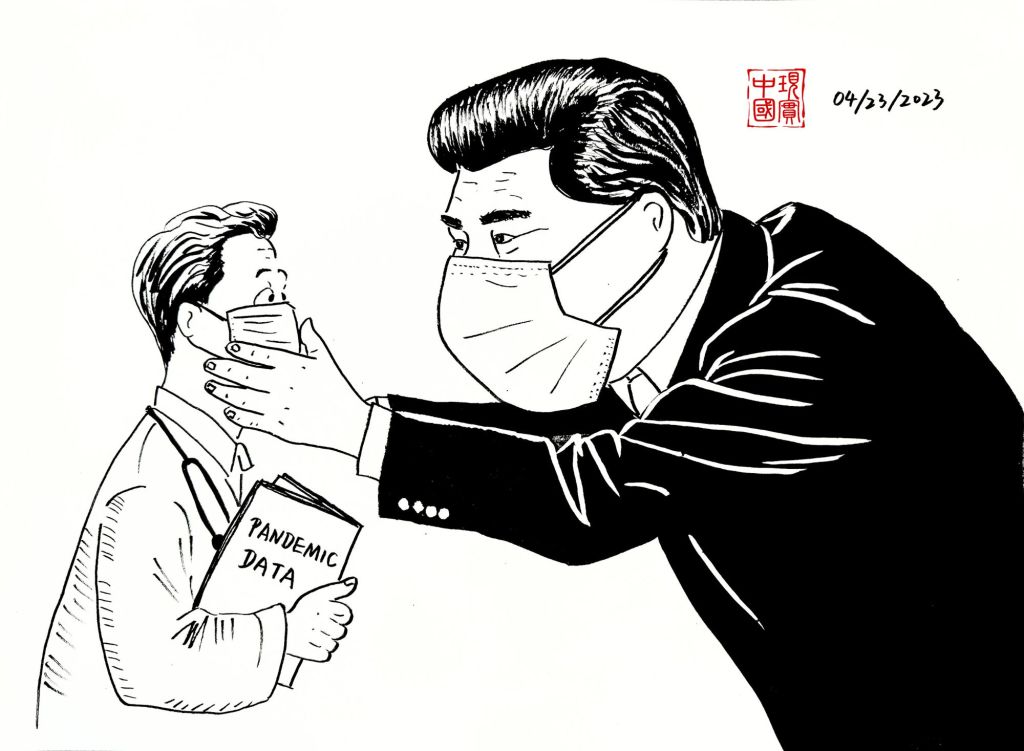
While the Chinese government’s suppression of scientists and censorship of pandemic discussions is known, its control over information is deeper than many realize, targeting international journals and databases. Chinese scientists, under government pressure, have withheld data, removed genetic sequences, and altered journal submissions.

Recently, this censorship surfaced when international scientists discovered genetic data from a Wuhan market, collected by Chinese researchers in January 2020 but withheld for three years—an “inexcusable” delay, according to global health officials.

On April 1, Beijing restricted foreign access to the China National Knowledge Infrastructure, limiting insights into Chinese research. Chinese leaders now urge scientists to publish in domestic rather than international journals. This month, Chinese government scientists suggested investigating the virus’s origins outside China, aligning with the disputed claim that the pandemic began elsewhere.
点此查看相关中文报道

Shanghai Lockdown Spurs Emigration Among Chinese Youth

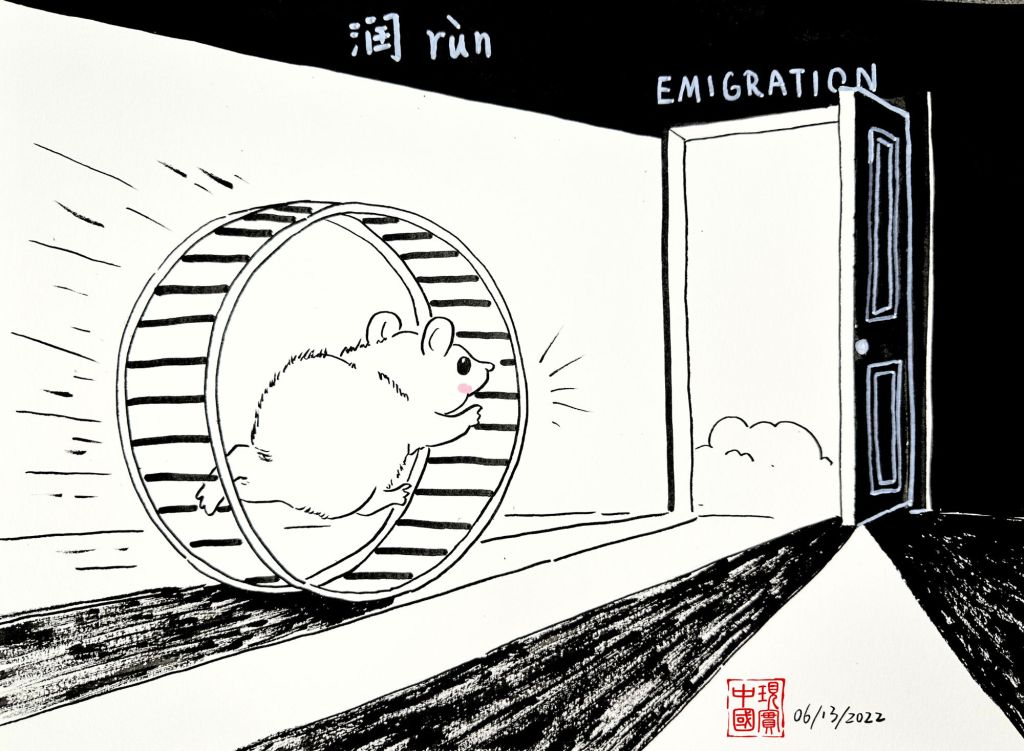
RUN

The recent harsh lockdown in Shanghai due to COVID-19 has sparked a significant discussion about emigration among Chinese youth. After enduring over two months of strict lockdown measures, many residents, both local and expatriate, are contemplating leaving the city or even the country. This phenomenon has given rise to the term “rùn” (润), a homophone for the English word “run,” symbolizing the desire to emigrate.

Many Shanghai residents who had previously considered relocating for better opportunities and education for their children, now find their resolve strengthened by the lockdown’s chaos and food shortages. The stringent measures have led to a surge in online discussions and searches related to emigration, reflecting a broader societal discontent.

The term “run” has become increasingly popular, akin to the previous buzzwords “involution” (内卷) and “lying flat” (躺平), which describe the societal pressures faced by Chinese youth. Unlike these terms, “run” focuses on the active pursuit of leaving the country to escape oppression and seek a better quality of life.

The Social Distancing Era: How It Has Changed Our Lives

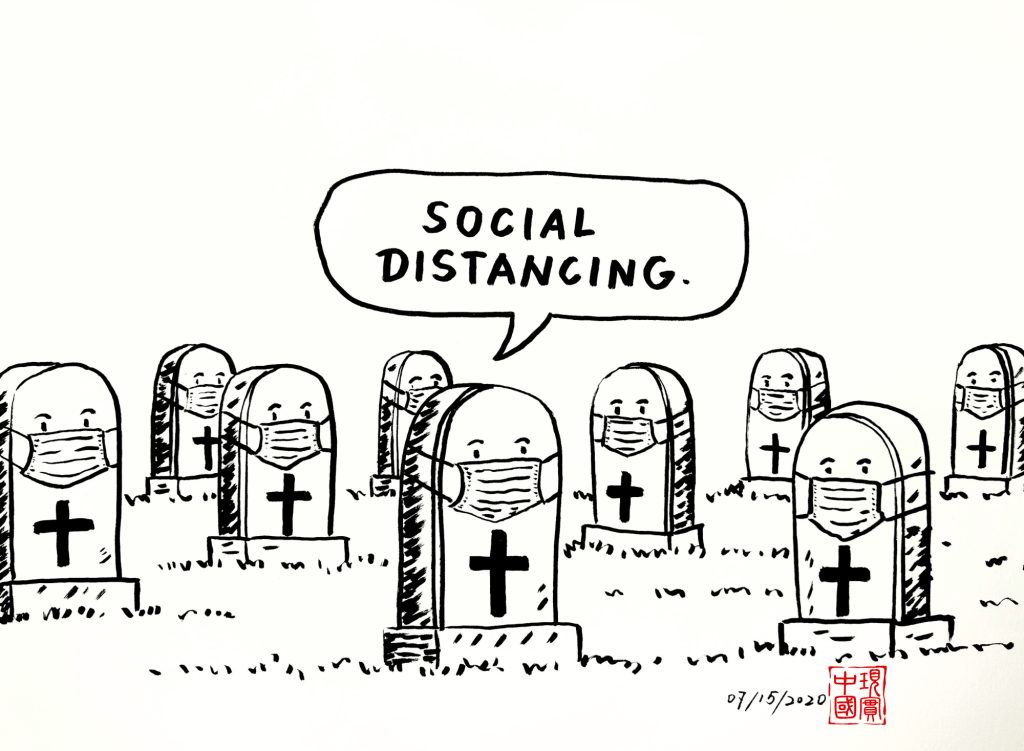
Social Distancing

Social distancing has become a defining feature of our lives, significantly altering our daily routines and interactions. Designed to prevent the spread of the coronavirus, social distancing has turned bustling cities into quiet zones, with empty streets and closed businesses. Parks and playgrounds, once full of life, now stand silent.

Social interactions have been drastically affected. Gatherings with friends and family are rare, often replaced by virtual meetups. Hugs and handshakes are distant memories, replaced by awkward waves and elbow bumps. Celebrations like birthdays and weddings have been postponed or downsized, leading to feelings of loss and isolation.

Education has also shifted dramatically. Schools and universities have moved online, creating challenges for students and teachers. The lack of face-to-face interaction has highlighted the digital divide, leaving many students struggling to keep up.

Remote work has become the norm for many, bringing both flexibility and challenges. The lack of separation between home and work, along with endless virtual meetings, has increased burnout and fatigue.

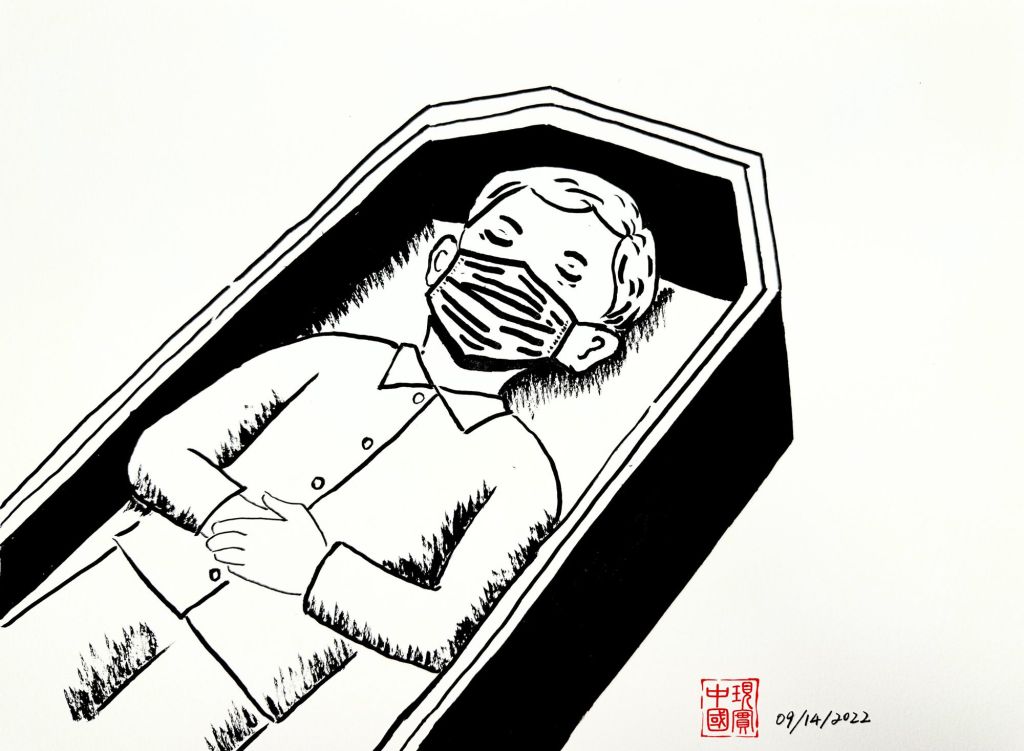
Mental health has suffered too. The constant uncertainty and isolation have led to higher levels of anxiety and depression, emphasizing the importance of human connection. Even funerals have been affected. Restrictions have prevented loved ones from gathering to grieve together.