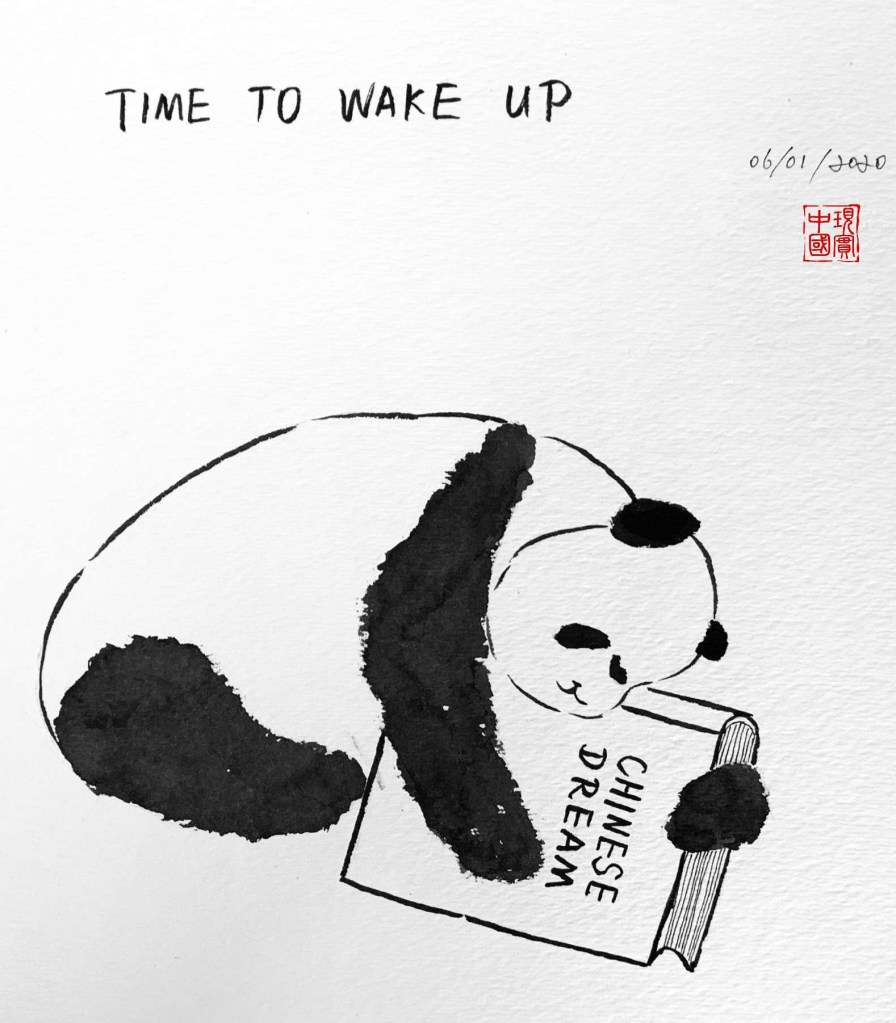
Over 600 million people, more than 40% of China’s population earned only about 1000 yuan (USD 141) per month last year, said Chinese Premier Li Keqiang at the end of the National People’s Congress in May. Li said that China now faces a daunting task in slashing absolute poverty.
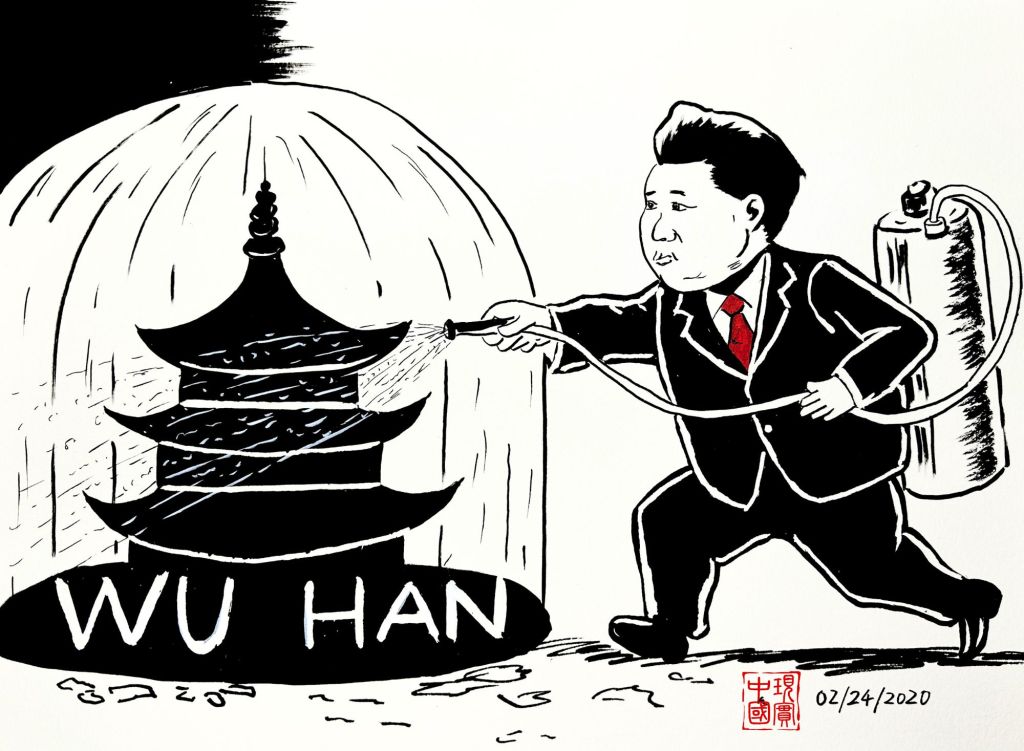
In late January 2020, the world watched in shock as Wuhan, a city in central China, was abruptly placed under lockdown. This drastic measure, taken in response to the outbreak of a new and rapidly spreading virus, revealed the inhumane and unprepared nature of the government’s response.
At 10 am on January 23, Wuhan announced a lockdown, halting public transportation and closing all outbound travel routes. By 2 pm, highways were also shut down, effectively sealing off a city of about 9 million residents. An additional 5 million people managed to flee before the lockdown took full effect, scattering the virus across the country and even beyond China’s borders.
The timing of this lockdown could not have been more critical. As the Lunar New Year approached, Wuhan’s hospitals were overwhelmed with patients, and social media platforms were flooded with desperate pleas from frontline healthcare workers for protective equipment. The shortage of medical supplies was dire, leaving many vulnerable to infection. In a tragic consequence, bodies of deceased patients remained in hospitals for extended periods due to the sheer number of deaths.
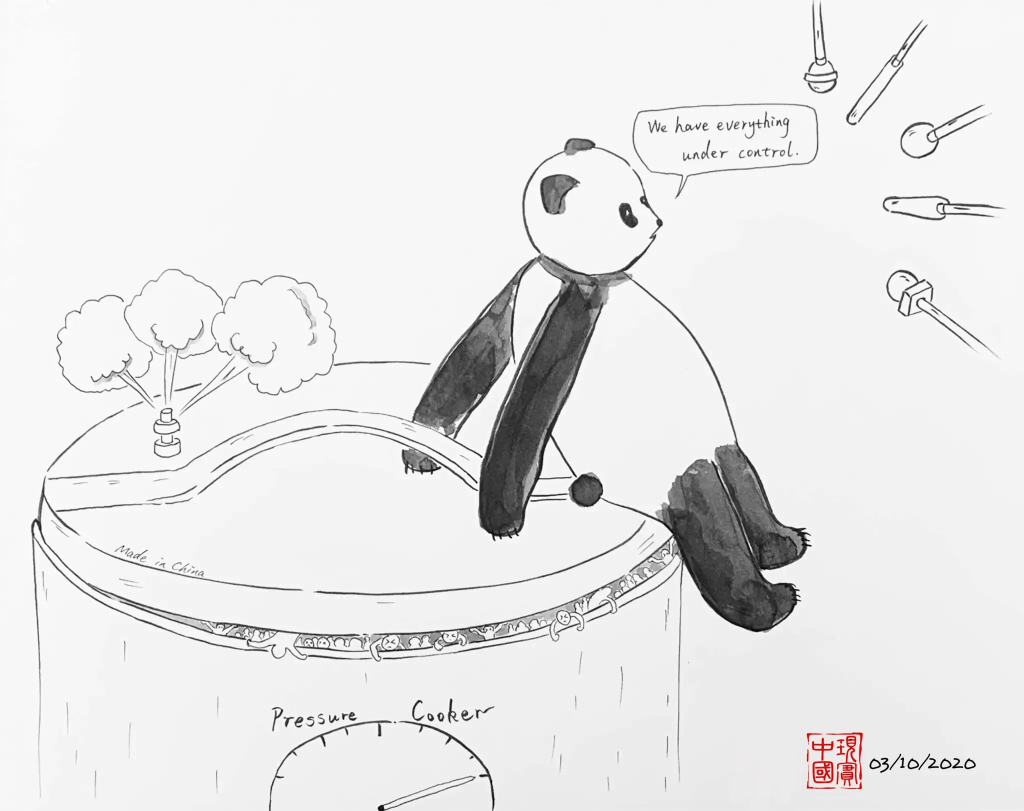
The situation only worsened as Wuhan announced stricter measures, implementing complete residential lockdowns. Residents were confined to their homes, unable to leave except under special circumstances. This led to a surge in distress and panic among the populace, who found themselves trapped without adequate resources or support.
Recent official figures showed a staggering rise in cases, with a peak of 13,436 new confirmed cases in a single day. The total number of infections reached 32,994, with over a thousand deaths, nearly three times the death toll in mainland China during the SARS epidemic.
The Wuhan lockdown highlighted the lack of preparedness and the harshness of the government’s approach. Without proper planning, millions of lives were thrown into chaos, facing shortages of essential supplies and inadequate medical care.
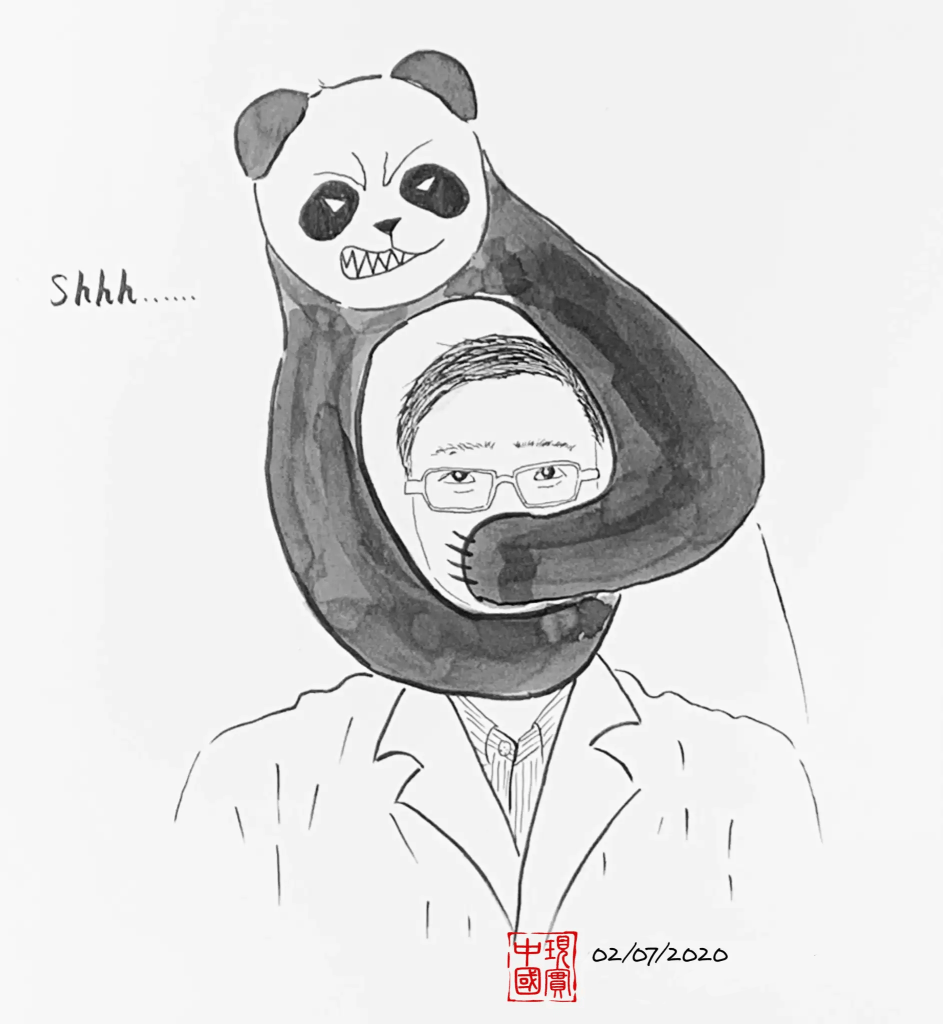
Li Wenliang, the Chinese doctor who tried to warn about the coronavirus outbreak on December 30, 2019, but police told him to stop “making false comments”.
He contracted the virus while working at Wuhan Central Hospital, and died today at age 34.
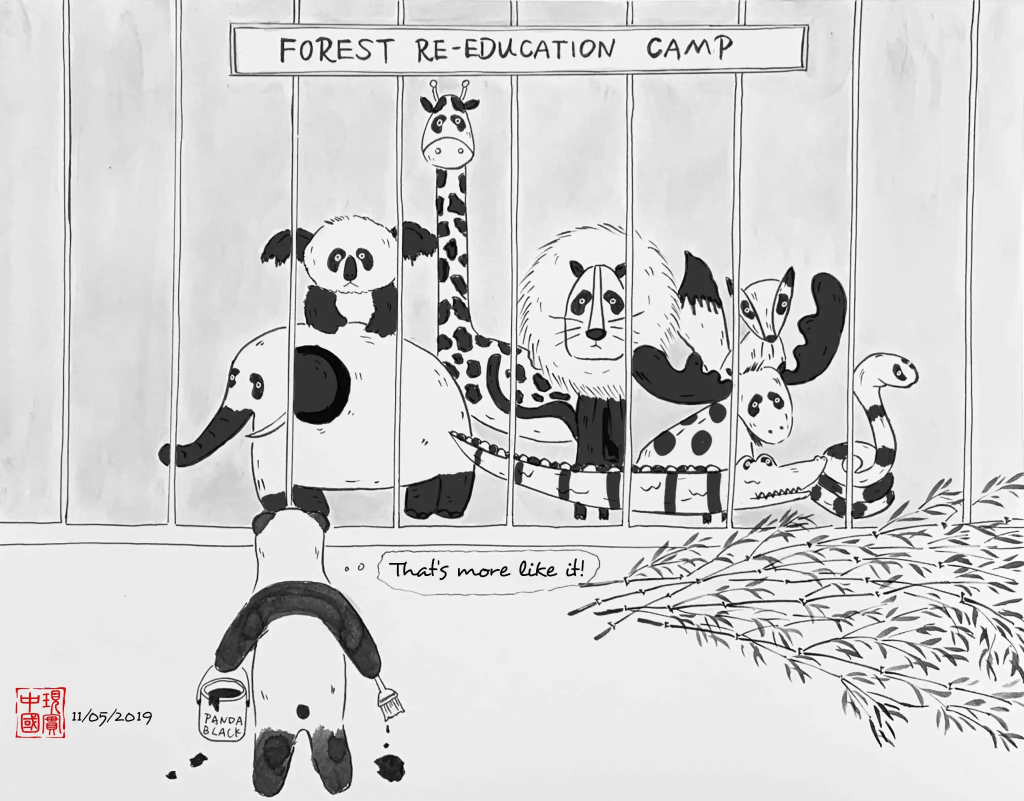
Xinjiang’s Uyghurs are subject to a comprehensive, targeted campaign of surveillance and control. According to leading researchers and human rights groups, as many as 1.5 million have been placed in camps, which Chinese officials called “Vocational Education and Training Centers”.
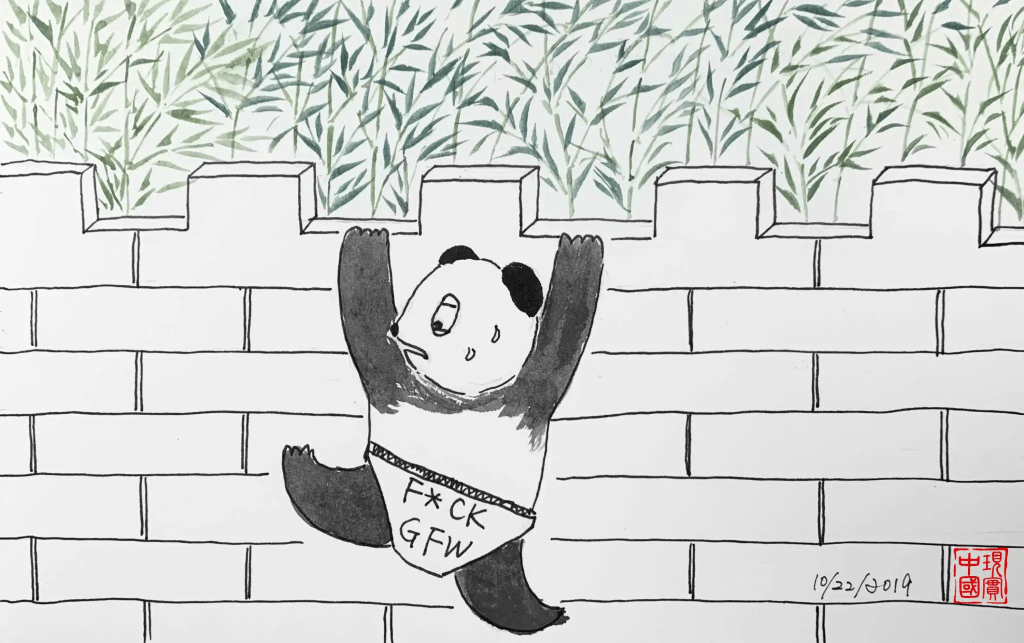
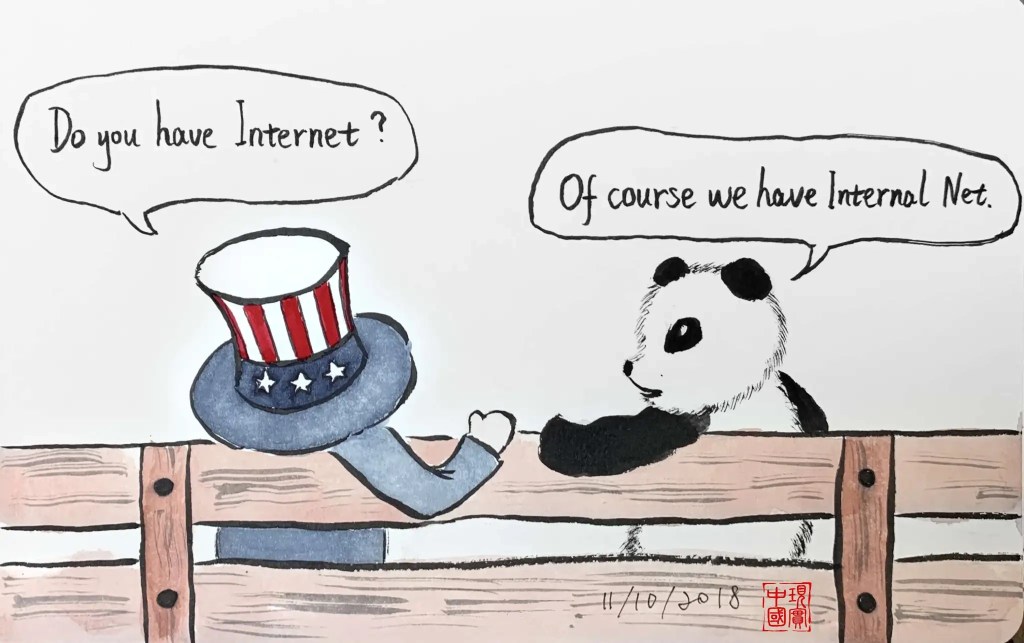
“Cyber sovereignty” is a new paradigm for foreign companies to employ “Chinese-style censorship of public opinion”, where the state assumes control of what is shown on a country’s internet and keeps citizens partially cut off from a global internet. This has led to a starkly different world for younger generations of Chinese internet users, where Facebook, Twitter and Google are banned.
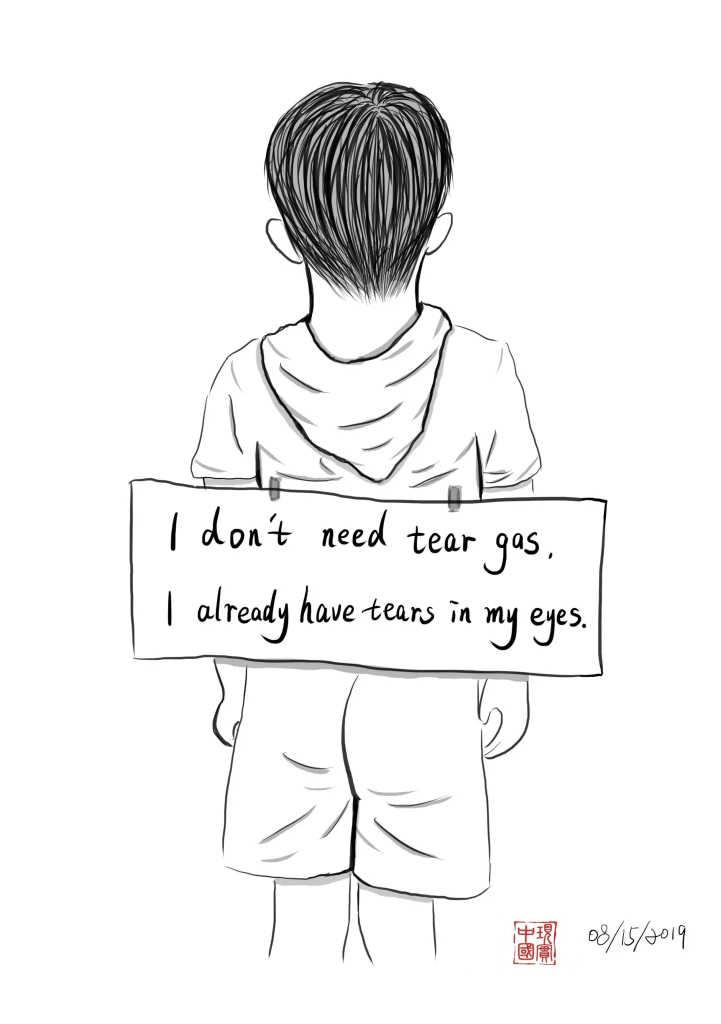
I don’t need tear gas, I already have tears in my eyes.
On June 9, about one million Hong Kong people marched to the government headquarters to protest the Anti-Extradition Bill, which allows extraditions to mainland China. Since then, the protests has last months, and conflicts between protesters and police escalated.
On August 11th, policed stormed enclosed railway stations, firing tear gas at protesters, leading yet again to dramatic scenes of confrontation.
The next day, protesters gathered at the airport, leading to hundreds of flights being cancelled. A scene went viral, which was a little kid standing in the lobby with this sign. We can’t help thinking, what would be the future of the young kids of Hong Kong if this “One Country, Two Systems” finally become “One County, One System”?
Security was tightened around Beijing’s Tiananmen Square Tuesday as China sought to silence any remembrance of the deadly crackdown on student-led protests exactly 30 years ago.
Visitors were subjected to strict identification checks by security forces as they arrived at Tiananmen Square to witness the daily early morning flag-raising ceremony. Foreign journalists were barred from the square and warned not take any pictures of the scene.
To host a World Internet Conference in a country where one can’t access the global internet, that is what’s happening in Wuzhen, China.
Mark Zuckerberg, as the founder of Facebook, a social media network that was banned in China and most of Chinese people never heard of, by attending this tech summit, has made no secret of his interest in the world’s most populous nation with the most restricted internet censorship.
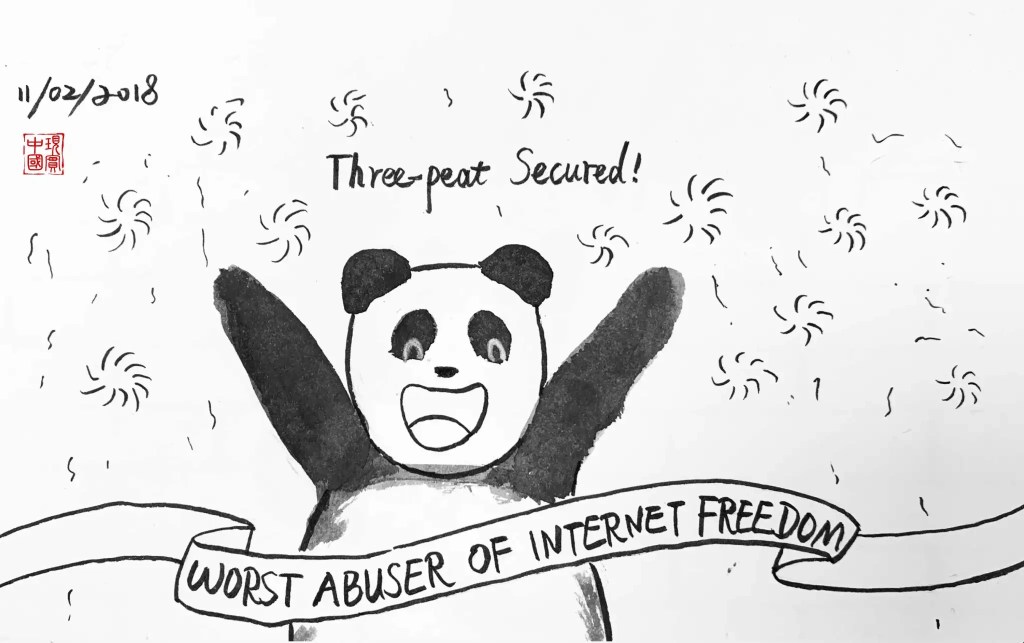
China is ranked as the World’s Worst Abuser of Internet Freedom for the third consecutive year, says the “Freedom on the Net 2018: The Rise of Digital Authoritarianism” report that was issued by Freedom House, a Washington-based think tank conducting research on advocacy and democracy.
According to the report, Internet controls within China reached new extremes in 2018 with the implementation of the sweeping Cybersecurity Law and upgrades to surveillance technology. The law centralizes all internet policy within the Cyberspace Administration of China (CAC), strengthens obligations for network operators and social media companies to register users under their real names, requires that local and foreign companies work to “immediately stop transmission” of banned content, and compels them to ensure that all data about Chinese users is hosted within the country. The Cybersecurity Law has been followed by hundreds of new directives—an average of nearly one every two days—to fine-tune what netizens can and cannot do online. Among other steps, authorities have cracked down on the use of VPNs to circumvent the Great Firewall, leading Apple to delete hundreds of the services from its local app store.
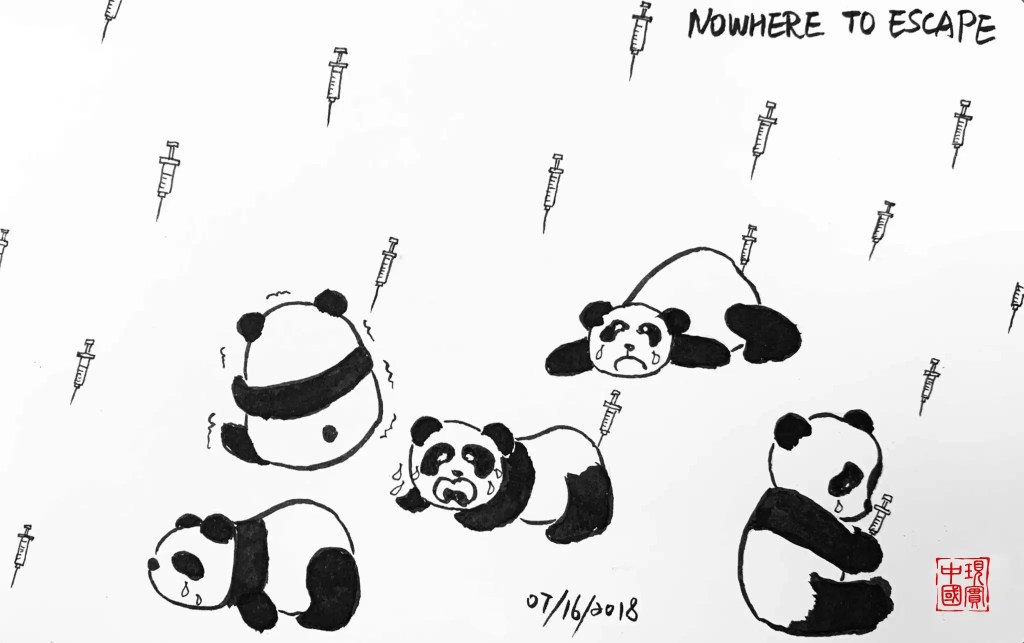
China’s Food and Drug Administration (CFDA) has launched an investigation into vaccine manufacturer Changchun Changsheng Biotechnology, revoking its license for human rabies vaccines and beginning a recall of all unused vaccines produced by the company.
Many of the defective vaccines were already on the market and being given to Chinese children, as part of the mandatory national vaccination program.
Social-media users expressed anger and disillusionment at the country’s seeming lack of regard for children’s safety—a problem that has recurred over and over since the 2008 tainted-milk scandal. ”Don’t let children grow up in this land. Otherwise, you’ll be sorry to you children. There was toxic milk powder, then the RYB kindergarten scandal, now toxic vaccines, what’s next?!” one user wrote on social media site Weibo, yet the message was censored and deleted soon.
Ironically, in Chinese, the term Changsheng is a play on words meaning “long life.”


 The Truth Of China