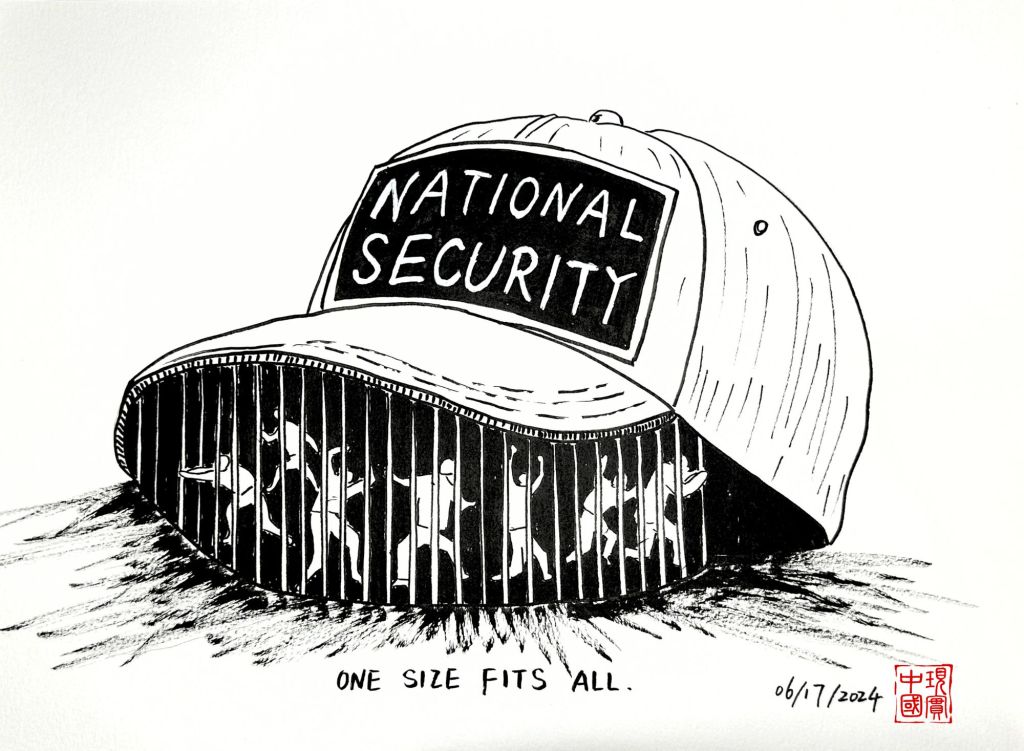
On Friday, a court in southern China sentenced prominent feminist journalist Huang Xueqin to five years in prison for inciting subversion of state power, marking Beijing’s latest crackdown on civil society. Labor activist Wang Jianbing received a three-year, six-month sentence on the same charge. Their activities leading to arrest and conviction included organizing discussions, supporting other activists, and receiving overseas training. Experts note the severity of these legal actions, even by Chinese standards, signaling a shrinking space for independent social discourse. Huang, once a vocal figure in China’s #MeToo movement and later a writer on Hong Kong protests, and Wang, an advocate for worker and disability rights, faced prolonged detention before a brief trial last September. Critics argue these cases reflect broader suppression of topics like women’s and workers’ rights under increasingly expansive interpretations of “threats to public order.”
In November 2022, Li Ying, a young artist and recent graduate from an art academy in Milan, found himself trapped in sorrow, fear, and despair. Strict pandemic controls in China meant three years without seeing his parents, unsure of his country’s future.
In China, enduring endless COVID-19 tests, isolation, and lockdowns, people staged the most widespread protests in decades. Many held up A4 sheets of paper in defiance of censorship and authoritarian rule—the White Paper Movement.
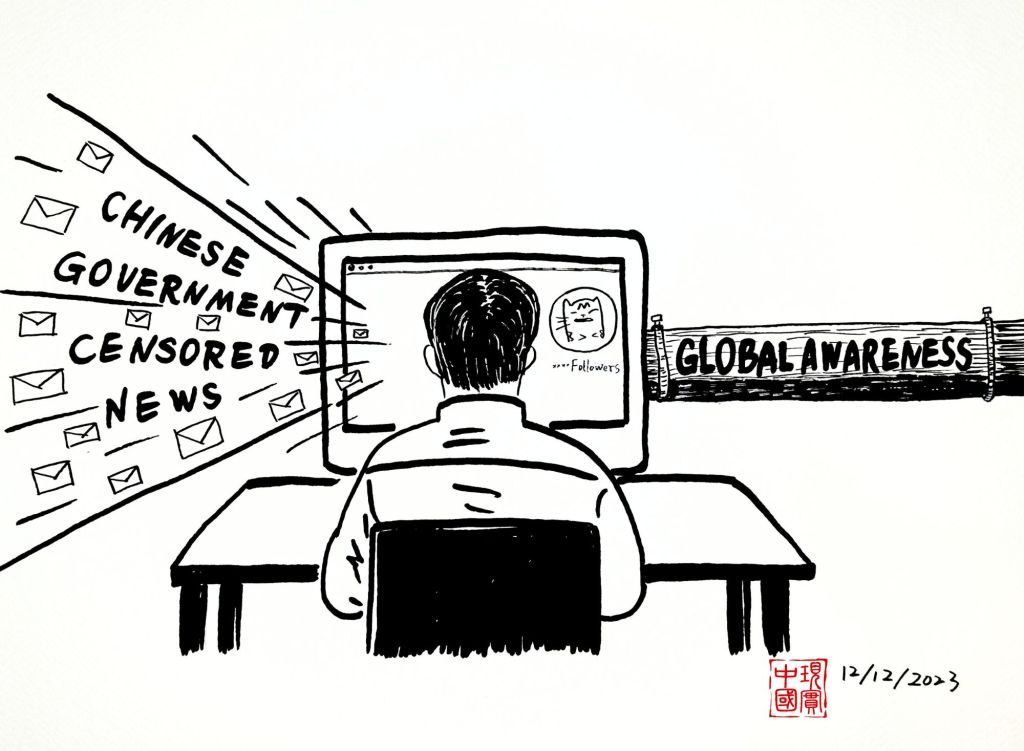
Unexpectedly, Li transformed his Twitter account into an information hub, receiving censored photos, videos, and eyewitness accounts from within China, disseminating them globally via the platform. His profile picture—a cute yet fierce cat he painted—quickly became iconic.
Within weeks, his followers grew to half a million. To the Chinese government, he became a troublemaker; to many, a superhero against Xi Jinping’s regime.
As the government abruptly ended pandemic policies in December, Li and other activists faced a pivotal question: was their protest a historic moment or just a footnote?
Li reflected, “The White Paper—it’s a beginning, not an end.” He evolved from a young artist to a rebellious internet figure, navigating fear, guilt, courage, and hope. For many peers, this path is all too familiar.
At 31, Li Ying is part of a generation of young Chinese activists driven by a sense of justice and dignity, standing up against the government and Xi Jinping. They are not professional revolutionaries but have become activists by necessity, as Xi turns their country into a massive prison and their future into a black hole, compelling them to speak out.
They face the consequences, some within China, others abroad. They are arrested, harassed by police, or forced into exile out of fear of government threats. As more people join their resistance, their activism continues.
Li Ying never intended to be a hero. Over the past year, he has paid a heavy personal price. Sometimes, he cried, wanting to give up. But the government’s relentless punishment left him no choice but to keep moving forward.
Returning to China is too risky for him. Police often harass his parents. All his bank accounts, payment methods, and even gaming accounts in China have been frozen. He lost his only source of income in Milan, where he has been studying and living since 2015; he says this is because the company he worked with received a letter from the Chinese embassy. He receives death threats almost weekly. A man once broke into his residence, an address Li Ying says only the Chinese consulate knew. For safety, Li Ying has moved four times in the past year.
Li’s dedication to his cause is unwavering, driven by love for his country and its people. Despite personal risks and sacrifices, he persists, knowing there’s no turning back.
He remains a lifeline for Chinese seeking uncensored news, a testament to the cracks in China’s Great Firewall and the resilience of those striving for change.
Bei Zhenying never suspected her husband Ruan Xiaohuan of any subversive activities against the Chinese government. He was a brilliant computer programmer they met during their university days in Shanghai, and she was enamored with his curiosity and wit. His quirks, such as avoiding social media and new clothes, and his intense privacy, spending hours in his study on undisclosed work, seemed typical of a dedicated tech enthusiast.
At 45, Bei Zhenying believed these eccentricities were part of being a career geek, a world she, as a business manager, couldn’t fully comprehend. But her understanding shattered when Shanghai police stormed into their apartment and arrested him. Authorities accused Ruan Xiaohuan of writing articles that criticized China’s political system and plotting to overthrow the government. In February, he was sentenced to seven years in prison.
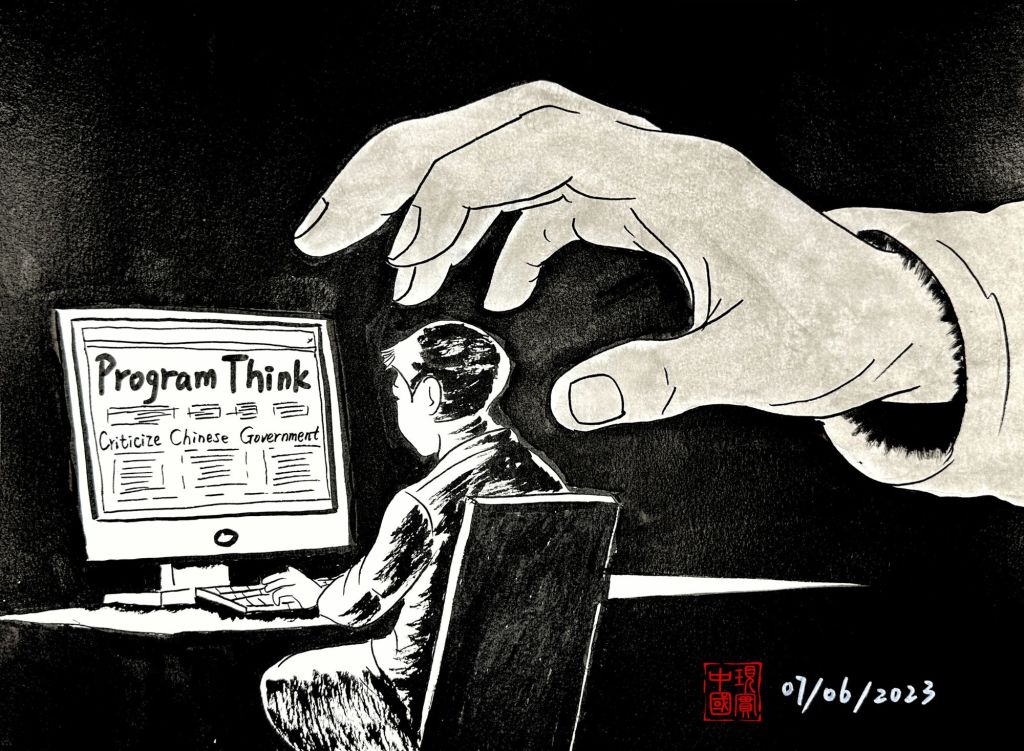
Over the following months, Bei Zhenying discovered more than just personal secrets. Ruan Xiaohuan was revealed as the enigmatic blogger “Program think,” known for satirizing the ruling Communist Party on China’s heavily controlled internet. His blog had attained near-mythical status among followers, sharing posts anonymously critical of government leaders’ hidden wealth and encouraging independent thinking.
Despite efforts to maintain anonymity, Ruan Xiaohuan’s fate intertwined with “Program think,” highlighting the severe measures taken against dissent under Xi Jinping’s leadership. Bei Zhenying, initially disinterested in politics, found herself thrust into a journey of awakening, navigating a landscape of state censorship and secrecy to understand her husband’s hidden life and the realities of dissent in China.
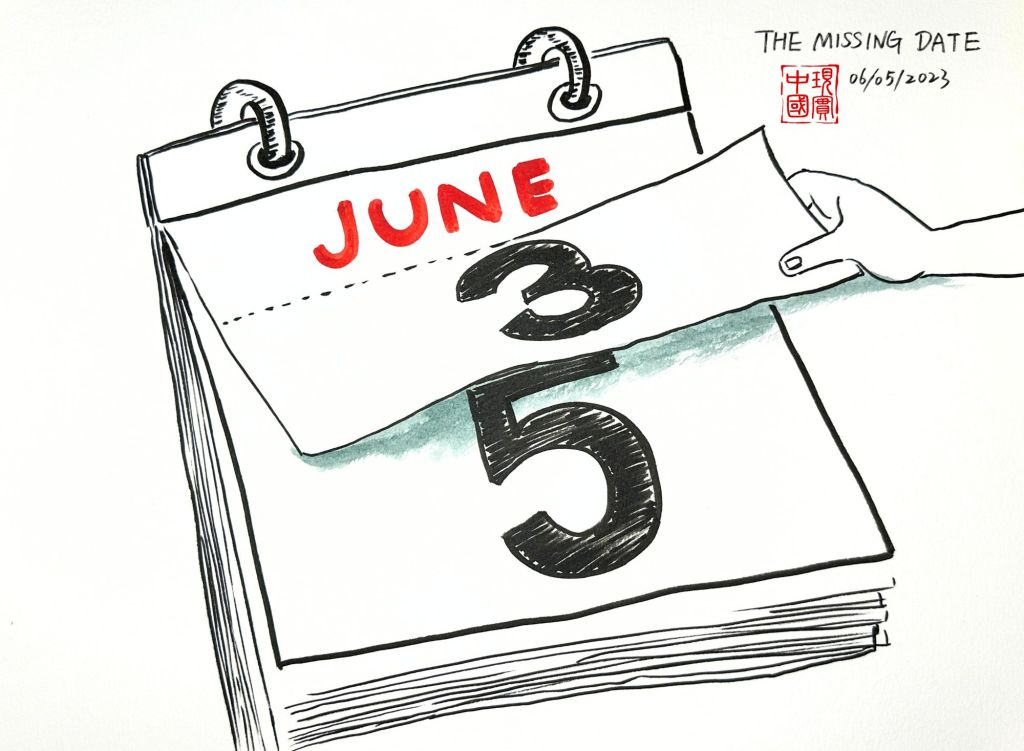
For decades, Hong Kong was the only place in China where people could openly commemorate the 1989 Tiananmen Square crackdown through candlelight vigils. This year, however, Hong Kong has taken notable steps to make people forget the massacre.
Ahead of this year’s June 4th anniversary, small shops displaying items hinting at the crackdown were closely monitored. On the weekend, thousands of police officers patrolled the streets of Causeway Bay, where vigils used to be held. They set up temporary tents and searched individuals suspected of attempting to mourn. Four people were arrested for “acts with seditious intent,” and another four were detained.
Zhou Fengsuo, a student leader of the Tiananmen Square protests, stated that Hong Kong is now under the same tyranny as mainland China. He expressed that the mission to democratize China, which began in 1989, remains incomplete as Hong Kong faces similar repression.
The 1989 democratic movement had significant support in Hong Kong, then a British colony. After the Chinese army violently suppressed the protests, some student leaders escaped to Hong Kong. In 2019, thousands gathered in Victoria Park for a candlelight vigil, marking the last large-scale commemoration of the massacre in Hong Kong.
Since the implementation of the National Security Law in 2020, nearly all forms of dissent in Hong Kong have become criminalized. Authorities have been particularly focused on erasing the memory of the Tiananmen Massacre, raiding museums and libraries and imprisoning vigil organizers.
Despite the lifting of pandemic restrictions this year, Victoria Park was occupied by a pro-Beijing group’s fair, celebrating Hong Kong’s return to China in 1997. The arrests over the weekend and heavy police presence have made it clear that public mourning of the Tiananmen victims is no longer tolerated.

 The Truth Of China