The Chinese Communist Party (CCP) and its proxies have adopted various strategies to influence media, including propaganda promotion, rumor engineering, censorship and intimidation, control of content distribution agencies, training of media workers and officials, and co-opting media serving the local Chinese diaspora.
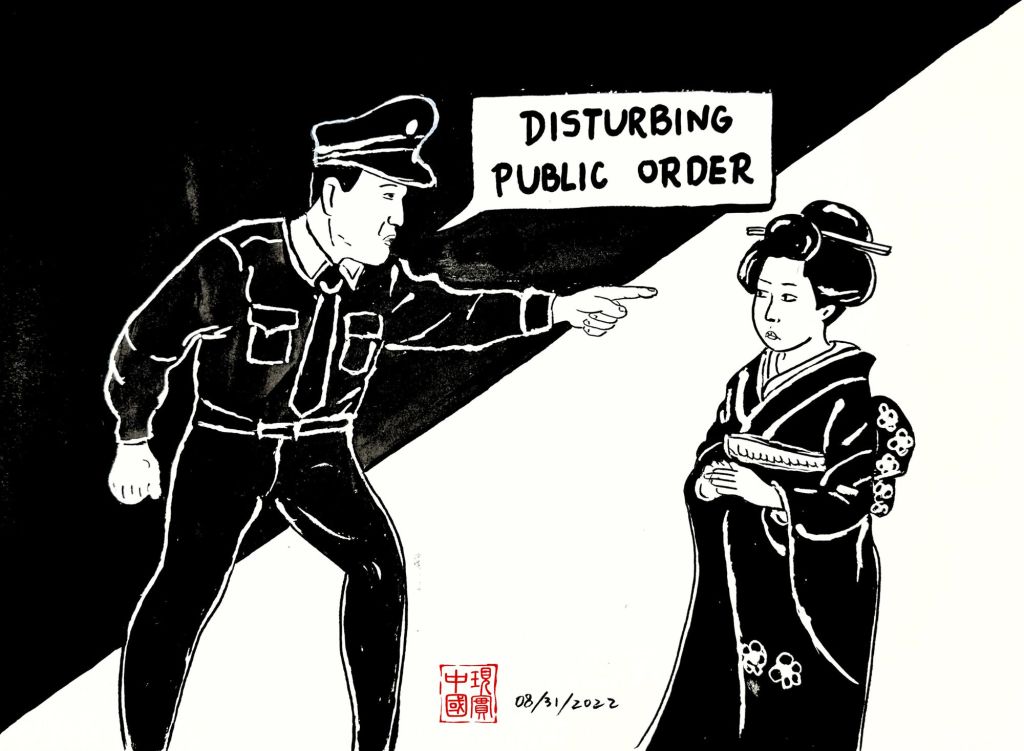
In August 2022, a seemingly innocuous fashion choice sparked widespread debate and controversy in China. A Chinese student, studying abroad in Japan, was detained by police in Suzhou, Jiangsu Province, for wearing a kimono while taking photos on the street. The incident has since become a focal point for discussions on cultural sensitivity, personal freedom, and the complexities of Sino-Japanese relations.
The student, dressed in a traditional Japanese kimono, was participating in a photoshoot on a busy street in Suzhou. According to her account, she was approached by local police officers and accused of “disturbing public order.” Despite her explanations, she was taken to the police station for questioning. She later released a video recounting her experience, which quickly went viral and attracted significant media attention.
The incident has provoked strong reactions both within China and internationally. Many people expressed outrage over what they perceived as an infringement on individual rights and personal expression. Critics argued that clothing should not be a basis for detention and highlighted the importance of cultural exchange and understanding.
On the other hand, some supported the authorities’ actions, citing historical tensions between China and Japan. They argued that wearing a kimono, a symbol of Japanese culture, could be seen as insensitive given the historical context.
The detention of a Chinese student for wearing a kimono in Suzhou is more than just a local incident; it reflects broader issues of cultural identity, historical memory, and the limits of personal freedom. This event has underscored the delicate balance between cultural sensitivity and freedom of expression. In an increasingly globalized world, cross-cultural interactions and exchanges are inevitable and often beneficial. However, they can also lead to misunderstandings, conflicts or even persecutions, particularly in regions with complex historical and political backgrounds like China.
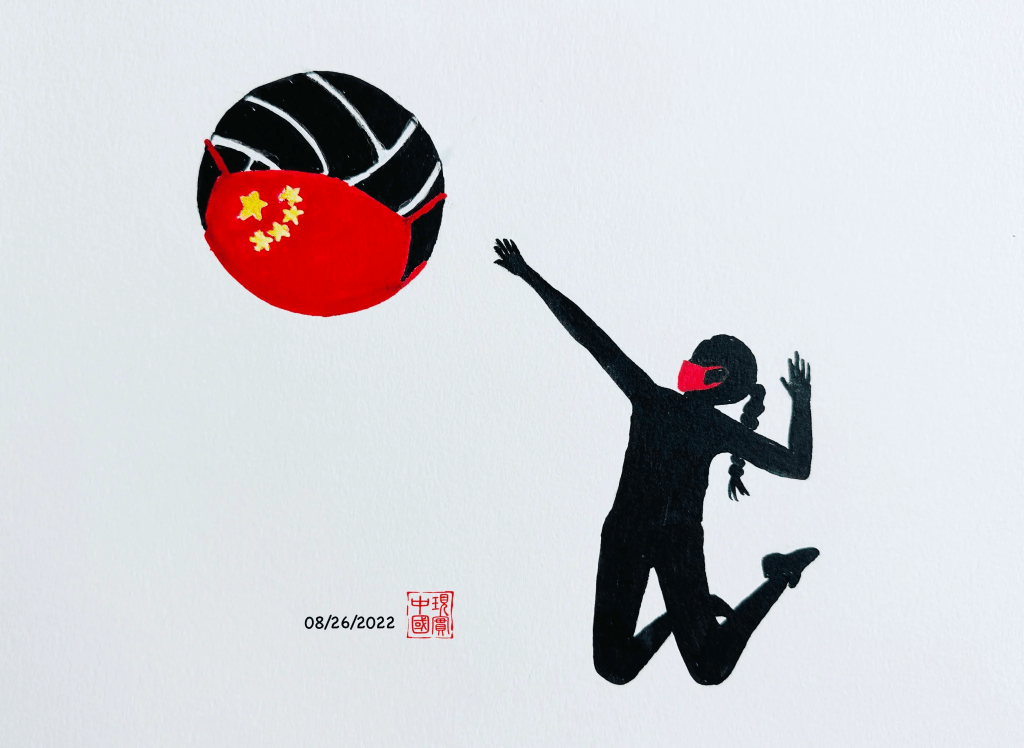
China’s national women’s volleyball team were wearing N95 masks in the opening set of their match against Iran at the Asian Volleyball Confederation Cup, being held in the Philippines. They lost the first set. After taking masks off for the second set, they went on to win. Sacrificing the health of players for the sake of the country’s “Zero Covid” policy, this ridiculous scene has caused a stir on Chinese social media. People couldn’t help asking: Who lost his mind and made the decision? Don’t you have any common sense?
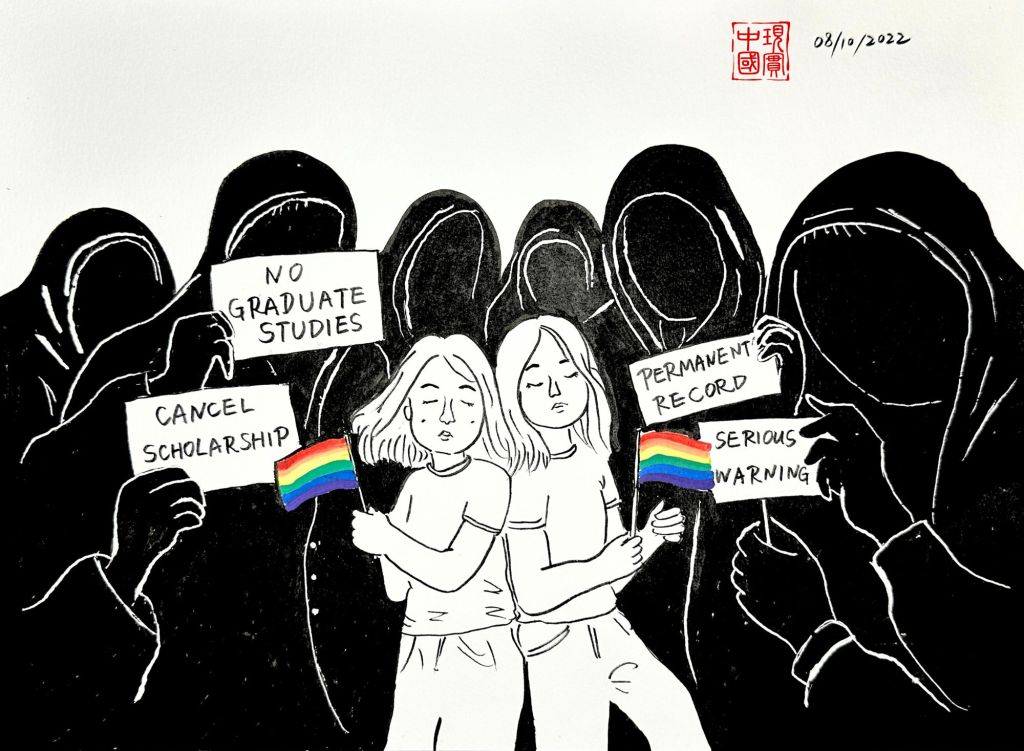
In May 2022, two Tsinghua University students faced disciplinary action for distributing rainbow flags on campus. To mark the International Day Against Homophobia, Transphobia, and Biphobia (IDAHOT), They left ten flags in a supermarket on campus with a note encouraging others to take them to support LGBTQ+ rights.
The university identified the students through security cameras and harassed them by phone calls and uninvited visits to their dorm. On July 15th, one student received a disciplinary decision, which was a “serious warning,” and two days later, the other student also received a disciplinary decision, which was a “warning.” The disciplinary results will be kept in the students’ permanent record and will affect their participation in various honor selections, receipt of scholarships, future graduate studies, and political reviews for civil service examinations, among other things.
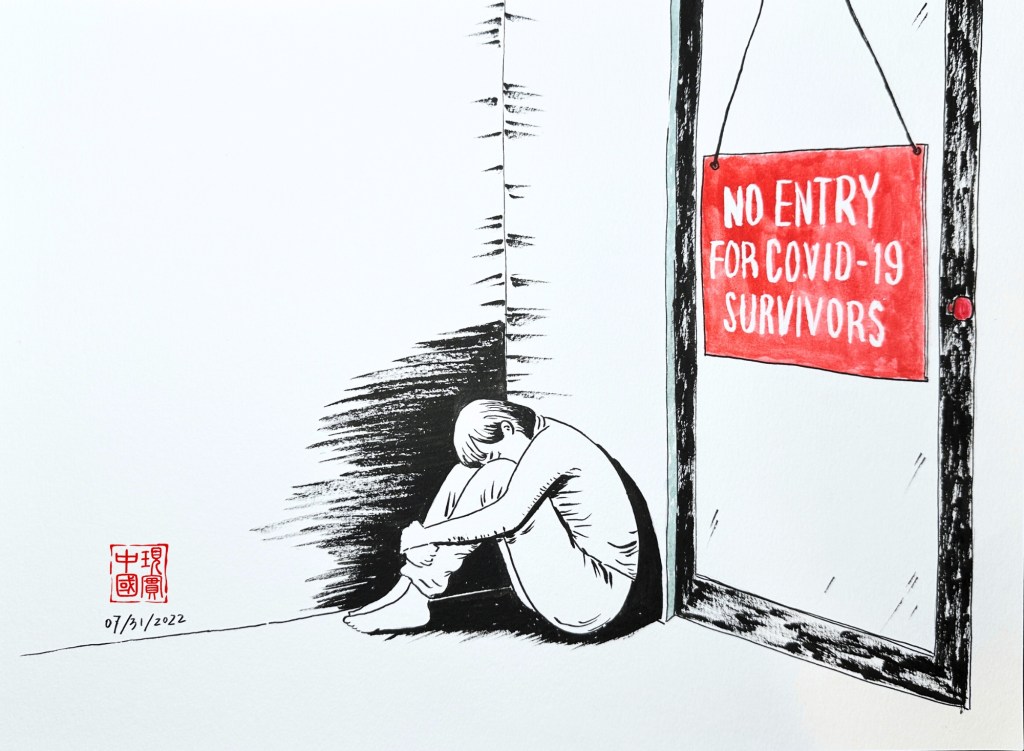
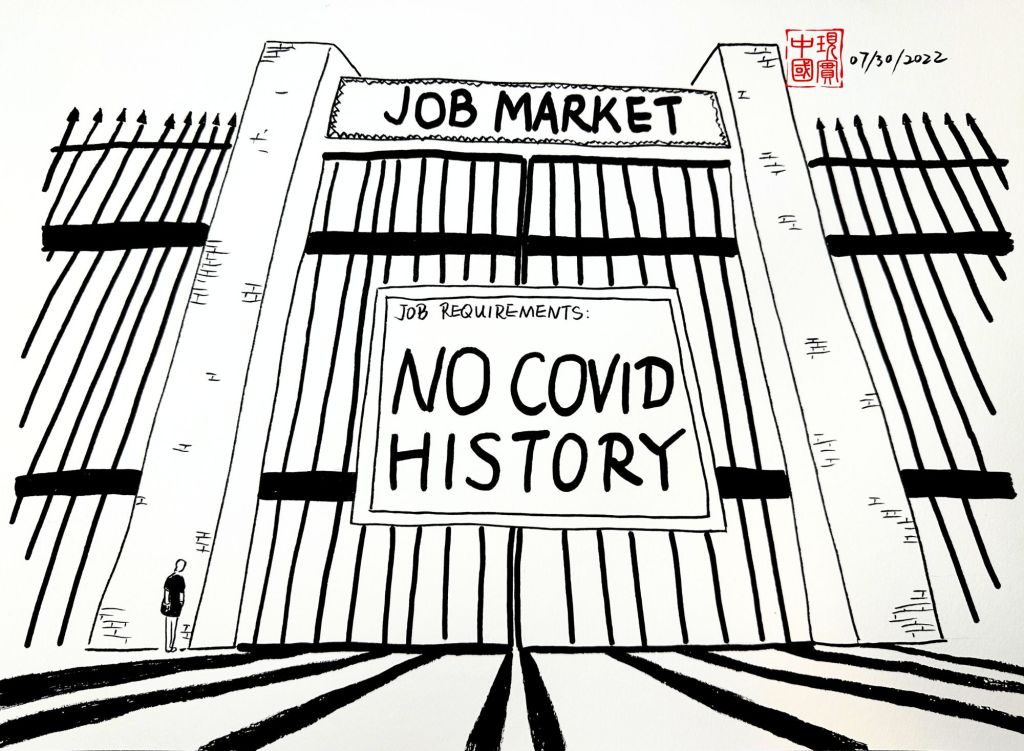
In the aftermath of the COVID-19 pandemic, various discriminatory practices have emerged worldwide, but few are as stark as the “No COVID History” policies seen in China. In a bid to control the spread of COVID-19, some institutions in China have implemented a policy requiring individuals to have no history of COVID-19 infection. This means that even those who have recovered from the virus are denied entry to certain public spaces or employment opportunities. For instance, a museum in Hangzhou explicitly stated that visitors must not have been previously diagnosed with COVID-19.
The discrimination goes beyond policy. COVID-19 survivors have been labeled with dehumanizing terms such as “Yang Ren” (阳人), “Little Sheep” (小羊人), and simply “Sheep” (羊). These labels strip individuals of their dignity and reinforce negative stereotypes. Moreover, the personal details of COVID-19 patients have been publicly disclosed, leading to online harassment and further stigmatization.
Afen’s story is a poignant example of the impact of these discriminatory policies. After recovering from COVID-19, Afen struggled to find employment due to the “No COVID History” requirement. Despite numerous attempts to secure a job, she faced repeated rejections solely based on her past infection. Her situation became so dire that she ended up living in Hongqiao Railway Station, reflecting the harsh reality faced by many in similar circumstances.
The widespread implementation of the “No COVID History” policy has resulted in mass discrimination within industries such as the service sector in Shanghai. Many recovered patients, like Afen, find themselves in a precarious position, unable to secure basic employment despite being otherwise qualified.
One of the underlying reasons for this discrimination is the fear of “re-positive” cases—instances where recovered patients test positive for COVID-19 again. However, scientific evidence suggests that these cases are typically due to the presence of non-infectious viral fragments. Despite this, the fear persists, fueled by sensational media reports and public misunderstanding.
Educational efforts are crucial in combating the stigma associated with COVID-19 recovery. Clear communication about the nature of “re-positive” cases and the actual risks involved can help alleviate public fear. Additionally, policies must be revised to align with scientific understanding and to protect the rights of those who have recovered from COVID-19.
In conclusion, the “No COVID History” policy in China is a glaring example of how fear and misinformation can lead to widespread discrimination. It is a call to action for policymakers, educators, and the public to stand against such practices and support the rights and dignity of all individuals, regardless of their health history.
In the aftermath of the COVID-19 pandemic, various discriminatory practices have emerged worldwide, but few are as stark as the “No COVID History” policies seen in China. In a bid to control the spread of COVID-19, some institutions in China have implemented a policy requiring individuals to have no history of COVID-19 infection.
The widespread implementation of the “No COVID History” policy has resulted in mass discrimination in job market, especially within industries such as the service sector in Shanghai. This means that even those who have recovered from the virus are denied employment opportunities. Many recovered patients find themselves in a precarious position, unable to secure basic employment despite being otherwise qualified.
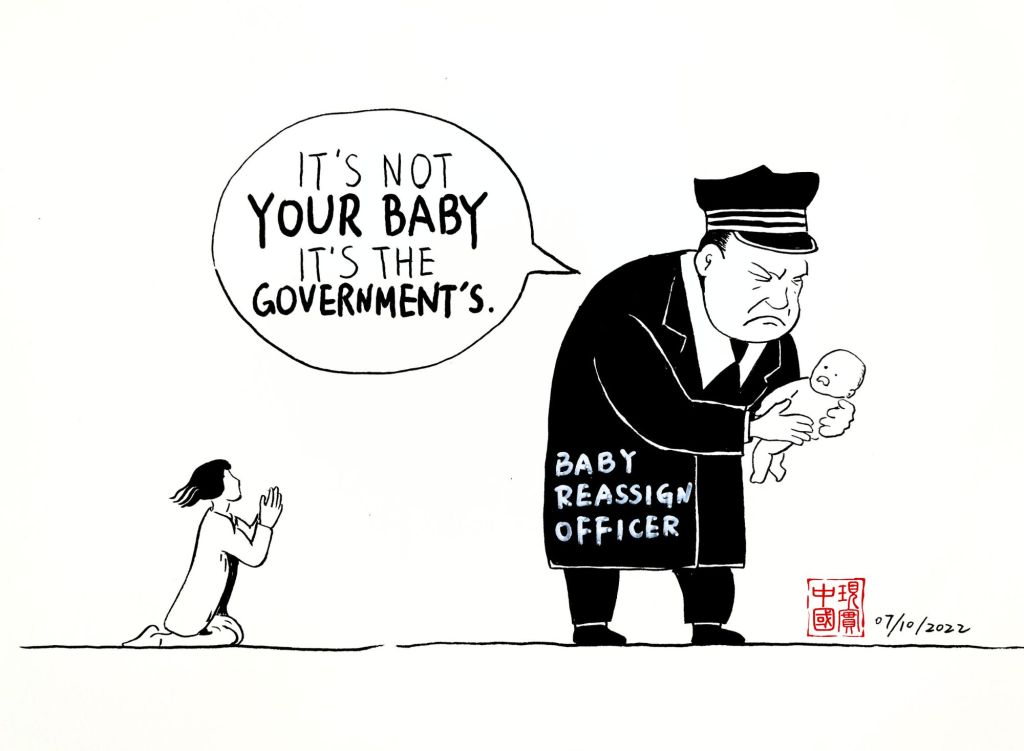
“Exam adjustment, job adjustment, even children can be reassigned under the name of ‘social adjustment’ by the authorities. In 1990, a couple from Quanzhou, Guangxi, had their 1-year-old son taken away. Thirty-two years later, a notice from the local Health Commission responded by saying that the child had been taken away for ‘social adjustment,’ causing an uproar on the internet.
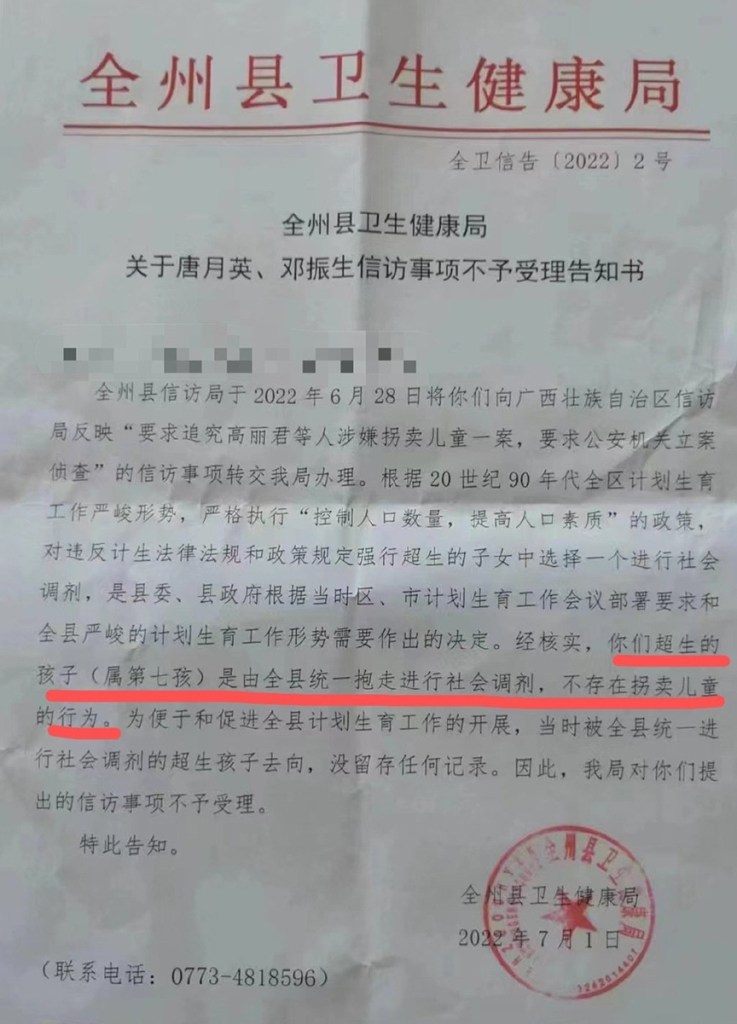
Tang Yueying, now 69, and her husband Deng Zhensheng had four sons and three daughters. Their youngest child, born in 1989, would be 33 years old if still alive. Tang Yueying told Huashang News that she was staying in a hotel in Quanzhou County with her 15-year-old daughter and 1-year-old son when three women and two men suddenly took her son from her. The couple searched for 32 years but found no results. They went to the local government’s petition department to request an investigation into the abduction. On July 5 this year, a notice from the Quanzhou County Health Commission titled ‘Notice of Non-Acceptance of Petition Matters’ circulated online. It stated that the couple’s child, being the seventh child which violated the population control policy, was taken away for ‘social adjustment’ by the county, and that there was no child trafficking involved. The notice also mentioned that no records were kept regarding the whereabouts of the children taken for social adjustment and that the petition matter would not be processed.
Moreover, the notice mentioned that given the severe population control situation in the 1990s, the policy of ‘controlling population quantity and improving population quality’ was strictly enforced. The decision to reassign one of the children was made by the county committee and government based on the severe family planning work situation at the time.
Treating children as commodities, is openly illegal under the guise of a county committee and government decision, legitimizing human trafficking behavior.
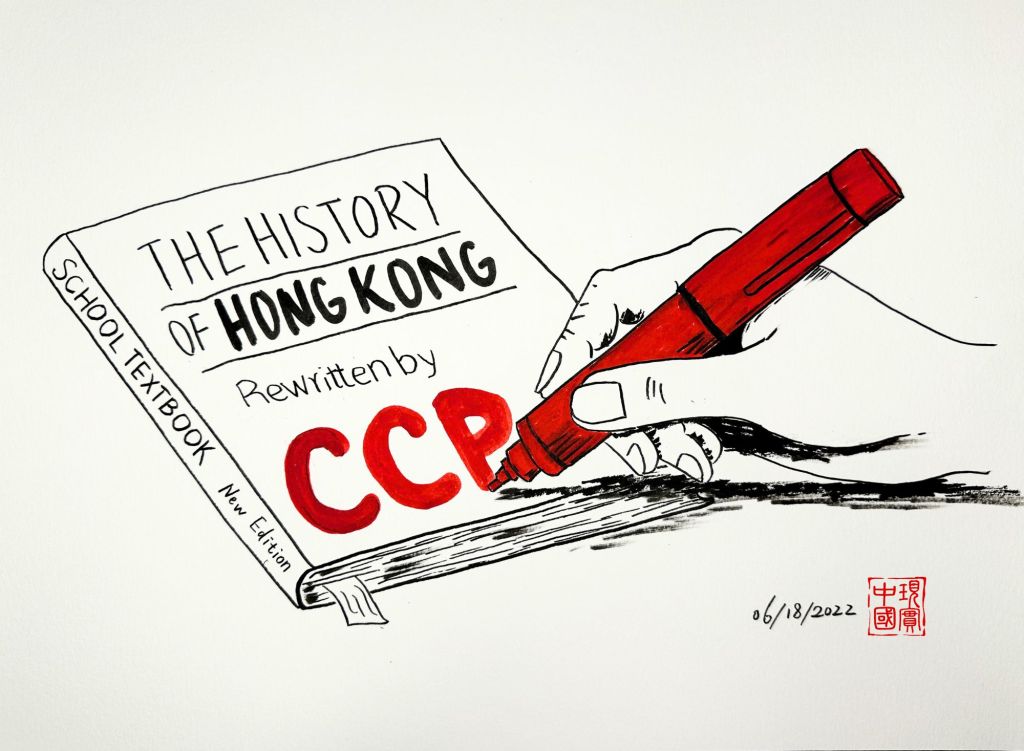
Hong Kong—For a long time, the history learned by many schoolchildren around the world was that Hong Kong was a colony of the British Empire. But students in Hong Kong will soon be learning a different lesson: Hong Kong was not a colony.
As Hong Kong prepares to commemorate the 25th anniversary of its return to China on July 1, 1997, this narrative, which denies the British view of its relationship with Hong Kong, will be explicitly taught to Hong Kong high school students through at least four new textbooks to be introduced this fall. These textbooks are part of a broader campaign by China’s top leader Xi Jinping to comprehensively reform Hong Kong’s schools, “protect the minds of young people,” and cultivate loyal, patriotic citizens.
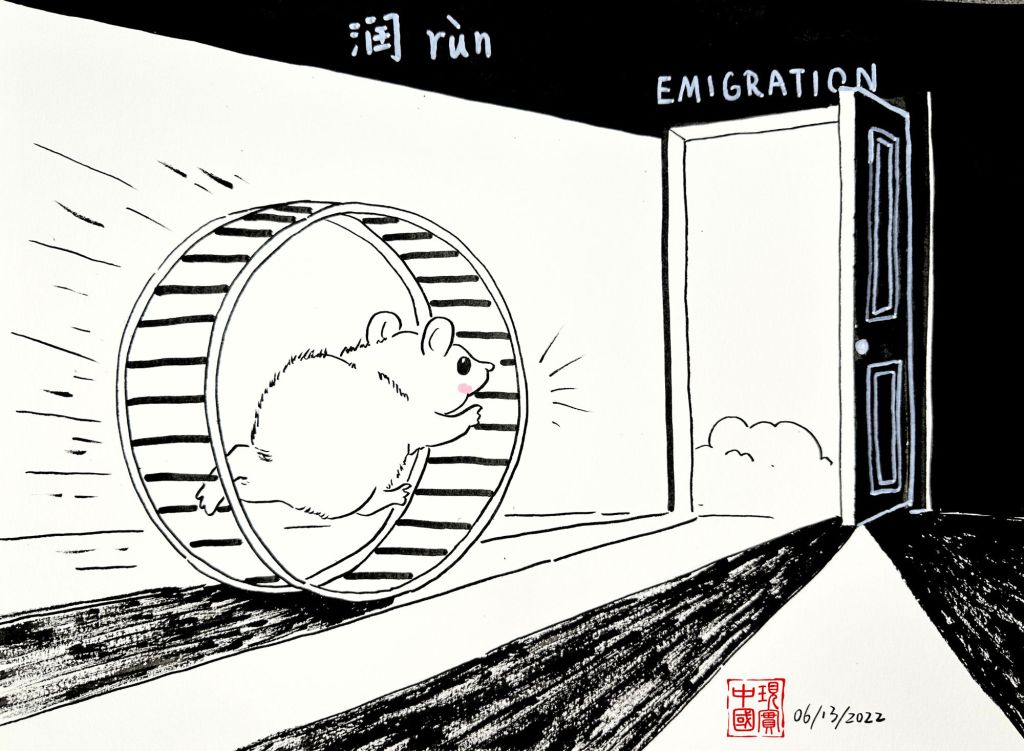
The recent harsh lockdown in Shanghai due to COVID-19 has sparked a significant discussion about emigration among Chinese youth. After enduring over two months of strict lockdown measures, many residents, both local and expatriate, are contemplating leaving the city or even the country. This phenomenon has given rise to the term “rùn” (润), a homophone for the English word “run,” symbolizing the desire to emigrate.
Many Shanghai residents who had previously considered relocating for better opportunities and education for their children, now find their resolve strengthened by the lockdown’s chaos and food shortages. The stringent measures have led to a surge in online discussions and searches related to emigration, reflecting a broader societal discontent.
The term “run” has become increasingly popular, akin to the previous buzzwords “involution” (内卷) and “lying flat” (躺平), which describe the societal pressures faced by Chinese youth. Unlike these terms, “run” focuses on the active pursuit of leaving the country to escape oppression and seek a better quality of life.
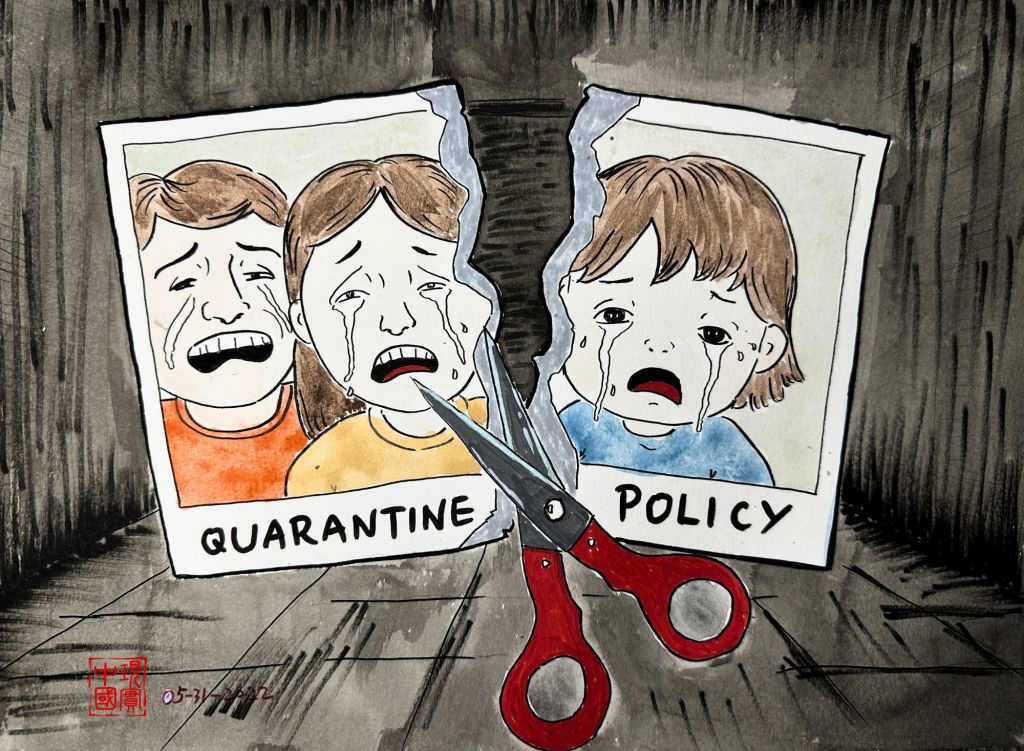
During the lockdown in Shanghai, thousands of families were cruelly separated, with parents and children forcibly isolated from each other.
These policies are not only cold and heartless but also a blatant violation of basic human rights. Under the guise of “public health safety,” the government implemented inhumane quarantine measures, completely disregarding family bonds and the psychological well-being of children. Countless children endured fear and loneliness without their parents, crying out every night: who is this “safety” really for?
This disaster laid bare the government’s incompetence and cruelty. The so-called “scientific control” became a grotesque mockery of humanity. Pandemic control is necessary, but not at the cost of destroying families. The Chinese government must take responsibility for these innocent children and families and immediately rectify these brutal policies.
China has stopped renewing passports and issuing new ones to Chinese citizens since July 30, 2021. However, that’s not enough for the government to crack down on people escaping the country. Today China just announced it will strict limit unnecessary overseas travel for Chinese citizens to prevent the virus being brought into the country.
“Don’t go out unless necessary, don’t leave the country unless necessary, don’t be born unless necessary,” one popular comment in reaction to the news on Weibo, a Chinese social media like Twitter.
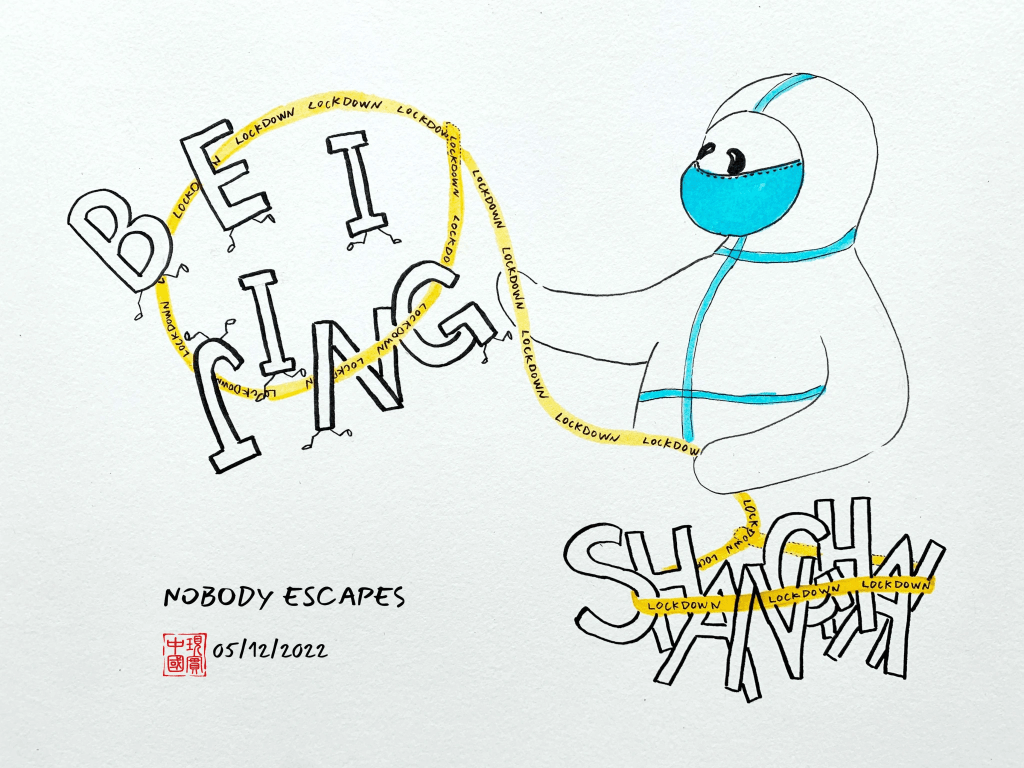
While witnessing the chaos and dysfunction in the lockdown of Shanghai, fears rise over new government-enforced lockdowns — especially in the capital Beijing, where Covid cases are rising.
Today’s announcement of travel ban extinguished the hope to escape for those who still hold valid passports.
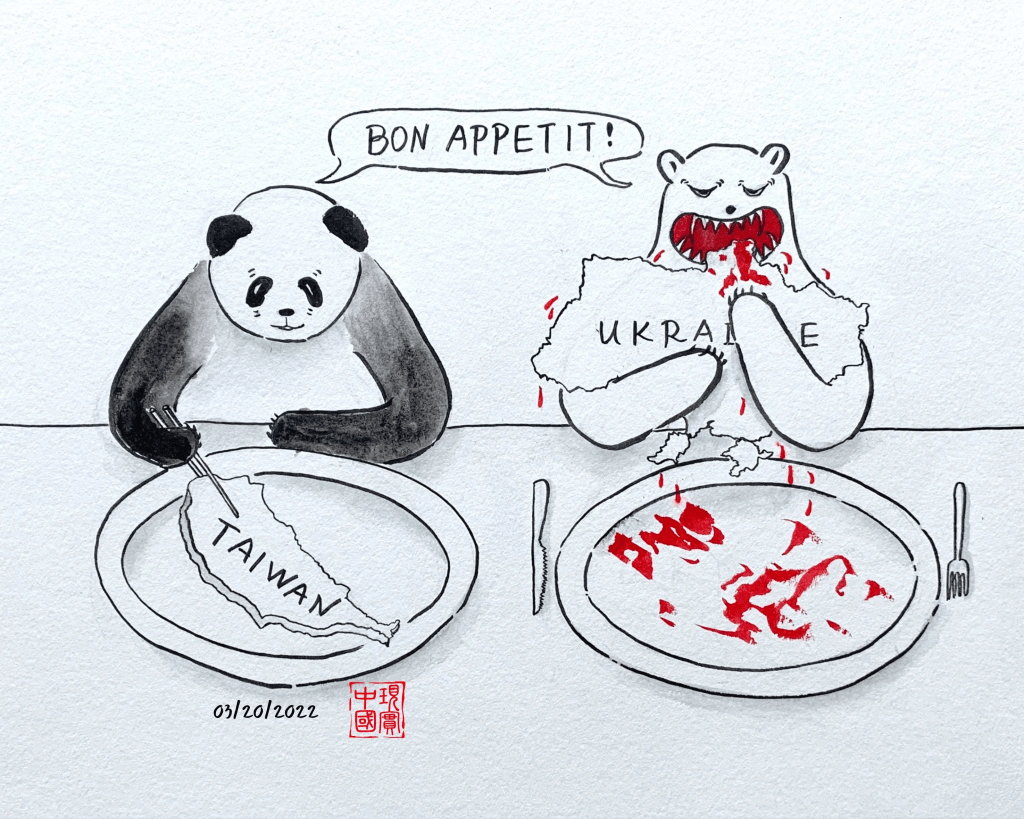
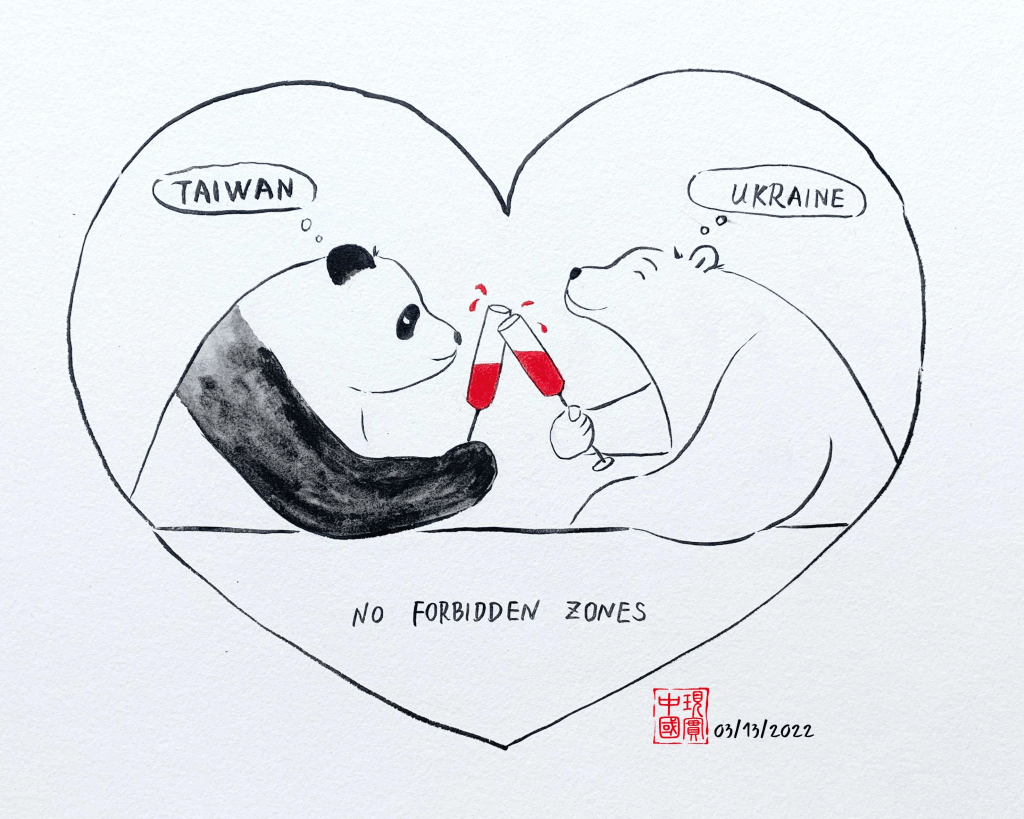
China is watching all those international sanctions on Russia, and opposition and protests against Putin’s invasion of Ukraine, Putin’s power is being challenged like never before. Will China have a second thought about force unification of Taiwan?
As Russia-Ukraine war escalates, China is on pins and needles, as Xi and Putin just issued a joint statement saying that the relationship between China and Russia has “no forbidden zones”.
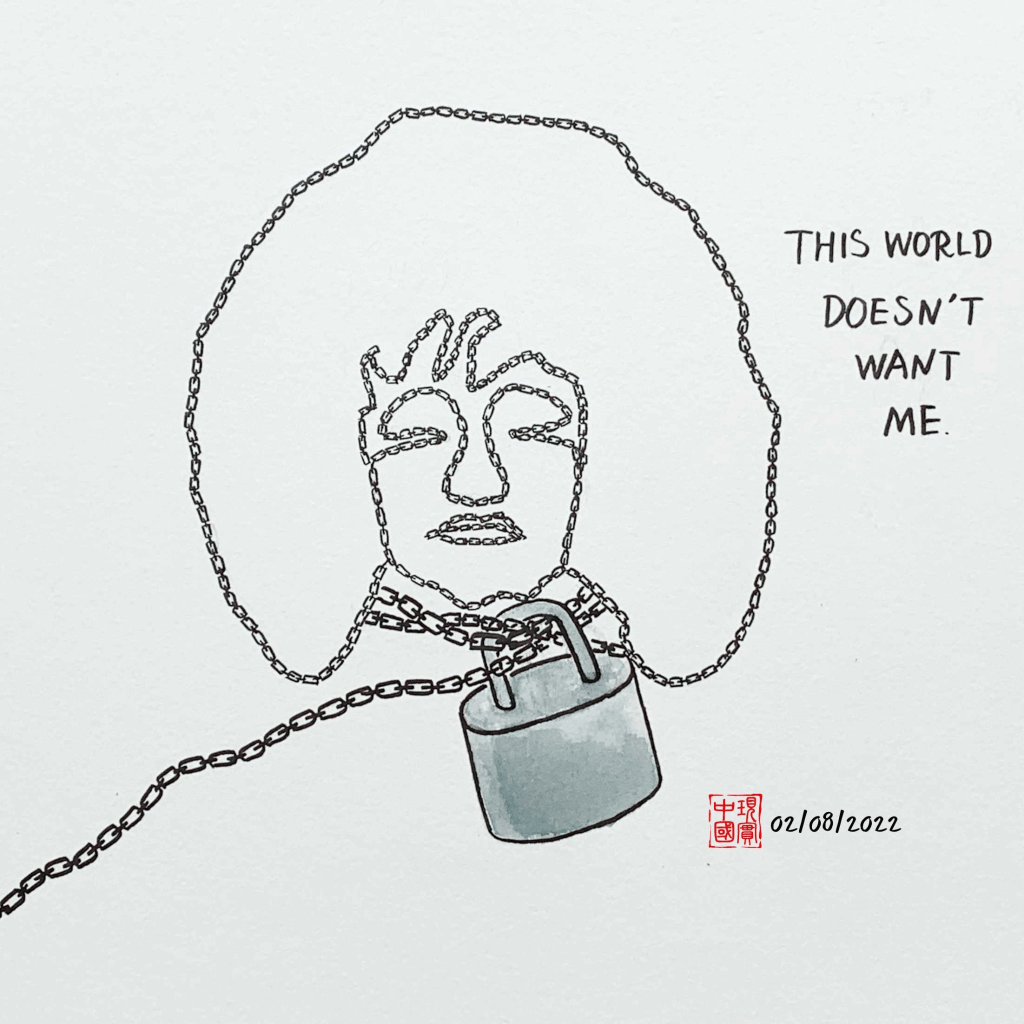
As China’s Winter Olympics presents a picture of peace and prosperity, a TikTok video revealed a woman chained around her neck, secured with a lock and affixed to the wall in a shack that opens up to the exterior. She wears a light sweater despite the January cold and looks haggard and her hair hangs lankly.
“This world doesn’t want me,” the woman can be heard saying.
Netizens has been calling for justice: Who really is she? Who and why chained her? Had she been abused or trafficked, like being sold as a bride under fraud or coercion? How had she managed to birth eight children under strict national birth policies that until 2016 had restricted families to only one child?
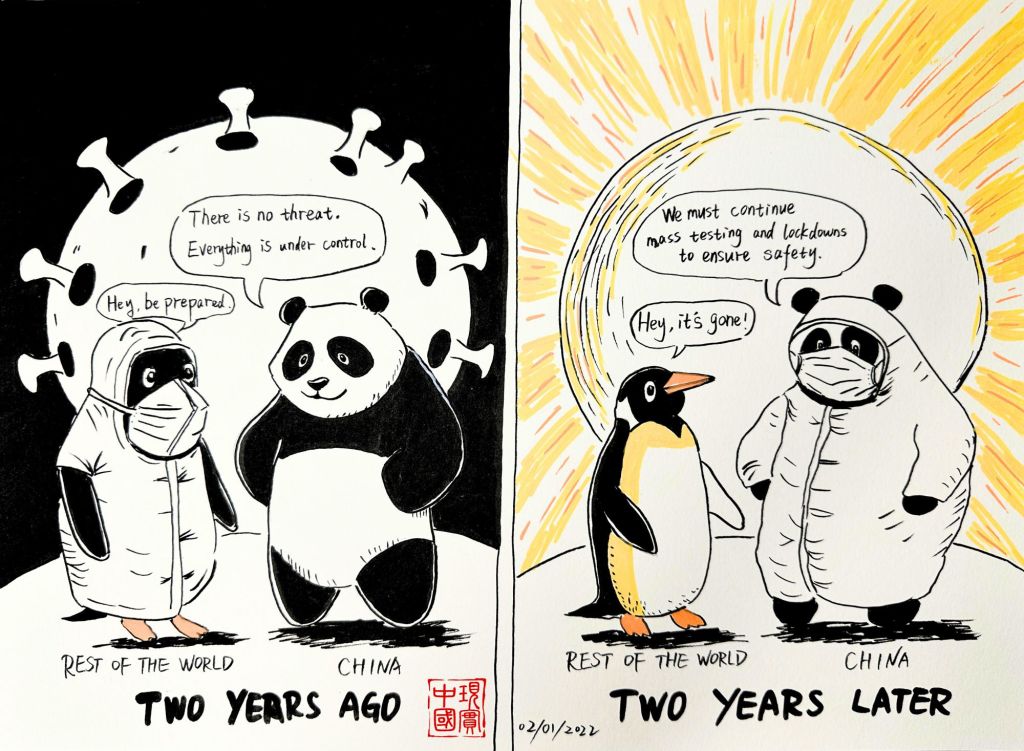
I wish I could say “Happy New Year” to my friends in China, but I know they’re not happy under the oppressive regime of mass testing and forced quarantine that keeps them from being together with their families. It’s hard to believe it’s been two years since Wuhan was first locked down on January 23, 2020, just two days before the Chinese New Year. Yet, most of China remains under stringent restrictions.
In the early days of COVID-19, when the world was grappling with the unknowns of a mysterious pneumonia, the Chinese government stood firm in its denial. The virus, according to official statements, was under control, posing no significant threat. Yet, the world watched as the truth seeped through the cracks of censorship, revealing a different, grimmer reality.
Fast forward two years. While most countries have moved past stringent lockdowns, eased social distancing, and lifted mask mandates, China remains an outlier. The once rigid zero-COVID policy has evolved into a relentless regime of mass testing and forced quarantines. The irony is palpable: the same government that initially downplayed the virus now clings to extreme measures, unwilling to acknowledge the global shift towards coexistence with COVID-19.
This persistence in denial, both at the onset and now, illustrates a troubling pattern. It’s a testament to a government’s refusal to adapt, to admit mistakes, or to change course. As the rest of the world breathes a cautious sigh of relief, China’s citizens are left suffocating under a blanket of outdated policies and endless PCR tests.
Two years ago, the virus’s arrival was denied. Two years later, its departure is met with the same resistance. The tragedy lies not only in the missteps but in the stubborn refusal to learn from them.