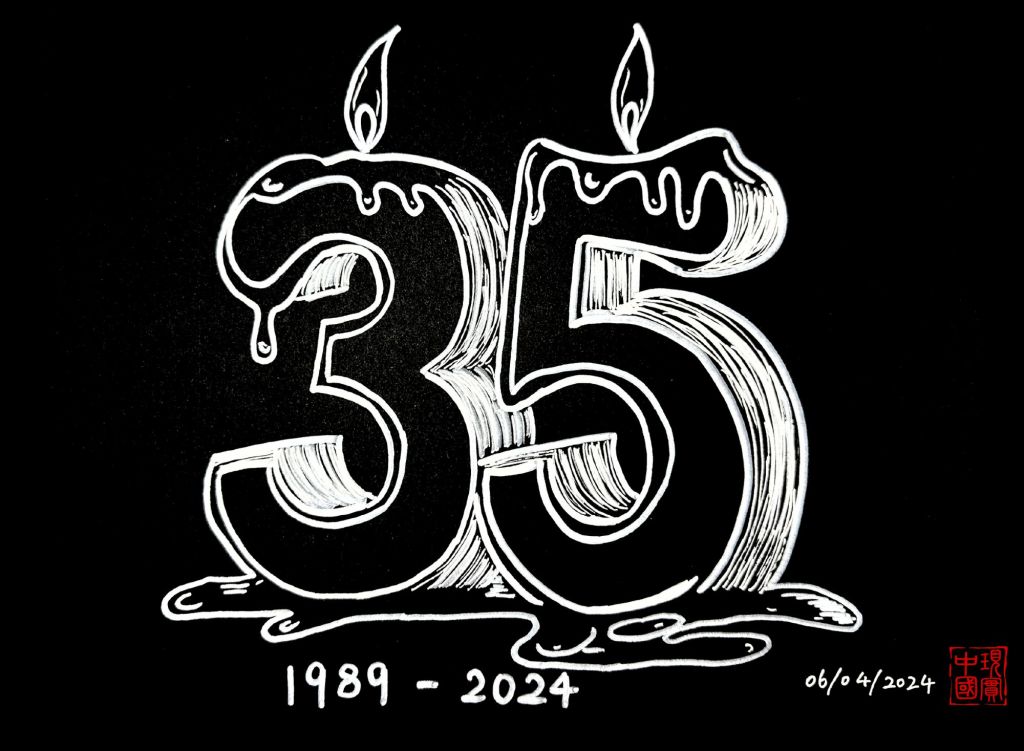
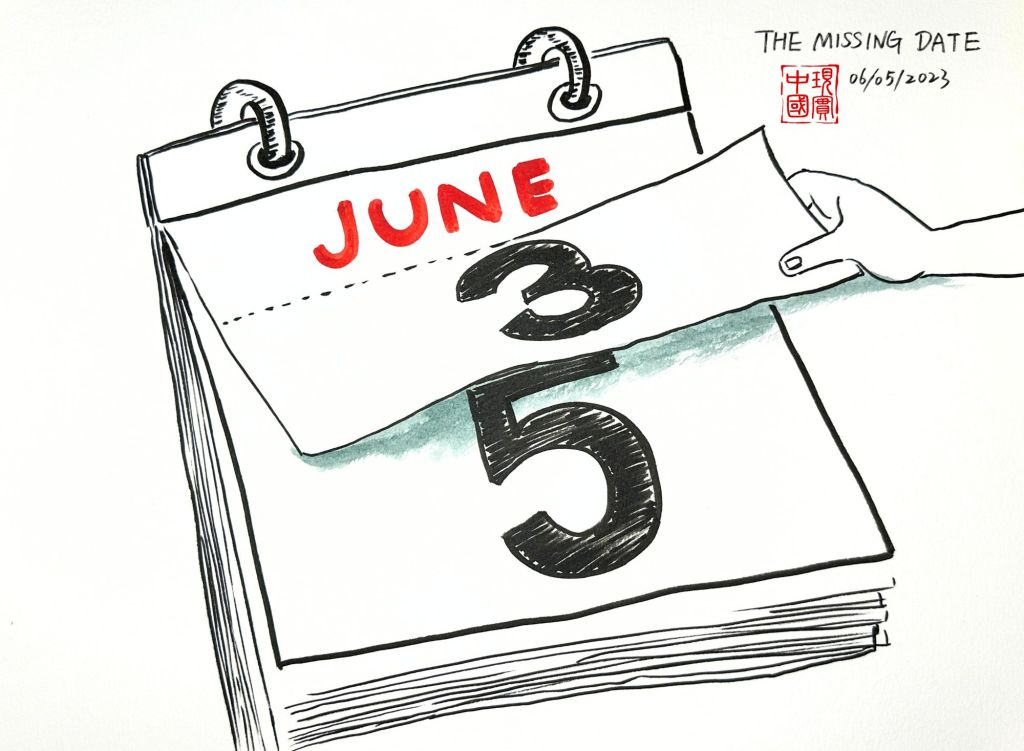
As we mark the 35th anniversary of the Tiananmen Square massacre, it’s a somber moment to reflect on a pivotal event in modern history. On June 4, 1989, peaceful protests in Beijing demanding democratic reforms met a tragic end as Chinese authorities cracked down with force, resulting in countless deaths and injuries.
The memory of those brave individuals standing for freedom and democracy resonates globally, reminding us of the enduring struggle for human rights. Despite efforts to suppress the truth, the spirit of Tiananmen lives on through the courage of those who continue to seek justice and accountability.
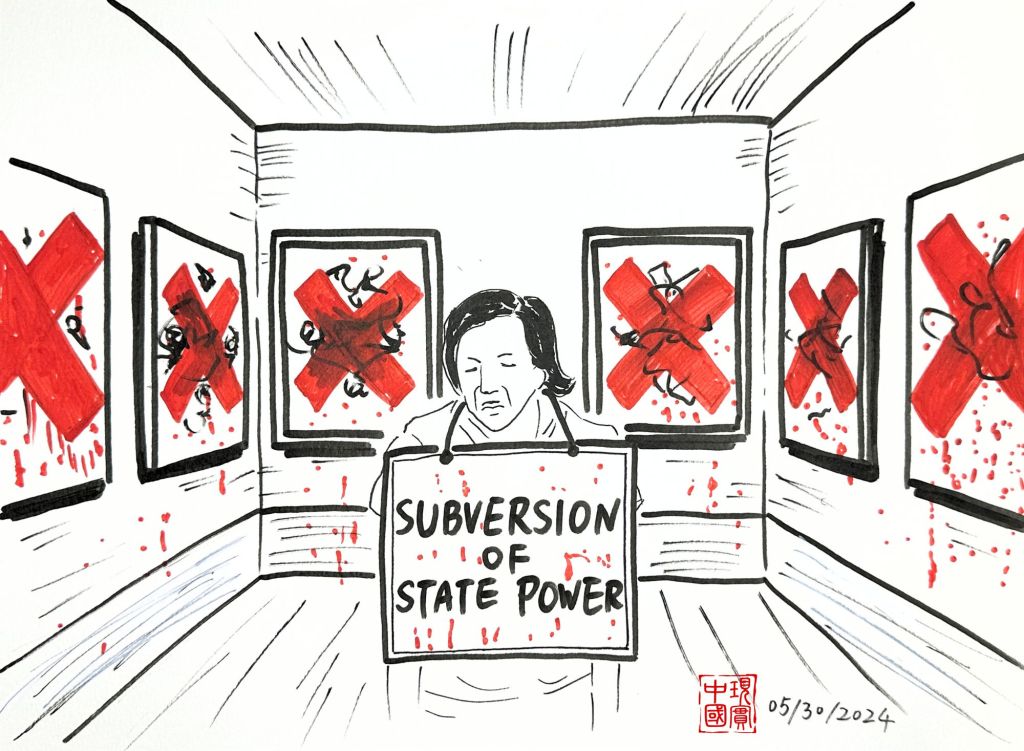
Renowned mainland dissident artist Yan Zhengxue passed away early Tuesday morning in Beijing at the age of 80. Yan, a staunch advocate for vulnerable communities’ rights, faced forced labor, secret detention, and a three-year prison sentence in 2006 for “inciting subversion of state power.” His sculptures, including one of Lin Zhao, executed during the Cultural Revolution, were deemed too sensitive for public display, shrouded in curtains during exhibitions. Despite government suppression, Yan’s art persisted, urging remembrance of China’s tumultuous political history. His passing marks a solemn moment for free expression advocates, echoing the enduring resilience of artists under authoritarian regimes.
In a Beijing police station, walls are covered with papers, each representing a building in a large residential area. These papers list residents’ names, phone numbers, and other details, with color codes indicating their risk levels. Green means safe, yellow means to be watched, and orange signifies strict monitoring. A police officer marked a third-floor apartment in yellow, noting its high turnover and labeling it as “high risk” for follow-up.
This meticulous surveillance is a cornerstone of Xi Jinping’s grassroots governance strategy: more visible, invasive, and vigilant against real or perceived threats. Police officers immerse themselves in communities, understanding neighborhood disputes and recruiting retirees as extra eyes and ears. Employers are required to appoint “security advisors” to report regularly to the police.
Historically, the Chinese Communist Party (CCP) has implemented extensive surveillance on activists and dissenters. During the COVID-19 pandemic, this surveillance expanded to track nearly every urban resident. Xi Jinping aims to make this control permanent, embedding the Party deeply into daily life to prevent any disruptions, no matter how minor or non-political.
This approach, known as the “New Era Fengqiao Experience,” revives a method from Mao’s era where citizens were mobilized to publicly shame and control class enemies. Xi frequently references Fengqiao to highlight the Party’s commitment to addressing people’s needs, despite suppressing free speech and dissent.
This strategy aims to strengthen Beijing’s ability to quash dissent amid growing economic challenges and social unrest, solidifying the Party’s control and extending its reach into every aspect of citizens’ lives.
Last Tuesday, the UK Foreign Office summoned the Chinese ambassador for a formal rebuke following the arrest of three men accused of aiding Hong Kong intelligence and raiding a residence.
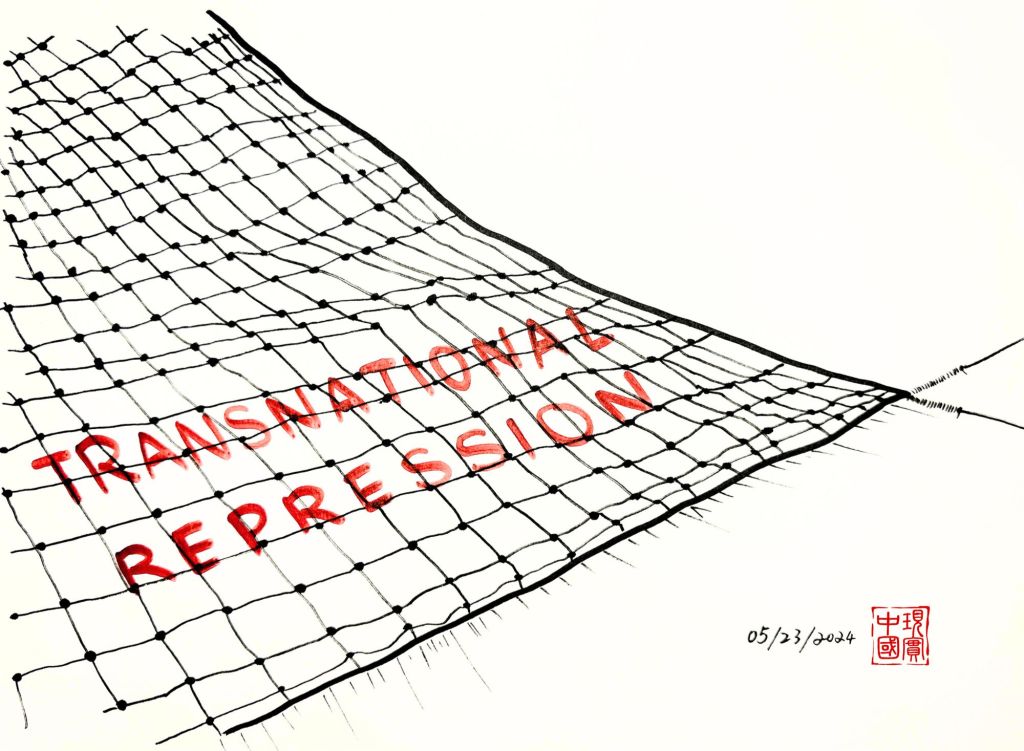
The Foreign Office condemned China’s recent actions, including offering rewards for information on dissidents settled in the UK and elsewhere. While the trial is ongoing, these arrests have spotlighted “transnational repression,” where authoritarian regimes monitor, harass, or attack their citizens abroad.
Transnational repression isn’t new but is increasingly prevalent. Globalization and the internet facilitate activism among exiles while enabling authoritarian regimes to suppress diaspora political activities more effectively.
Today, it remains a favored tool. Chinese students abroad report a climate of fear due to government intimidation. Governments now see overseas dissidents as potent threats due to their ability to influence from afar. This has led authoritarian regimes to share suppression tactics and increase cooperation, putting more lives at risk.
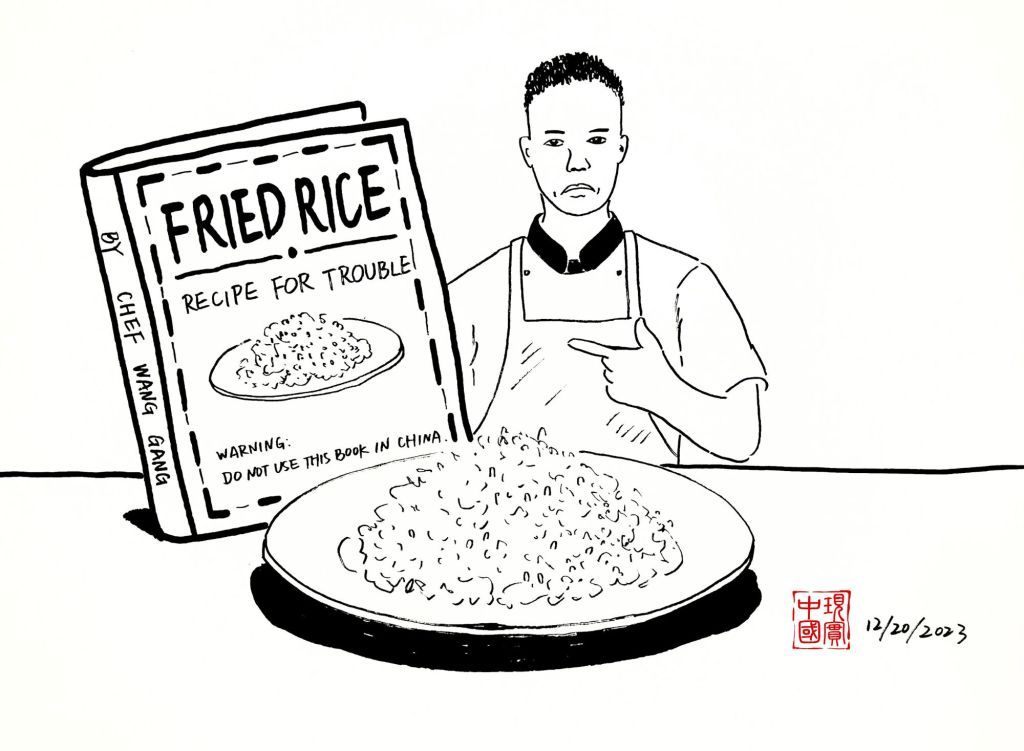
In the midst of heated debates about anti-Semitism and free speech on American college campuses, China has witnessed a viral controversy over a video teaching how to cook fried rice. Fried rice, a staple in Chinese households and often the first dish many learn to cook, holds a cultural significance akin to macaroni and cheese in the United States. This culinary icon has thrust Wang Gang, one of China’s most popular food bloggers, into the spotlight with his “perfect” fried rice recipe sparking both acclaim and critique.
However, a particular video stirred outrage among Chinese state media and the internet. On November 27th, just two days after the anniversary of Mao Zedong’s son Mao Anying’s death, Wang posted a fried rice video. Speculation arose that Mao Anying was preparing fried rice when he died in the Korean War.
China’s landscape has become increasingly politicized, turning everyday topics like cooking into potential minefields. Wang, who started working in restaurants at 15, has always focused solely on cuisine in his shows. Despite this, he found himself embroiled in political currents.
In China’s highly controlled online environment, coded language and cautious expressions have become common as citizens navigate what can and cannot be openly discussed. Wang’s experience highlights the constraints on free speech in China, where even seemingly innocuous topics can lead to controversy and censorship.
In November 2022, Li Ying, a young artist and recent graduate from an art academy in Milan, found himself trapped in sorrow, fear, and despair. Strict pandemic controls in China meant three years without seeing his parents, unsure of his country’s future.
In China, enduring endless COVID-19 tests, isolation, and lockdowns, people staged the most widespread protests in decades. Many held up A4 sheets of paper in defiance of censorship and authoritarian rule—the White Paper Movement.
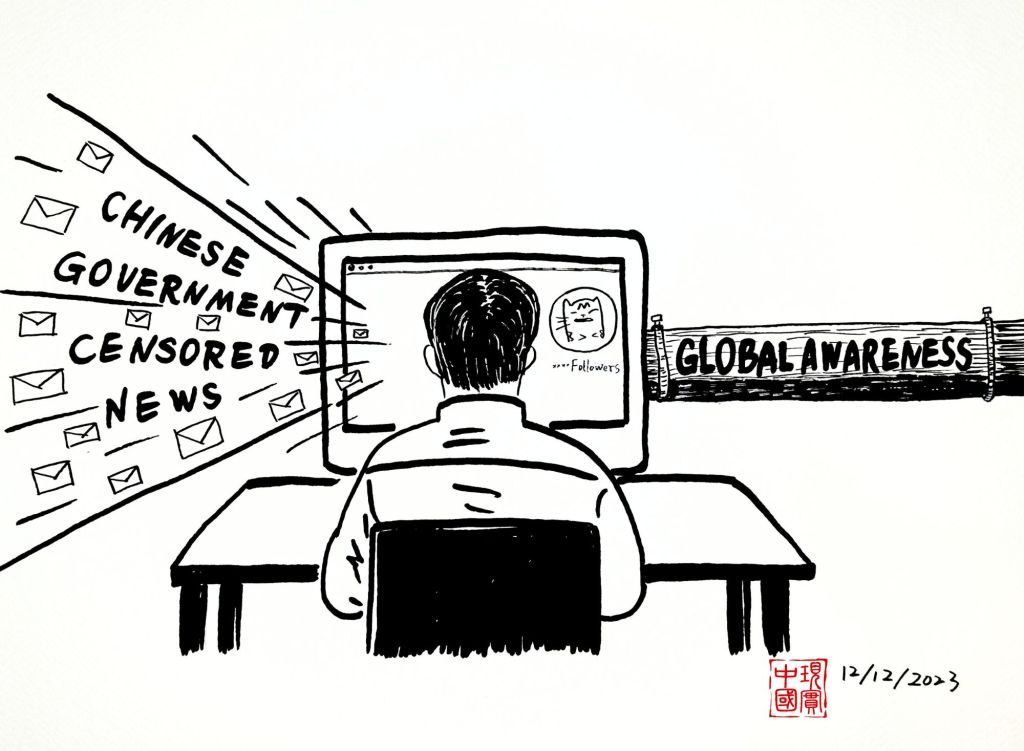
Unexpectedly, Li transformed his Twitter account into an information hub, receiving censored photos, videos, and eyewitness accounts from within China, disseminating them globally via the platform. His profile picture—a cute yet fierce cat he painted—quickly became iconic.
Within weeks, his followers grew to half a million. To the Chinese government, he became a troublemaker; to many, a superhero against Xi Jinping’s regime.
As the government abruptly ended pandemic policies in December, Li and other activists faced a pivotal question: was their protest a historic moment or just a footnote?
Li reflected, “The White Paper—it’s a beginning, not an end.” He evolved from a young artist to a rebellious internet figure, navigating fear, guilt, courage, and hope. For many peers, this path is all too familiar.
At 31, Li Ying is part of a generation of young Chinese activists driven by a sense of justice and dignity, standing up against the government and Xi Jinping. They are not professional revolutionaries but have become activists by necessity, as Xi turns their country into a massive prison and their future into a black hole, compelling them to speak out.
They face the consequences, some within China, others abroad. They are arrested, harassed by police, or forced into exile out of fear of government threats. As more people join their resistance, their activism continues.
Li Ying never intended to be a hero. Over the past year, he has paid a heavy personal price. Sometimes, he cried, wanting to give up. But the government’s relentless punishment left him no choice but to keep moving forward.
Returning to China is too risky for him. Police often harass his parents. All his bank accounts, payment methods, and even gaming accounts in China have been frozen. He lost his only source of income in Milan, where he has been studying and living since 2015; he says this is because the company he worked with received a letter from the Chinese embassy. He receives death threats almost weekly. A man once broke into his residence, an address Li Ying says only the Chinese consulate knew. For safety, Li Ying has moved four times in the past year.
Li’s dedication to his cause is unwavering, driven by love for his country and its people. Despite personal risks and sacrifices, he persists, knowing there’s no turning back.
He remains a lifeline for Chinese seeking uncensored news, a testament to the cracks in China’s Great Firewall and the resilience of those striving for change.
At China’s 13th National Women’s Congress, the spotlight was on male leaders, with Xi Jinping prominently seated at the opening ceremony. The state media highlighted his presence, signaling the Communist Party’s stance on women’s issues. This year, notably, no women were included in China’s top leadership for the first time in two decades, underscoring a symbolic but significant shift.
Xi Jinping’s emphasis on traditional family values like promoting marriage and childbirth reflects a broader strategy amid China’s demographic challenges. The declining birth rate has prompted drastic measures to reverse the trend, including cash incentives and tax breaks. Yet, critics argue this focus sidelines broader gender equality issues, relegating women to traditional roles rather than acknowledging their contributions in the workplace.
While Xi Jinping acknowledges gender equality in principle, his recent speeches have predominantly focused on familial duties, signaling a regression from previous platforms advocating for women’s empowerment and self-fulfillment. This shift raises concerns among Chinese women who have long fought against societal pressures and government policies that restrict their freedoms and rights.
The congress’s discussions highlighted the government’s preference for reinforcing traditional values to address economic and demographic concerns, potentially sacrificing women’s progress in the process. As China navigates its most significant economic challenges in decades, the role of women in shaping its future remains a contentious issue.
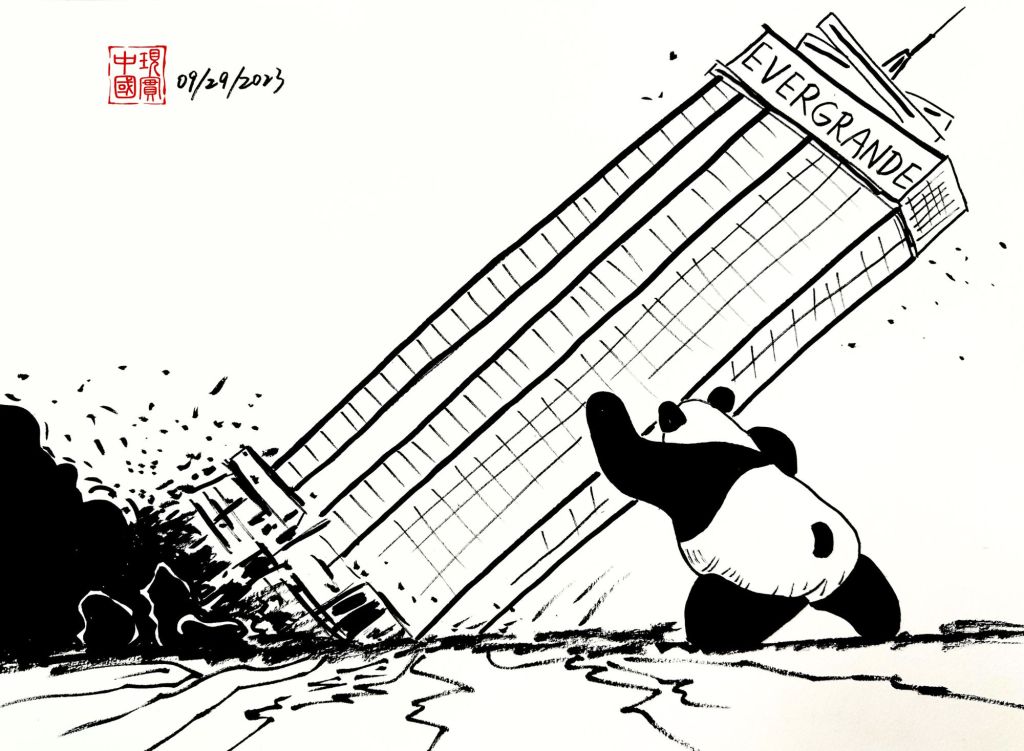
The two-year-long saga of Evergrande Group’s financial meltdown has reached a dramatic peak. On the evening of September 28, China Evergrande Group, listed in Hong Kong, announced that its Chairman, Xu Jiayin, is under investigation for suspected illegal activities and has been subjected to mandatory measures. Several other senior executives of Evergrande are also being investigated.
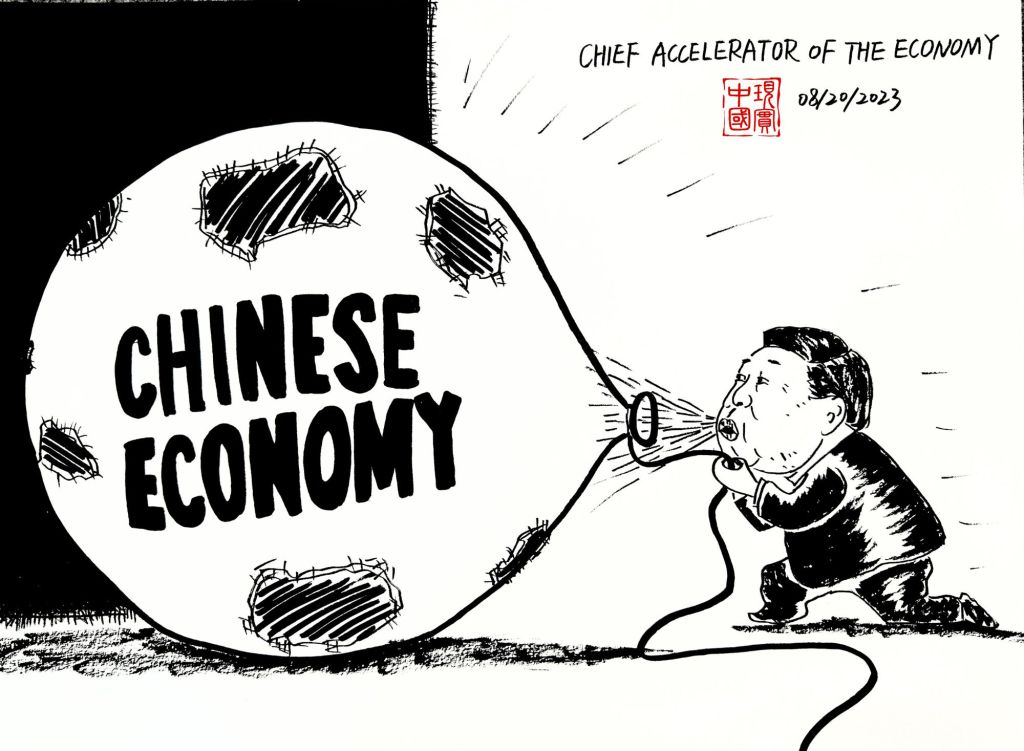
On August 10, U.S. President Biden called China’s economy a “ticking time bomb” during a political fundraising event, drawing criticism from Chinese state media. Shortly after, China’s National Bureau of Statistics announced it would no longer release youth unemployment data, sparking heated discussions online.
In June 2023, China’s youth unemployment rate was as high as 21.3%, but on August 15, the authorities announced they would stop publishing the data.
Real estate companies like Evergrande and Country Garden continue to face debt defaults, and China’s largest asset management group Zhongzhi Enterprise Group is also in trouble, with financial trust products’ defaults spreading. Foreign direct investment in China has dropped to its lowest level since 1998, and the pace of foreign capital withdrawal is accelerating. In the next ten years, China’s economy might decouple from the West, regressing to the pre-reform era.
Bei Zhenying never suspected her husband Ruan Xiaohuan of any subversive activities against the Chinese government. He was a brilliant computer programmer they met during their university days in Shanghai, and she was enamored with his curiosity and wit. His quirks, such as avoiding social media and new clothes, and his intense privacy, spending hours in his study on undisclosed work, seemed typical of a dedicated tech enthusiast.
At 45, Bei Zhenying believed these eccentricities were part of being a career geek, a world she, as a business manager, couldn’t fully comprehend. But her understanding shattered when Shanghai police stormed into their apartment and arrested him. Authorities accused Ruan Xiaohuan of writing articles that criticized China’s political system and plotting to overthrow the government. In February, he was sentenced to seven years in prison.
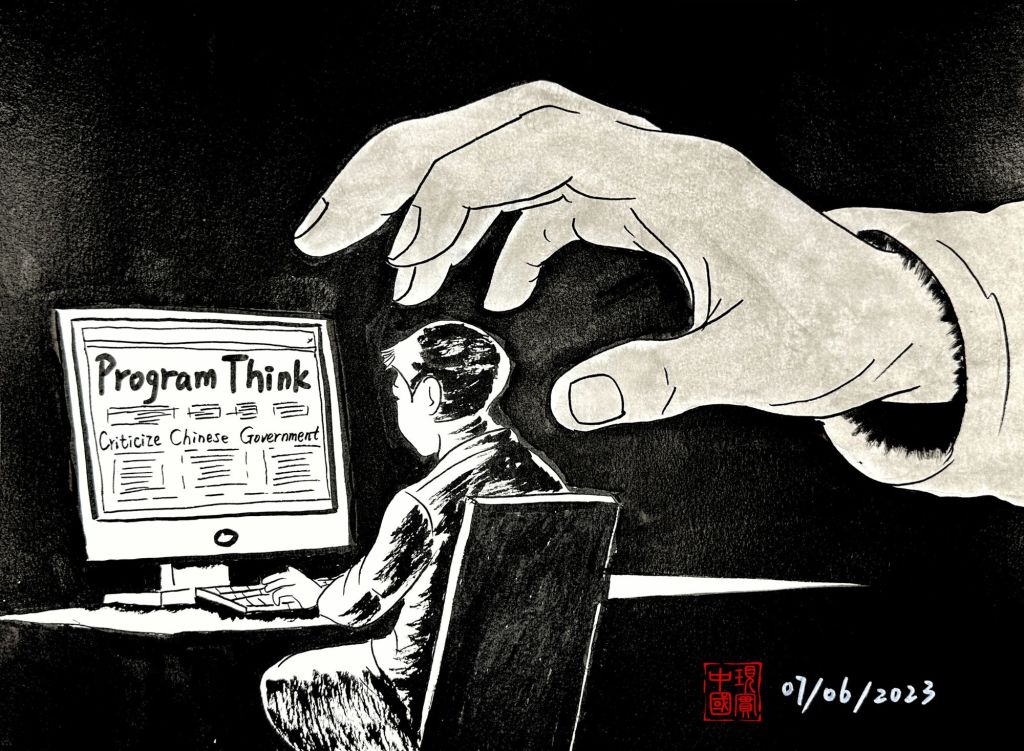
Over the following months, Bei Zhenying discovered more than just personal secrets. Ruan Xiaohuan was revealed as the enigmatic blogger “Program think,” known for satirizing the ruling Communist Party on China’s heavily controlled internet. His blog had attained near-mythical status among followers, sharing posts anonymously critical of government leaders’ hidden wealth and encouraging independent thinking.
Despite efforts to maintain anonymity, Ruan Xiaohuan’s fate intertwined with “Program think,” highlighting the severe measures taken against dissent under Xi Jinping’s leadership. Bei Zhenying, initially disinterested in politics, found herself thrust into a journey of awakening, navigating a landscape of state censorship and secrecy to understand her husband’s hidden life and the realities of dissent in China.
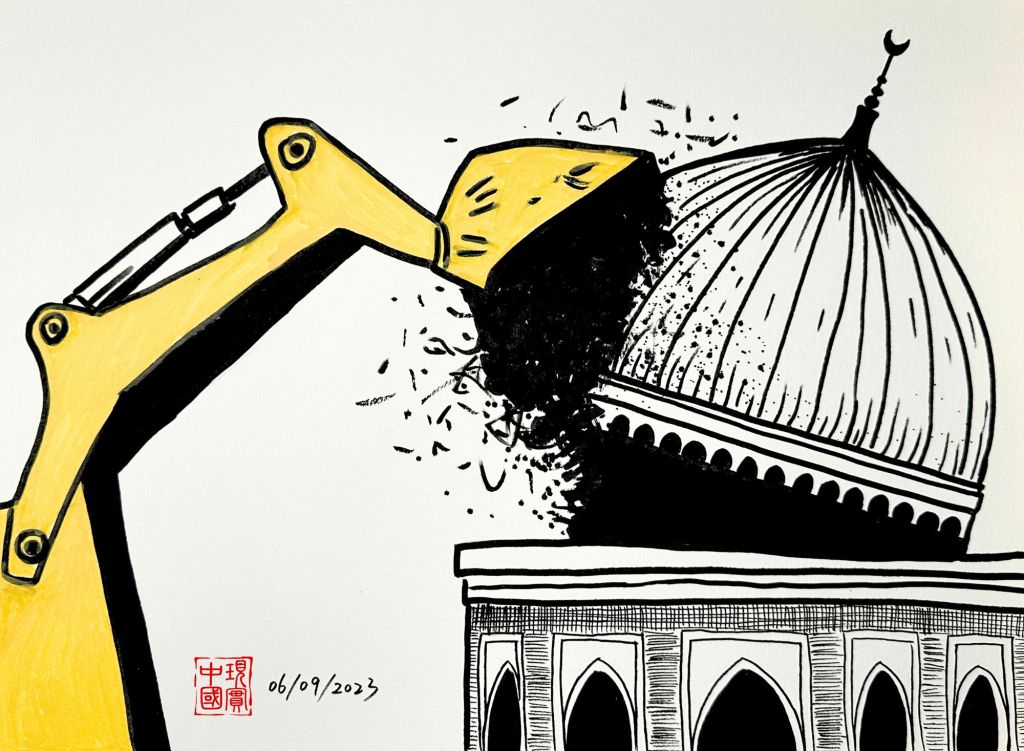
In the southwestern mountains of China, signs of a vibrant Muslim community in Nagu Town are abundant. Amplifiers play excerpts from the translated Quran while women in headscarves gather their lively children from school. Homes are adorned with Arabic decorations.
Dominating the scene is the towering Nagu Camp Mosque, a 70-meter white structure with a jade dome and four minarets. For decades, this mosque has been a source of pride for the Muslim Hui ethnic minority who live here.
Last month, however, it became a scene of conflict. On May 27, tensions escalated as authorities brought in cranes to the mosque courtyard, leading to clashes between residents and hundreds of riot police equipped with riot gear. Police sealed off the mosque, using pepper spray against protesters while residents responded with thrown water bottles and bricks.
Witness accounts and social media videos depict these rare clashes, underscoring periodic turbulence amid the Chinese Communist Party’s intensified religious control efforts.
For decades, Hong Kong was the only place in China where people could openly commemorate the 1989 Tiananmen Square crackdown through candlelight vigils. This year, however, Hong Kong has taken notable steps to make people forget the massacre.
Ahead of this year’s June 4th anniversary, small shops displaying items hinting at the crackdown were closely monitored. On the weekend, thousands of police officers patrolled the streets of Causeway Bay, where vigils used to be held. They set up temporary tents and searched individuals suspected of attempting to mourn. Four people were arrested for “acts with seditious intent,” and another four were detained.
Zhou Fengsuo, a student leader of the Tiananmen Square protests, stated that Hong Kong is now under the same tyranny as mainland China. He expressed that the mission to democratize China, which began in 1989, remains incomplete as Hong Kong faces similar repression.
The 1989 democratic movement had significant support in Hong Kong, then a British colony. After the Chinese army violently suppressed the protests, some student leaders escaped to Hong Kong. In 2019, thousands gathered in Victoria Park for a candlelight vigil, marking the last large-scale commemoration of the massacre in Hong Kong.
Since the implementation of the National Security Law in 2020, nearly all forms of dissent in Hong Kong have become criminalized. Authorities have been particularly focused on erasing the memory of the Tiananmen Massacre, raiding museums and libraries and imprisoning vigil organizers.
Despite the lifting of pandemic restrictions this year, Victoria Park was occupied by a pro-Beijing group’s fair, celebrating Hong Kong’s return to China in 1997. The arrests over the weekend and heavy police presence have made it clear that public mourning of the Tiananmen victims is no longer tolerated.
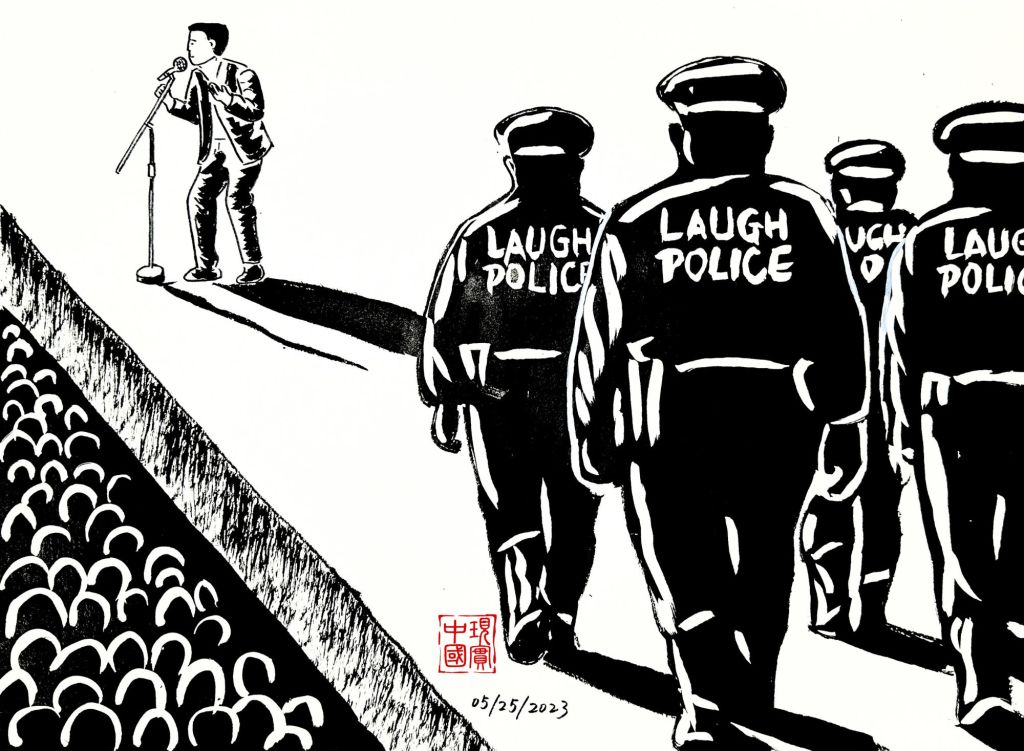
In recent days, China has witnessed a wave of performance cancellations across the country. A Japanese monk singer called off his tour, several cities halted stand-up comedy shows, and Beijing bars canceled jazz performances. Over a span of just a few days, more than a dozen shows were abruptly canceled, some mere minutes before they were scheduled to start, with little to no explanation provided.
These cancellations followed a significant fine imposed on a Chinese comedy studio in Beijing. The studio was fined 13.35 million yuan after the government accused one of its comedians of insulting soldiers in a joke. In a northern city, police also detained a woman for defending the comedian online. These actions highlight the increasing scrutiny faced by China’s creative industries.
Chinese President Xi Jinping has intensified the control over art and culture as part of an ideological campaign, urging artists to align their work with the Communist Party’s goals. Performers must submit scripts for review, and publications are closely monitored. In a letter to the National Art Museum of China on its 60th anniversary, Xi emphasized the need to “maintain the correct political direction.”
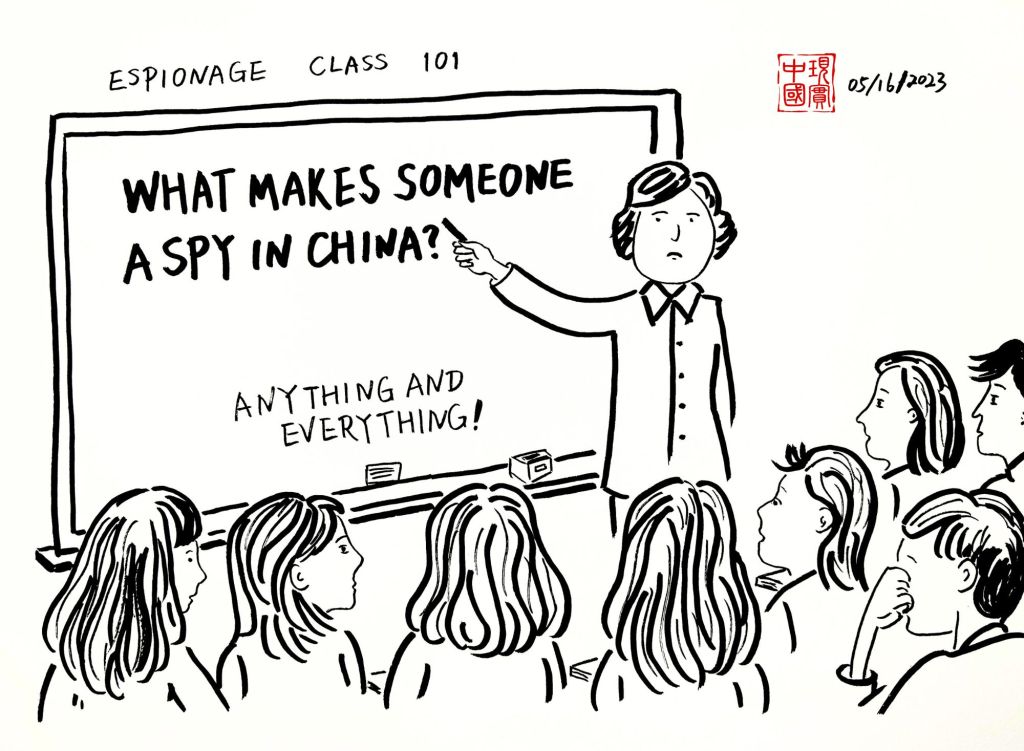
This heightened emphasis on controlling art and culture aligns with Xi’s broader focus on national security and eliminating foreign influences. Recently, authorities have raided Western consulting firms and expanded anti-espionage laws.
The crackdown also extended to live performances involving foreign artists, resulting in canceled shows for rock bands, jazz musicians, and rappers across major cities like Beijing, Shanghai, and Guangzhou. Cancellations were often attributed to “force majeure,” a term commonly used to imply government pressure.
Many observers see this as part of a larger strategy to tighten control over cultural expression amid deteriorating relations with the West. As Xi’s China becomes increasingly paranoid, cultural activities, including comedy and music, are becoming battlegrounds for ideological control.
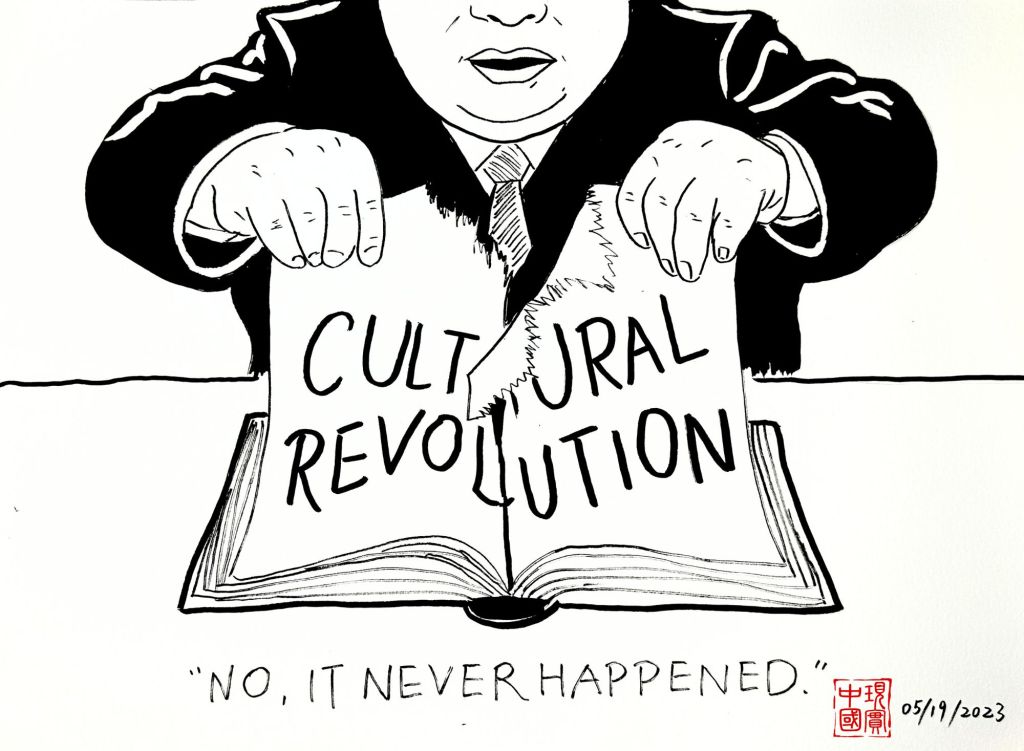
The Cultural Revolution, occurring from 1966 to 1976, caused an estimated 1.6 to 2 million deaths and left lasting trauma on generations. Under Mao Zedong, this movement aimed to eliminate non-Communist elements in Chinese society but ended up overturning revered institutions. Teachers and schools were stigmatized, books were burned, museums looted, and private art collections destroyed. Intellectuals were tortured.
In China, where information is often controlled, history is continually rewritten. Recent government actions, like censoring COVID-19 research and altering textbooks on Hong Kong’s colonial history, threaten to erase the Cultural Revolution from collective memory. This rewriting endangers the country’s future.
The Chinese government has never been keen on preserving the memory of those dark years. Museum exhibits often skipped over those years or briefly mentioned them in a muted tone.
A Chinese court has sentenced a 78-year-old American citizen, Chengyun Liang, to life imprisonment on charges of espionage, according to a statement released on Monday. The specific details of the charges were not disclosed. This case is part of a broader crackdown by Chinese authorities on alleged espionage activities amid rising concerns over foreign influence.
The Suzhou Intermediate People’s Court announced the verdict in a brief statement, revealing that Liang was detained by national security officials on April 1, 2021. The court also ordered the confiscation of Liang’s personal property worth 500,000 Chinese Yuan (~USD 68,8000). Liang, who holds a U.S. passport and is a permanent resident of Hong Kong, faced charges in a trial that lacked transparency, as is typical for politically sensitive cases in China.