How Chinese Censorship is Rewriting the Covid-19 Narrative

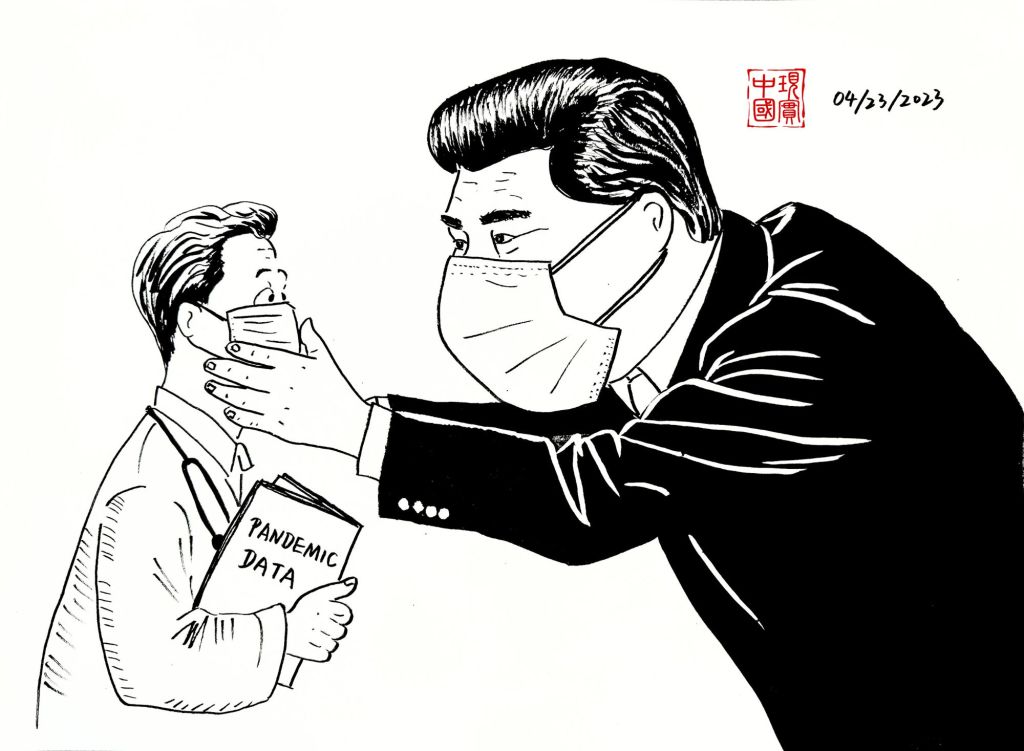
In early 2020, on the same day Covid-19 was officially named, U.S. and Chinese scientists released vital data on the virus’s spread and fatalities. The study, initially seen as a model of international collaboration, was cited globally but quickly retracted, with a message advising against citing it.

While the Chinese government’s suppression of scientists and censorship of pandemic discussions is known, its control over information is deeper than many realize, targeting international journals and databases. Chinese scientists, under government pressure, have withheld data, removed genetic sequences, and altered journal submissions.

Recently, this censorship surfaced when international scientists discovered genetic data from a Wuhan market, collected by Chinese researchers in January 2020 but withheld for three years—an “inexcusable” delay, according to global health officials.

On April 1, Beijing restricted foreign access to the China National Knowledge Infrastructure, limiting insights into Chinese research. Chinese leaders now urge scientists to publish in domestic rather than international journals. This month, Chinese government scientists suggested investigating the virus’s origins outside China, aligning with the disputed claim that the pandemic began elsewhere.
点此查看相关中文报道

The Chinese Government’s Silent Crackdown on White Paper Movement Protesters

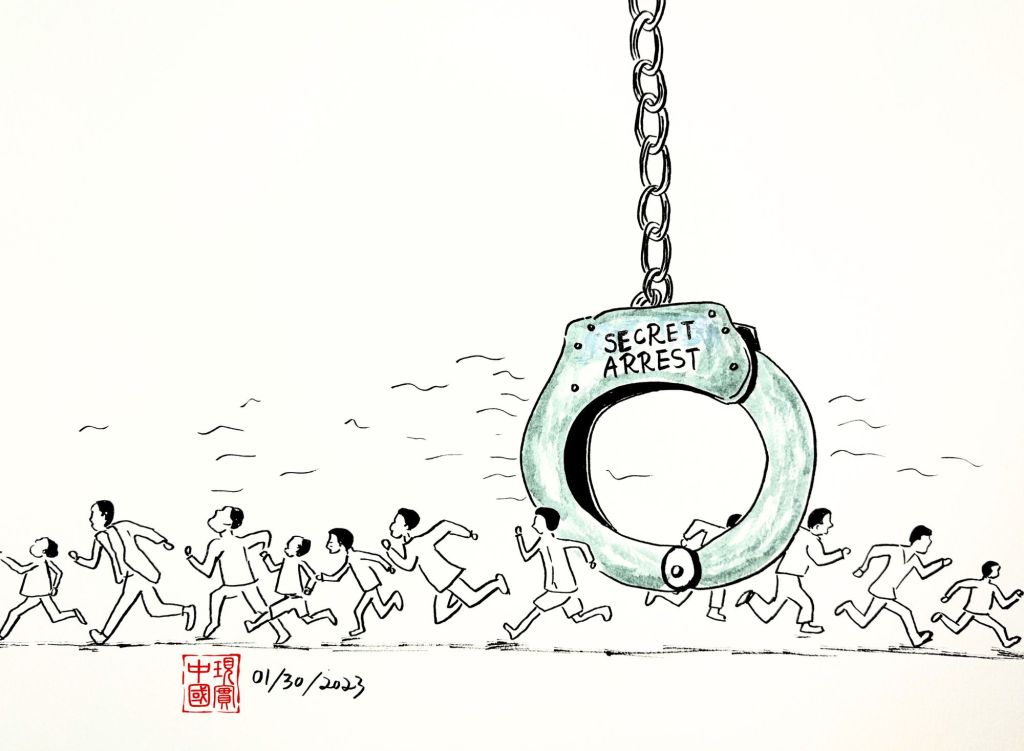
In late November 2022, Beijing saw rare protests against the strict “zero-COVID” policy. The Chinese Communist Party (CCP) quickly responded with its usual tactic of silencing dissent through secret arrests and intimidation, all while attempting to discredit protesters by alleging foreign influence.

The first to be detained were a finance firm employee, a freelance writer, a teacher with a degree in British literature, and an editor at a Beijing publishing house. These four women, friends who shared interests in social issues like feminism and LGBTQ rights, participated in the November protests and were swiftly arrested.

These arrests are part of a broader strategy by the CCP to intimidate and warn those who might be inspired by the recent surge of public discontent. The protests posed a significant challenge to the CCP’s rule and embarrassed President Xi Jinping.

Despite the government’s efforts to keep these actions under wraps, news of the arrests has spread among those involved in the protests. The CCP has avoided officially announcing these arrests to prevent further public outrage but has ensured that the message is clear: even peaceful expression of dissent will not be tolerated, and those who challenge the government face severe personal risks.

The Beijing protests began as a vigil for victims of a deadly fire in Xinjiang, which many blamed on the restrictive “zero-COVID” measures. While initial police response during the protests was relatively restrained, it soon escalated. In the following days, police summoned or visited demonstrators, questioning their participation and connections.

One of the detained women, Cao Zhixin, recorded a video before her arrest, expressing her belief in the right to express opinions even in China. Her case, along with the other three women, has highlighted the personal risks of challenging the government.

Authorities have accused these women of using foreign communication platforms and participating in feminist activities, framing their actions as influenced by foreign forces. The charge of “picking quarrels and provoking trouble,” a vague but commonly used accusation, carries a potential five-year prison sentence.

The CCP’s crackdown on these protesters serves as a stark reminder of the risks of dissent in China. The government’s actions aim to ensure that the recent wave of protests does not inspire further public outcry, using fear and repression to maintain control.

点此查看相关中文报道

A Twisted Mid-Autumn Festival: Celebrating the “Heroics” of Liu Liangzong

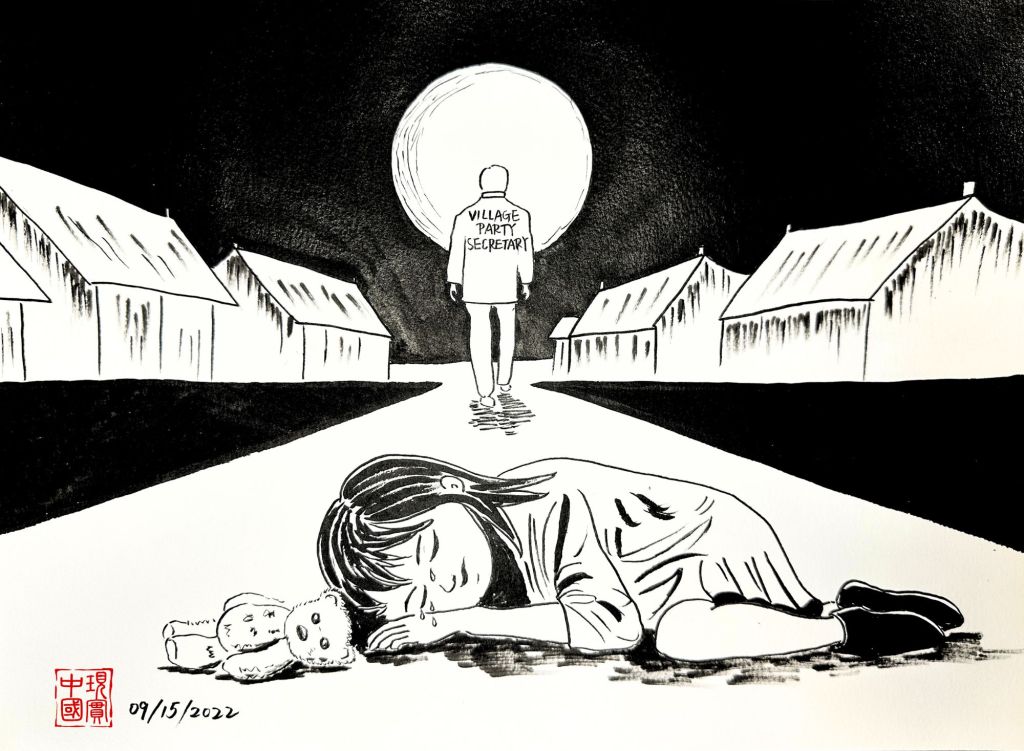
September 10th, Mid-Autumn Festival! A time when families gather to admire the moon, share mooncakes, and bask in the warmth of togetherness. However, for a 12-year-old girl in Liuqiao Village of Tianlu Town, Jiangxi Province, it turned into a nightmare orchestrated by none other than the Village Party Secretary, Liu Liangzong. Yes, you read that right – the very same Liu Liangzong who has been lauded as an anti-pandemic hero. How fitting that he chose this sacred holiday to reveal his true colors.

At that time Liu Liangzong raping the young girl, her parents, ever so dutiful citizens, were diligently following pandemic protocols and were quarantined far from home. Meanwhile, the neighbors were under strict “silent management,”

The best part? The initial whistleblower tried to report this ghastly event to the proper authorities, only to be met with the bureaucratic equivalent of a shrug. No story here, folks! Move along! It took the persistent efforts of self-media to bring this atrocity to light, ensuring that Liu Liangzong’s “contributions” to the village would not go unnoticed.

Liu Liangzong was eventually arrested. Yet, one can’t help but wonder how many more “heroes” like him are lurking in the shadows, protected by the very systems designed to uphold justice and order.

Deceased Resident’s COVID-19 Records Continue to Update

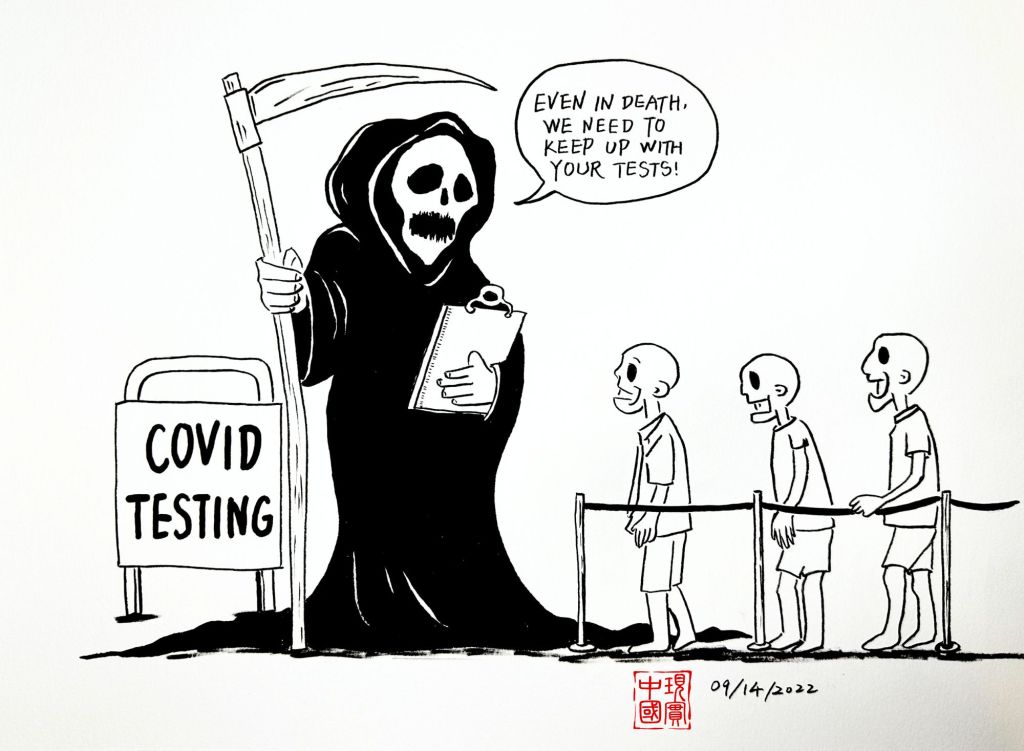
Tests Never Stop

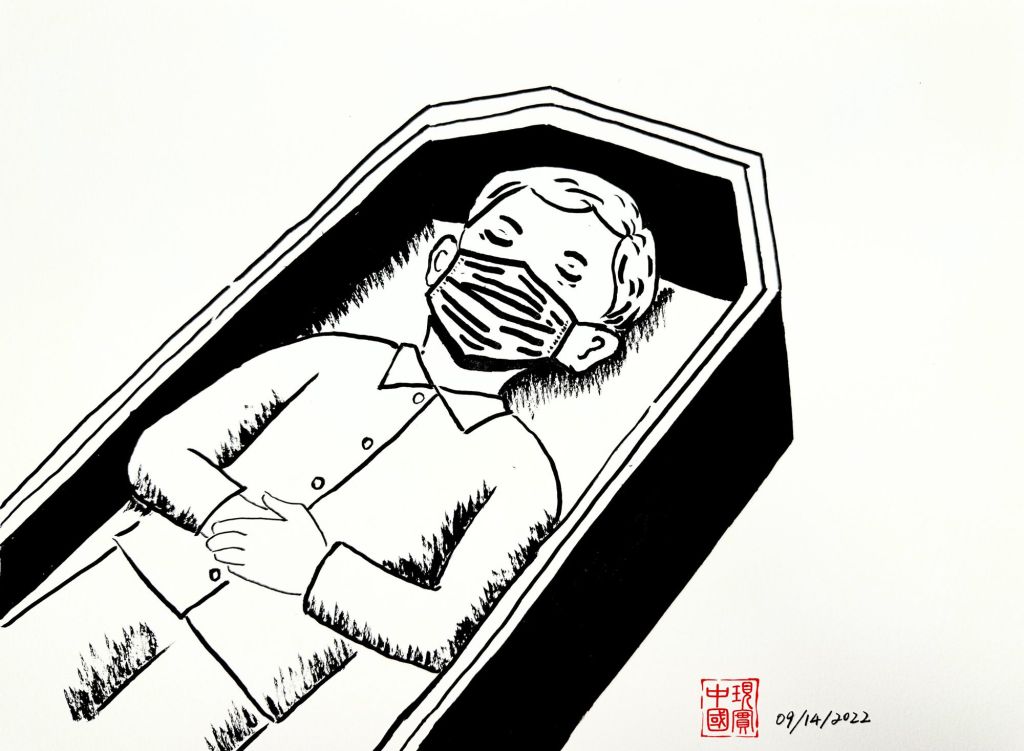
In September 2022, a news story garnered widespread attention. According to the report, a deceased resident in Nantong City, Jiangsu Province, China, had his health code and COVID-19 test records continue to update even after their death. This incident quickly sparked discussions on social media, with people questioning the reliability and accuracy of the COVID-19 testing system.

In the days following the resident’s death, his health code still showed green, and his COVID-19 test records were still being updated. The family expressed confusion and anger over this, questioning the negligence of the relevant authorities. After the media exposed the incident, the authorities promptly launched an investigation and claimed that it was an isolated case caused by a system error, not a widespread issue.

China COVID Survivors Face Discrimination in Job Market

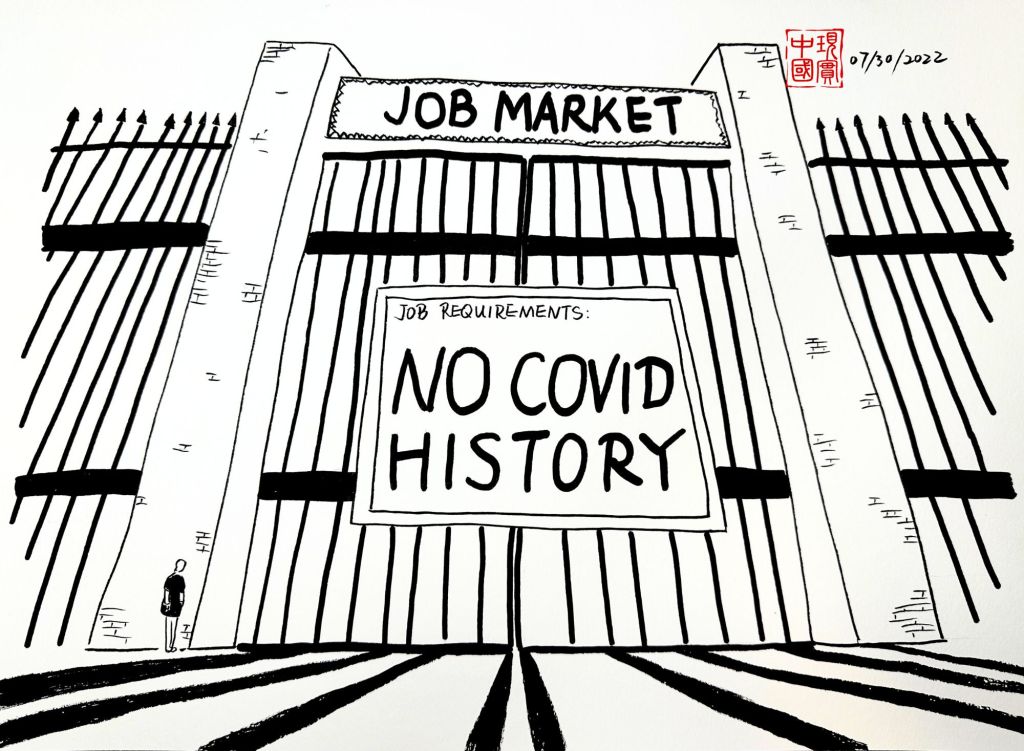
In the aftermath of the COVID-19 pandemic, various discriminatory practices have emerged worldwide, but few are as stark as the “No COVID History” policies seen in China. In a bid to control the spread of COVID-19, some institutions in China have implemented a policy requiring individuals to have no history of COVID-19 infection.

The widespread implementation of the “No COVID History” policy has resulted in mass discrimination in job market, especially within industries such as the service sector in Shanghai. This means that even those who have recovered from the virus are denied employment opportunities. Many recovered patients find themselves in a precarious position, unable to secure basic employment despite being otherwise qualified.

Shanghai Lockdown Spurs Emigration Among Chinese Youth

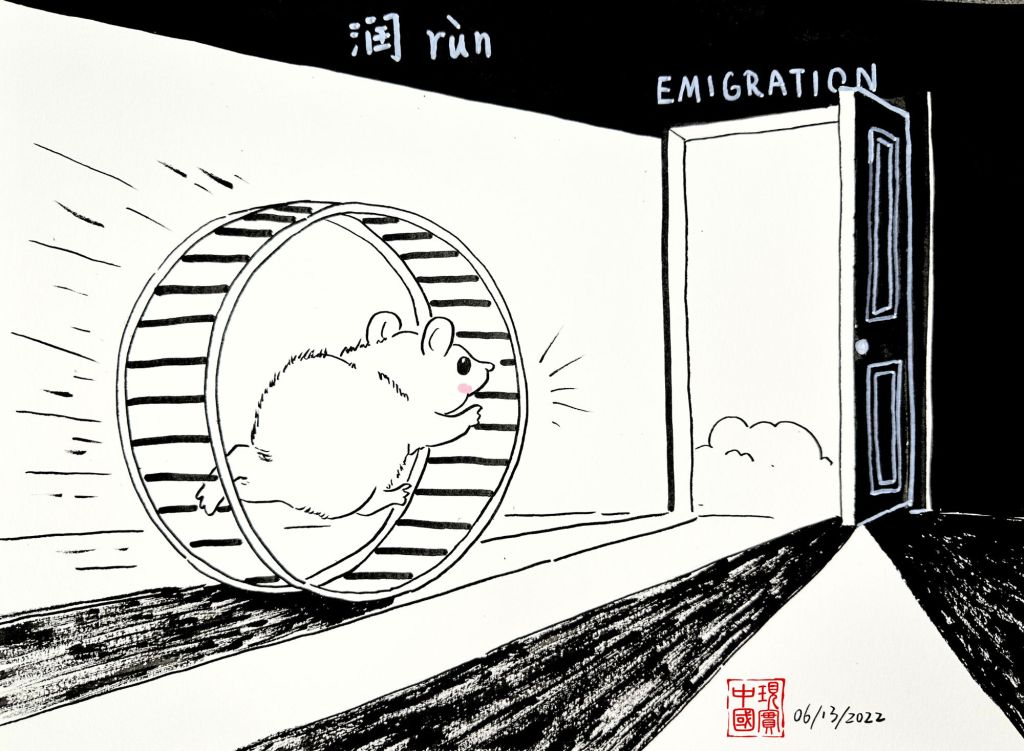
RUN

The recent harsh lockdown in Shanghai due to COVID-19 has sparked a significant discussion about emigration among Chinese youth. After enduring over two months of strict lockdown measures, many residents, both local and expatriate, are contemplating leaving the city or even the country. This phenomenon has given rise to the term “rùn” (润), a homophone for the English word “run,” symbolizing the desire to emigrate.

Many Shanghai residents who had previously considered relocating for better opportunities and education for their children, now find their resolve strengthened by the lockdown’s chaos and food shortages. The stringent measures have led to a surge in online discussions and searches related to emigration, reflecting a broader societal discontent.

The term “run” has become increasingly popular, akin to the previous buzzwords “involution” (内卷) and “lying flat” (躺平), which describe the societal pressures faced by Chinese youth. Unlike these terms, “run” focuses on the active pursuit of leaving the country to escape oppression and seek a better quality of life.

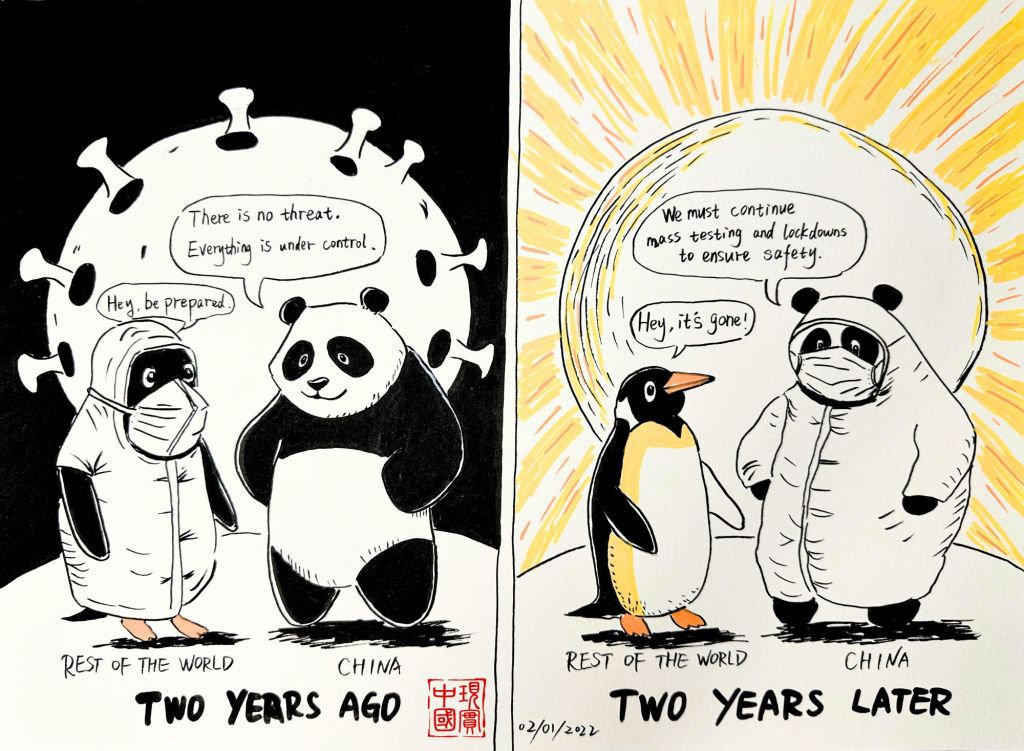
Two Years Ago, You Denied Its Arrival; Two Years Later, You Deny Its Departure

Two Years of Covid-19

I wish I could say “Happy New Year” to my friends in China, but I know they’re not happy under the oppressive regime of mass testing and forced quarantine that keeps them from being together with their families. It’s hard to believe it’s been two years since Wuhan was first locked down on January 23, 2020, just two days before the Chinese New Year. Yet, most of China remains under stringent restrictions.

In the early days of COVID-19, when the world was grappling with the unknowns of a mysterious pneumonia, the Chinese government stood firm in its denial. The virus, according to official statements, was under control, posing no significant threat. Yet, the world watched as the truth seeped through the cracks of censorship, revealing a different, grimmer reality.

Fast forward two years. While most countries have moved past stringent lockdowns, eased social distancing, and lifted mask mandates, China remains an outlier. The once rigid zero-COVID policy has evolved into a relentless regime of mass testing and forced quarantines. The irony is palpable: the same government that initially downplayed the virus now clings to extreme measures, unwilling to acknowledge the global shift towards coexistence with COVID-19.

This persistence in denial, both at the onset and now, illustrates a troubling pattern. It’s a testament to a government’s refusal to adapt, to admit mistakes, or to change course. As the rest of the world breathes a cautious sigh of relief, China’s citizens are left suffocating under a blanket of outdated policies and endless PCR tests.

Two years ago, the virus’s arrival was denied. Two years later, its departure is met with the same resistance. The tragedy lies not only in the missteps but in the stubborn refusal to learn from them.

The Social Distancing Era: How It Has Changed Our Lives

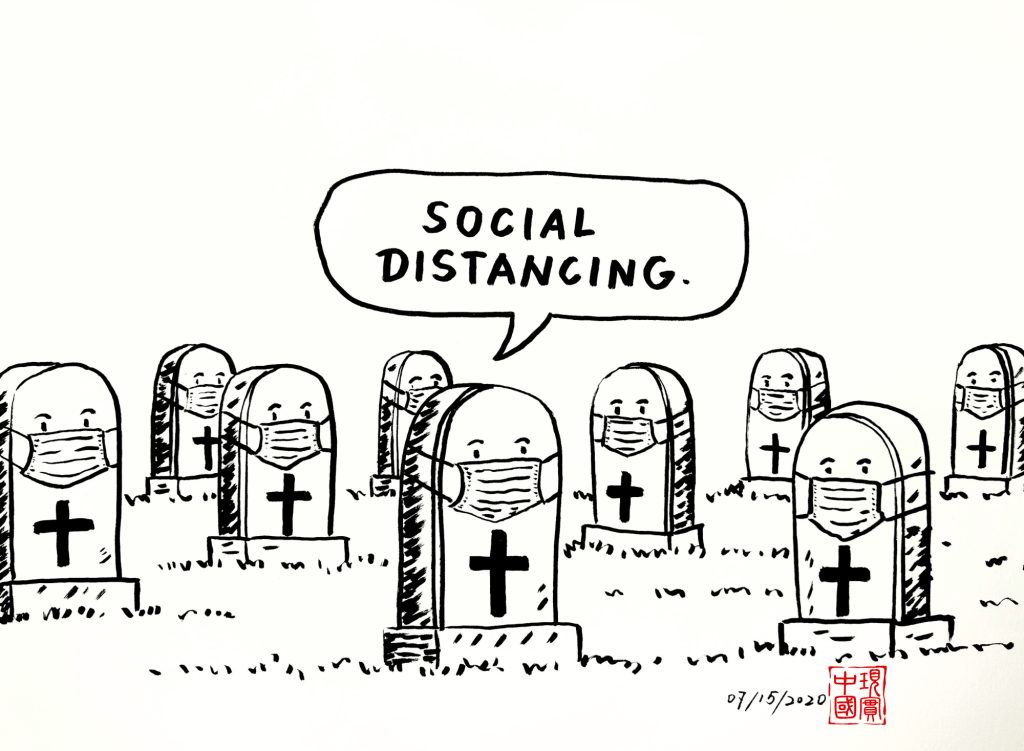
Social Distancing

Social distancing has become a defining feature of our lives, significantly altering our daily routines and interactions. Designed to prevent the spread of the coronavirus, social distancing has turned bustling cities into quiet zones, with empty streets and closed businesses. Parks and playgrounds, once full of life, now stand silent.

Social interactions have been drastically affected. Gatherings with friends and family are rare, often replaced by virtual meetups. Hugs and handshakes are distant memories, replaced by awkward waves and elbow bumps. Celebrations like birthdays and weddings have been postponed or downsized, leading to feelings of loss and isolation.

Education has also shifted dramatically. Schools and universities have moved online, creating challenges for students and teachers. The lack of face-to-face interaction has highlighted the digital divide, leaving many students struggling to keep up.

Remote work has become the norm for many, bringing both flexibility and challenges. The lack of separation between home and work, along with endless virtual meetings, has increased burnout and fatigue.

Mental health has suffered too. The constant uncertainty and isolation have led to higher levels of anxiety and depression, emphasizing the importance of human connection. Even funerals have been affected. Restrictions have prevented loved ones from gathering to grieve together.