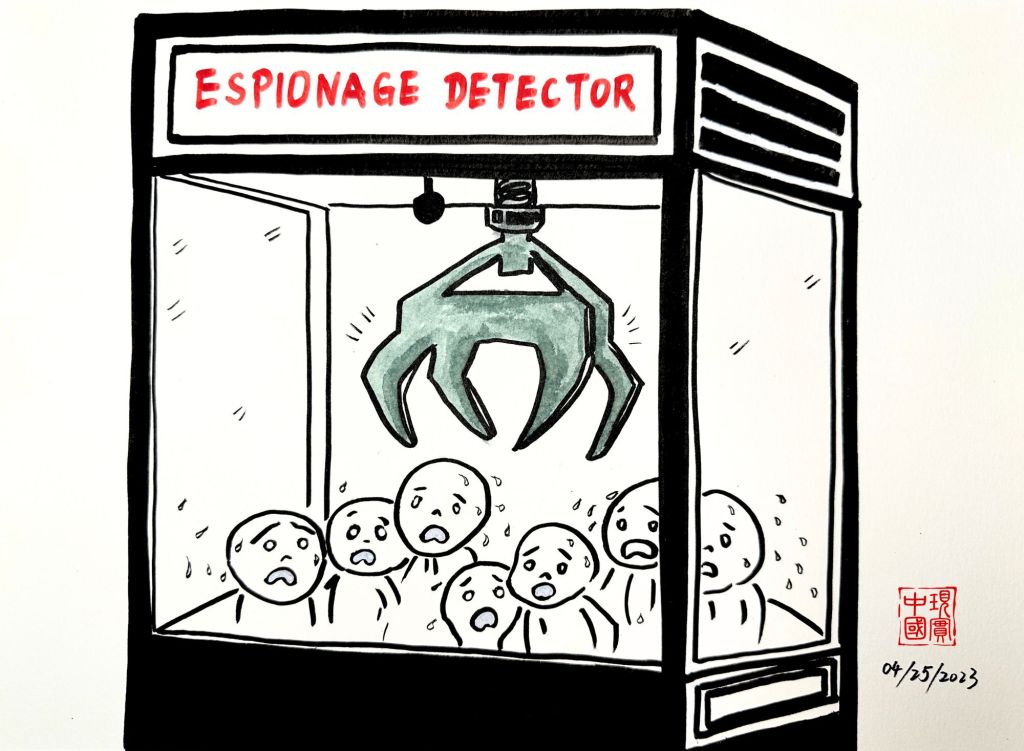
A senior editor from a Chinese Communist Party newspaper, known for his liberal views, is set to face trial in Beijing on espionage charges after being arrested while having lunch with a Japanese diplomat. Dong Yuyu, deputy director of the commentary department and columnist at Guangming Daily, has had extensive interactions with foreigners, including diplomats and journalists, for his writing. His family believes these interactions are now being used against him as evidence of spying for Japan or the US.
Chinese President Xi Jinping has encouraged suspicion of foreign nations, especially the West, and has suppressed liberal views like Dong’s. Dong has contributed to both his own paper and relatively freer Chinese publications, many of which are now banned. He has also written for the New York Times Chinese website. It’s unclear if Dong is being targeted for his liberal views or his foreign contacts, or both. His family, fearing retaliation, has requested anonymity. The only evidence presented so far is his contacts with foreign diplomats and academic scholarships abroad.
Dong was arrested in February last year during a meeting with a Japanese diplomat, who was also detained but released hours later following Japanese government protests. Dong, however, was held in secret for six months before his formal arrest and recent indictment. He faces up to ten years in prison if convicted of espionage, with the trial date unknown and proceedings held in secret.
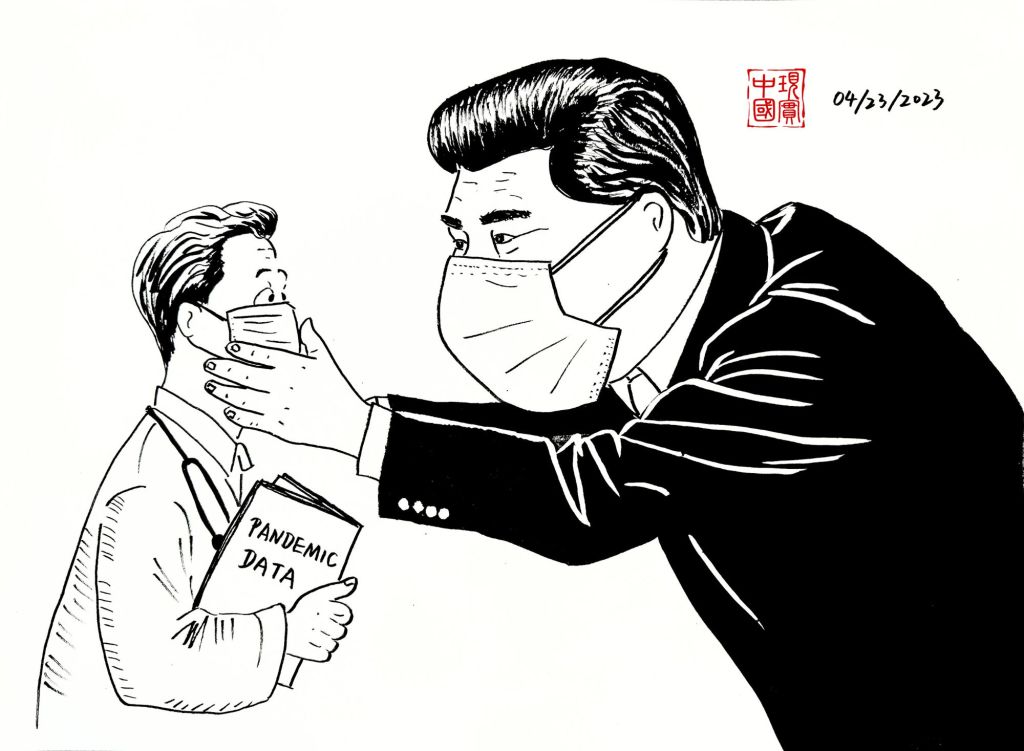
In early 2020, on the same day Covid-19 was officially named, U.S. and Chinese scientists released vital data on the virus’s spread and fatalities. The study, initially seen as a model of international collaboration, was cited globally but quickly retracted, with a message advising against citing it.
While the Chinese government’s suppression of scientists and censorship of pandemic discussions is known, its control over information is deeper than many realize, targeting international journals and databases. Chinese scientists, under government pressure, have withheld data, removed genetic sequences, and altered journal submissions.
Recently, this censorship surfaced when international scientists discovered genetic data from a Wuhan market, collected by Chinese researchers in January 2020 but withheld for three years—an “inexcusable” delay, according to global health officials.
On April 1, Beijing restricted foreign access to the China National Knowledge Infrastructure, limiting insights into Chinese research. Chinese leaders now urge scientists to publish in domestic rather than international journals. This month, Chinese government scientists suggested investigating the virus’s origins outside China, aligning with the disputed claim that the pandemic began elsewhere.
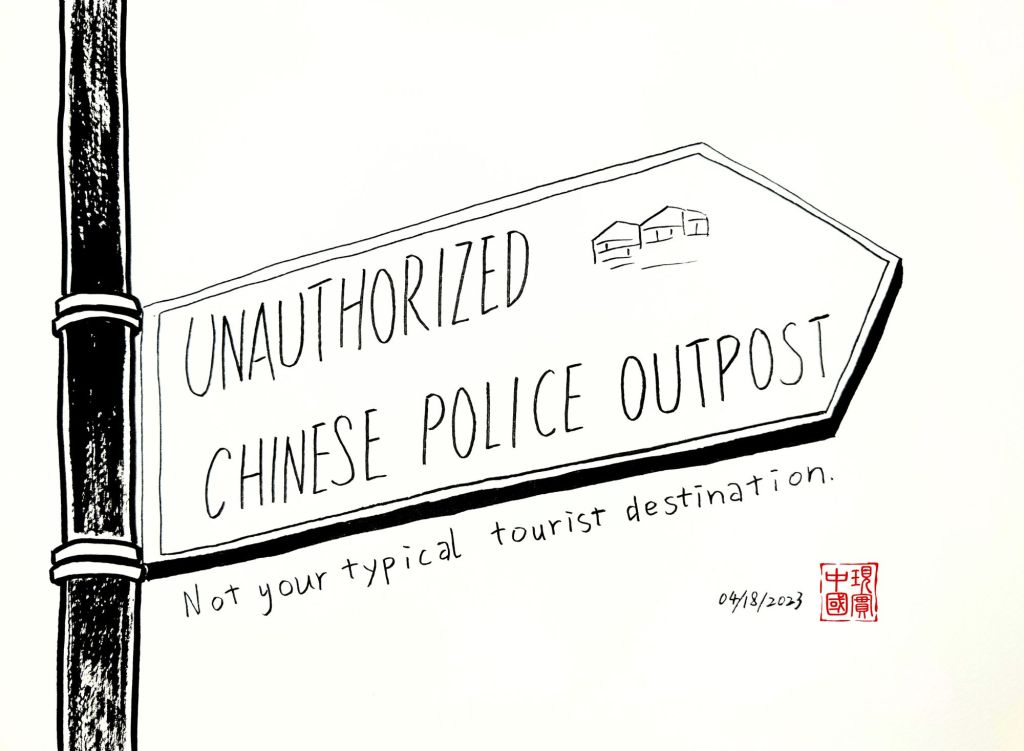
For many years, thousands of New Yorkers and tourists have walked past an unremarkable office building in downtown Manhattan. On Monday, federal prosecutors announced criminal charges against two men accused of running an unauthorized Chinese police outpost in that building. This outpost is one of over 100 worldwide used to intimidate and control overseas Chinese citizens and suppress criticism of the ruling Communist Party.
The two men were arrested on Monday and charged with conspiring to act as agents of the Chinese government and obstructing justice. They allegedly used the police station to intimidate Chinese dissidents living in the United States on behalf of China.
Additionally, charges in two related cases were announced: 34 Chinese police officers are accused of harassing Chinese citizens living in the New York area, and eight Chinese officials are charged with instructing a Zoom employee in China to remove dissidents from the platform.
Court documents state that the Chinese police outpost in Manhattan was overseen by the Fuzhou Public Security Bureau, which is under the Chinese Ministry of Public Security. This is one of numerous such operations around the world that have alarmed diplomats and intelligence officials.
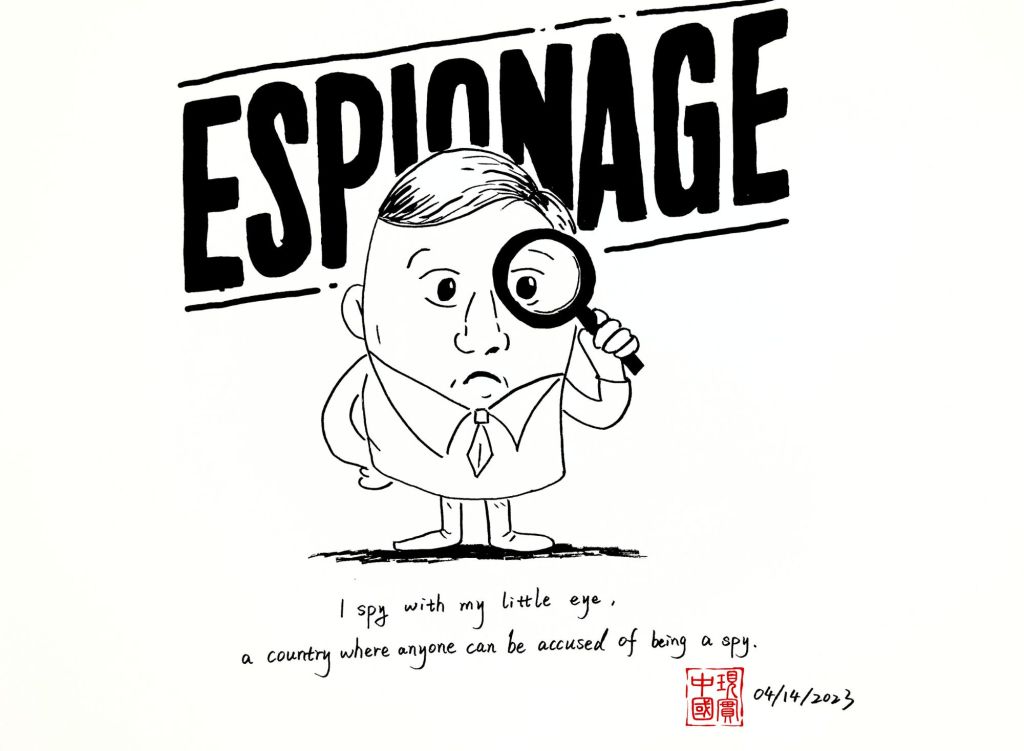
Hideji Suzuki, a Japanese citizen, was sentenced to six years in prison in China for espionage charges and was recently released from prison.
He said the conviction stemmed from a dinner party where he did nothing more than try to chat with a Chinese scholar about North Korean issues.
Since 2015, 17 Japanese citizens have been detained on similar charges, with Suzuki being one of them and the only one to publicly speak about his experience.
While it is difficult to determine the exact number of foreigners imprisoned in China, Beijing seems to have detained an unusually high number of Japanese citizens on espionage charges. Suzuki, a former chairman of a Japan-China friendship organization, was arrested during a trip to China in 2016. Since his first visit to China in 1983, he had visited over 200 times. He said he made many friends among Chinese scholars and senior officials during these visits and even met former Premier Li Keqiang twice. He also taught university courses on China and translated books on the normalization of Sino-Japanese relations after World War II.
However, he said that as China’s vigilance towards foreigners increased, these relationships and experiences made him a suspect. He believes he became a target because the Chinese government is tightening control over academic research on China, leading to the arrest of nearly 20 professors who returned to China after working at Japanese universities.
Suzuki said he was preparing to fly home from Beijing when plainclothes men forcibly pushed him into a van. He was informally detained and interrogated for seven months. During that time, the lights in his room were never turned off, even when he was sleeping; the guards only let him see the sun once for 15 minutes, he said.
When Suzuki was finally tried, the trial was not public and lasted only two days: the charges were read on the first day, and the verdict was announced on the second day. Although he was allowed to appeal, his appeal was rejected.
Japanese analysts attribute the surge in arrests to new national security laws introduced by China in 2014 and 2015. These laws target those seen as foreign spies and their local collaborators, expanding the scope of espionage charges.
The espionage charges against Japanese citizens vary but often seem arbitrary. Chinese law defines what constitutes state secrets broadly, including some information considered harmless in other countries.
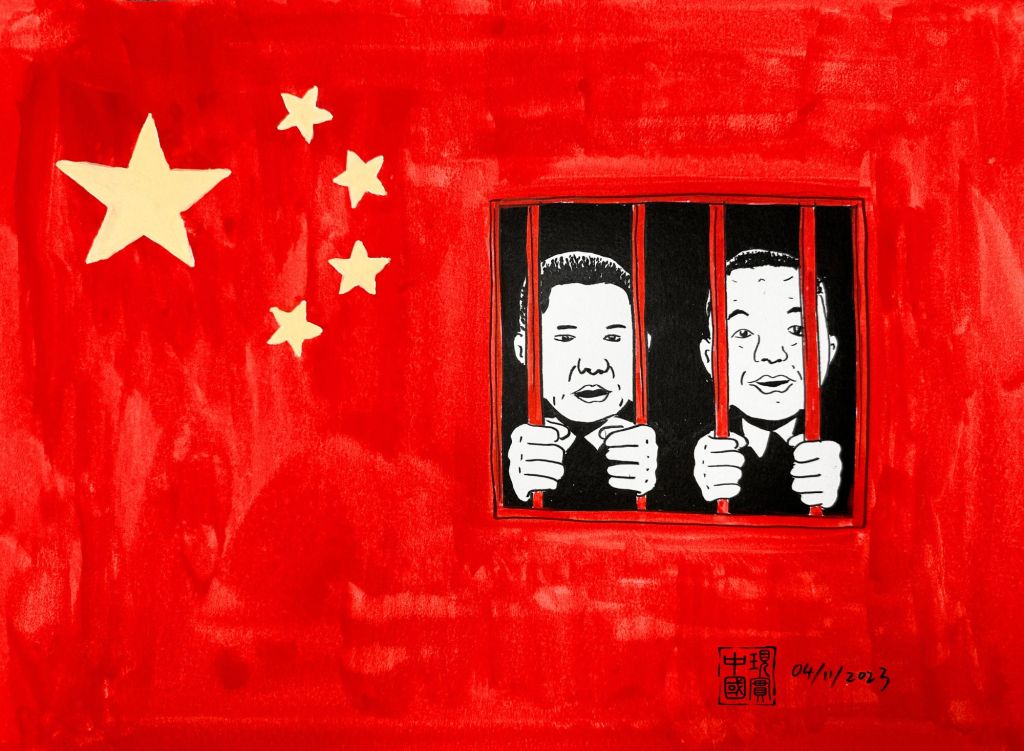
On Monday, two of China’s most prominent human rights lawyers were sentenced to 14 and 12 years in prison, respectively. These are the harshest sentences in such cases in recent years, indicating that the space for free expression has vanished under the leadership of President Xi Jinping. Lawyers Xu Zhiyong and Ding Jiaxi were convicted of subverting state power due to their advocacy for the so-called “New Citizens’ Movement,” which encourages ordinary Chinese citizens to exercise their constitutional rights to freedom of speech and other liberties, at least in theory. They were detained after organizing a gathering of about 20 lawyers and activists in the coastal city of Xiamen in 2019, where they discussed plans to achieve these goals and the future of China’s rights movement.
During his first decade as China’s top leader, Xi Jinping has effectively suppressed the remaining dissent. He has targeted not only activists but also business tycoons, intellectuals, and elite members of the party, with some receiving prison sentences of nearly 20 years. Xi has also expanded internet censorship and demanded loyalty from the media.
The trial was conducted in secret at a court in eastern Shandong province.
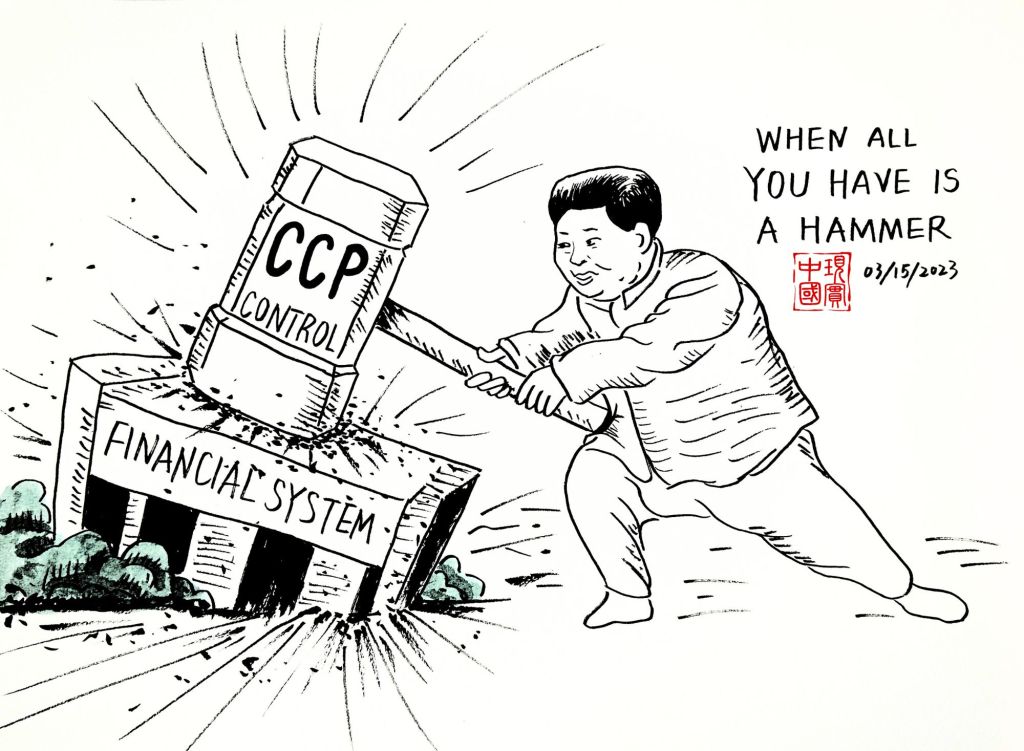
To a man with a hammer, everything looks like a nail. Now, as China faces economic slowdowns, a real estate crisis, and heavy local government debt, Xi is once again wielding his hammer.
At the recent National People’s Congress (NPC), Xi introduced sweeping reforms to China’s regulatory framework, giving the CCP more direct control over financial policy and banking regulation. In the coming days, Xi’s loyalists are expected to be appointed to key regulatory positions, further solidifying CCP’s grip on the financial system.
These reforms align with Xi’s approach over the past decade: centralizing power within the CCP. As China’s economic growth slows, ensuring the financial sector aligns with his vision is crucial. Xi needs bankers to allocate funds according to government directives, prevent capital from flowing abroad, and avoid excessive lending that could jeopardize the financial system.
Last month, China’s top anti-corruption body issued a stern warning to bankers about ignoring the CCP’s leadership in financial work. This warning hints at structural reforms in financial regulation. The establishment of the new National Financial Regulatory Administration to oversee China’s massive financial system marks a significant shift in governance.
Heads are already starting to roll. Bao Fan, a prominent investment banker and chief executive of China Renaissance Holdings, vanished last month. After initially saying that it was unable to contact Mr. Bao, China Renaissance said it had learned that the banker was cooperating with an investigation being carried out by certain Chinese authorities.
By tightening control over the financial sector, Xi is guiding China further away from the market-driven economy that fueled its rise, towards a model where the CCP has an unchallenged influence over all aspects of the economy.
On Friday, Xi Jinping began his new term as President of China, solidifying his position as the country’s most powerful leader in decades.
In 2018, Xi Jinping pushed for a constitutional amendment to remove the two-term limit for the presidency, paving the way for his third term. During that session, three National People’s Congress deputies abstained, and two others bravely opposed the amendment.
Last October, Xi was re-elected as General Secretary. The result of the presidential election, unanimously approved by the legislature controlled by the Chinese Communist Party (CCP), officially confirmed his continued dominance over Chinese politics. He will continue to hold the highest power in the party, military, and government, with no political rivals or prominent potential successors in sight.
As his personal power consolidates, the 69-year-old Xi is positioning himself as the strong leader China needs in a hostile international environment, dismissing criticisms that his authoritarian style is leading the country into more crises.
The CCP’s strict enforcement of the “Zero-COVID” policy has hampered the economy, triggered rare large-scale protests, and heightened investor concerns about China’s long-term growth prospects. Under Xi’s leadership, China’s relations with the West have grown increasingly tense, especially given Beijing’s mounting pressure on Taiwan and its close ties with Russia during the Ukraine war.
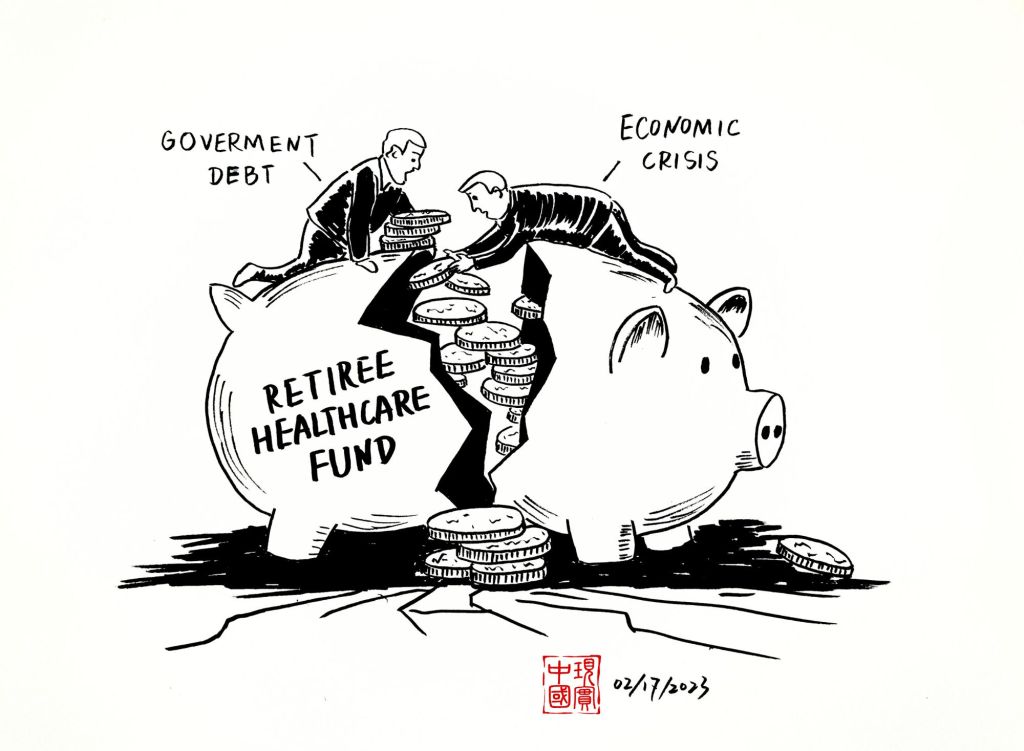
In a surprising turn of events, thousands of retirees in Wuhan gathered outside a well-known park to voice their frustration over recent cuts to their medical insurance. These senior citizens, facing significant changes to their healthcare benefits, took to the streets to confront local officials and police, highlighting the growing financial strain on China’s local governments.
The scene was a testament to the retirees’ determination: elderly citizens chanting revolutionary anthems like “The Internationale” while police set up barricades to manage the crowds. Despite efforts to disperse them, the retirees stood their ground, refusing to be silenced. One eyewitness described police detaining protestors, showing the intensity of the situation.
Local government officials in Wuhan assured the public that these reforms would ultimately lower personal medical expenses by shifting costs to collective funds. However, this means less money in individual accounts, raising concerns about financial security in old age. These changes are part of a broader strategy, but retirees are understandably worried about their future healthcare finances.
With the real estate market in decline and local governments facing financial challenges, the retirees’ protest underscores the growing social tensions in China. Their demand for fair healthcare benefits is a poignant reminder of the struggles many face in their golden years. And if their demands aren’t met, they’ve already vowed to return next week, showcasing their unwavering spirit and determination.
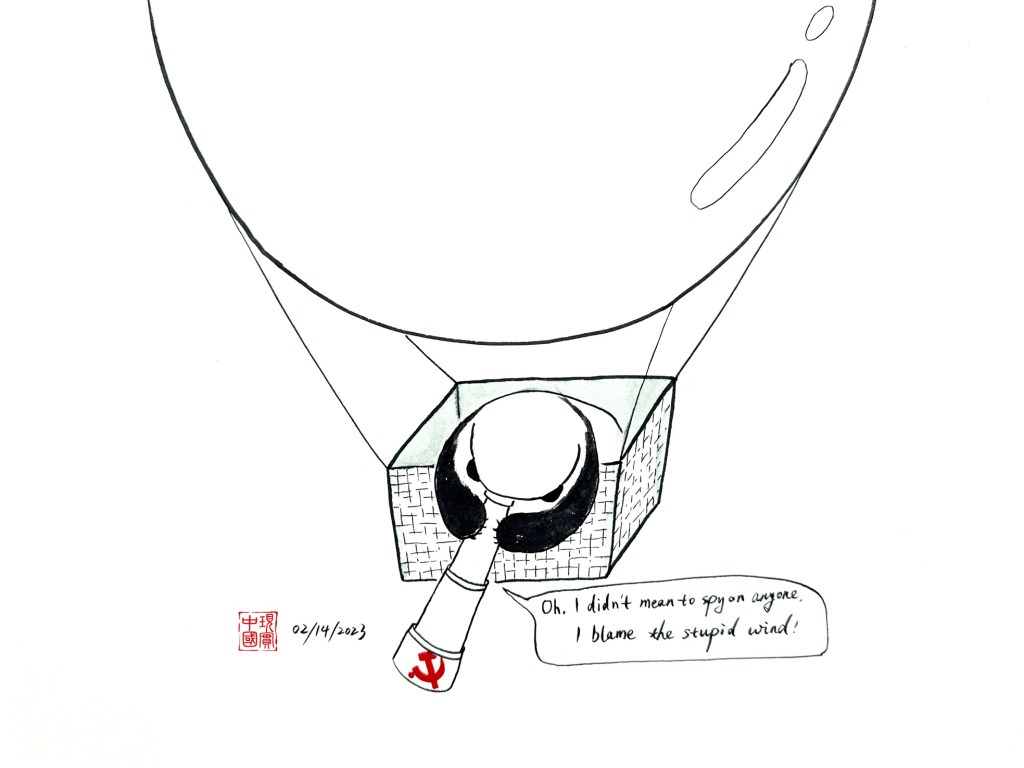
From January 28 to February 4, 2023, a Chinese-operated high-altitude balloon was seen in North American airspace. On Feb 4, it was shot down by U.S. Air Force.
The U. S. government said that balloon carried antennas and other equipment clearly for intelligence surveillance, yet Chinese government insisted it was a civilian meteorological research airship that had blown off course.
Over the past weekend, four more unidentified objects were spotted U.S. and Canadian airspace and were shot down as well. Whether they’re also operated by China is unclear so far.
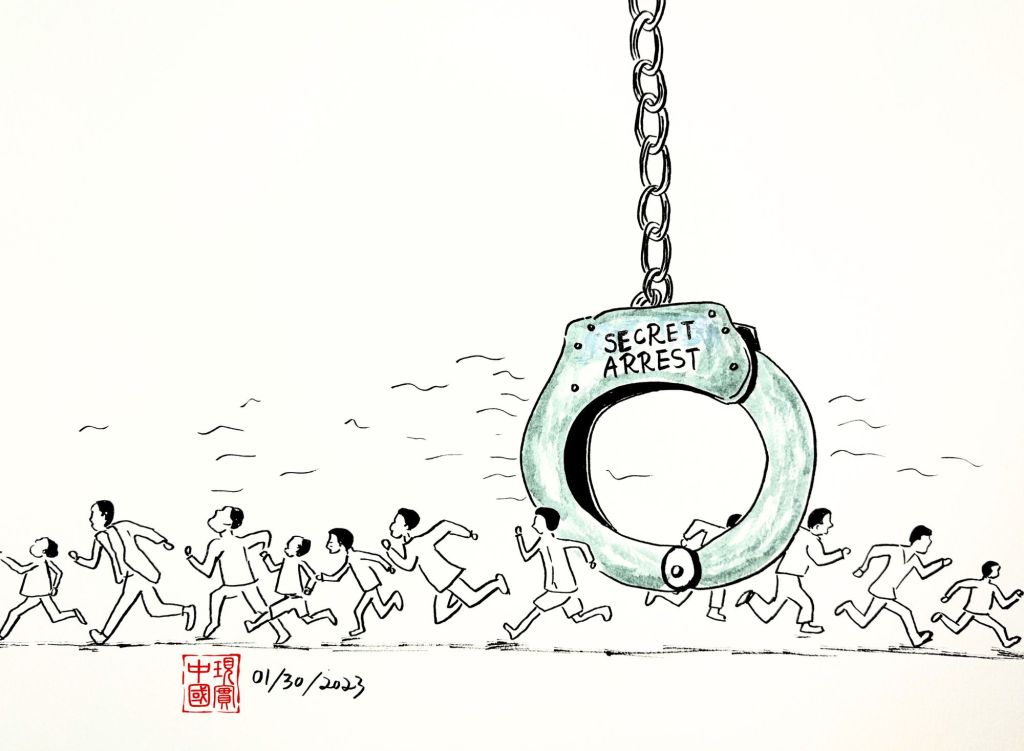
In late November 2022, Beijing saw rare protests against the strict “zero-COVID” policy. The Chinese Communist Party (CCP) quickly responded with its usual tactic of silencing dissent through secret arrests and intimidation, all while attempting to discredit protesters by alleging foreign influence.
The first to be detained were a finance firm employee, a freelance writer, a teacher with a degree in British literature, and an editor at a Beijing publishing house. These four women, friends who shared interests in social issues like feminism and LGBTQ rights, participated in the November protests and were swiftly arrested.
These arrests are part of a broader strategy by the CCP to intimidate and warn those who might be inspired by the recent surge of public discontent. The protests posed a significant challenge to the CCP’s rule and embarrassed President Xi Jinping.
Despite the government’s efforts to keep these actions under wraps, news of the arrests has spread among those involved in the protests. The CCP has avoided officially announcing these arrests to prevent further public outrage but has ensured that the message is clear: even peaceful expression of dissent will not be tolerated, and those who challenge the government face severe personal risks.
The Beijing protests began as a vigil for victims of a deadly fire in Xinjiang, which many blamed on the restrictive “zero-COVID” measures. While initial police response during the protests was relatively restrained, it soon escalated. In the following days, police summoned or visited demonstrators, questioning their participation and connections.
One of the detained women, Cao Zhixin, recorded a video before her arrest, expressing her belief in the right to express opinions even in China. Her case, along with the other three women, has highlighted the personal risks of challenging the government.
Authorities have accused these women of using foreign communication platforms and participating in feminist activities, framing their actions as influenced by foreign forces. The charge of “picking quarrels and provoking trouble,” a vague but commonly used accusation, carries a potential five-year prison sentence.
The CCP’s crackdown on these protesters serves as a stark reminder of the risks of dissent in China. The government’s actions aim to ensure that the recent wave of protests does not inspire further public outcry, using fear and repression to maintain control.
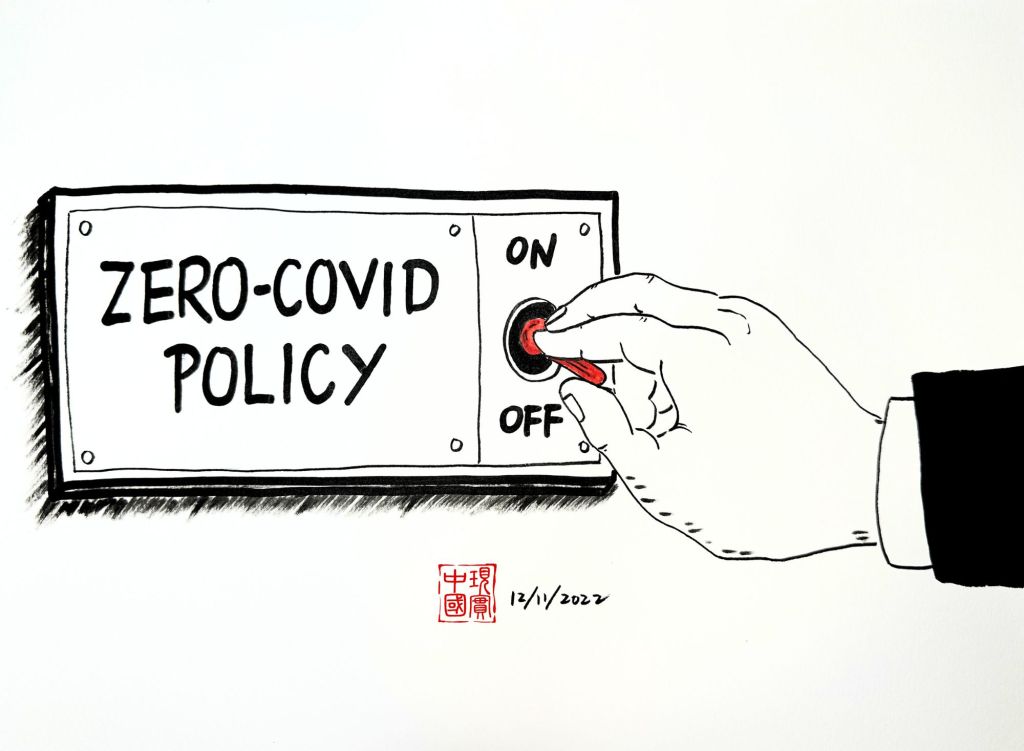
In an abrupt policy shift on December 7, 2022, China announced it would no longer pursue its stringent “dynamic zero-COVID” strategy. The new guidelines, known as the “Ten New Measures,” marked a sudden relaxation of pandemic controls, signaling an end to three years of strict lockdowns. This hasty transition towards living with the virus, however, proved disastrous.
China’s unprepared and ill-conceived abandonment of its strict COVID measures has led to a surge in infections. Hospitals have become overwhelmed, unable to cope with the sudden influx of patients. Instead of carefully planning for a phased reopening, the government’s reckless decision left the population vulnerable and unprotected.
The aftermath of this thoughtless policy change was predictable and preventable. The lack of adequate preparation for such a significant shift revealed a gross negligence on the part of the authorities, demonstrating a blatant disregard for the lives and well-being of its citizens. The government’s dismissive response to the resulting chaos, including the flippant notion of “getting over the peak,” underscores a shocking level of irresponsibility.
China’s handling of this transition from zero-COVID is a stark example of bureaucratic incompetence and indifference. The government’s failure to anticipate and mitigate the repercussions of their decision has inflicted needless suffering on millions. It is a sobering reminder that public health should never be sacrificed at the altar of political expediency.
In November 2022, anti-lockdown protests erupted across China, triggered by stringent COVID-19 measures. Notable incidents included clashes at a Foxconn iPhone factory in Zhengzhou, where workers protested delayed bonuses and poor quarantine conditions. In Guangzhou, residents defied lockdowns, leading to confrontations with authorities.
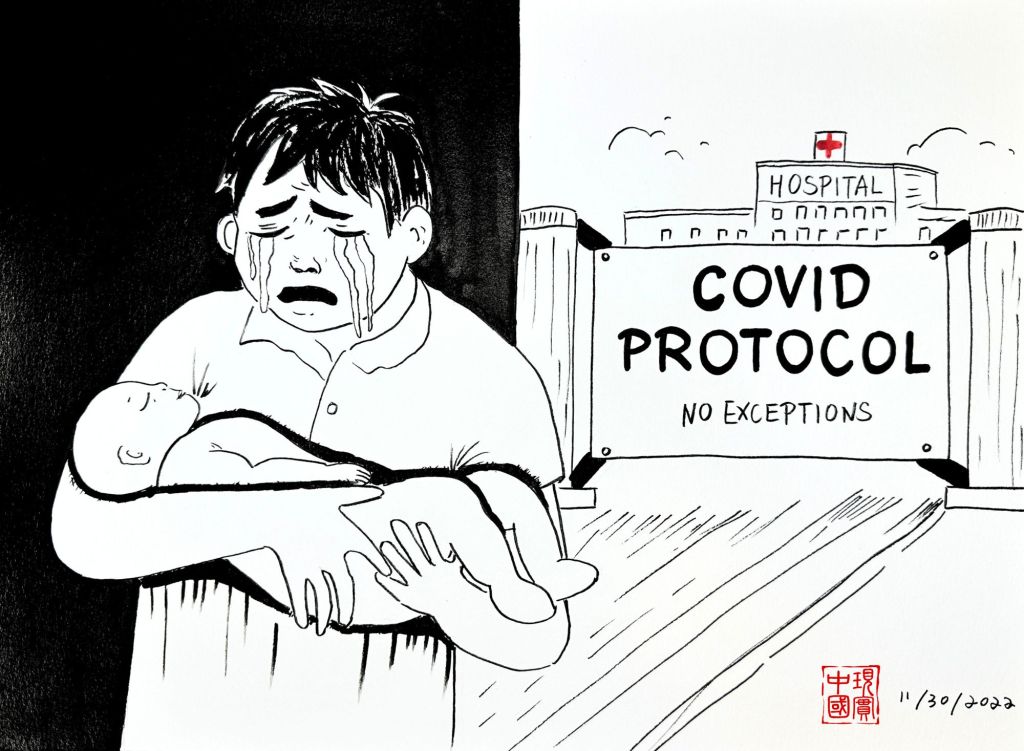
Public anger intensified after a 4-month-old baby’s death due to delayed medical care under COVID restrictions. The baby’s father recounted how emergency services were delayed due to COVID protocols, which significantly hindered timely medical response. Despite eventually arriving, the emergency personnel initially refused to transport the baby to the hospital. The delay resulted in the baby waiting 12 hours for medical assistance, leading to her tragic death.
This incident sparked widespread public outrage and criticism of the “zero-COVID” policy’s severe impact on people’s lives, and posed a significant challenge to Xi Jinping’s leadership.
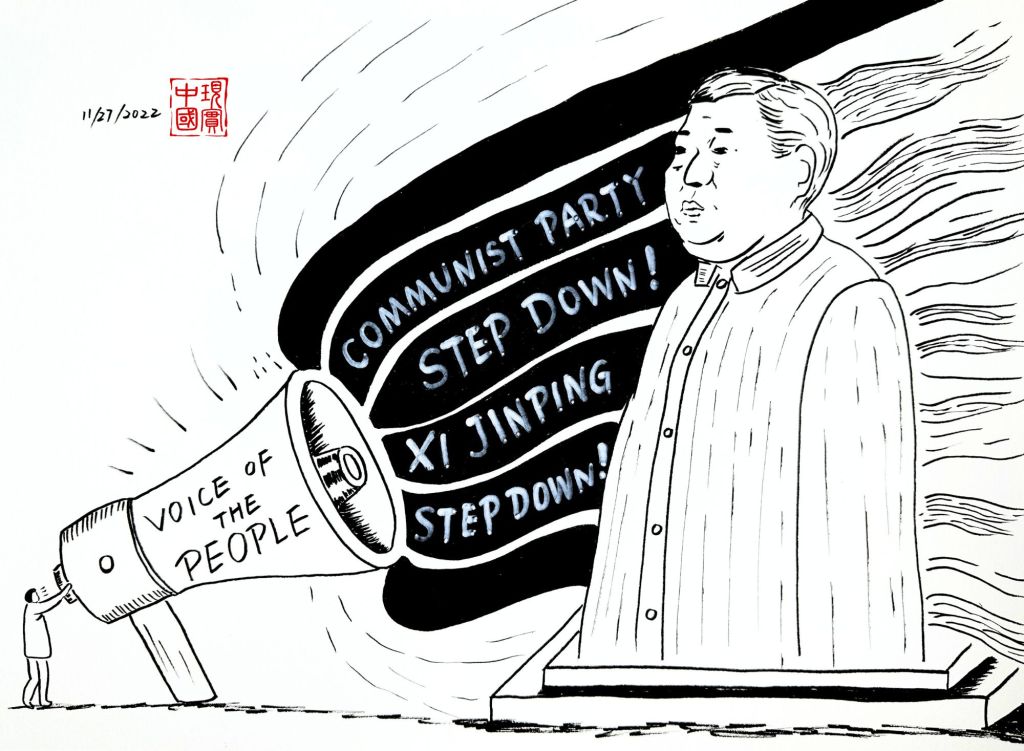
During the spring and summer lockdowns in Shanghai, a young couple refused to go to a quarantine center. When a health worker threatened that it would affect their family for three generations, the young man replied, “We are the last generation.” This statement was seen as an expression of despair. Now, Shanghai’s youth are chanting “We want freedom, we want human rights,” and “Xi Jinping step down, Communist Party step down.” This transformation of grievances into political demands is rare since the 1989 Tiananmen Square protests. The harsh zero-COVID policy of Xi Jinping’s regime has accelerated public resistance.
On November 24, a deadly fire in Urumqi trapped and killed over ten people in their homes. Fire trucks couldn’t get close to the building to extinguish the fire, fueling anger over the zero-COVID policy. The tragedy in Urumqi sparked nationwide protests, led by the youth. In Lanzhou, people overturned COVID testing vehicles, and Nanjing Communication University students gathered to support Xinjiang. The most prominent scene occurred in Shanghai, the economic hub devastated by the lockdown. Videos show that on the night of November 26, predominantly young people gathered on Urumqi Street, laying flowers and candles to mourn the victims. The police confronted them, leading to a standoff. When the police tried to disperse the crowd, the protesters sang “The March of the Volunteers,” China’s national anthem, and chanted “Communist Party, step down! Xi Jinping, step down!”
This scene was unprecedented in China, where anti-government street protests are extremely rare. Despite Xi Jinping reaching the peak of his power at the recent 20th Party Congress, where he eliminated all internal opposition and secured a third term, the Shanghai people demanded his resignation.
The police eventually cleared the area, and videos show people protecting each other and rescuing fellow protesters. Photos shared by the Associated Press show a bus taking away a group of protesters. Although dispersed, their calls for “human rights, freedom” were echoed by students at Peking University and Tsinghua University. In Beijing, protesters at Liangmaqiao chanted slogans in support of Shanghai, and on Sunday, Shanghai residents returned to protest again.
Many wonder why, in such a large country with so many people, there has been compliance with a scientifically unfounded policy solely to satisfy the leader’s will. The answer is fear. Numerous tragedies have occurred this year alone: a nurse in Shanghai was denied emergency treatment at her own hospital, a three-year-old child in Lanzhou died of gas poisoning because his family couldn’t take him to the hospital, and two young women in Guangdong were publicly humiliated for not wearing masks. However, more and more people are refusing to be slaves. The “Superman” hero of Chongqing famously declared, “We have neither freedom nor wealth. We are still struggling with a mild illness.”
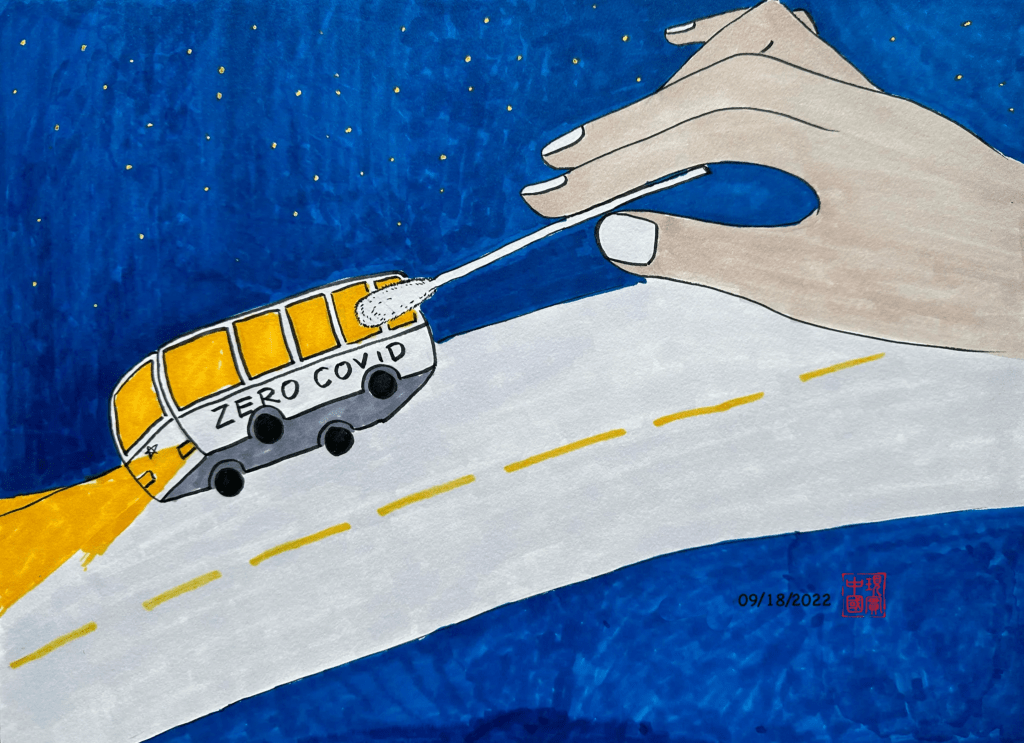
In September, a quarantine bus accident in Guizhou killed 27 people, prompting the cry, “We are all on that bus.” The Urumqi fire, which killed ten people, made many realize they could no longer “sit on the train of enslavement.” Three years of violent zero-COVID policies have led to economic decline and hardship. Many migrant workers are homeless, small businesses bankrupt, and youths have wasted their prime years, suffering humiliation and abuse from health workers.
Observers believe the Chinese people are aware of who is behind the cruel zero-COVID policies. By calling for the Communist Party and Xi Jinping to step down, Shanghai residents have shown their intolerable anger towards tyranny. Protests for human rights and freedom are common in most countries, even in autocratic ones like Russia and Iran. However, in China, these actions come with severe consequences, as evidenced by the continuous arrests by the police.
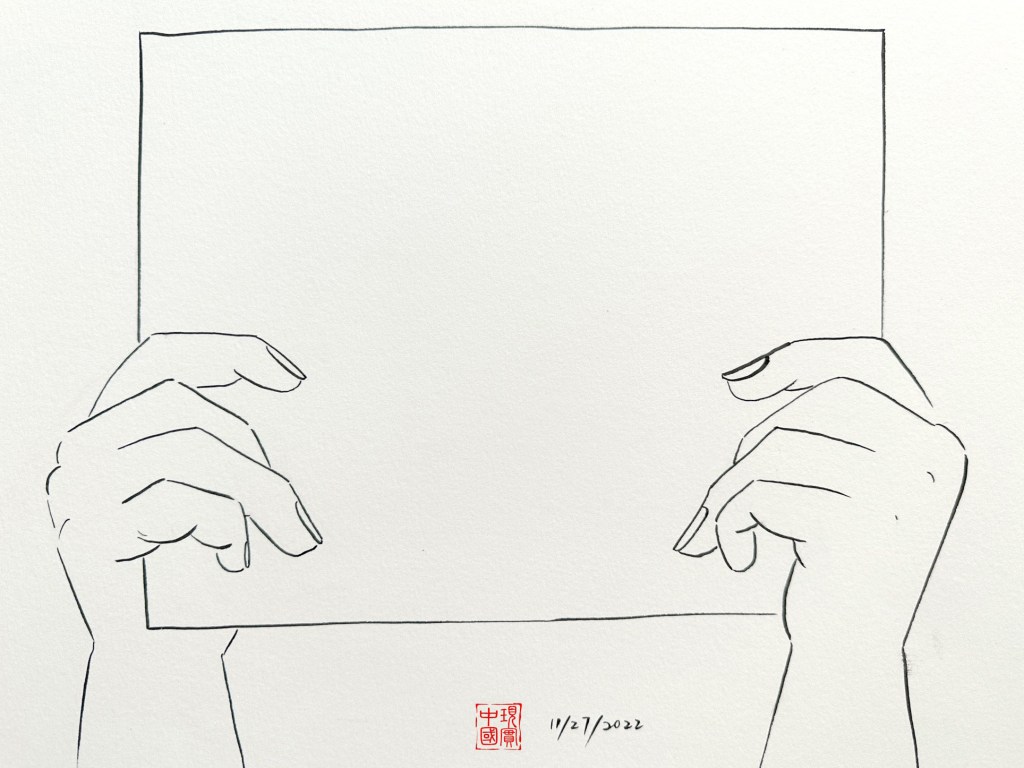
Shanghai’s protests were not isolated, as videos showed solidarity demonstrations in dozens of cities across China on Sunday. In Chengdu, people gathered on Wangping Street and chanted slogans against dictatorship and lifelong rule. Across many places in China, protesters held up blank sheets of paper in silent protest. Some said, “This is our generation’s revolution. We insist on saying what they forbid, insisting on freedom, dignity, and a China that belongs to us!” The blank paper has thus become a symbol of resistance against tyranny.
On November 24th, at least 10 people died in a high-rise fire in Urumqi, the regional capital of Xinjiang. It was widely believed that Covid restrictions prevented the victims from escaping.
As China’s harsh Covid rules extend into the third year, frustration and desperation with lockdowns, quarantines and mass testings that have upended everyday life, have caused anger and defiance across china. This fire in Urumqi has pushed people’s anger even deeper. For the past a few days, demonstrators appeared in cities and on college campuses, most of them holding a blank sheet of A4 paper, a symbol of protest against Covid policies or even denouncing the Communist Party and its leader, Xi Jinping.
There is definitely nothing on the paper, but we know what’s on there. Leaving things unsaid, a sheet of blank paper expresses even more than words can do. It represents everything we want to say but cannot say.
A bus transporting 47 people from the city of Guiyang to a quarantine facility rolled over around 2:40 am on September 18th, killing at least 27 of them. While the rest of the world moves toward living with the virus, China still have mass quarantines lockdowns under its “Zero Covid” policy which ordinary Chinese people are powerless to resist. Angry comments and large outpourings of public grief were censored.


 The Truth Of China