China has approved a plan to raise its statutory retirement age for the first time since the 1950s, addressing the challenges of its aging population. Starting on January 1, 2025, the retirement age will increase gradually. Men, who could previously retire at 60, will see their age rise incrementally to 63 by 2040. For women in white-collar jobs, the retirement age will increase from 55 to 58. Women in blue-collar jobs, previously able to retire at 50, will now work until 55. Although necessary, the changes have been met with resistance from the public.
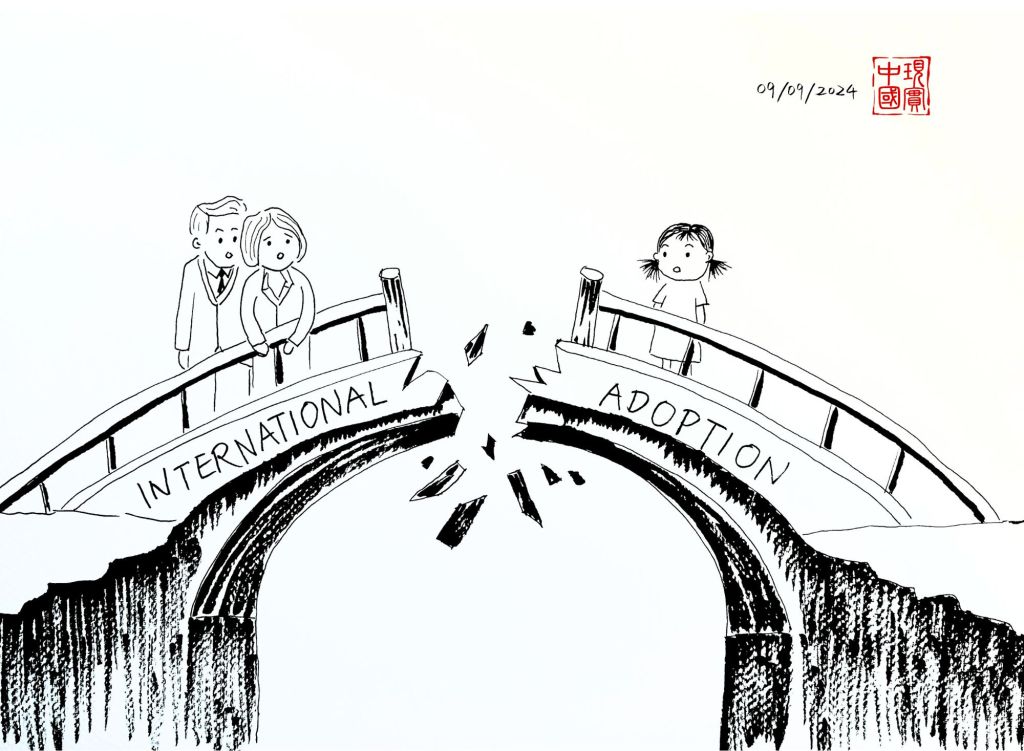
China has officially ended most foreign adoptions, closing a significant chapter that spanned over three decades. During this time, tens of thousands of children were sent overseas for adoption, largely due to the country’s one-child policy, which led many families to abandon their babies. The Chinese government stated that this decision aligns with global trends, signaling a shift in the country’s approach to international adoption.
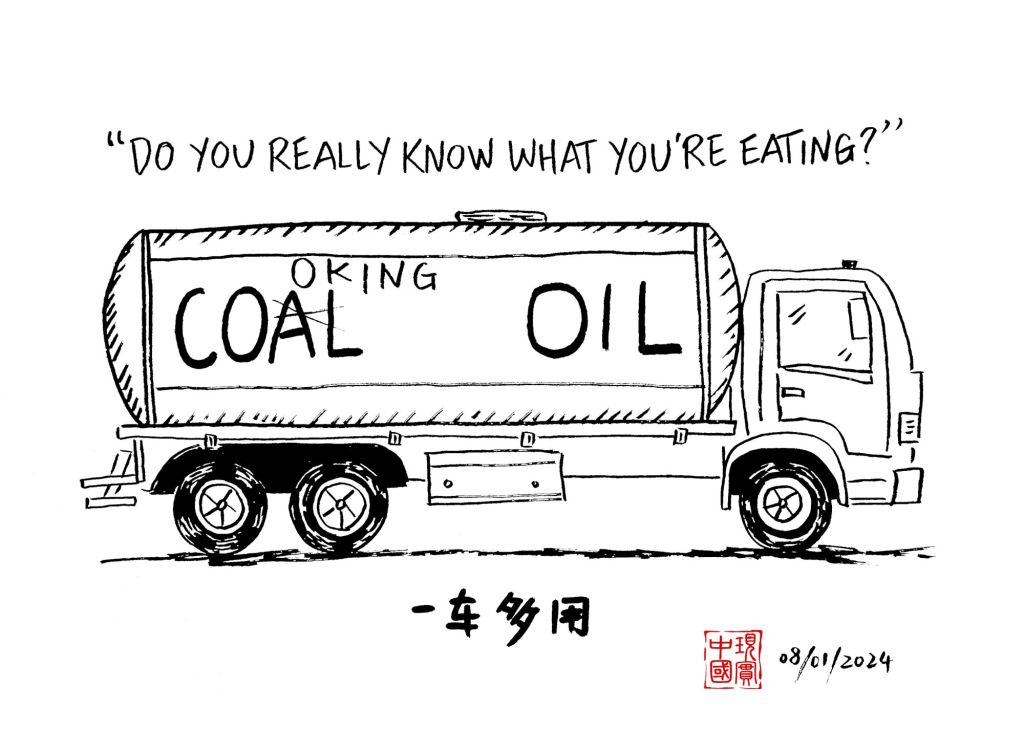
In July, The Beijing News, one of China’s most daring newspapers, released a shocking report that has sent ripples across the nation. The article revealed an alarming practice witnessed by their reporter: a tanker truck that had just delivered coal oil was immediately loaded with soybean oil. This incident, which occurred in late May in Yanjiao, Hebei Province, just a stone’s throw from Beijing, has raised serious concerns about food safety and industry practices.
Several truck drivers, interviewed for the report, disclosed a disturbing norm: before these tankers are used to transport edible oil, syrup, or other consumable liquids to wholesalers and businesses, they are typically not cleaned. Cleaning the tank, they explained, would take several hours and cost at least three to four hundred Chinese Yuan (~ 50 USD). Consequently, to save time and money, companies often skip this crucial step, potentially compromising the safety and purity of the food products being transported.
This revelation underscores a significant gap in regulatory oversight and the need for stricter enforcement of hygiene standards in the food transportation industry. As consumers, it is imperative to question and demand transparency about the safety protocols in place to ensure that the food reaching our tables is not tainted by such hazardous practices.
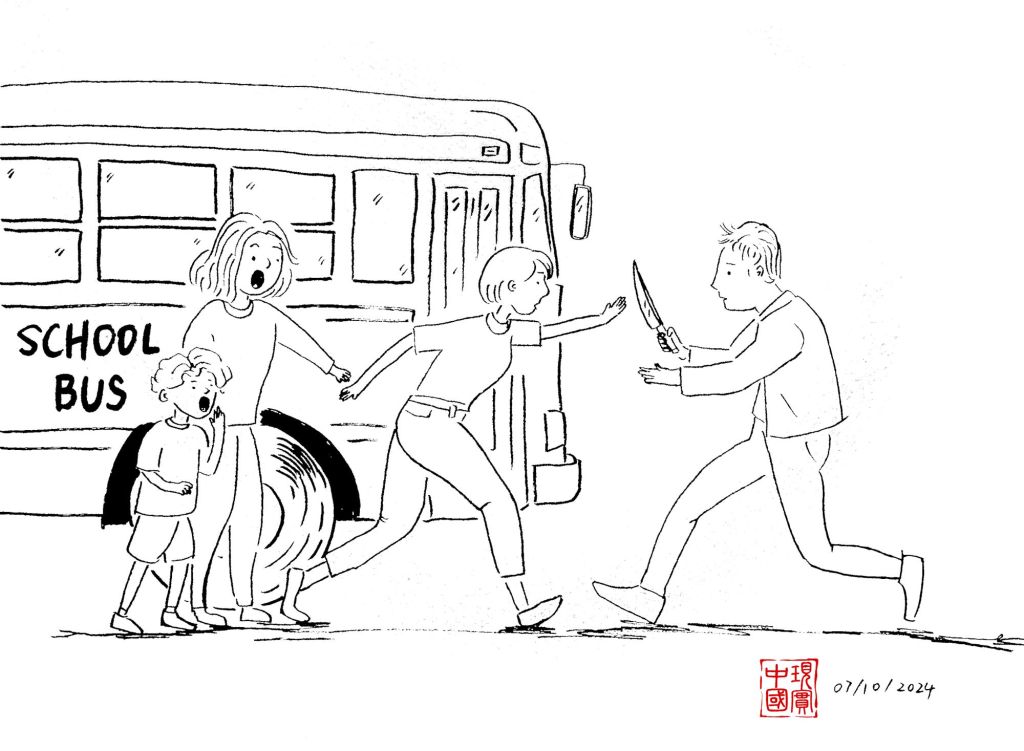
In a recent incident in Suzhou, China, a Japanese mother and her child were attacked by a man wielding a knife while they were waiting for a school bus. The attacker, a Chinese national identified as Zhou, also critically injured a Chinese woman, Hu Youping, who intervened to protect the mother and child. Despite her brave efforts, Hu succumbed to her injuries a few days later.
The attack occurred on June 24, 2024, near a bus stop serving the Suzhou Japanese School. The Japanese mother and her child suffered non-life-threatening injuries and were treated at a hospital. The suspect was detained at the scene, and the motive for the attack remains unclear.
The Japanese Embassy in Beijing has urged Japanese nationals in China to take precautions due to a rise in such incidents.
The Chinese Foreign Ministry has expressed regret over the attack and emphasized its commitment to ensuring the safety of all foreigners in the country.
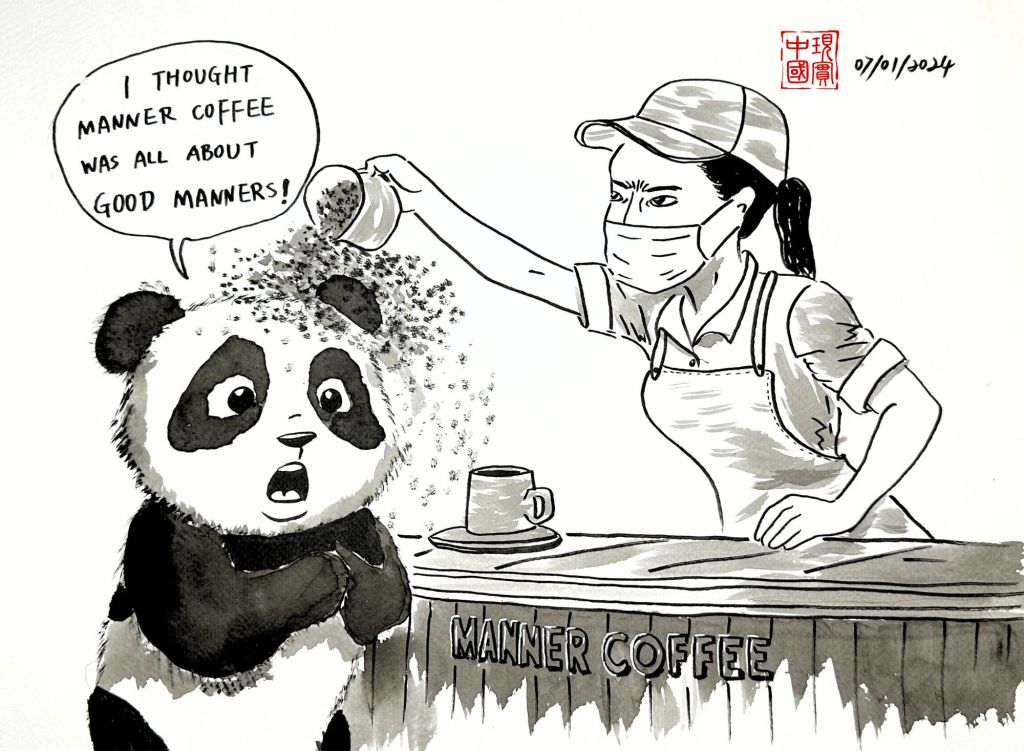
Who knew a trip to Manner Coffee on Shanghai’s Weihai Road could turn into such a spectacle? On June 17, in the latest episode of “Customer Service Gone Wild,” an impatient customer and a stressed-out barista clashed over the issue of service speed. Naturally, the customer threatened to complain—because what else are you going to do when your caffeine fix is delayed?
But hold on to your coffee cups, folks! The barista, clearly having a day that could rival a soap opera, decided to spice things up by hurling coffee grounds at the customer. Talk about a special blend!
This dramatic encounter, captured on video and now the toast of social media, has everyone buzzing. People are calling for the employee’s head on a platter and demanding Manner Coffee teach their staff how to handle complaints without resorting to food fights. As the video continues to brew online, it’s a vivid reminder that a little patience and professionalism can go a long way—especially when coffee is involved.
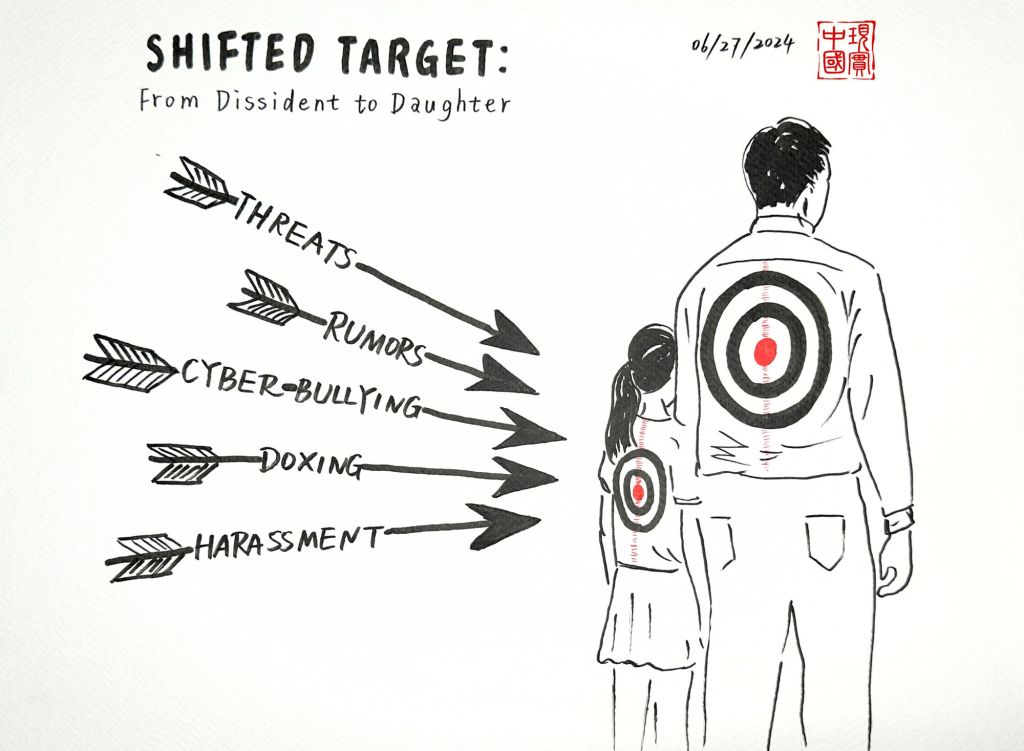
Living in the suburbs of Philadelphia, the prominent Chinese exile writer Deng Yuwen frequently criticizes China and its authoritarian leader, Xi Jinping. Recently, China’s response has been severe, launching aggressive and malicious attacks against his daughter online.
Research by Clemson University and Meta, the parent company of Facebook and Instagram, reveals that a secret propaganda network, possibly linked to China’s security apparatus, has targeted Deng Yuwen and even his teenage daughter on popular social media platforms. These attacks involve posts filled with sexual innuendos and threats, posted by fake identities. They appear in replies to Deng’s posts on platform X and comments on public school accounts in his community, falsely accusing his 16-year-old daughter of drug use, arson, and prostitution.
“Blocking isn’t effective,” Deng Yuwen remarked in an interview about the relentless online assaults. “Today you block it, tomorrow it resurfaces under a new alias.”
Researchers note that crude comments targeting Deng’s daughter have also appeared on Facebook community pages, as well as platforms like TripAdvisor, local news site Patch, and school rating site Niche. This harassment fits a pattern of cyber intimidation that has raised alarms in Washington, Canada, and beyond, highlighting China’s increasingly brazen attacks abroad.
For Deng Yuwen and his family, these attacks represent an escalation. Despite federal laws prohibiting severe online harassment or threats, China’s actions continue unchecked, reflecting a growing concern over its global influence and tactics aimed at stifling dissent, even beyond its borders.
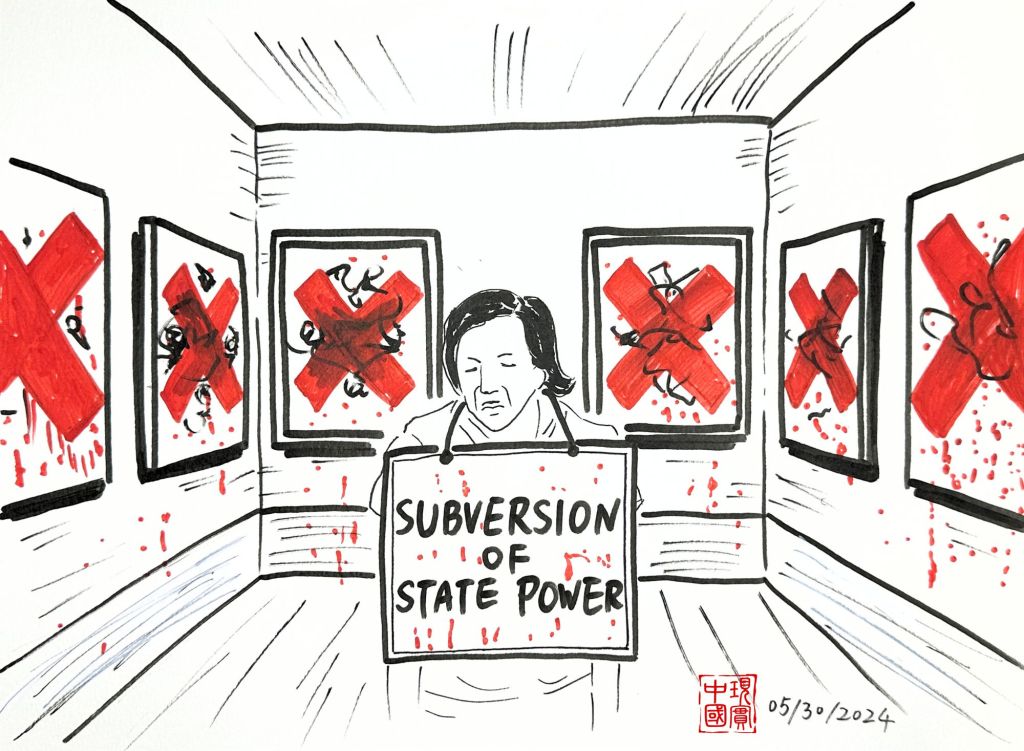
On Friday, a court in southern China sentenced prominent feminist journalist Huang Xueqin to five years in prison for inciting subversion of state power, marking Beijing’s latest crackdown on civil society. Labor activist Wang Jianbing received a three-year, six-month sentence on the same charge. Their activities leading to arrest and conviction included organizing discussions, supporting other activists, and receiving overseas training. Experts note the severity of these legal actions, even by Chinese standards, signaling a shrinking space for independent social discourse. Huang, once a vocal figure in China’s #MeToo movement and later a writer on Hong Kong protests, and Wang, an advocate for worker and disability rights, faced prolonged detention before a brief trial last September. Critics argue these cases reflect broader suppression of topics like women’s and workers’ rights under increasingly expansive interpretations of “threats to public order.”
Human Rights Watch stated today that since June 12, 2019, when Hong Kong citizens took to the streets in a months-long democratic protest, the Chinese government has continued to stifle basic freedoms in the city. Government data shows that over 10,000 protesters have been arrested, with 2,910 facing charges and 1,475 convicted.
Governments worldwide should hold accountable Hong Kong and Chinese officials responsible for human rights abuses, including imposing sanctions such as asset freezes and travel bans.
“In five years of Hong Kong’s struggle, the government has not apologized or held the police accountable for abuses; instead, officials involved in the crackdown have been promoted to leadership positions,” said Wang Songlian, Acting China Director at Human Rights Watch. “Criticism of the police or seeking justice can now lead to imprisonment in Hong Kong.”
The proposed extradition bill in February 2019 sparked massive peaceful protests, with over a million people demonstrating on June 9 against its passage. By June 12, tens of thousands had gathered around the Legislative Council, occupying nearby streets. Police responded with tear gas, beanbag rounds, and rubber bullets, injuring dozens. Former Chief Executive Carrie Lam condemned the protests as “riots.”
Over the next six months, Hong Kong saw daily protests demanding the withdrawal of the extradition bill, an end to the riot classification, dropping charges against protesters, an independent inquiry into police misconduct, and genuine universal suffrage.
While the extradition bill was withdrawn, none of the other demands, including investigation into police violence, were met. Protests spread across Hong Kong, involving people from all walks of life. The largest protest on June 16, 2019, drew an estimated two million people in a city of seven million.
Hong Kong police increasingly used excessive and indiscriminate force against largely peaceful protesters, violating international human rights standards. They fired pepper balls, tear gas canisters, and rubber bullets, including shooting at close range, causing injuries like blindness.
Police actions included firing tear gas in subway stations and malls, assaulting protesters’ heads, chasing crowds in ways that risked stampedes, driving vehicles into crowds, and unnecessarily tackling protesters including pregnant women, children, and the elderly.
As of June 2024, China and Hong Kong have employed various tactics to suppress civil liberties, including enacting stringent national security laws, arresting and prosecuting elected legislators, dismantling civil society organizations and independent unions, and shutting down pro-democracy media.
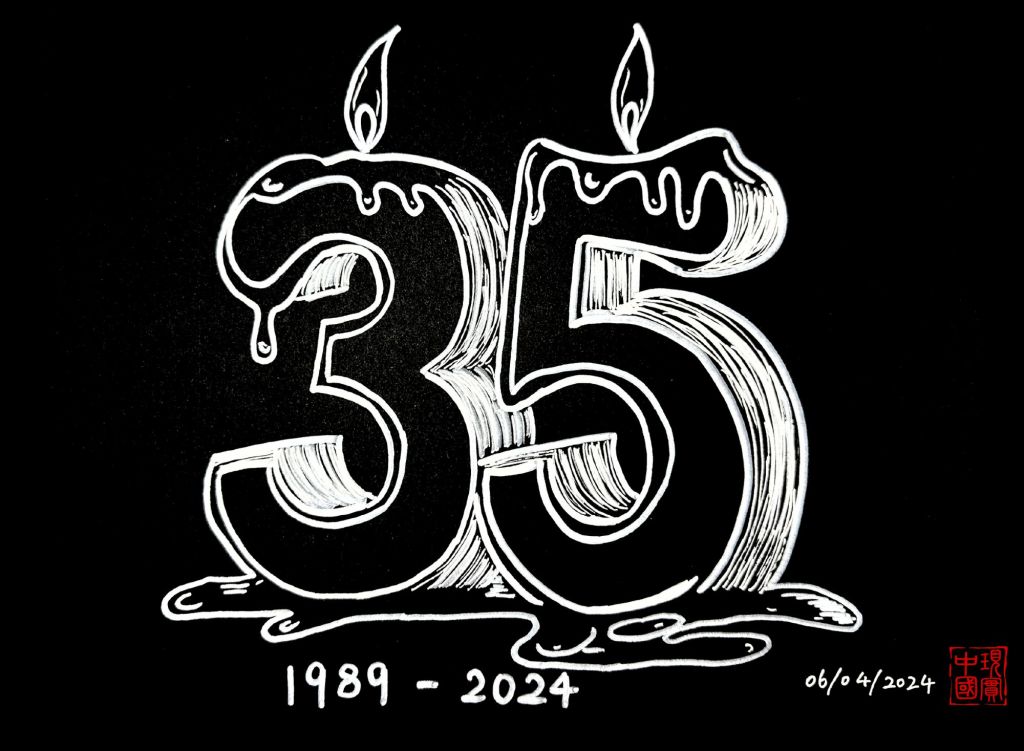
As we mark the 35th anniversary of the Tiananmen Square massacre, it’s a somber moment to reflect on a pivotal event in modern history. On June 4, 1989, peaceful protests in Beijing demanding democratic reforms met a tragic end as Chinese authorities cracked down with force, resulting in countless deaths and injuries.
The memory of those brave individuals standing for freedom and democracy resonates globally, reminding us of the enduring struggle for human rights. Despite efforts to suppress the truth, the spirit of Tiananmen lives on through the courage of those who continue to seek justice and accountability.
In a landmark ruling on Thursday, a Hong Kong court sentenced dozens of prominent democracy activists and leaders to potential life imprisonment, marking a severe crackdown under Beijing’s imposed national security law. The charges stem from organizing primary elections to enhance their chances in city-wide elections, deemed by authorities as a conspiracy to subvert state power.
Among the convicted are figures like legal scholar Benny Tai and protest leader Joshua Wong, whose activism symbolized Hong Kong’s vibrant political landscape. The verdict underscores Beijing’s use of broad powers to suppress dissent, turning these activists into political prisoners, some of whom were lawmakers since Hong Kong’s handover to China in 1997.
Most of the defendants have spent at least the last three years in detention ahead of and during the 118-day trial. It highlight a fundamental shift in Hong Kong’s political environment, where even mild opposition activities are no longer tolerated. Critics argue that the government’s prosecution of nonviolent electoral preparations undermines the city’s once-celebrated judicial independence and freedom of elections.
As Hong Kong faces its most significant political challenge in decades, international observers view these trials as a litmus test for Hong Kong’s judicial independence and fear a chilling effect on free speech and dissent.
Renowned mainland dissident artist Yan Zhengxue passed away early Tuesday morning in Beijing at the age of 80. Yan, a staunch advocate for vulnerable communities’ rights, faced forced labor, secret detention, and a three-year prison sentence in 2006 for “inciting subversion of state power.” His sculptures, including one of Lin Zhao, executed during the Cultural Revolution, were deemed too sensitive for public display, shrouded in curtains during exhibitions. Despite government suppression, Yan’s art persisted, urging remembrance of China’s tumultuous political history. His passing marks a solemn moment for free expression advocates, echoing the enduring resilience of artists under authoritarian regimes.
In a Beijing police station, walls are covered with papers, each representing a building in a large residential area. These papers list residents’ names, phone numbers, and other details, with color codes indicating their risk levels. Green means safe, yellow means to be watched, and orange signifies strict monitoring. A police officer marked a third-floor apartment in yellow, noting its high turnover and labeling it as “high risk” for follow-up.
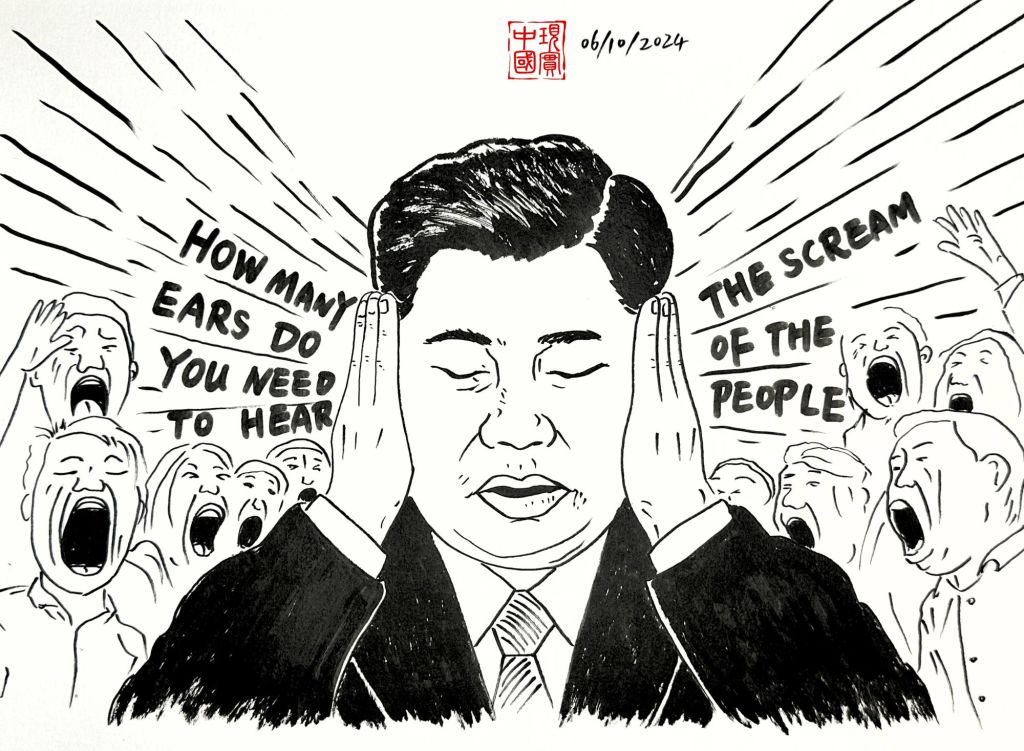
This meticulous surveillance is a cornerstone of Xi Jinping’s grassroots governance strategy: more visible, invasive, and vigilant against real or perceived threats. Police officers immerse themselves in communities, understanding neighborhood disputes and recruiting retirees as extra eyes and ears. Employers are required to appoint “security advisors” to report regularly to the police.
Historically, the Chinese Communist Party (CCP) has implemented extensive surveillance on activists and dissenters. During the COVID-19 pandemic, this surveillance expanded to track nearly every urban resident. Xi Jinping aims to make this control permanent, embedding the Party deeply into daily life to prevent any disruptions, no matter how minor or non-political.
This approach, known as the “New Era Fengqiao Experience,” revives a method from Mao’s era where citizens were mobilized to publicly shame and control class enemies. Xi frequently references Fengqiao to highlight the Party’s commitment to addressing people’s needs, despite suppressing free speech and dissent.
This strategy aims to strengthen Beijing’s ability to quash dissent amid growing economic challenges and social unrest, solidifying the Party’s control and extending its reach into every aspect of citizens’ lives.
Last Tuesday, the UK Foreign Office summoned the Chinese ambassador for a formal rebuke following the arrest of three men accused of aiding Hong Kong intelligence and raiding a residence.
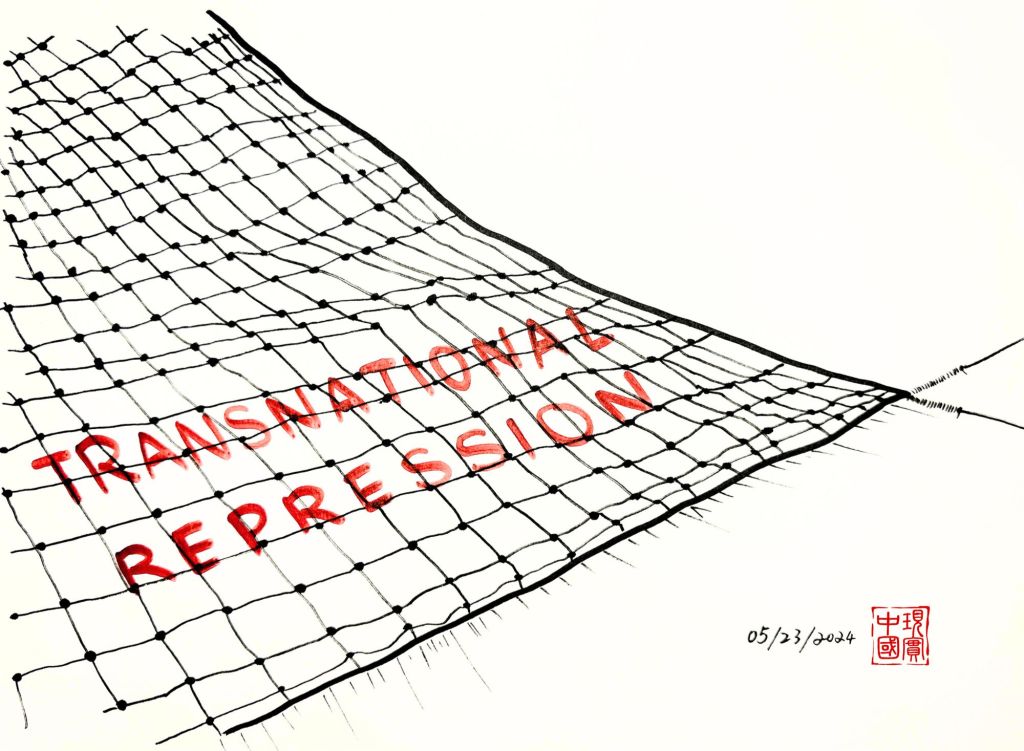
The Foreign Office condemned China’s recent actions, including offering rewards for information on dissidents settled in the UK and elsewhere. While the trial is ongoing, these arrests have spotlighted “transnational repression,” where authoritarian regimes monitor, harass, or attack their citizens abroad.
Transnational repression isn’t new but is increasingly prevalent. Globalization and the internet facilitate activism among exiles while enabling authoritarian regimes to suppress diaspora political activities more effectively.
Today, it remains a favored tool. Chinese students abroad report a climate of fear due to government intimidation. Governments now see overseas dissidents as potent threats due to their ability to influence from afar. This has led authoritarian regimes to share suppression tactics and increase cooperation, putting more lives at risk.
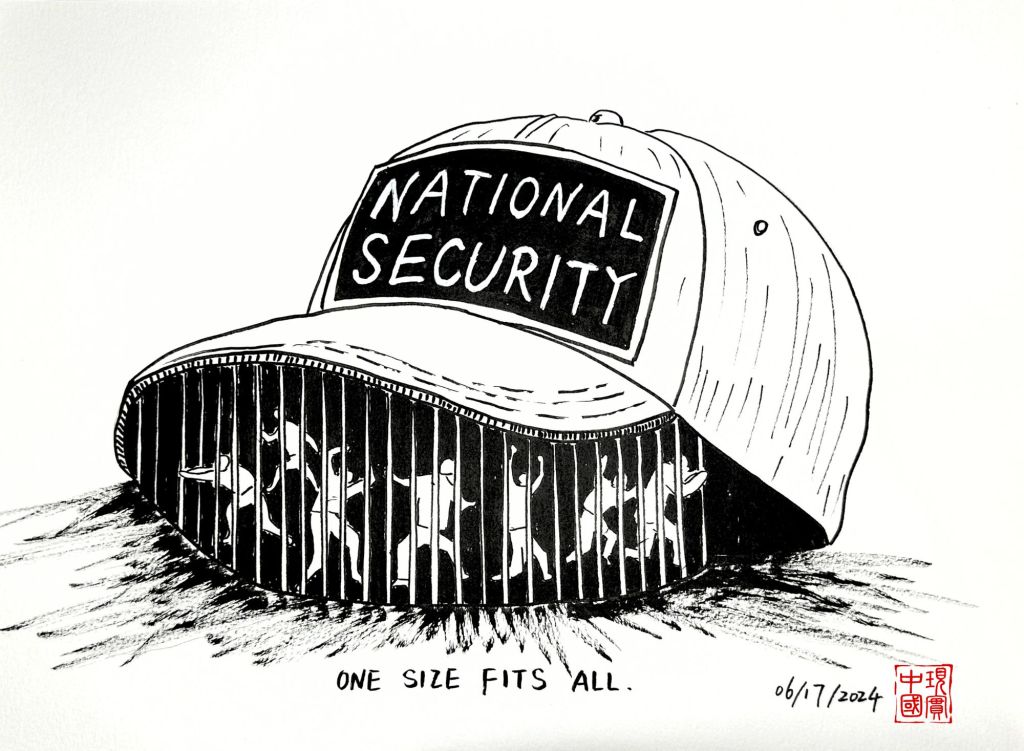
The Beijing-controlled Legislative Council in Hong Kong passed a new security law on March 19, 2024, that eliminates the last vestiges of fundamental freedoms in the city. The Safeguarding National Security Ordinance punishes peaceful speech and civil society activism with heavy prison sentences, expands police powers, and weakens due process rights. Because provisions apply to Hong Kong residents and businesses anywhere in the world, the law can silence dissent both in the city and globally.
Human Rights Watch condemned the rushed legislative process, where legislators spent a mere 39 hours reviewing a 212-page draft without proposing any amendments. The law takes effect on March 23, 2024, marking a new era of comprehensive oppression in Hong Kong.
“This law will subject Hong Kong to unprecedented levels of repression,” said Elaine Pearson, Asia director at Human Rights Watch. Even possession of books critical of China could now lead to lengthy imprisonment. The law criminalizes acts like subversion, secession, espionage, and foreign interference, violating international human rights standards enshrined in Hong Kong’s Basic Law.
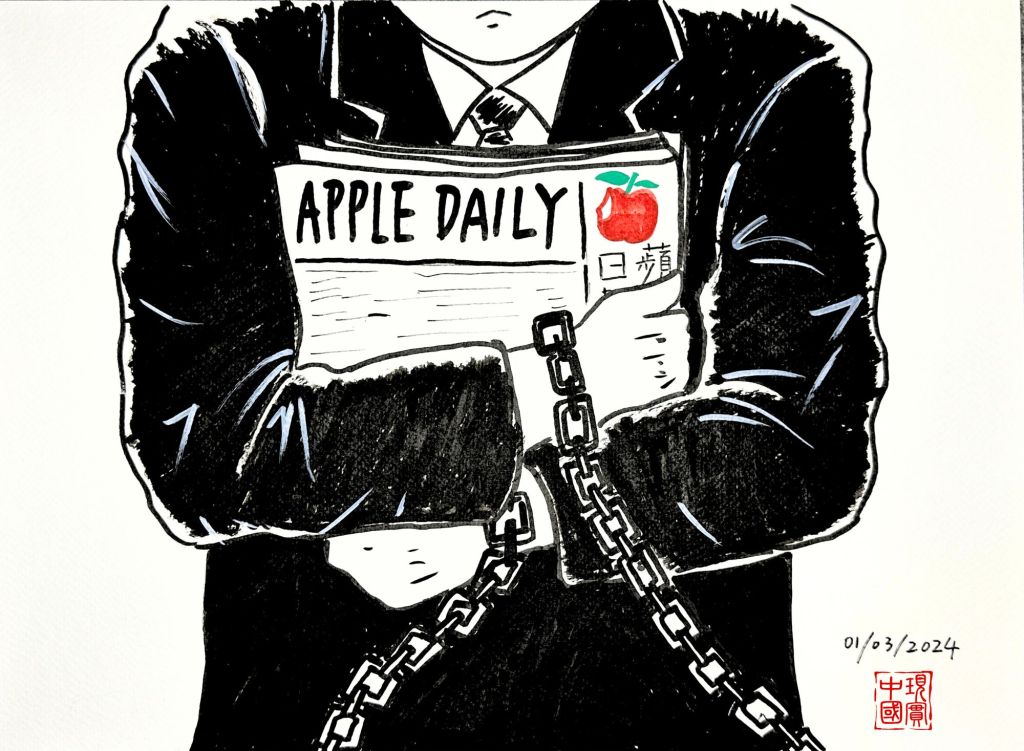
In a dramatic trial unfolding in Hong Kong, media tycoon Jimmy Lai, once a symbol of defiance against Beijing, faces severe charges under China’s National Security Law. Lai, known for his outspoken criticism of Beijing through his newspaper, APPLE DAILY, became a prominent figure in Hong Kong’s pro-democracy protests. Arrested in 2020, Lai now confronts allegations of colluding with foreign forces, which could lead to a life sentence. Despite international outcry over what many view as politically motivated charges, Lai appeared in court, greeted by supporters and family members, clad in a blue shirt and khaki jacket, his trademark defiance undiminished.
The trial marks a pivotal test for Hong Kong’s judicial independence under the controversial security law, widely criticized for eroding freedoms once enjoyed in the region. Amid heightened security at the courthouse, including police dogs and armored vehicles, supporters like elderly activist Grandma Wong continue to rally, waving British flags in protest against what they perceive as Beijing’s encroachment on Hong Kong’s autonomy.
As the trial proceeds, international observers and human rights advocates closely monitor proceedings, emphasizing concerns over fair trial standards and political interference. Lai’s case underscores broader tensions surrounding Hong Kong’s autonomy and the implications of Beijing’s tightening grip on dissent.





 The Truth Of China